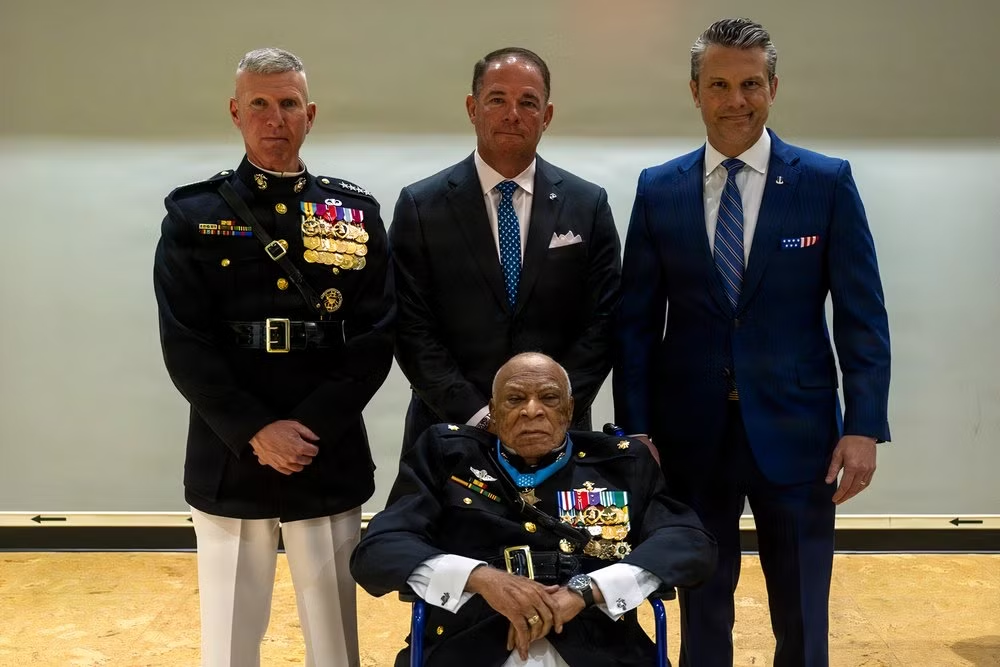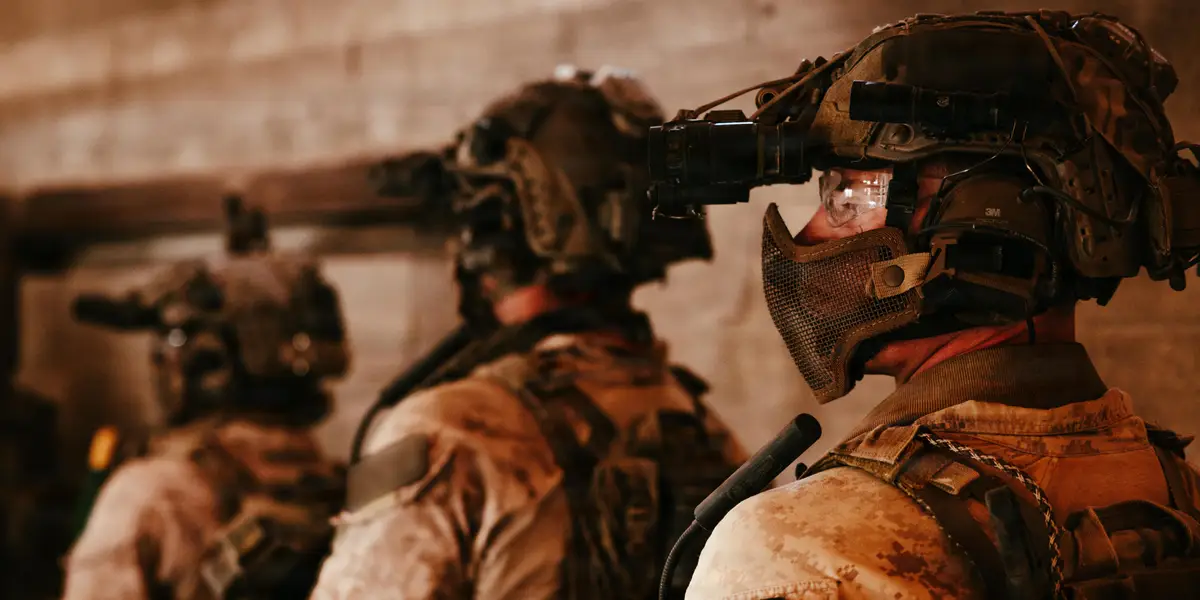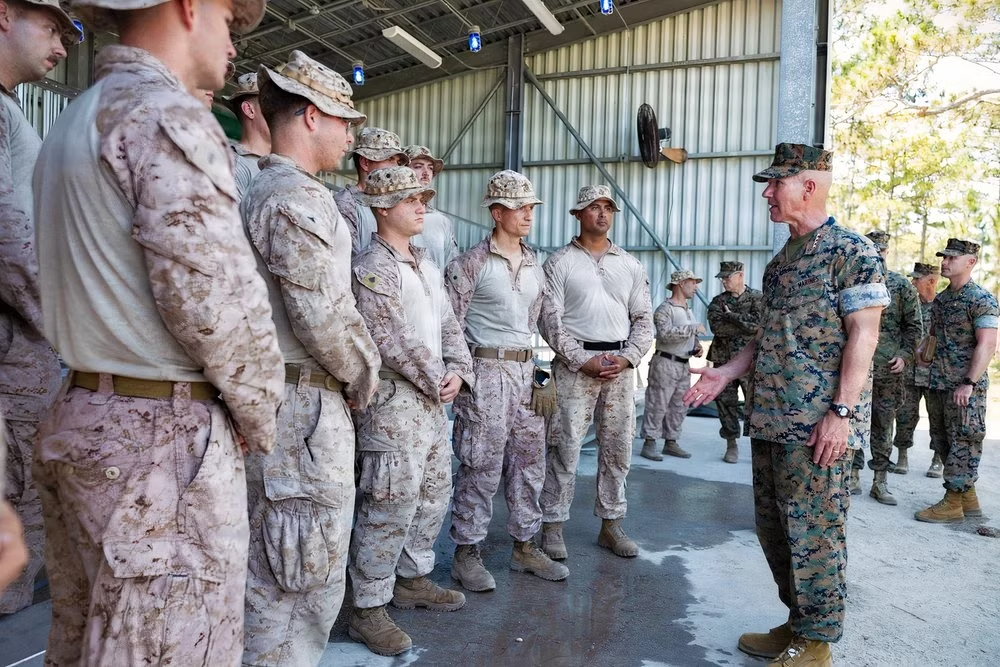
For years, a familiar narrative has taken hold across the United States. Young Americans, critics argue, are less resilient than previous generations. Less willing to serve. More interested in screens than sacrifice. Marine Corps Commandant Gen. Eric Smith doesn't buy it. In fact, after spending nearly four decades leading Marines, including the last several years overseeing one of the nation's only military services consistently meeting its recruiting goals, Smith says today's young Americans possess the same character and commitment as the Marines who fought at Iwo Jima, Chosin Reservoir and Fallujah.
Their last names have changed, Smith told Military.com during an exclusive interview. But their character and their commitment haven't changed.
To Smith, the difference isn't the quality of today's young Americans. It's the world they've grown up in.
Looking Beyond the Headlines
Questions about the next generation have become commonplace as the military and many civilian employers compete for a shrinking pool of young adults. Concerns about physical fitness, educational readiness and a declining propensity to serve have fueled debate over whether today's recruits are fundamentally different than those who answered the nation's call in previous generations. Smith sees something else. "I visit with our recruits constantly when I'm out on the road," he said. "I visit with our drill instructors, and I visit with our recruits at the recruit depots." What he finds, he said, reinforces his confidence. "They're the same that we've been recruiting since 1775." That statement carries particular weight coming from the leader of a service that has built its reputation on maintaining rigorous standards while continuing to attract volunteers. Smith believes many Americans underestimate today's youth because they mistake different experiences for diminished character. "People don't give the youth of America enough credit," he said. "They think they're all just thumbs, circle, X, square...playing YouTube, playing Xbox. But they're the same, made of the same quality that our World War Two Marines were made of. They're just in a different era."