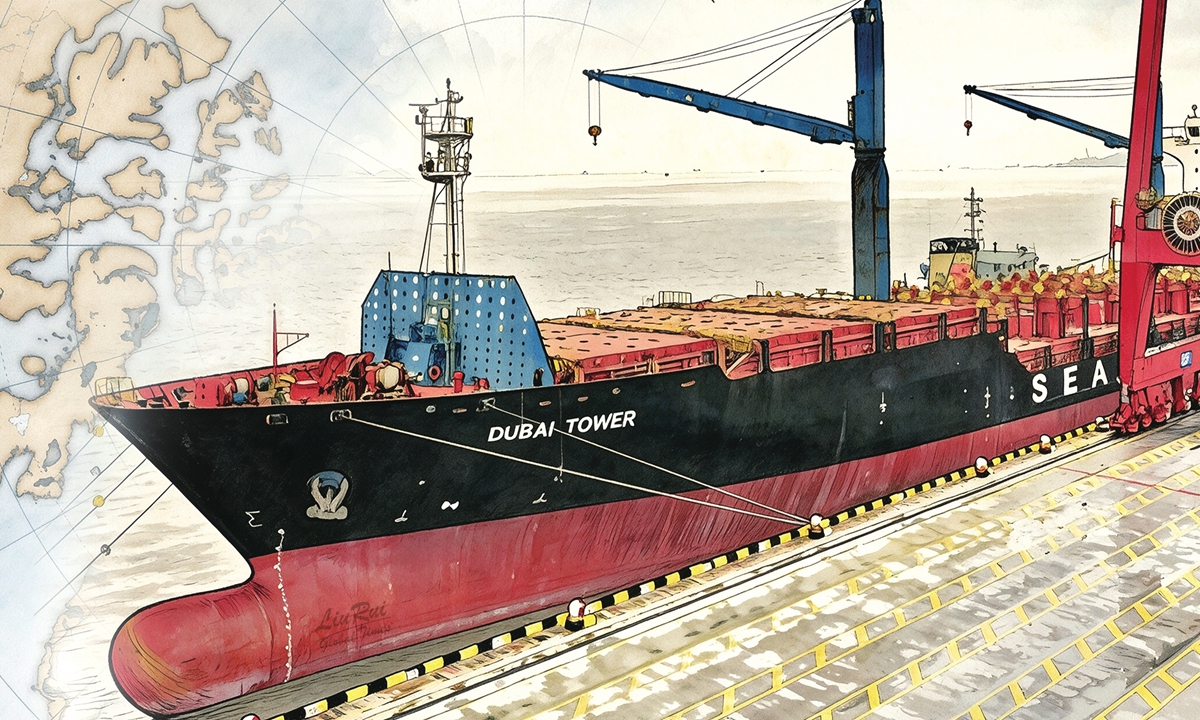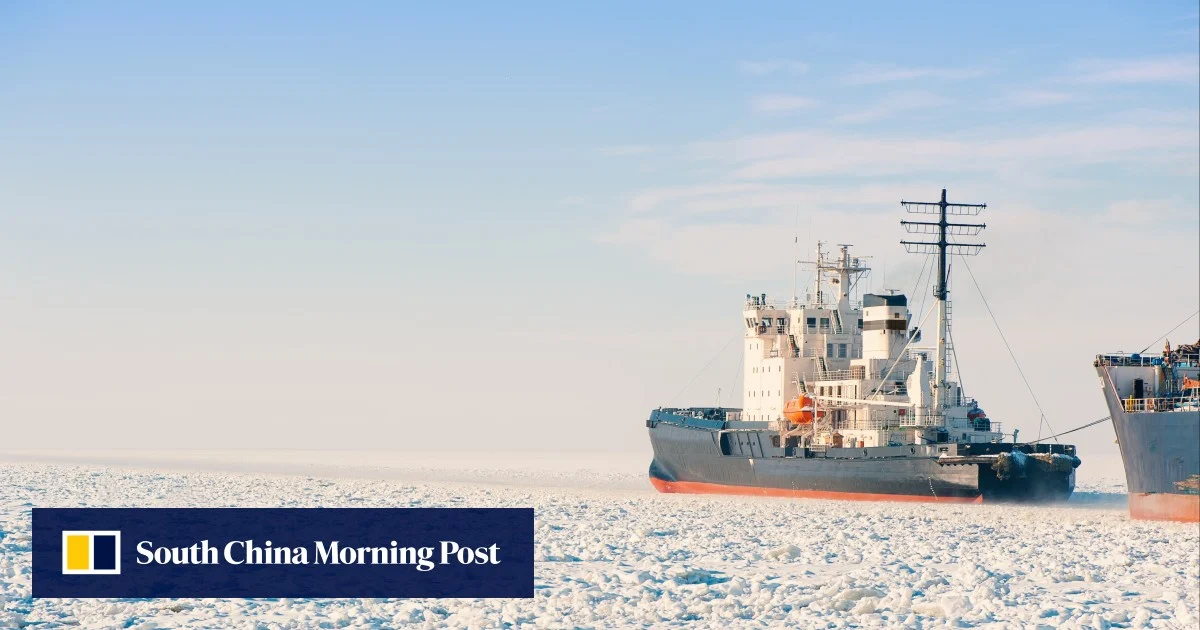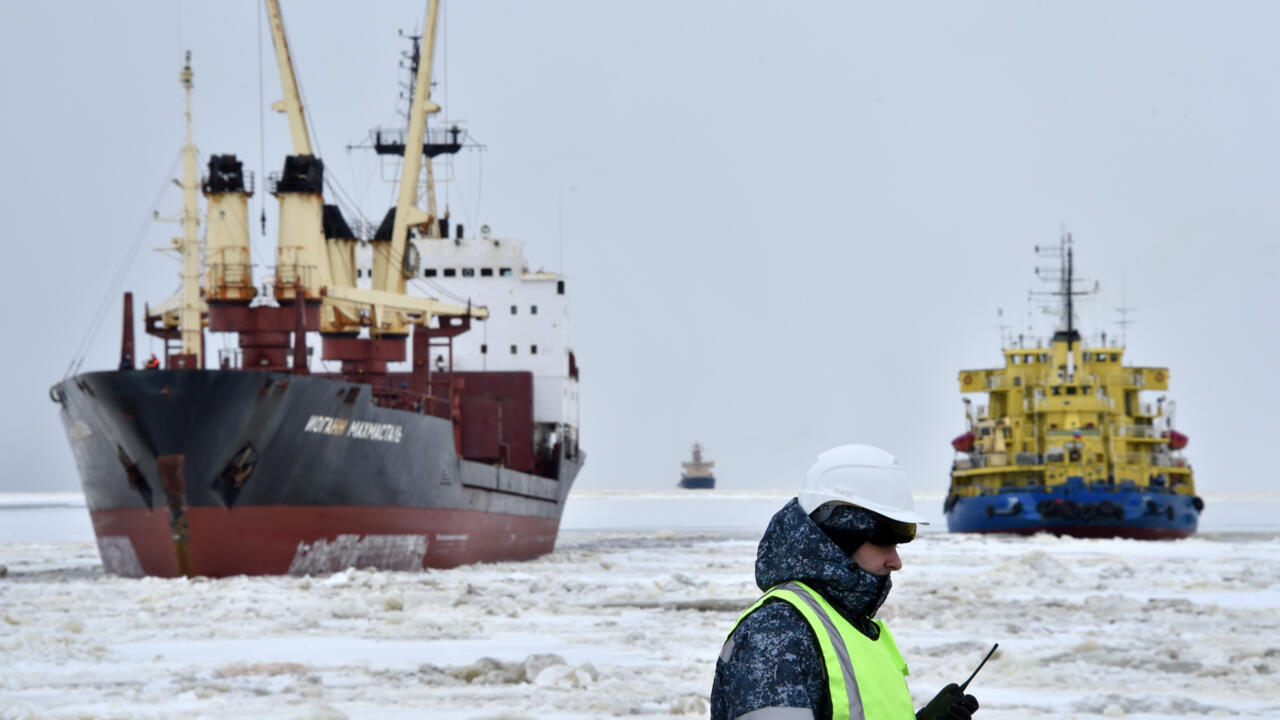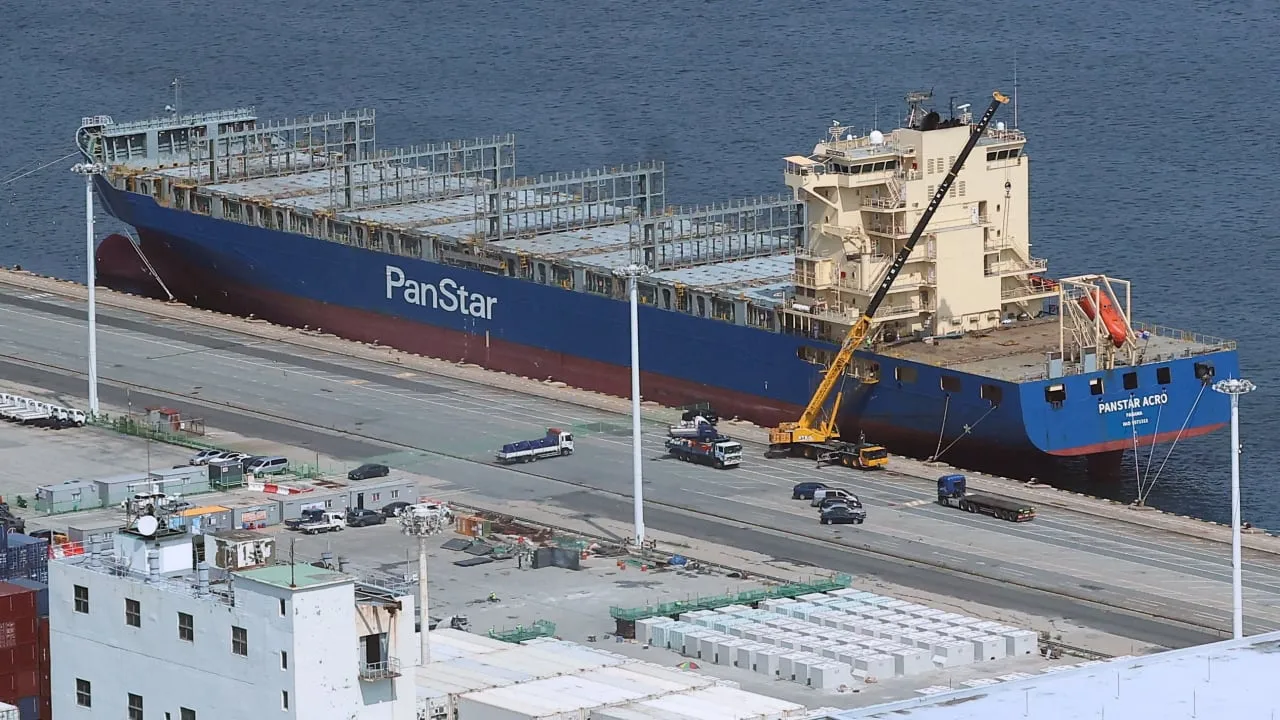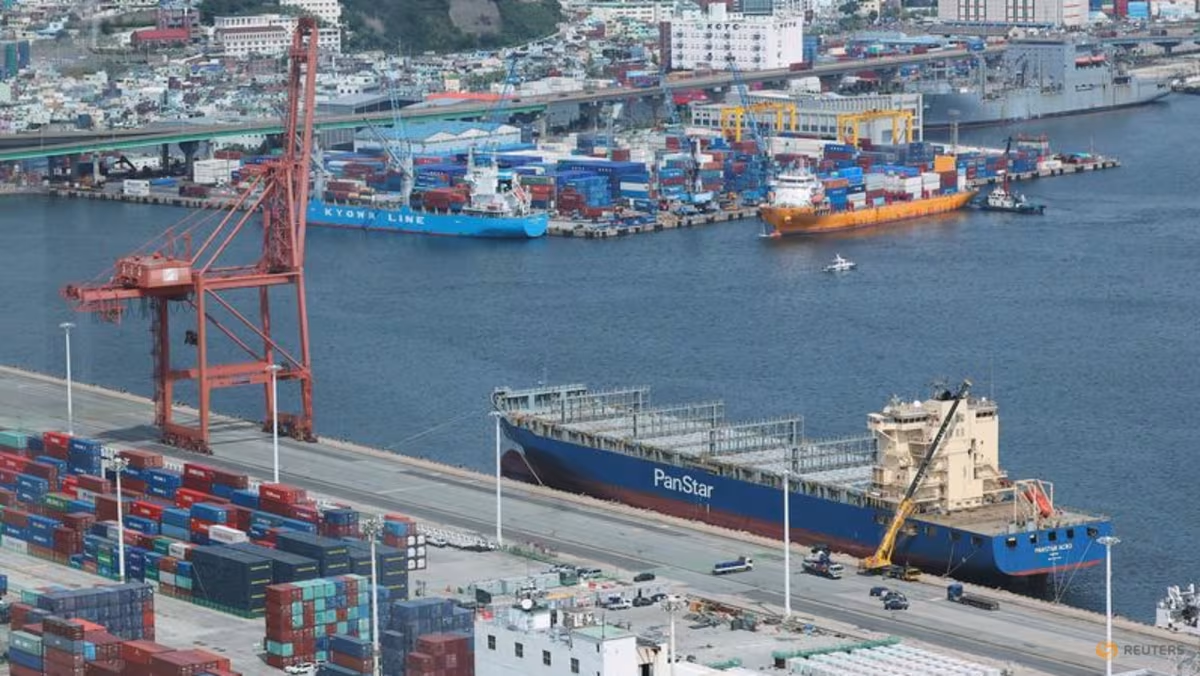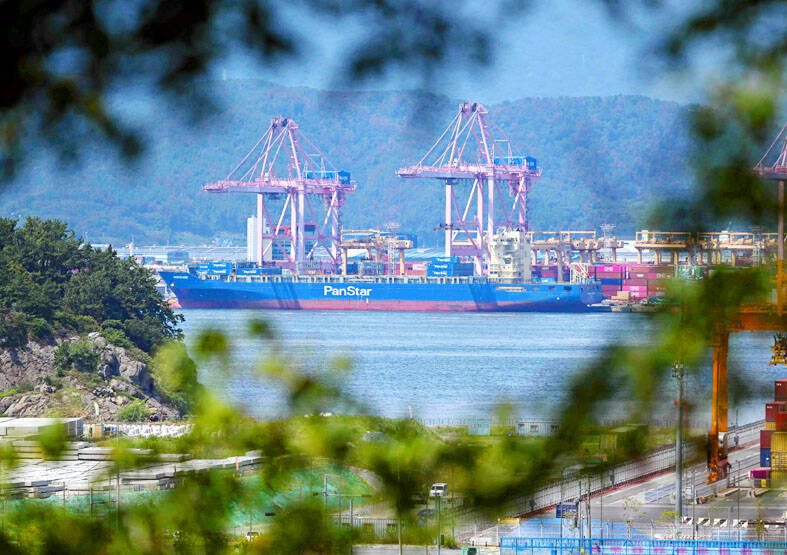
From Seoul to Singapore, Asian capitals are suddenly treating the Arctic as the next frontier of global shipping. South Korea has committed over $400 million to Arctic maritime infrastructure and plans to send a trial container vessel from Busan to Rotterdam this September, aiming to cut the journey from 40 days via Suez to around 20. Japan is updating its Arctic strategy and deepening diplomatic engagement. Singapore – a city-state with no Arctic territory – has an Arctic ambassador. Russian President Vladimir Putin met Indian Prime Minister Narendra Modi in late 2025 and Arctic shipping was on the agenda. Russia’s Rosatom has signed cooperation agreements with DP World of Dubai and courted India on Northern Sea Route (NSR) logistics.
As the Arctic rises on the European agenda, with the European Union currently in the process of updating its Arctic policy, Asia is already moving faster on specific business development, focusing on the opportunities that Arctic shipping may present. The political momentum is real. However, the shipping data, less so.
The Route Everyone Wants, Almost Nobody Uses
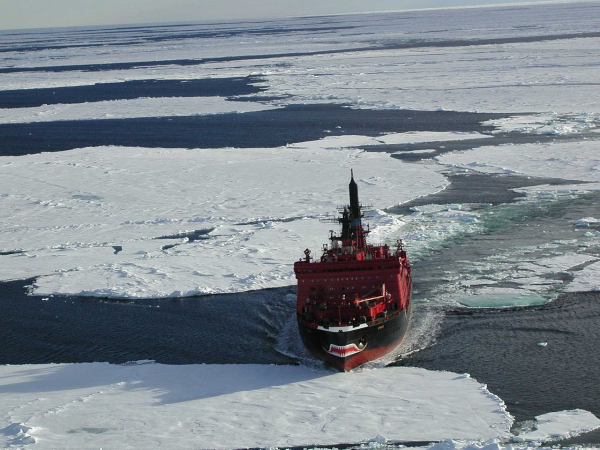
The NSR – hugging Russia’s Arctic coastline from the Barents Sea to the Bering Strait – is the corridor at the center of all this ambition. On paper, it cuts roughly 7,000 kilometers off the Asia-Europe journey compared to the Suez Canal. In practice, it remains a seasonal, politically fraught, infrastructure-dependent niche route.