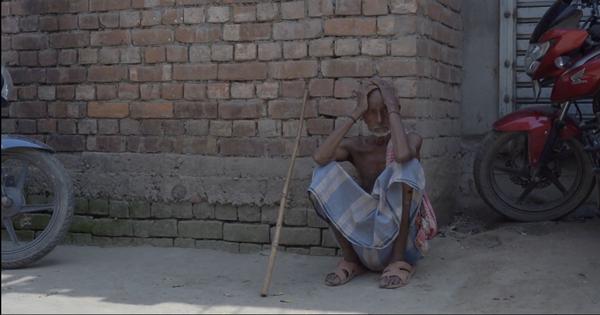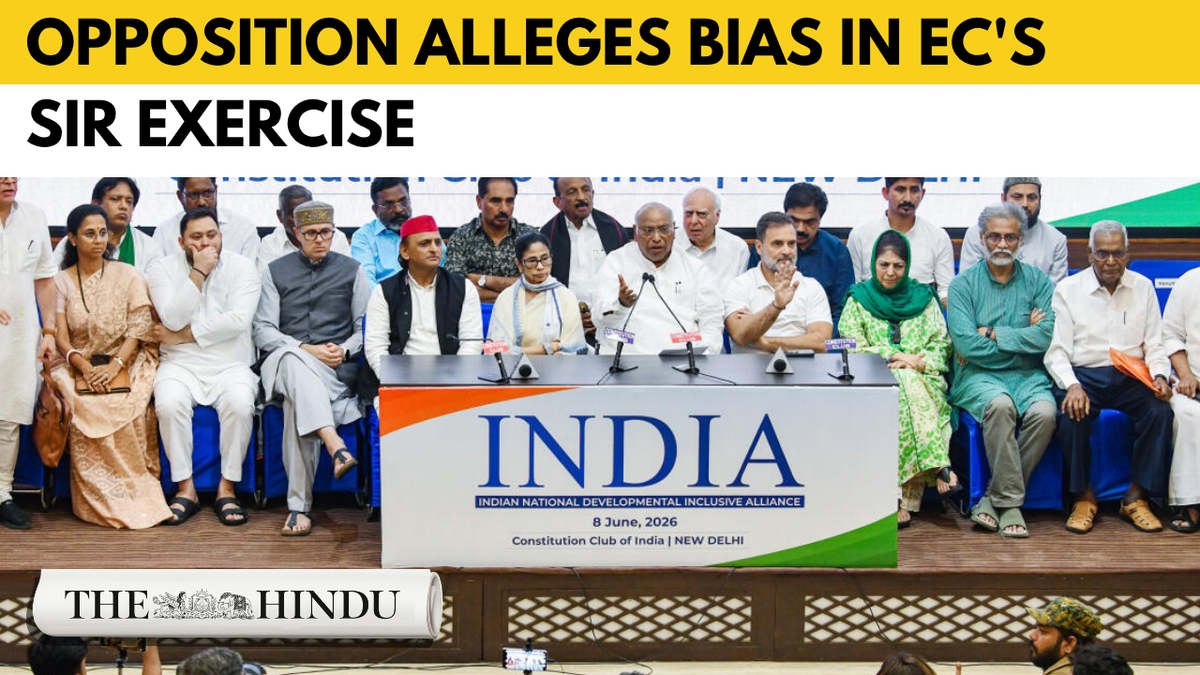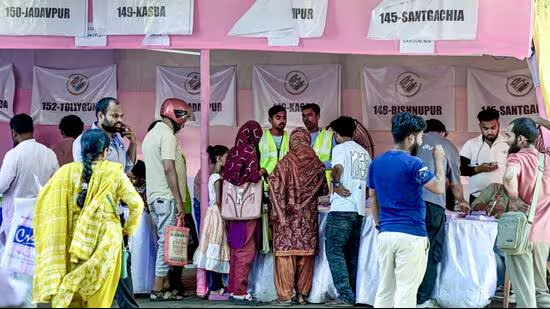
The Special Intensive Revision (SIR) exercise can’t seem to shake off controversies in West Bengal, even after the new government has taken over. The state’s move to deny welfare benefits to people whose names were deleted from the rolls has generated significant public debate. The SIR exercise, conducted by the Election Commission of India (ECI), is intended to update electoral rolls by identifying duplicate, deceased, or otherwise ineligible voters. Before and after the polls, the Trinamool Congress and other members of the INDIA bloc of Opposition parties, claimed that the exercise was aimed at fixing the mandate. HT’s own data analysis showed that the numbers do not support these allegations, but by extending the outcome of this exercise to determine eligibility for welfare schemes — and by denying a high-profile former editor a new passport on the grounds that his name was dropped from the rolls — Bengal may have opened a new front.The SIR exercise, conducted by the Election Commission of India (ECI), is intended to update electoral rolls by identifying duplicate, deceased, or otherwise ineligible voters. (PTI)In a bid to reduce fraud and pilferage, the state government has proposed using SIR data to identify beneficiaries who may no longer be eligible for certain welfare schemes. In a functional social democracy, welfare benefits should reach only genuine contenders, and integrating verified databases can strengthen administrative accountability. However, there is a divergence in what electoral registration and welfare delivery databases seek to accomplish. Exclusion from an electoral roll should not automatically imply that a person is not a resident or otherwise ineligible for benefits (a position that the Supreme Court has also reiterated). The “margin of error” that the Court acknowledged as a necessary evil of large-scale electoral revision exercises can become a life-and-death issue for the marginalised. From a constitutional perspective, the linking of welfare schemes — initiated on the principles of equality, social justice, and the right to life under Articles 14 and 21 — with SIR raises questions. Such an approach may disproportionately affect migrants and even elderly residents or those belonging to marginalised communities lacking documentary evidence.To be sure, welfare benefits should only be available to citizens, but SIR has a limited purpose and cannot, by law, be used to decide who’s a citizen and who is not; the state is free to use exclusion from SIR as a basis and follow due procedure under the Citizenship Act to label someone a non-citizen, and deny them benefits, but the key term here is “due procedure”.
The many SIR controversies
Exclusion from the electoral roll should not, by itself, be grounds to deny welfare support
419 words~2 min read