Show Caption
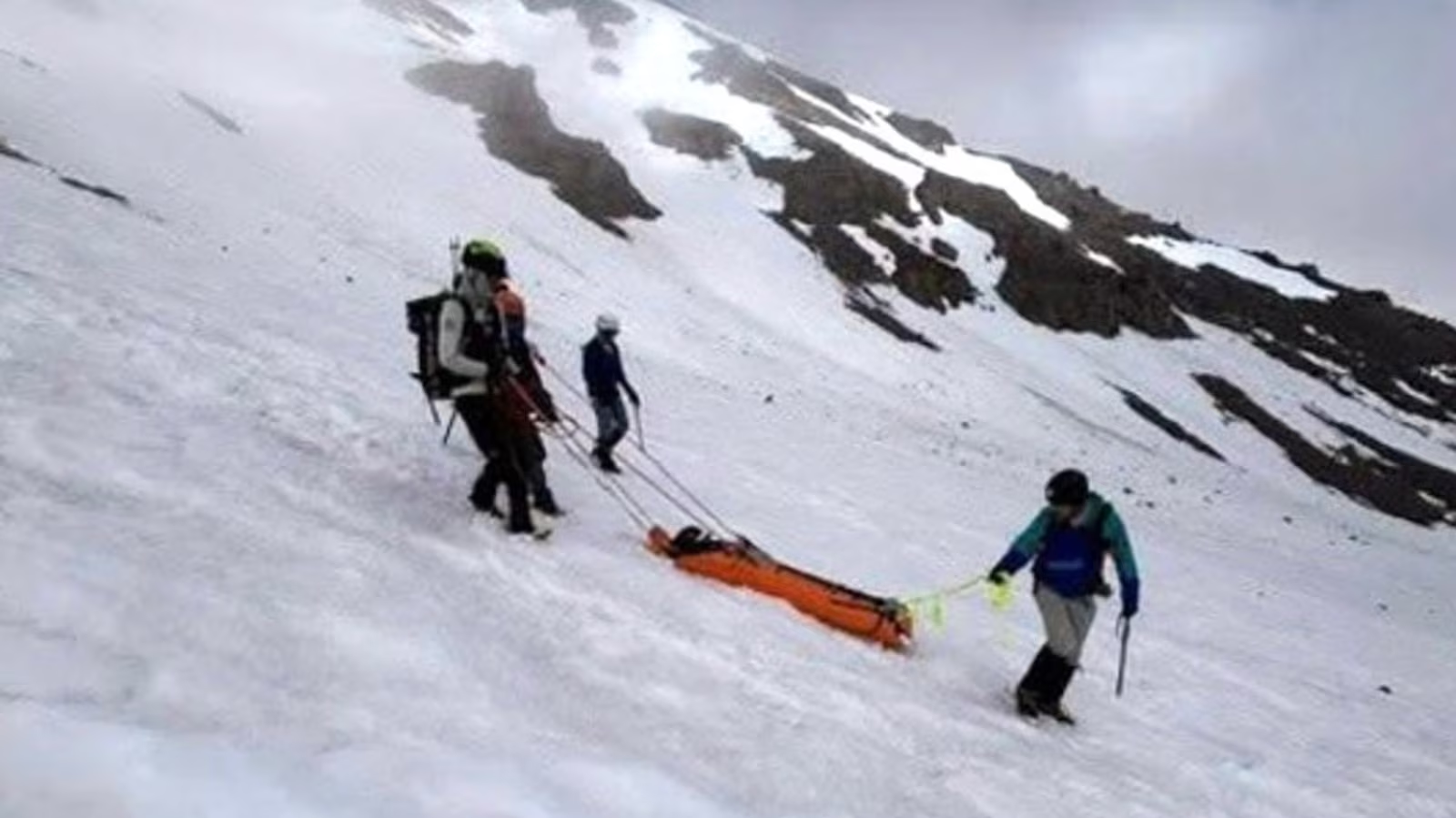
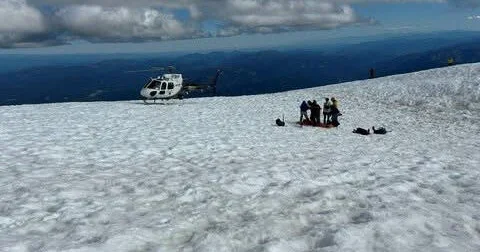
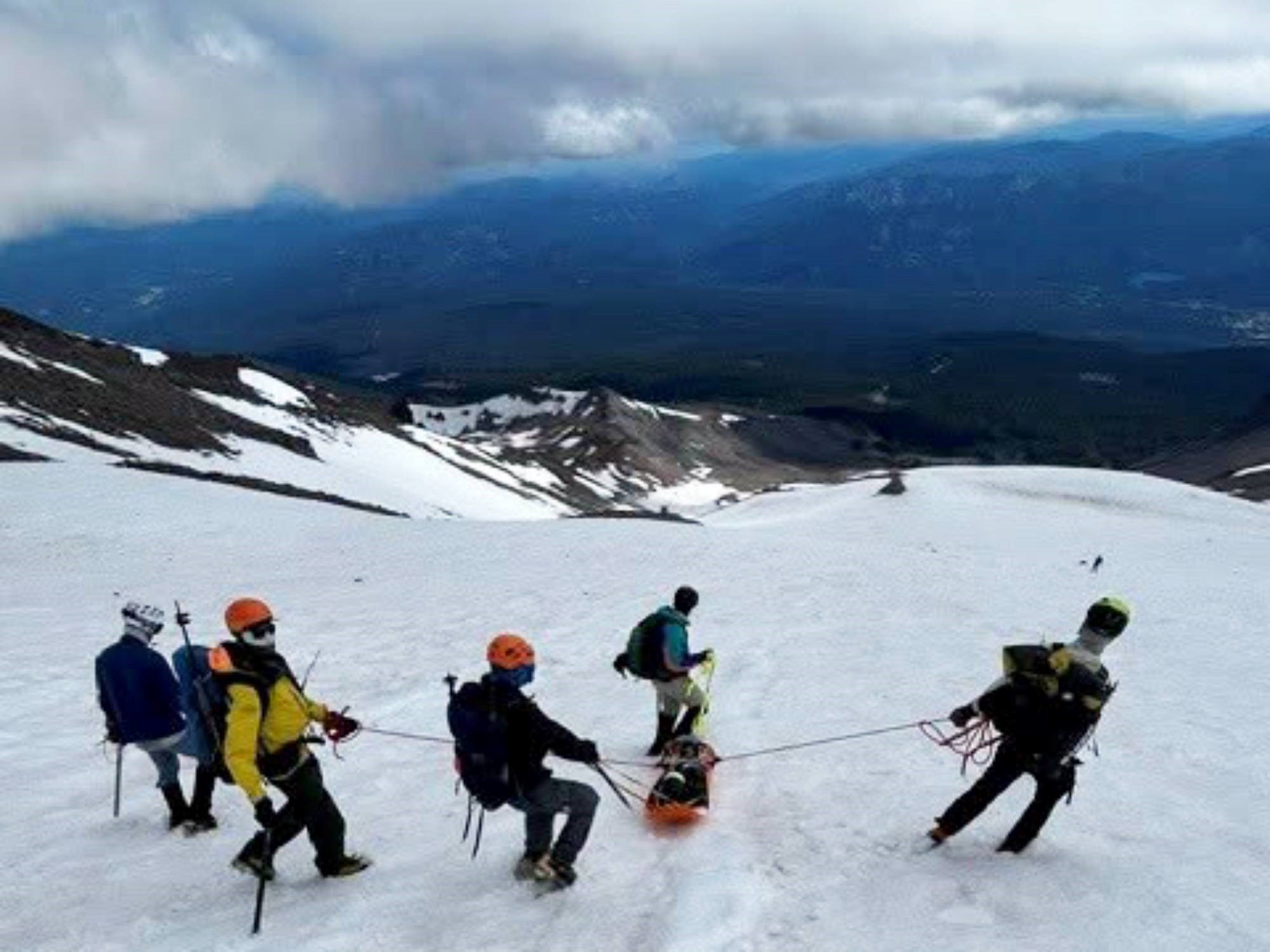
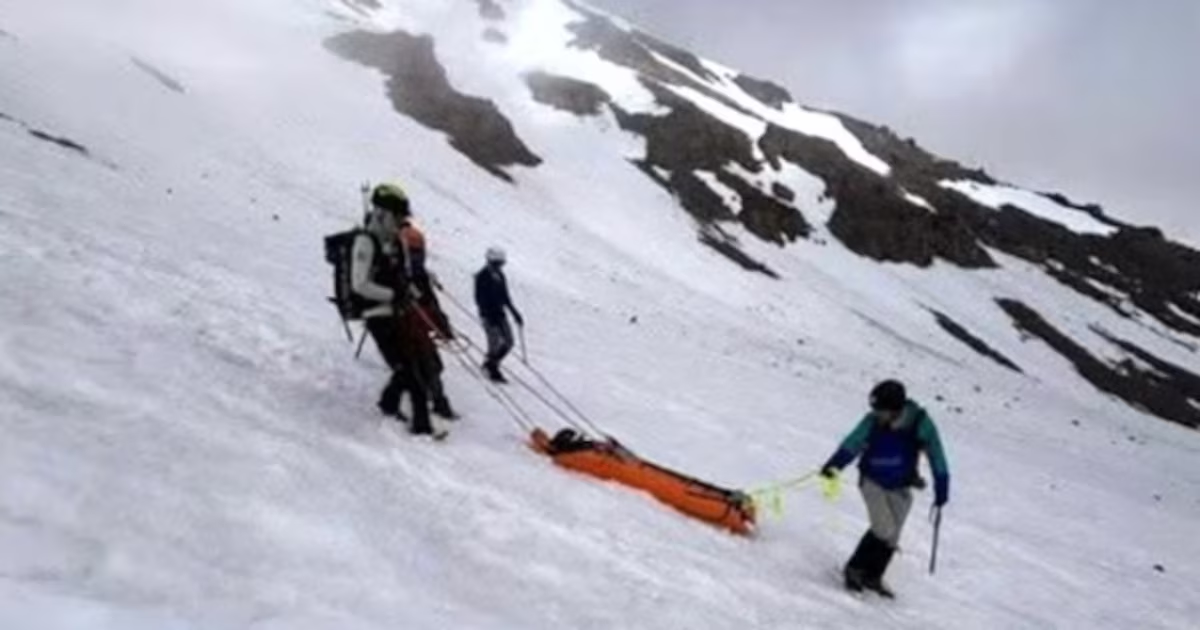
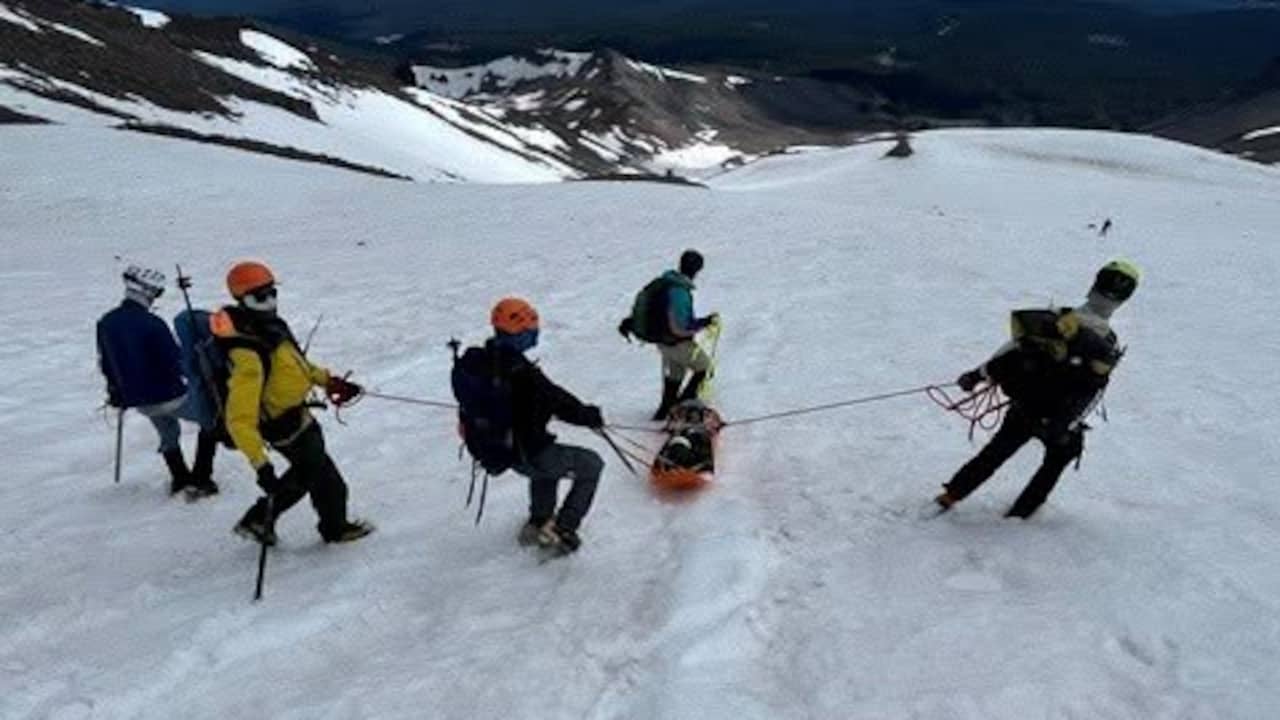
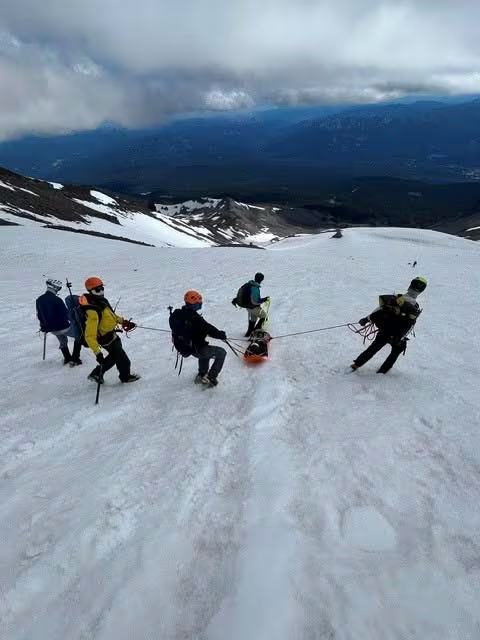
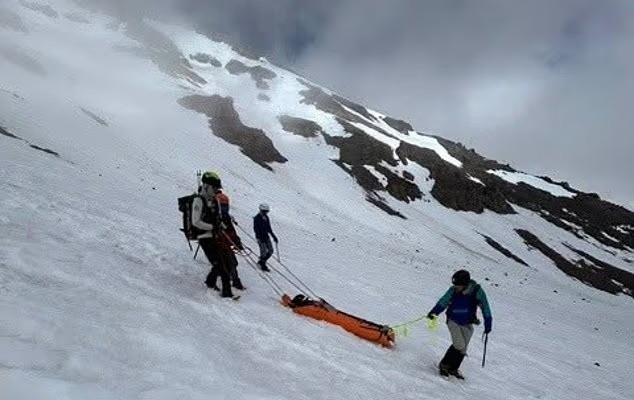
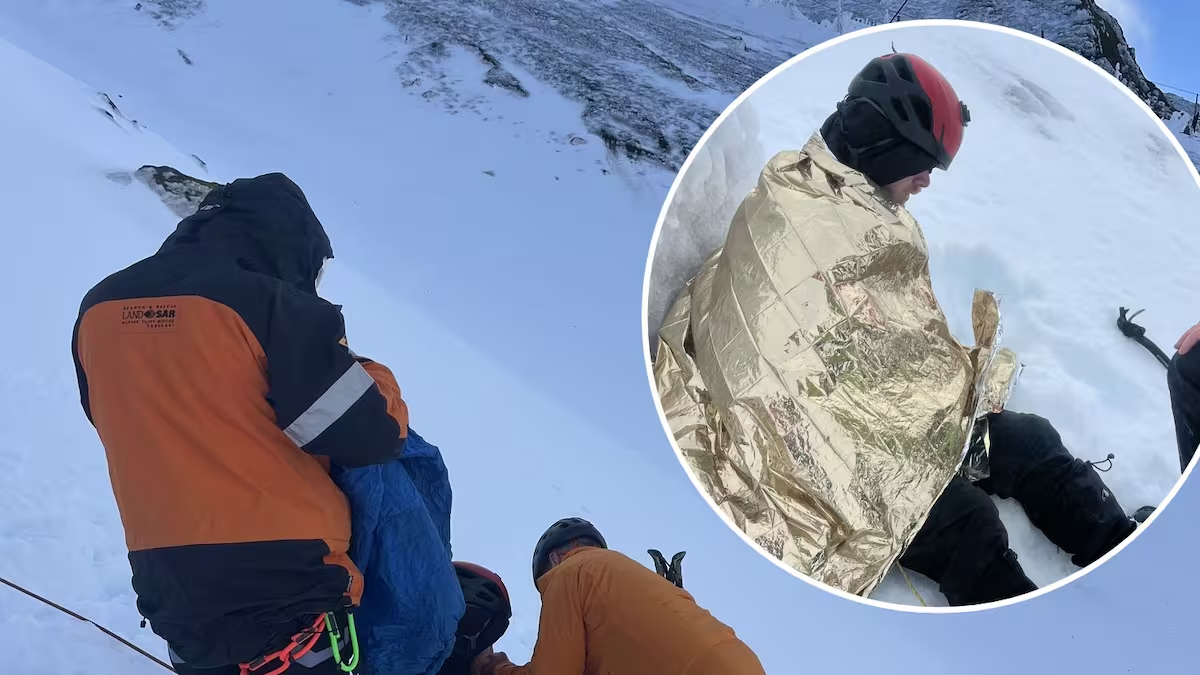
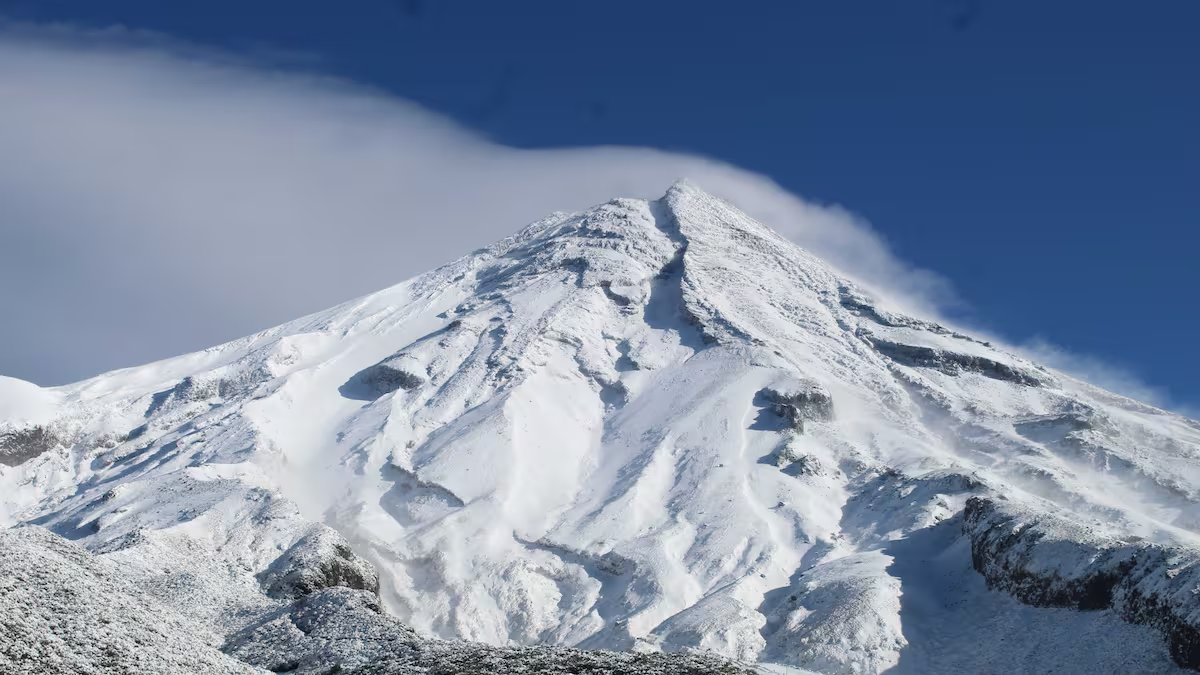
A woman climbing Mt. Shasta over the weekend fell 1,500 feet straight down – and lived.The novice climber was rescued the afternoon of June 28 in a dramatic response that prompted the U.S. Forest Service to underscore safety concerns on the mountain's most popular route, reported the Redding Record Searchlight, part of the USA TODAY Network.U.S. Forest Service climbing rangers, working with the California Highway Patrol and Siskiyou County search and rescue crews, reached the injured woman after cloud cover complicated an initial helicopter approach, officials said in a statement released on June 30.The incident comes a few months after another high-profile rescue in the same Avalanche Gulch area involving inexperienced climbers and improperly used gear.Mt. Shasta rescue after 1,500-foot fall on Avalanche Gulch routeThe 31-year-old climber was ascending the “Left of Heart” variation of Avalanche Gulch – a steep, high-altitude route – when she fell from an elevation of about 13,000 feet down to roughly 11,500 feet, according to the Forest Service. She was part of a group of three novice climbers.Members of the Mt. Shasta Climbing Rangers and CHP air operations out of Redding, California, began rescue operations around noon on June 28. Cloud cover limited the helicopter to a lower drop point near 50/50 Flat, above the switchbacks, forcing rescuers to climb on foot to reach the injured woman.A ranger stabilized her position on the mountain with help from one of her climbing partners and a passing climber.The woman was alert and in good spirits but suffered a suspected fractured ankle and other injuries consistent with a long fall, the forest service said.Rescuers bundled her in a rescue stretcher and lowered her to the ground near Lake Helen. A CHP helicopter crew picked her up around 5:30 p.m. and took her to Mercy Medical Center hospital in Mount Shasta.Avalanche Gulch dangers and repeated rescues on Mt. ShastaThe latest incident mirrors a March 2026 rescue on Mt. Shasta that also unfolded in Avalanche Gulch and revealed common mistakes by less-experienced climbers.In that case, two Bay Area men successfully summited the mountain but ran into trouble during their descent below Red Banks. One climber slipped and fell about 700 feet after his equipment was not properly fastened, according to the Siskiyou County Sheriff’s Office and climbing ranger Nick Meyers.The injured climber couldn’t continue, forcing the pair to spend a freezing night on the mountain with limited supplies. High winds and darkness delayed rescue crews until the next morning.Officials said the climbers had rented proper equipment, but didn’t know how to use it.Avalanche Gulch, while often described as a standard route, includes sections where a fall can turn into an uncontrolled, high-speed slide over rocks and hard snow – what rangers call “slide-for-life” terrain.What climbers need to know before attempting Mt. Shasta6 safety tips for climbing, summiting Mt. ShastaThe Siskiyou County Sheriff's Office and Mount Shasta Avalanche Center offer these tips before you hike or climb Mt. Shasta in Northern California.Rescue crews and local officials say these incidents reinforce a critical message: Mt. Shasta is not a mere hike – it’s a high-altitude mountaineering climb.Conditions can shift rapidly, even in summer, with climbers encountering ice, rockfall and limited visibility within hours.Key safety takeaways from rangers and rescuers include:Know your limits: Be realistic about experience and physical conditioning before attempting the climb.Use proper gear – correctly: Ice axes, crampons and helmets are essential, but only if climbers know how to use them.Start early, descend early: Afternoon conditions often become more dangerous with harder ice and changing weather.Prepare for emergencies: Carry extra layers, food, water and survival gear in case of delays or overnight exposure.Check conditions before climbing: Rangers warn that weather and snow conditions on Shasta can remain hazardous even late into the season.Officials also stress the importance of self-rescue planning, noting that it can take hours for crews to locate and reach injured climbers, even in ideal conditions.“Even experienced climbers can encounter hazardous conditions,” the Forest Service said, urging anyone attempting the summit to treat the mountain as a serious alpine environment, not a casual outing.Contributing: Jeanine Santucci, USA TODAY