(Image credit: Tom's Hardware)
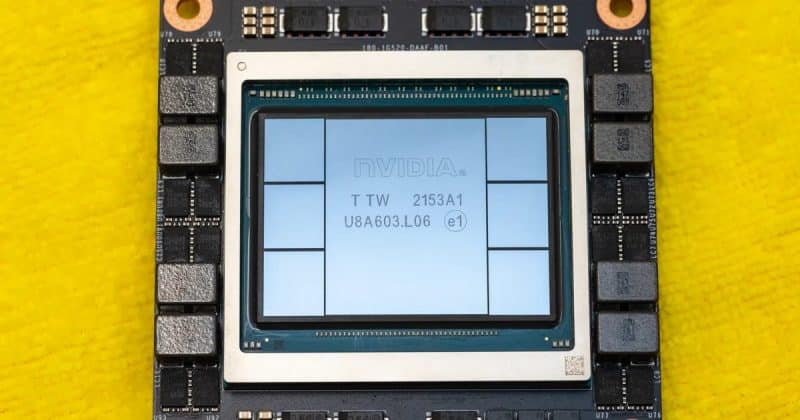
Taiwanese authorities have been stepping up their investigation into the alleged AI GPU smuggling by some Supermicro employees, and it was recently reported that the police “raided” the company’s Taipei office. However, Digitimes reports that the firm is pushing back against this characterization, with Supermicro insisting that it’s cooperating with the investigation. Instead, it voluntarily gave investigators access to the workstations and electronic devices of the employees suspected of violating U.S. export controls while also placing them on administrative leave.Go deeper with TH Premium: Taiwan, trade, and tariffs“Supermicro’s offices in Taiwan were not raided by any government authorities,” Supermicro Chief Revenue Officer Matt Thauberger told customers and partners in a written statement. He also confirmed with the Taiwanese government that the company was not the target of any investigation and that it has been cooperating since May of this year. "We have zero tolerance for anyone who violates the law or our internal policies," he also wrote in the letter.Supermicro insists that it is cooperating with officials in the investigation and even gave them access, and as such the police intervention wasn't technically a “raid.” It remains unclear, though, how long the company knew about the pending police action before the authorities arrived on the premises.This investigation is part of Taiwan’s push to investigate the alleged smuggling of Nvidia AI chips into China through its territory. The island does not have any laws that echo the U.S.’s export controls, so it’s using a loose interpretation of other regulations. This is similar to what Singapore is doing, which recently seized a $42 million mansion and $772k stashed in a bank account that are owned by alleged AI GPU smugglers. But because it also does not have export control laws like Taiwan, the accused are instead charged with fraud and money laundering.Aside from the case brought against Supermicro employees in Taiwan, three other individuals linked to the company, including its co-founder, Yih-Shyan “Wally” Liaw, have been arrested in the U.S. on charges of conspiring to violate the Export Controls Reform Act. They allegedly used a hairdryer to soften the glue on thousands of serial numbers on the banned servers and moved them to dummy units to make them harder to track. They were then reportedly shipped via a Thailand-based government-related entity before landing in Chinese tech giant Alibaba’s warehouses.Although Supermicro isn’t directly accused in these two cases, the fact that many of its employees are being investigated and charged is probably raising concern among its partners and customers. It has even gotten to the point that Nvidia CEO Jensen Huang has urged it to fix its export compliance controls. This is likely the reason why the company has taken moves to clarify the situation, which has already caused its stock price to slide by 8% in U.S. trading.