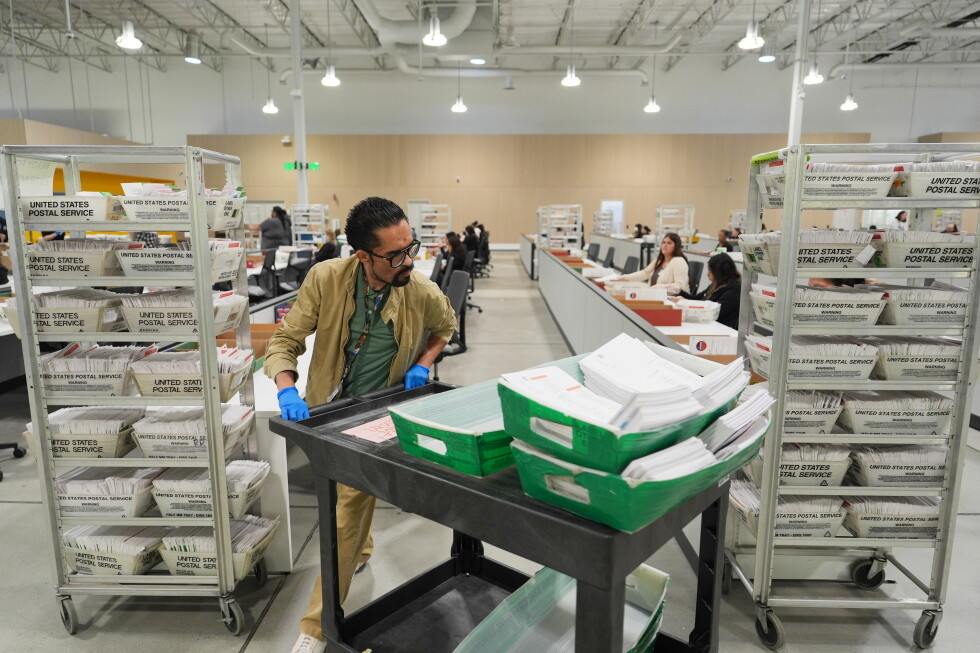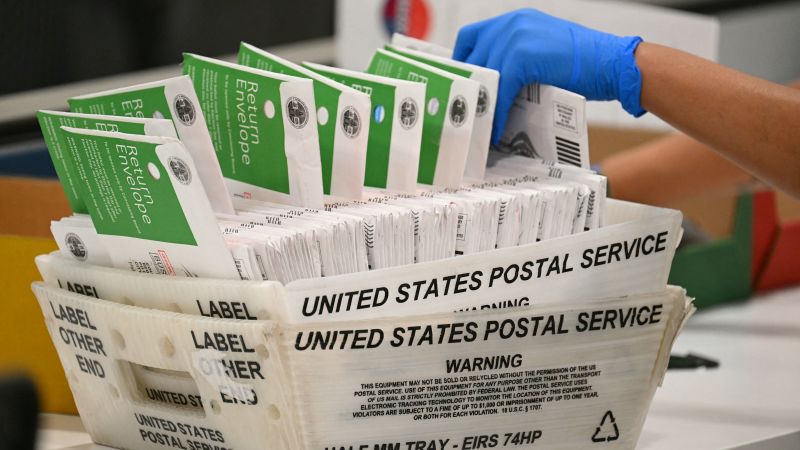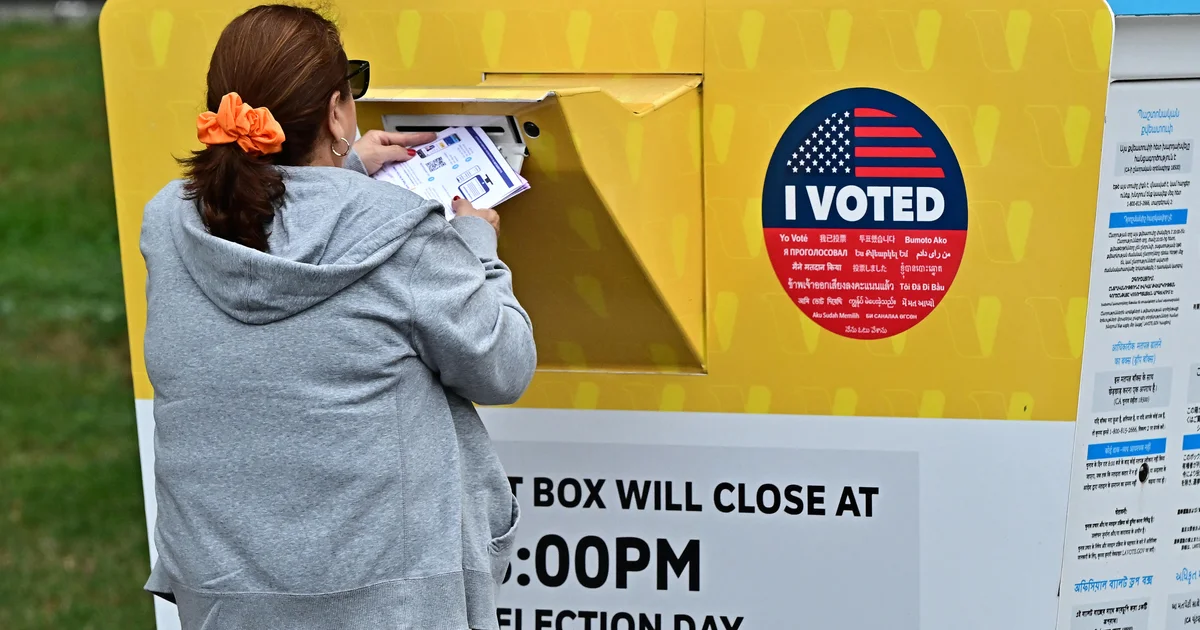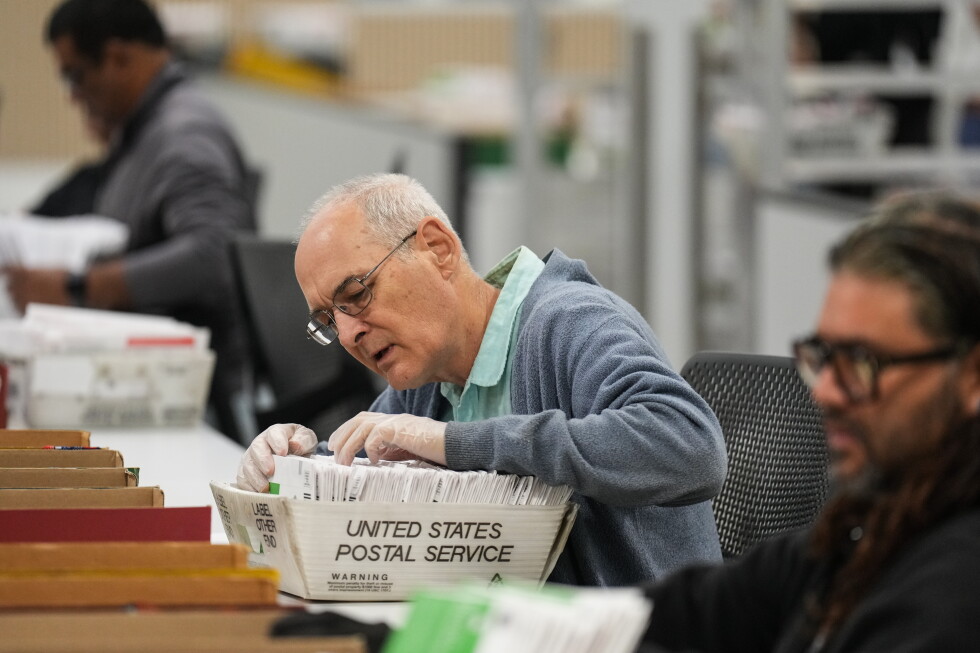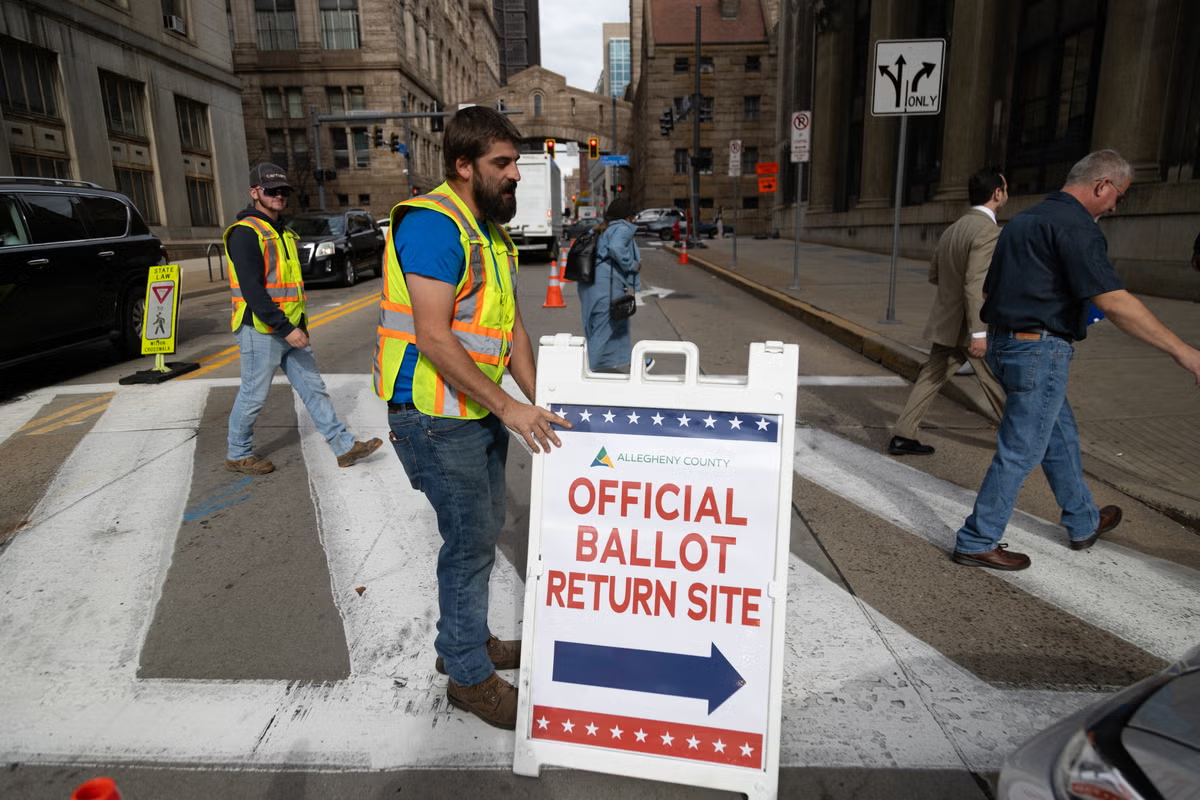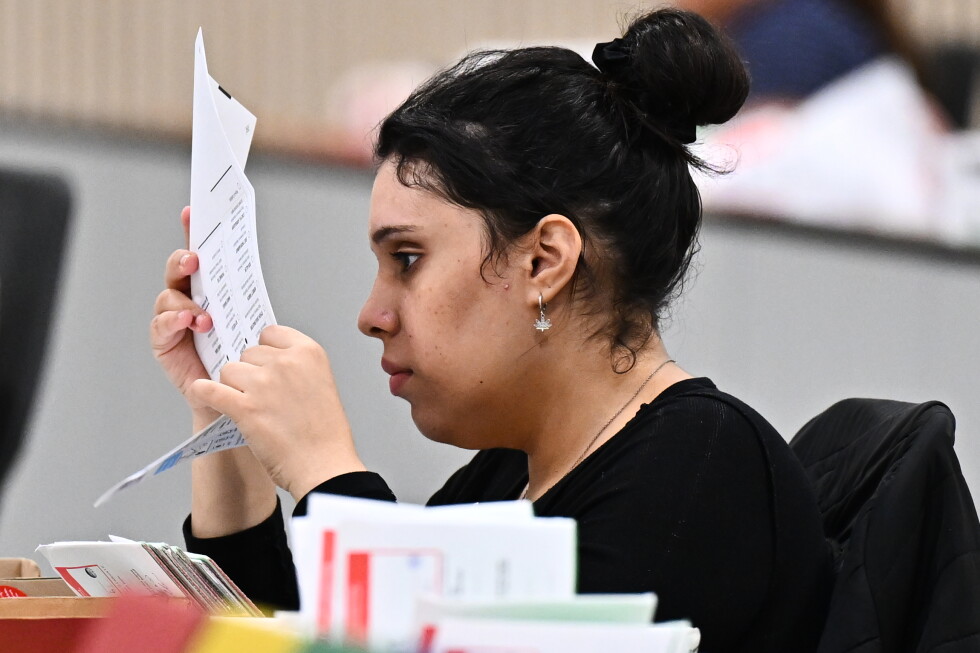
LOS ANGELES (AP) — California is finally nearing the end of the ballot counting from its June 2 primary, a tediously slow process that is largely the result of multiple changes over the years intended to boost turnout by making voting easier and more accessible.State data and experts who study voting trends suggest those efforts have made no significant improvement in participation, even as California’s drawn-out tabulating has put it in the crosshairs of President Donald Trump and made it a target of those who promote unfounded election conspiracy theories.Turnout hit 40.8% in the June primary, according to preliminary figures from the secretary of state’s office, with counties required to complete their counting by Thursday. While that was an increase over the previous two primary elections, it was below participation levels in several other primaries stretching back to 2000 and nowhere near participation in the 1970s, when primary turnout sometimes topped 70%.
Wide gaps also remain in participation by younger voters and voters of color, according to the Center for Inclusive Democracy, a nonpartisan research group. The state’s most consistent voters remain older, white, more affluent homeowners.