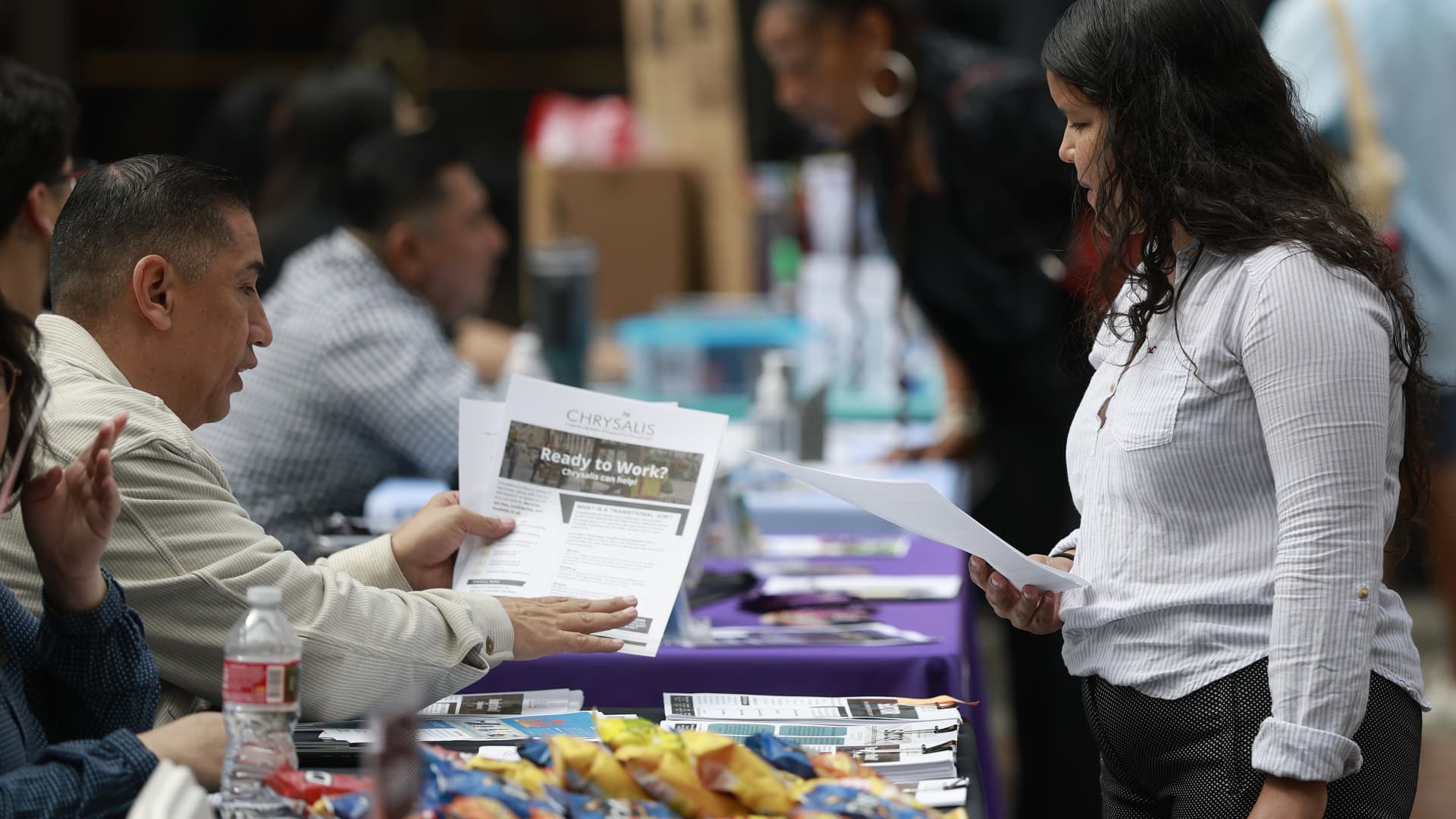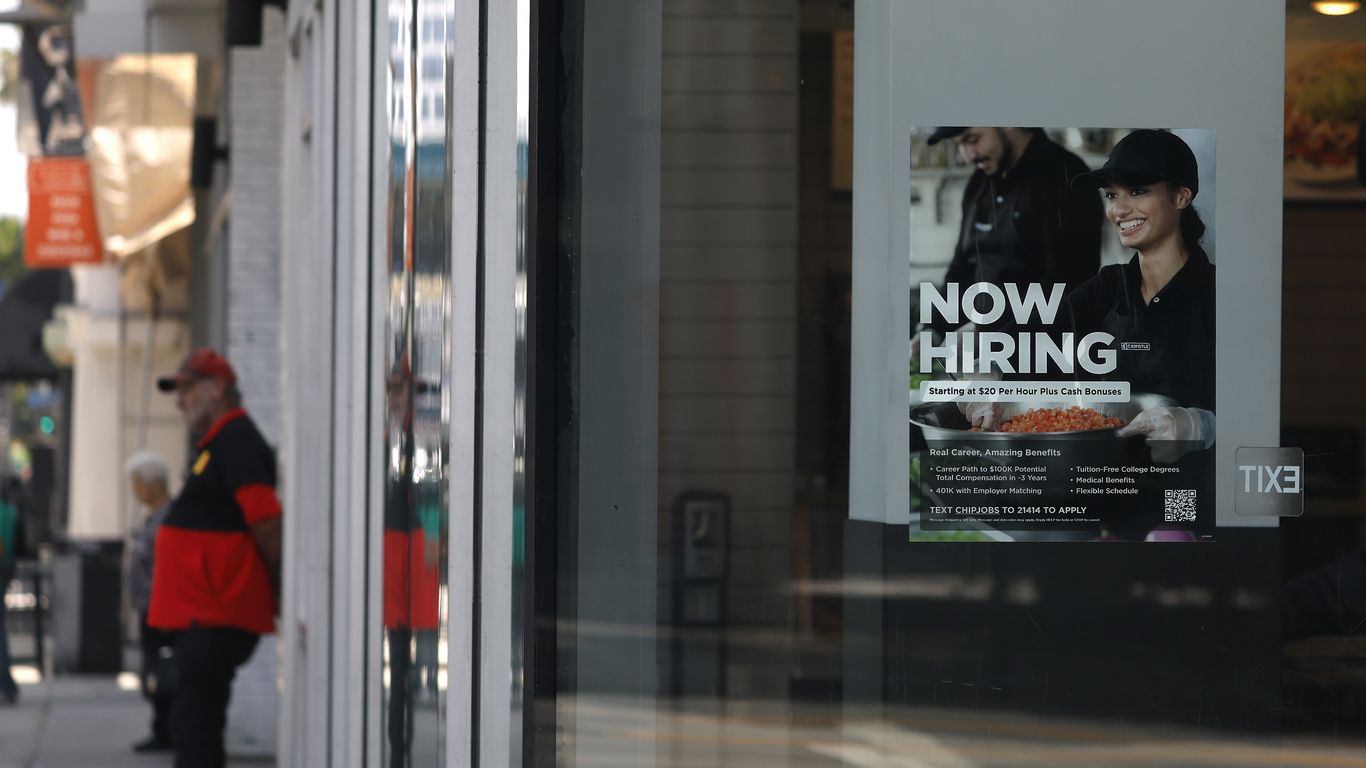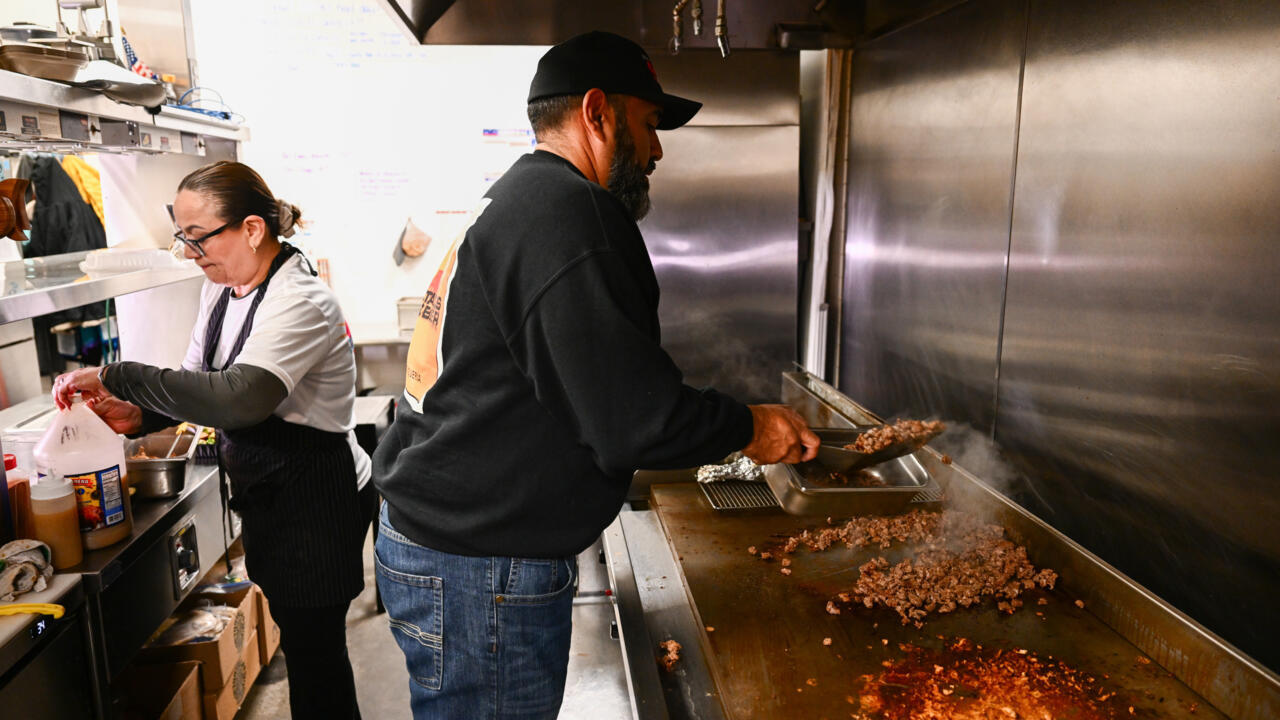
WASHINGTON - US job growth slowed more than expected in June and data for the prior month was revised lower, but the unemployment rate fell to 4.2 per cent, pointing to continued labour market stability.Non-farm payrolls increased by 57,000 jobs in June after a downwardly revised 129,000 rise in May, the Labor Department’s Bureau of Labor Statistics said in its closely watched employment report on July 2.Economists polled by Reuters had forecast payrolls advancing 110,000 after a previously reported 172,000 increase in May. Estimates ranged from as low as 25,000 to as high as 200,000.The moderation was payback after three consecutive months of strong gains in payrolls and likely does not signal a material shift in labour market conditions.It could also be bringing payrolls into alignment with other labour market surveys, including small business hiring plans, which have offered a less robust picture of the jobs market.The report was released a day early due to the July 3 public holiday marking the United States’ 250th anniversary of independence on July 4.Prior to the report, financial markets saw a roughly 50.7 per cent chance that the Federal Reserve would raise rates at the Sept 15 to 16 meeting, according to CME Group’s FedWatch tool.The US central bank in June left its benchmark overnight interest rate in the 3.50 to 3.75 per cent range, but updated quarterly projections showed policymakers expected to raise borrowing costs in 2026.Economists estimated the economy needed to create between zero and 50,000 jobs per month to keep up with growth in the working-age population.The so-called break-even rate has dropped because of an immigration crackdown that has reduced the labour force, keeping the unemployment rate stable.The jobless rate fell in June from 4.3% in May.A historically low level of layoffs is a big part of the strength in payrolls, which had not been mirrored in other labour market surveys, including hiring plans by small businesses.A Conference Board survey on June 30 showed the share of consumers viewing jobs as “hard to get” near a 5½-year high in June.Despite facing uncertainties stemming first from tariffs in 2025 and more recently the Middle East conflict, companies have been reluctant to let go of workers, after struggling to find labour in the aftermath of the Covid-19 pandemic.But with the US and Iran agreeing to a ceasefire, which has pushed oil prices back to pre-war levels, some economists believe the downside risks to the labour market had diminished and expected the recent firmer trend in job growth to prevail in 2026. REUTERS
US job growth misses expectations in June; unemployment rate falls to 4.2%
Economists expect stronger job growth to continue in 2026. Read more at straitstimes.com. Read more at straitstimes.com.
420 words~2 min read