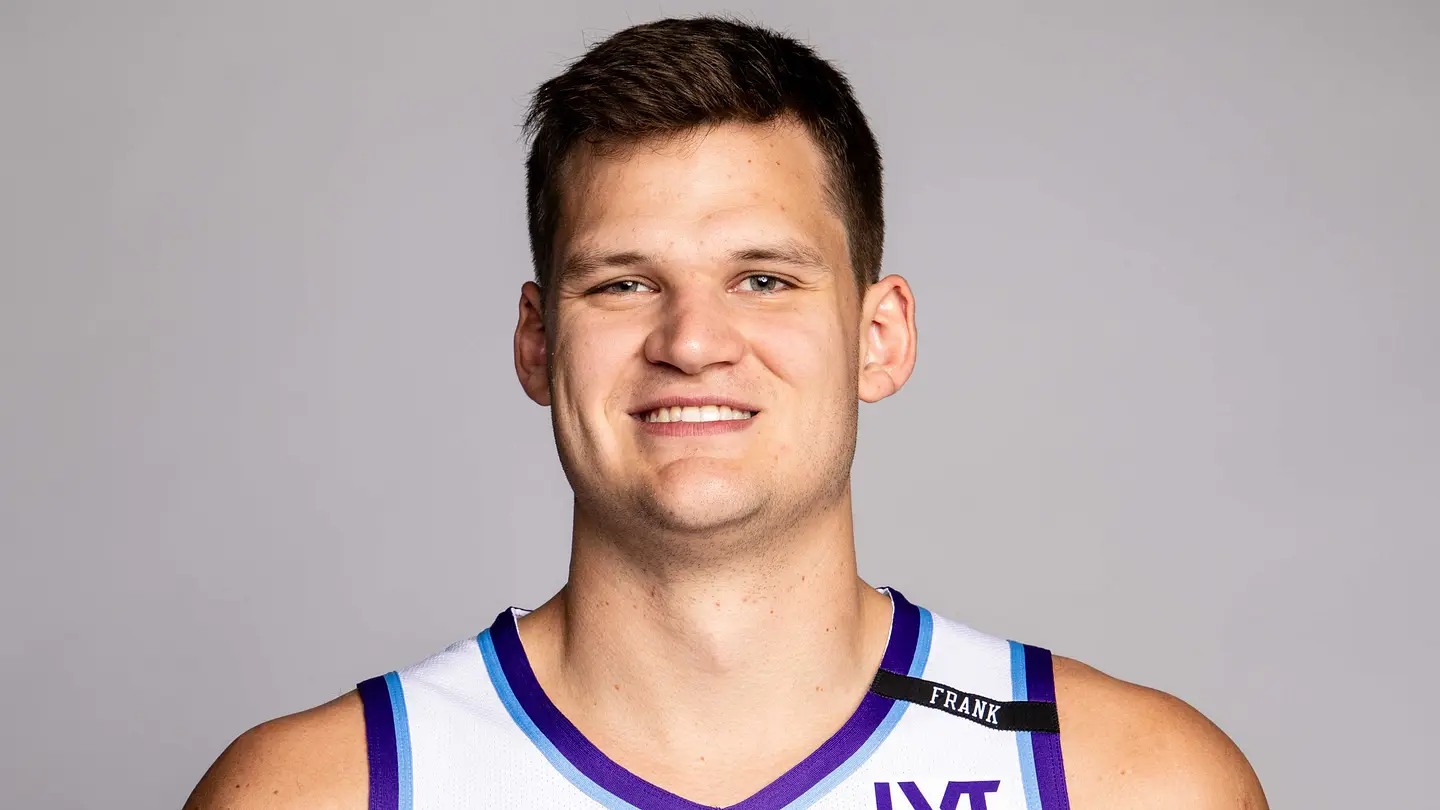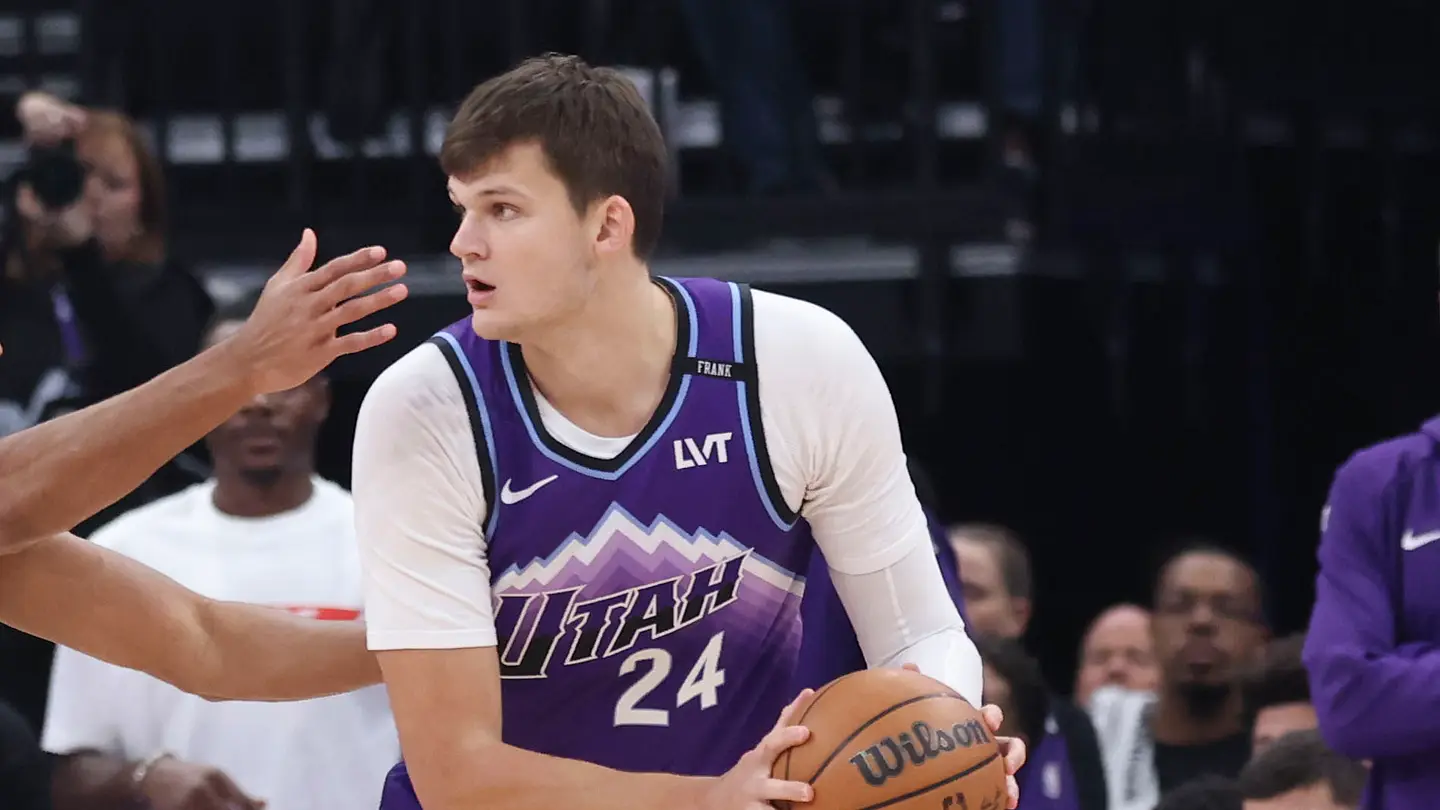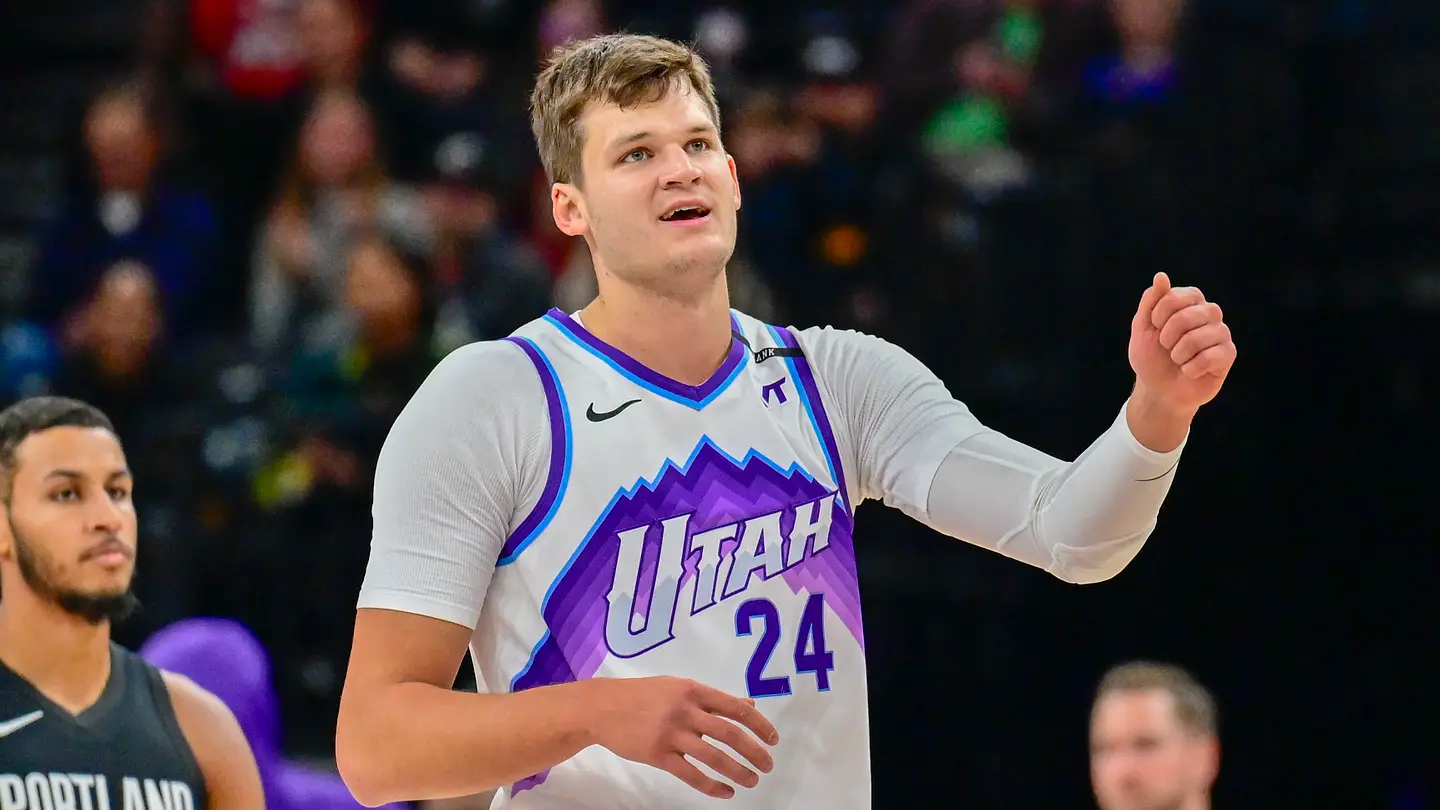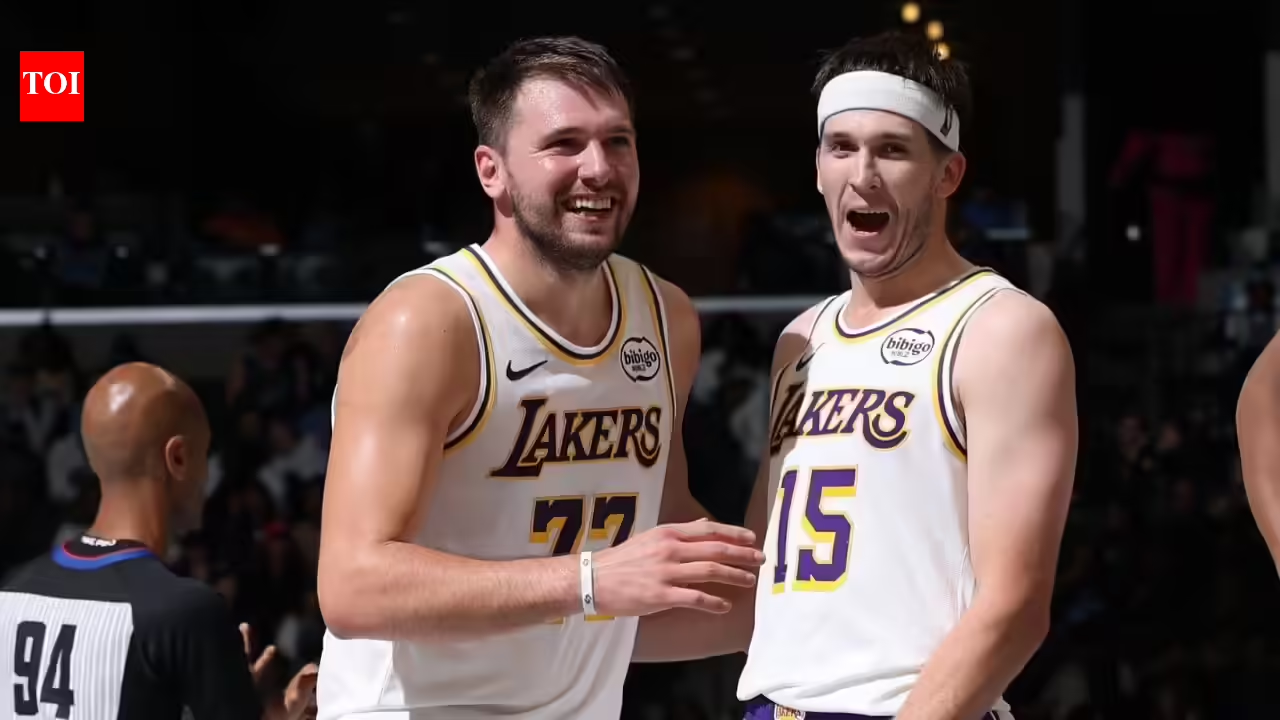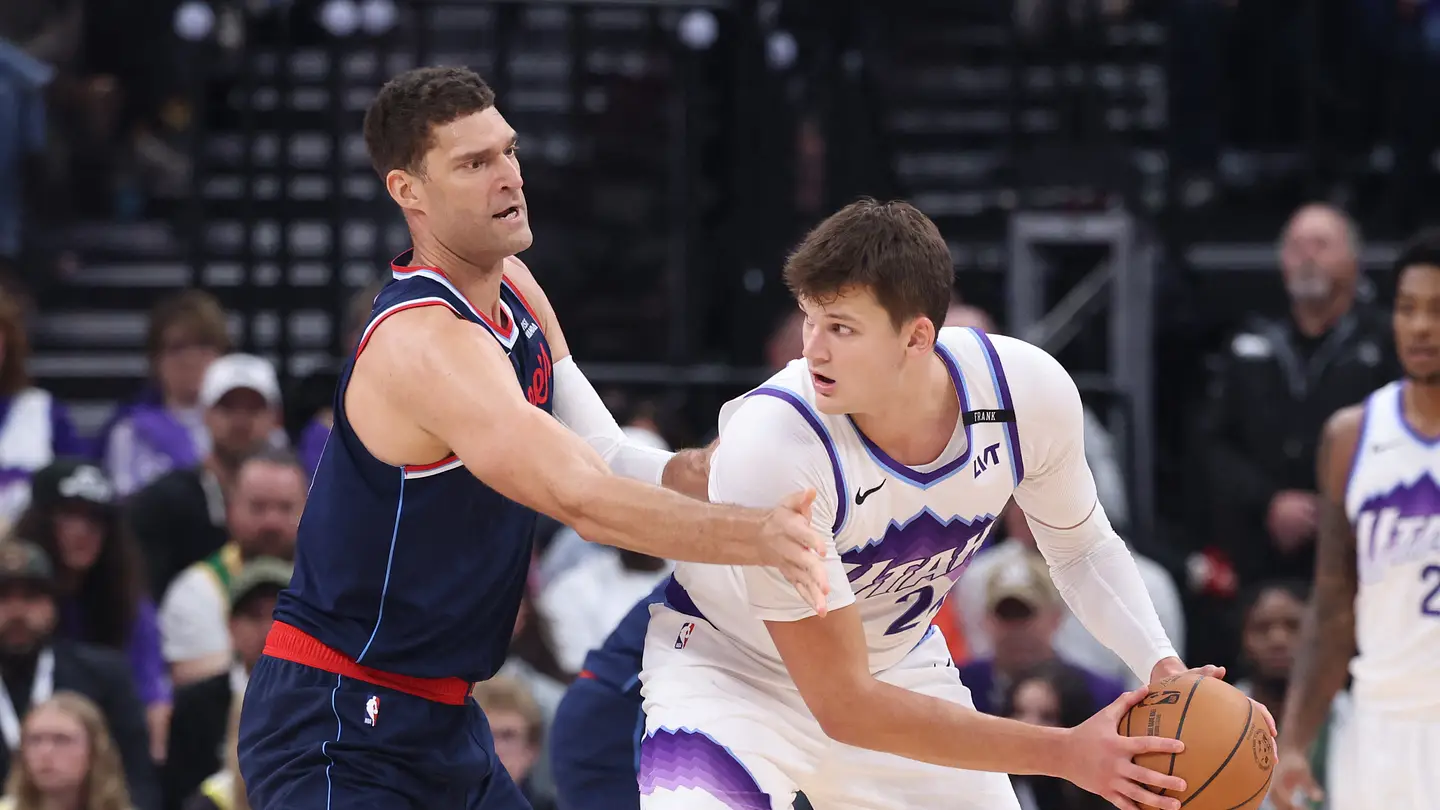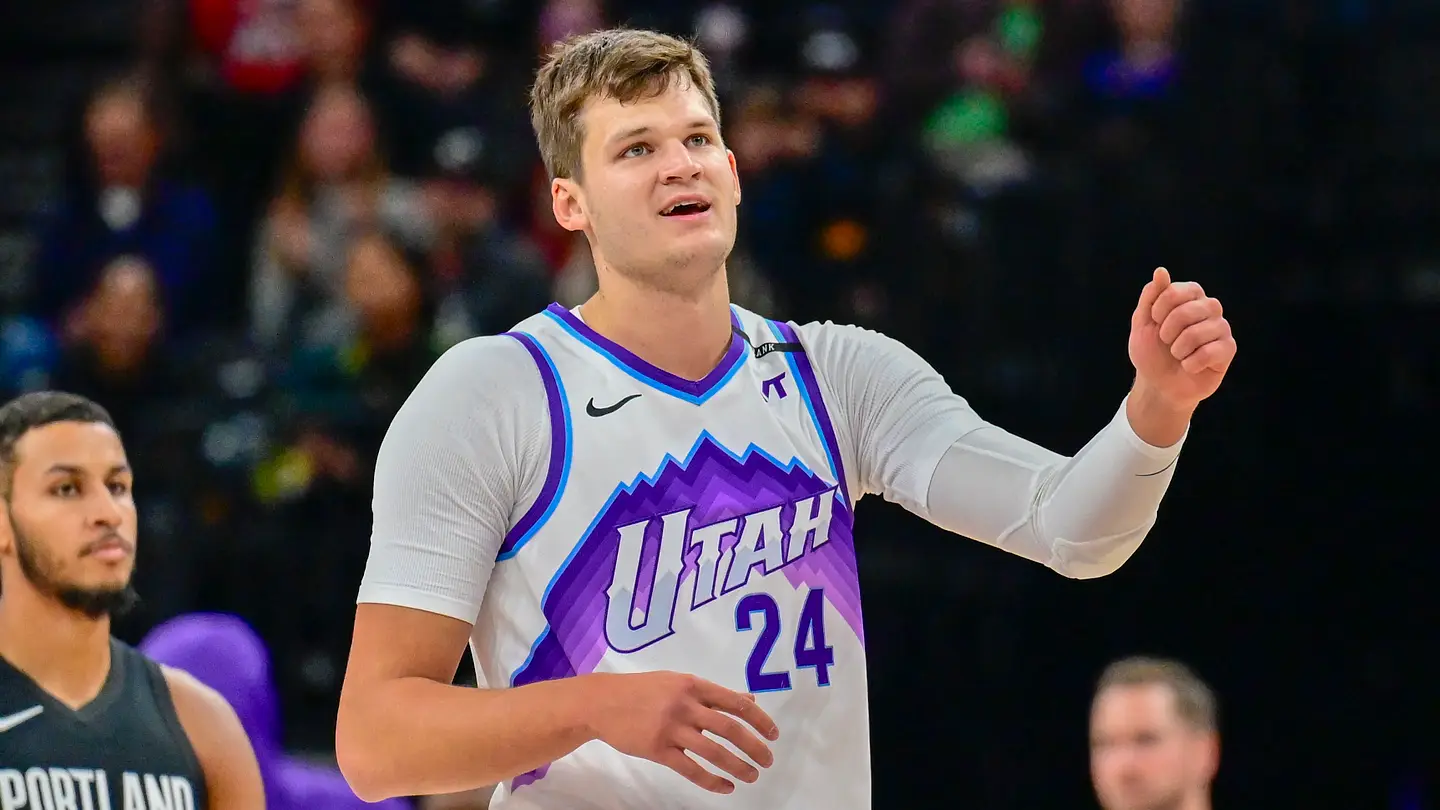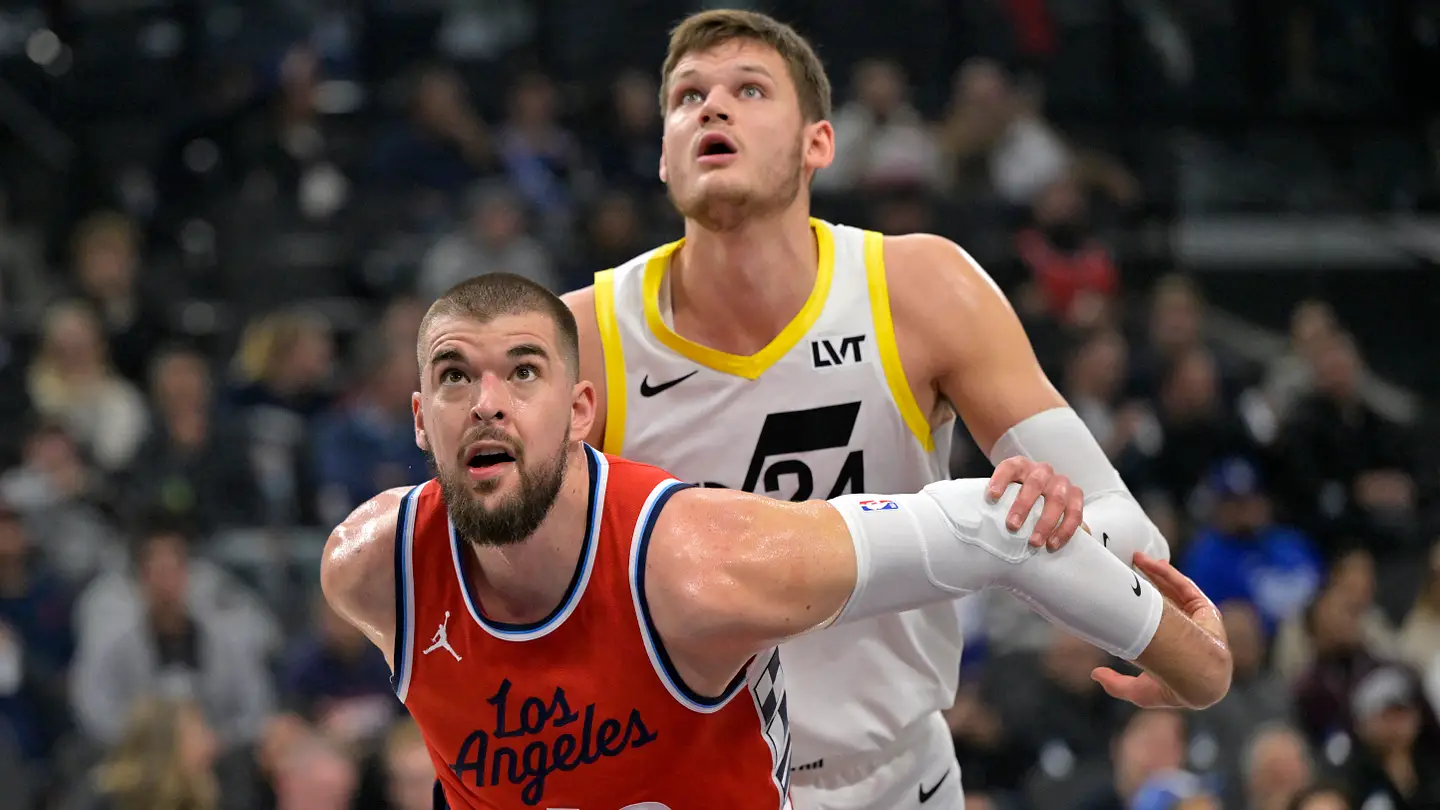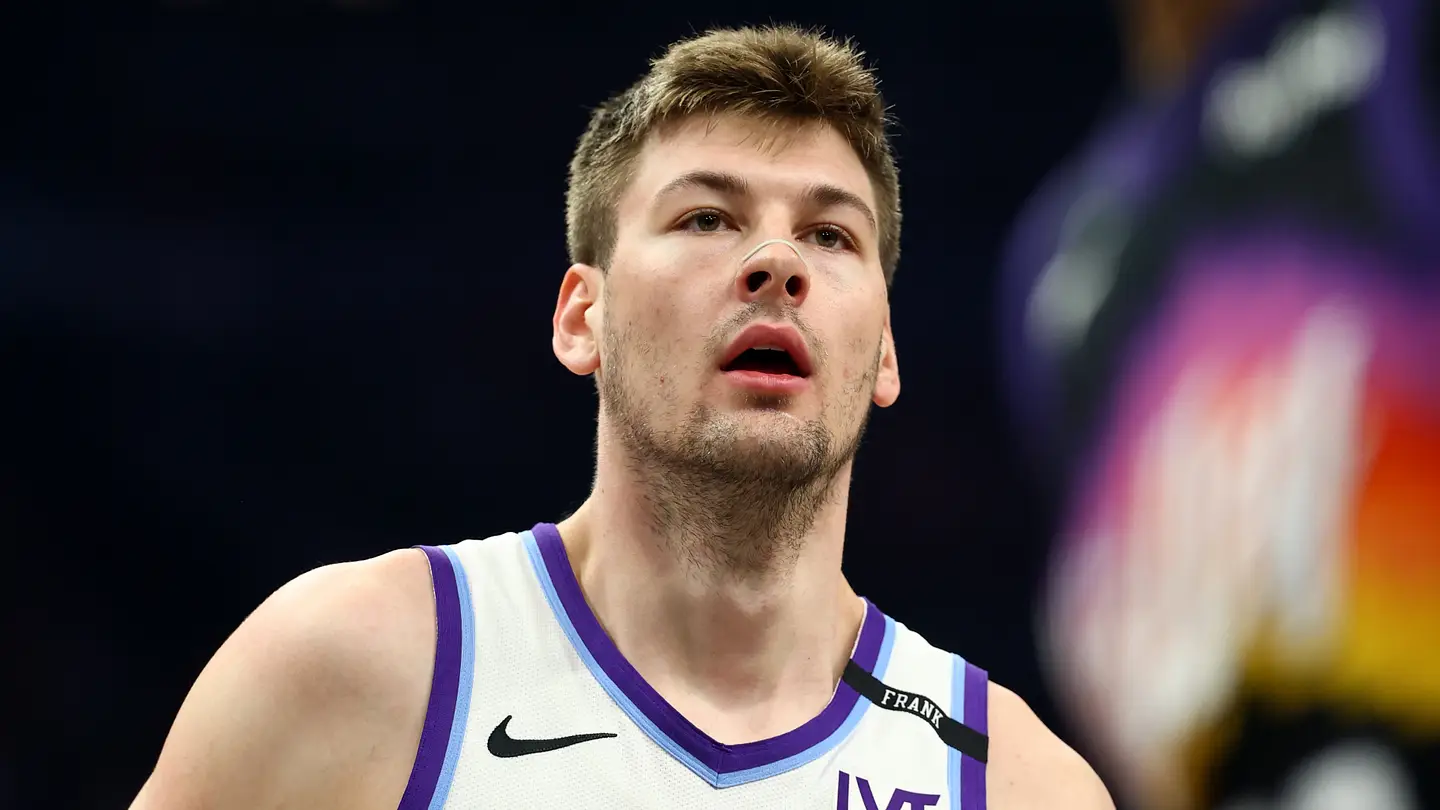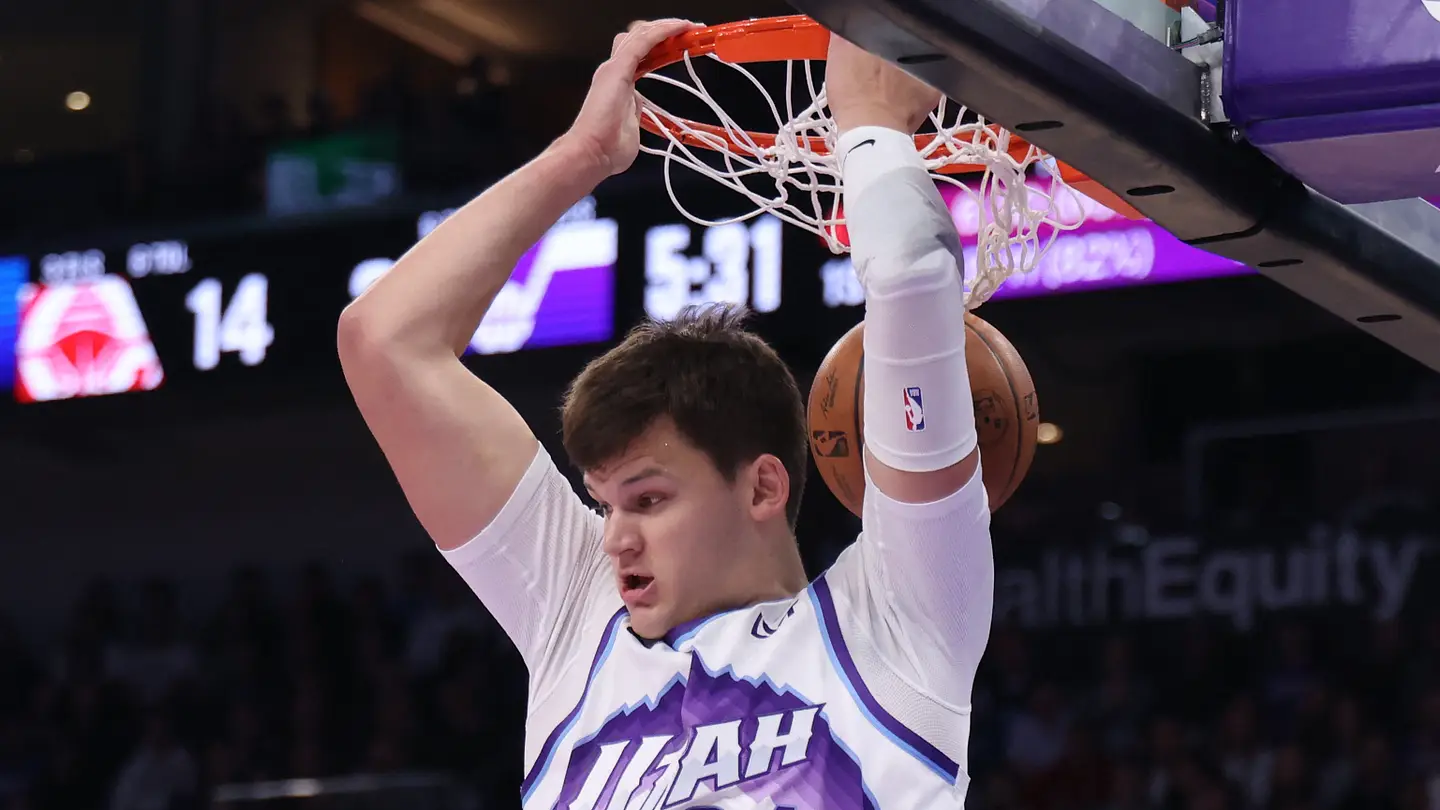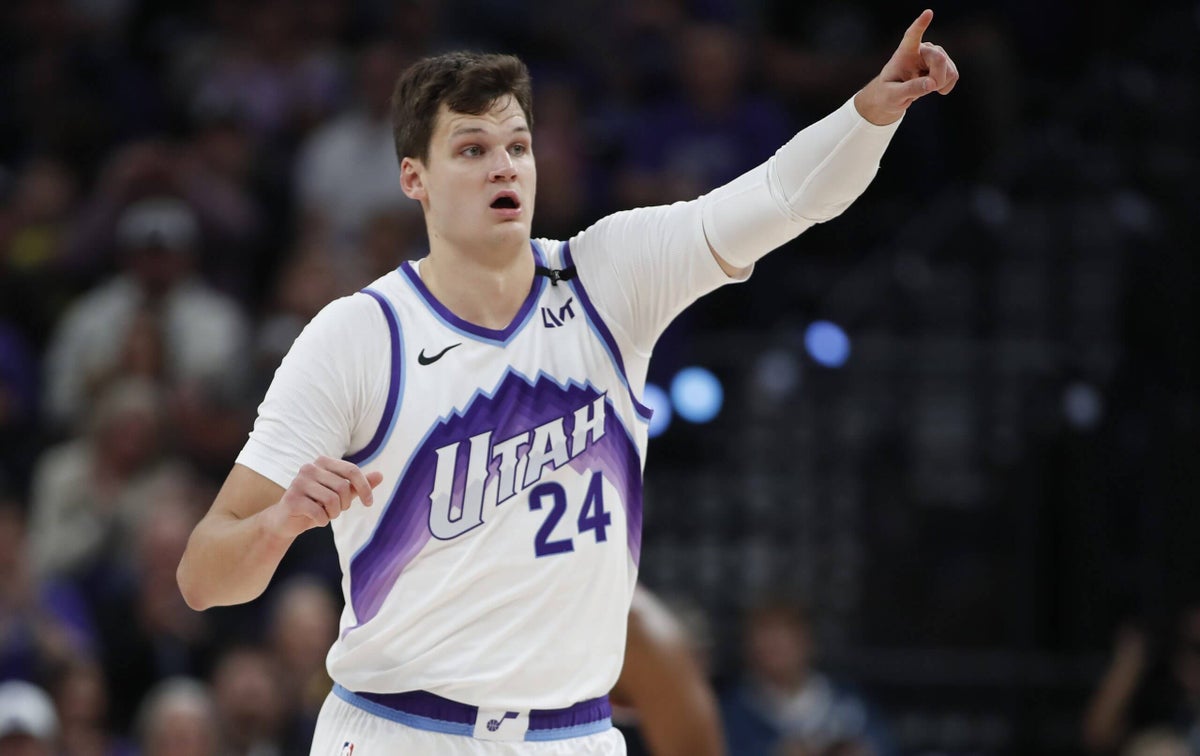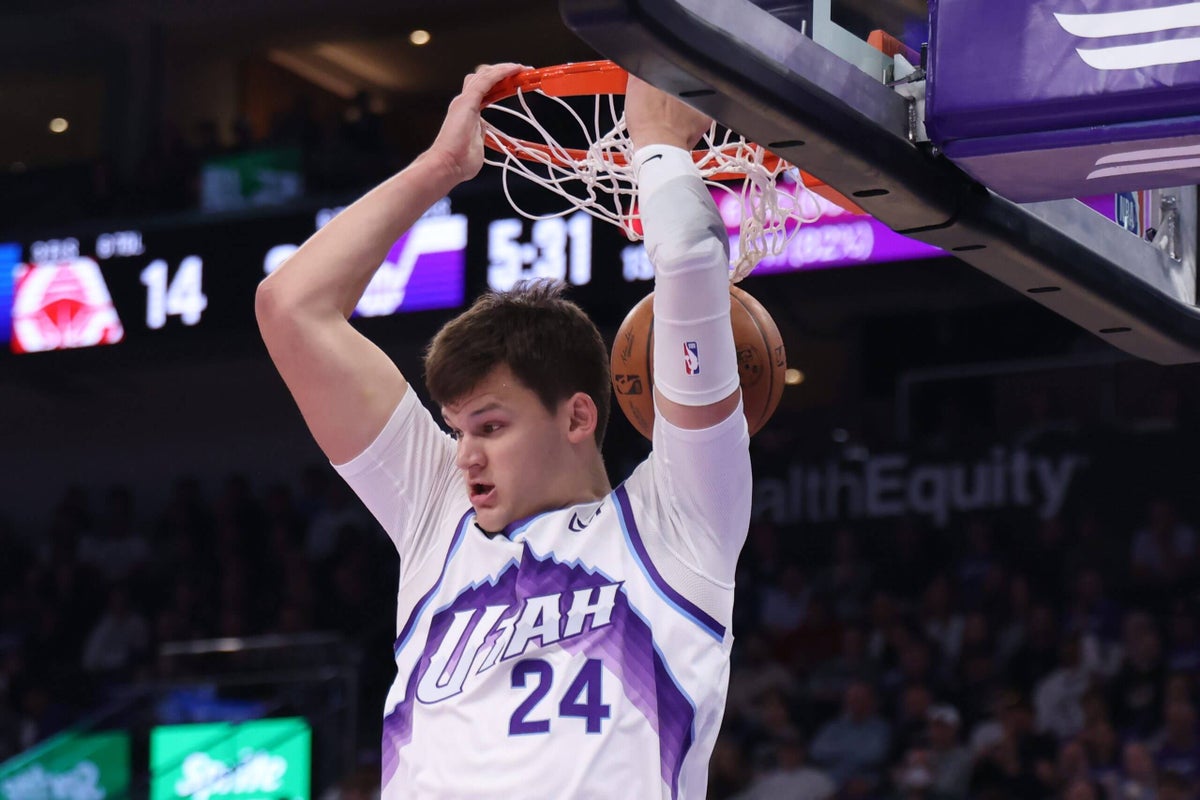
Through two days of NBA free agency, one of the biggest moves has been the Los Angeles Lakers agreeing to a sign-and-trade with the Utah Jazz for Walker Kessler, who will become the team’s starting center next to Luka Dončić and Austin Reaves.The 7-footer agreed to a four-year, $130 million contract with a player option in the fourth season and a 15 percent trade kicker. The Lakers also gave Utah unprotected first-round picks in 2031 and 2033, plus first-round pick swaps in 2028 and 2030. It’s a massive contract and trade package for the Lakers, who don’t have Dončić under contract beyond the 2027-28 season.What exactly are the Lakers getting in Kessler? Let’s scout the rim-protecting, rim-running big man who profiles as a great fit with Dončić and Reaves and analyze whether he’s worth everything L.A. gave up to acquire him.DefenseThe primary reason the Lakers likely chose Kessler over offering a max deal to Detroit Pistons restricted free agent Jalen Duren is that Kessler is one of the NBA’s best rim protectors.He’s the kind of interior presence a team needs if it’s going to employ Dončić and Reaves on the perimeter as primary playmakers. In 2024-25, Kessler’s last full(ish) season, he contested 7.5 shots per game at the rim, according to NBA.com, which tied for the fifth-most in the league. On those shots, he allowed opponents to shoot just 54.8 percent. Among the 16 players in the league to contest at least six shots per game that season, that percentage ranked third behind only Victor Wembanyama and Chet Holmgren, who were the top two finalists for Defensive Player of the Year this season. In the three full seasons he has played, Kessler has blocked at least 2.3 shots per game. Utah largely used Kessler in drop coverage against opposing teams’ ball screens, and that’s how the Lakers will employ him, too. His backpedal in drop coverage for a player his size is incredibly fluid. Because his shoulders are so broad, he takes up a ton of space in the paint and cuts down angles. His footwork is awesome, he’s light on his feet and he can open up his hips easily to recover onto an opposing big when the pocket pass or lob comes. He also does a great job with his hands and contests with either his right or left. He keeps them high and active when required, often playing a cat-and-mouse game with ballhandlers to convince them to shoot or pass.Here’s a play from a game in 2024-25 against the Portland Trail Blazers. Kessler catches an empty side screen involving Anfernee Simons and calmly plays in drop, backpedals smoothly, slides laterally for a stride, opens his hips and tricks Simons to shoot before swatting it away with his left hand.Walker Kessler Play 1 - 12/6/24Sam VecenieThe Jazz have not had particularly good defenders on the perimeter to play with Kessler. Keyonte George got better last season but was a borderline disaster at fighting through screens his first two seasons. Collin Sexton was willing to fight and generally navigates screens well, but when he gets clipped, it’s hard for him to consistently get back into plays. Jordan Clarkson has never been a very good defender and has struggled to get through screens. Those are the three guards Kessler has played the most minutes with in his career by a substantial margin. Given that the Lakers also won’t have the best screen navigators in Reaves, Dončić and Sexton — the latter of whom they agreed to a deal with as a free agent — Kessler’s experience at playing with suboptimal ball-screen defenders will be vital in Los Angeles.By Kessler’s third year, the Jazz experimented with him in different defensive coverages. They felt more comfortable with him sliding his feet out at the level of the screen before recovering. He also started to play more in switch coverages, where he would get isolated on primary ballhandlers and be asked to slow them down. The results were mixed — he did better against wings than guards — but he’s capable when he gets caught on an island.Here’s a great example, when he gets caught on Toronto Raptors’ playmaker Scottie Barnes. You can see how Kessler keeps his feet active and never allows himself to get stuck in the mud, while also simultaneously contesting with his hands and trying to confuse Barnes’ space before getting a piece of the shot.Walker Kessler Play 2 - 3/7/25Sam VecenieKessler is also an outstanding interior rotator. He is constantly talking and pointing to his teammates, captaining the defense well from his position where he can see the play develop. He calls out switches and actions well, recognizing them early. He is timely and does a great job taking up space inside before rotating where he needs to go with anticipation, while also not taking himself totally out of rebounding position. The Jazz consistently rebounded better on the defensive end with Kessler on the court versus when he was off, and he does a good job boxing out before high-pointing the ball.I’m a complete buyer on Kessler’s defense. He does the most important thing on the court defensively at an elite level, which is protecting the rim while making the easiest shots not so easy. He’s not the most versatile defender, but he displays enough upside that I think Lakers coach JJ Redick can get use different coverages, even if drop will likely be the team’s base ball-screen strategy.I would bet that Kessler makes at least one All-Defensive team with the Lakers. He could be an All-Defensive team member for the next few years if he stays healthy, though I’m more comfortable calling him a great defender at the center position as opposed to a truly elite one. He’s not quite the Rudy Gobert-level one-man show, where employing him will mean the Lakers almost automatically have a top-10 defense. The Jazz were about 2.5 points per 100 possessions worse than league average with Kessler on the court, largely because of the dearth of positive defenders they surrounded him with. But they were nearly six points per 100 possessions worse than league average during his time in Utah when he was off the court.I rate Kessler ahead of the Cleveland Cavaliers’ Jarrett Allen and the Milwaukee Bucks’ Myles Turner as overall defenders. His ceiling is higher than that of Oklahoma City Thunder big man Isaiah Hartenstein. Kessler is a significant positive on defense.OffenseKessler doesn’t bring as much value on offense, but he’s still a useful player on that end, largely because of his effort.First, he’s an excellent screener. He takes great angles to make it hard for defenders to fight through his broad frame, and he takes pride in his timing and synergy with ballhandlers. He’s also excellent in dribble-handoffs, making decisions on when to flip the ball while simultaneously ensuring he makes contact with the defender to get separation for his ballhandler.Here’s a prime example from early last season, when Kessler sets a high ball screen for George, who is being guarded by one of the league’s best perimeter defenders in Portland’s Toumani Camara. Look at how wide Kessler sets his base and how he sets his angle so Camara can’t avoid the contact. Then Kessler rolls to the rim, catches the pocket pass below his waist and gets fouled.Walker Kessler Play 3 - 10/29/25Sam VecenieKessler was at his best as a scorer either out of ball screens or in the dunker spot. In screens, he has great hands and catches the ball below his waist on the move or above his shoulders for a lob. He can be a lob threat who picks and chooses his spots well, as he finished sixth in the league in dunks per game during the 2024-25 season. Kessler should find good synergy with Dončić, who values a true rim-runner. Kessler’s timing in the dunker spot is also strong. As soon as his man peels off to help at the rim after penetration, Kessler goes straight to the rim and is ready to catch and finish. I would expect Kessler to finish in the top five of the league in dunks per game, with Dončić and Reaves regularly feeding him easy shots at the rim.Kessler is also a walking extra possession, having led the NBA in offensive rebounds per game in 2024-25 at 4.6. He was first in the league in offensive rebounding rate in 2024-25 and fourth during his rookie season in 2022-23. Kessler does an excellent job reading the ball off the glass and working his way into position. His lightness on his feet stands out here, as he gets off the ground quickly and has a great second jump.Here’s a prime example from a game early last year against the Phoenix Suns, where you can see him quickly read how the ball is going to come off the rim, swim around Mark Williams and get an easy put-back.Walker Kessler Play 4 - 10/27/25 (1)Sam VecenieKessler was also starting to show some significant passing ability early last season in Utah. He dished out four assists in three of the five games he played and had nearly doubled his assist rate from his second season to his third season. He’s not a great passer on the move necessarily, but his basketball IQ in dribble-handoff situations stands out. He recognizes how defenses are playing in coverage, then makes his decisions quickly with rejects or flip passes before screening.He also started to act as a hub last season at the top of the key and showed some impressive vision in high-low situations and off teammates cutting to the rim. In this clip against the Suns, he flashes high to catch the pass and recognizes immediately that George has found Grayson Allen overplaying him. George backcuts instead of accepting the screen for a middle Chicago action from Brice Sensabaugh that would have led into a dribble-handoff. Kessler sees it and pinpoints a beautiful bounce pass to George for an easy layup that needed to be directly on target.
What will Walker Kessler bring to the Lakers, and is he worth the price?
Kessler is an elite rim protector with a limited offensive repertoire and a spotty health record. L.A. needs him to maximize his potential.
2,549 words~12 min read