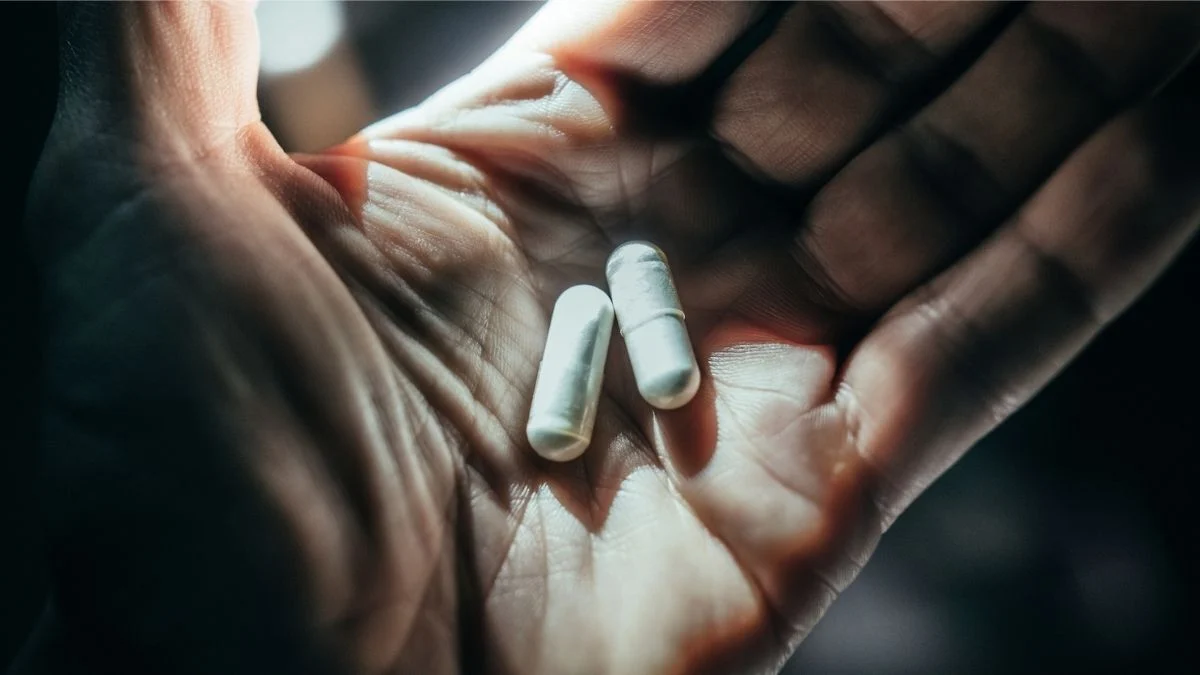
Cheap daily supplements are changing how scientists view the gut and its connection to the brain.In 2024, a rigorous twin study published in Nature Communications found that taking daily protein and prebiotic supplements can improve memory test scores in people over age 60.The study has been cited nearly 100 times since, and the idea has inspired whole new clinical trials investigating how some supplements may protect against dementia.Later that year, scientists at Wageningen University in the Netherlands launched the PRECODE clinical trial, which stands for Gut-brain Health Effects of PREbiotics in Older Adults With Suspected COgnitive DEcline.It's the first human study to investigate the combined cognitive and microbial effects of three distinct dietary fibers: chicory inulin, resistant dextrin, and seaweed polysaccharide, compared to a placebo (maltodextrin).For 26 weeks, participants over 60 have consumed these dietary fibers twice a day, mixed into water, tea, or coffee, and they have had regular brain scans and cognitive tests to track how they are faring. We'll know more in 2027 when the trial finishes.Inulin, a dietary fiber in the fructan class, is the same dietary supplement that proved so good for the brain in that first 2024 twin study.Watch the video below for a summary of the 2024 study:During that double-blinded trial, researchers tested two inexpensive plant-fiber prebiotics that are available over the counter in many countries.The other, fructooligosaccharide (FOS), is a plant carbohydrate often used as a natural low-calorie sweetener.To look into how these supplements affected the aging brain, researchers at King's College London enrolled 36 pairs of twins, all at least 60 years old.Each duo was randomly split: one twin received a daily prebiotic mixed into protein powder, while the other received a placebo powder.The twins who unknowingly took inulin or FOS generally scored higher on a cognitive test three months later.What's more, the daily fiber supplements were linked to subtle changes in the gut microbiome between twins.The beneficial Bifidobacterium, for instance, was more plentiful in those taking inulin or FOS.Studies on mice suggest that Bifidobacterium reduces cognitive deficits by regulating gut-brain connections."We are excited to see these changes in just 12 weeks. This holds huge promise for enhancing brain health and memory in our aging population," said Mary Ni Lochlainn, a geriatric medicine researcher at King's College London, when the findings were published in 2024."Unlocking the secrets of the gut-brain axis could offer new approaches for living more healthily for longer."King's College London (KCL) is home to the UK's largest adult twin registry, and twin studies are highly valuable when it comes to differentiating between the effects of genetics and the environment on human health.The microbes in each person's gut make up their individual microbiome. (Science Photo Library/Canva)Past studies on rodents suggest that high-fiber supplements, such as inulin and FOS, can 'feed' the colon's microbiome, allowing 'good' bacteria to thrive.Some of these bacterial players are also linked to improved cognitive function in both mice and humans.Evidence for the close relationship between the gut and the brain is growing year after year. Some experts are now so convinced by the results that they refer to the gut as the body's 'second brain'.But the way these two nervous systems work together remains a mystery.
Cheap Daily Supplements May Boost Brain Functions in Older People
Cheap daily supplements are changing how scientists view the gut and its connection to the brain.
785 words~4 min read