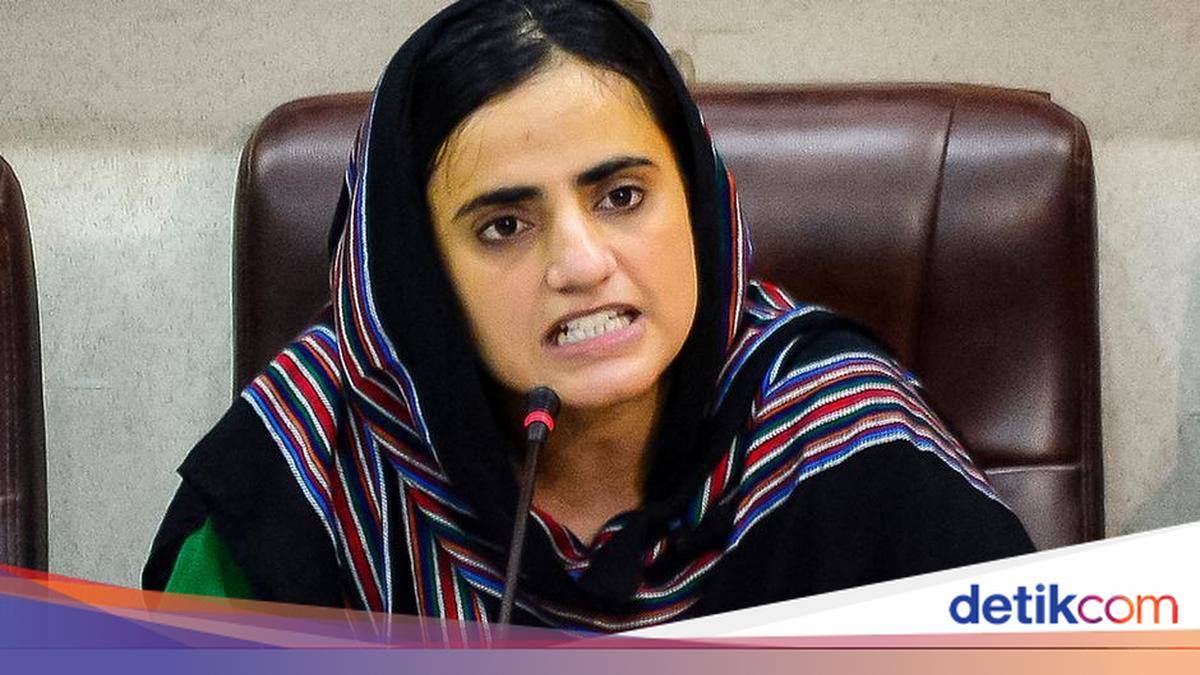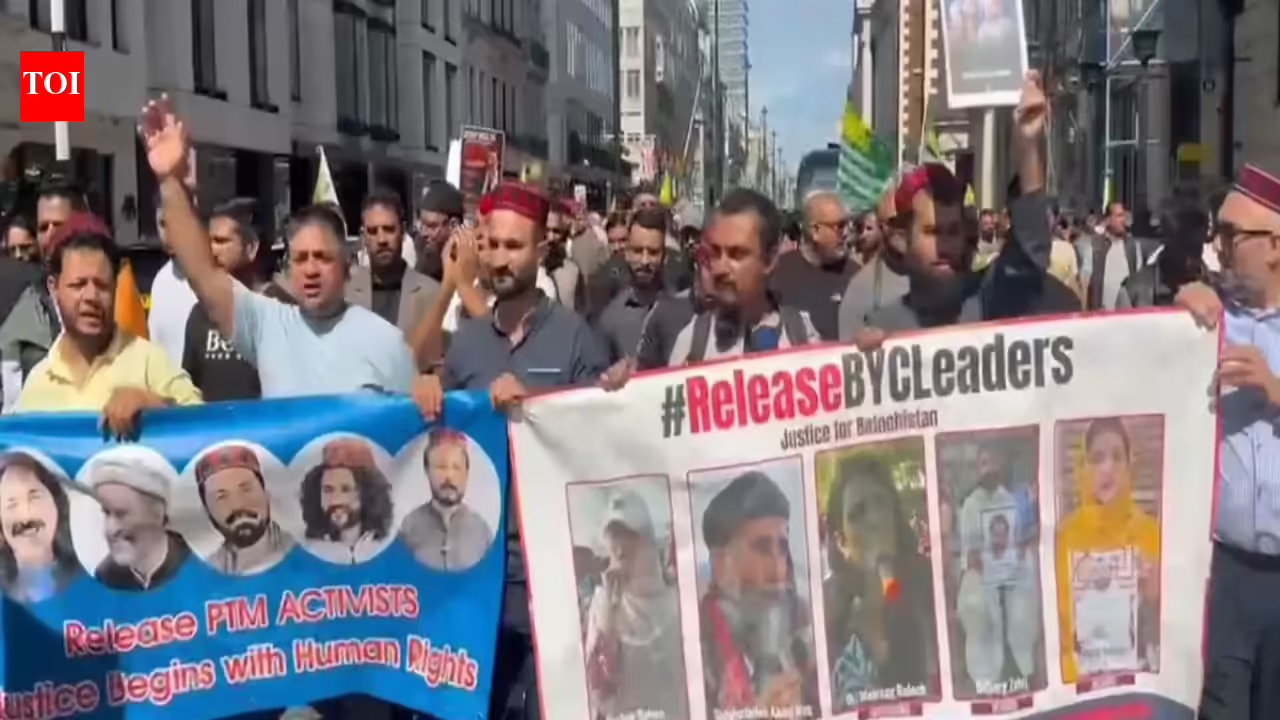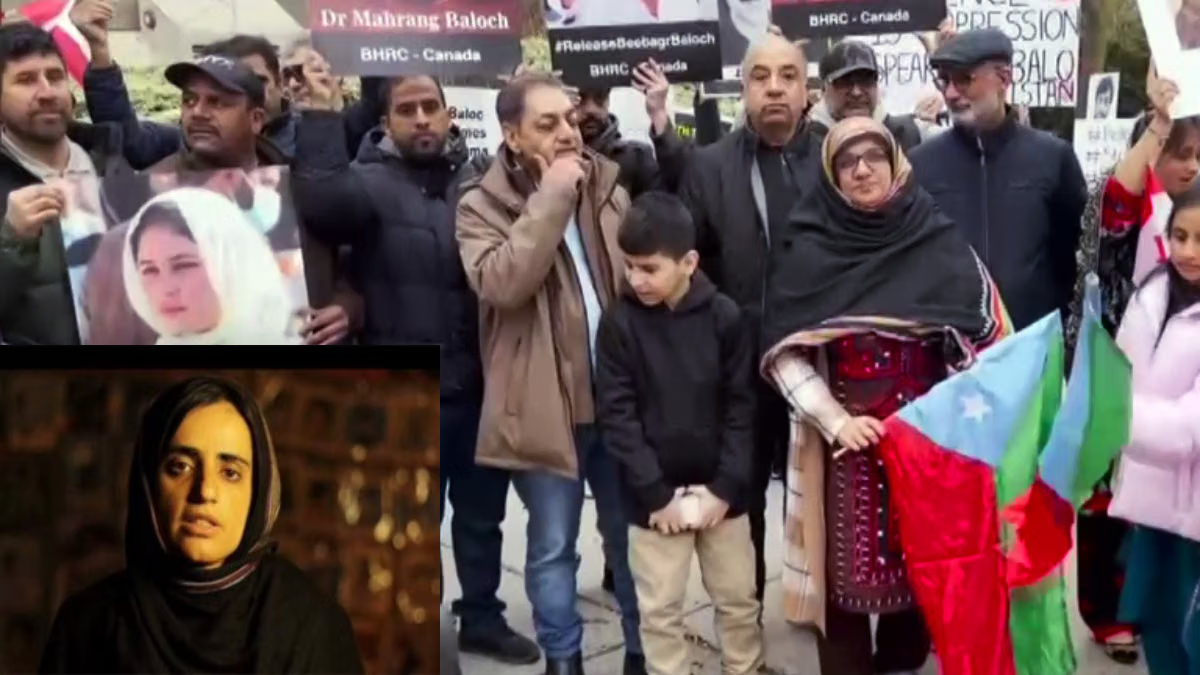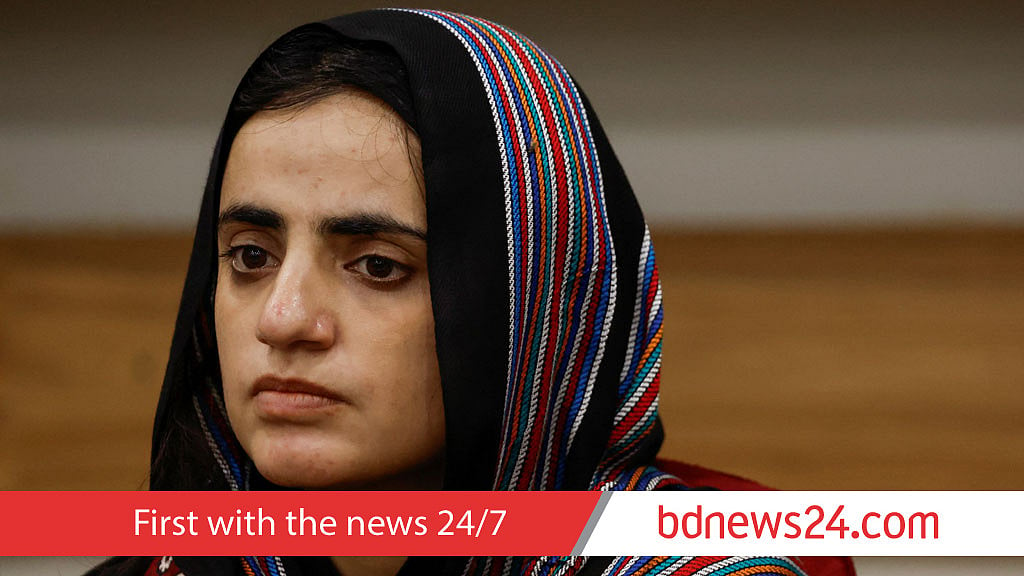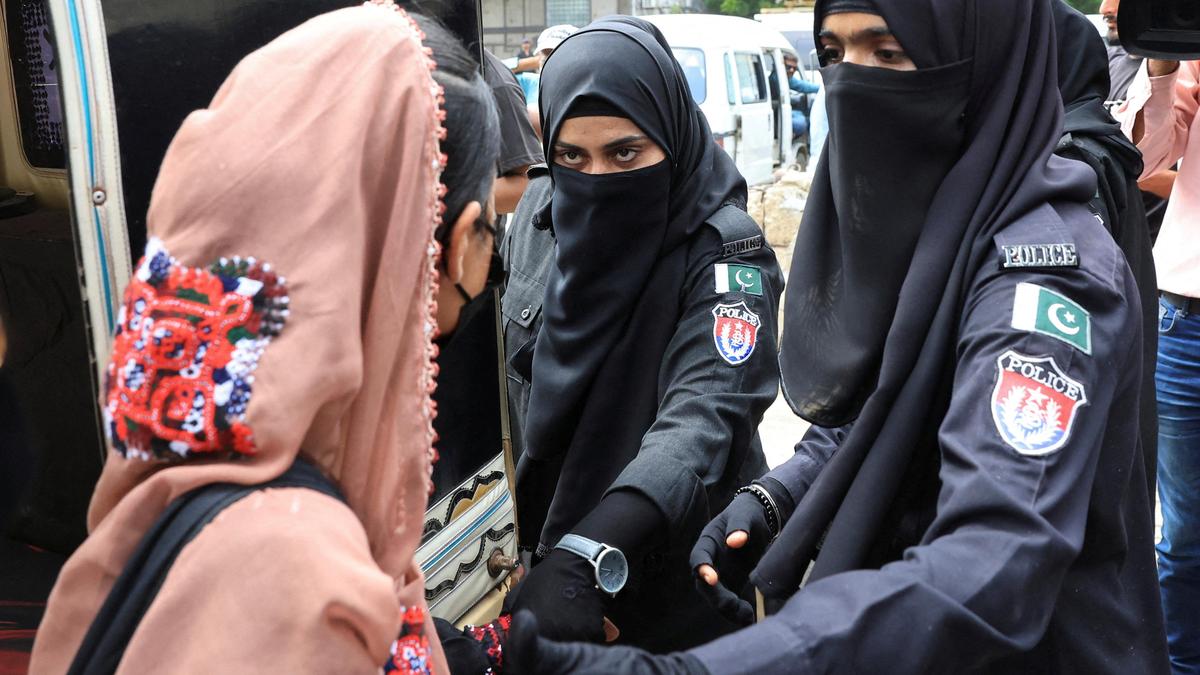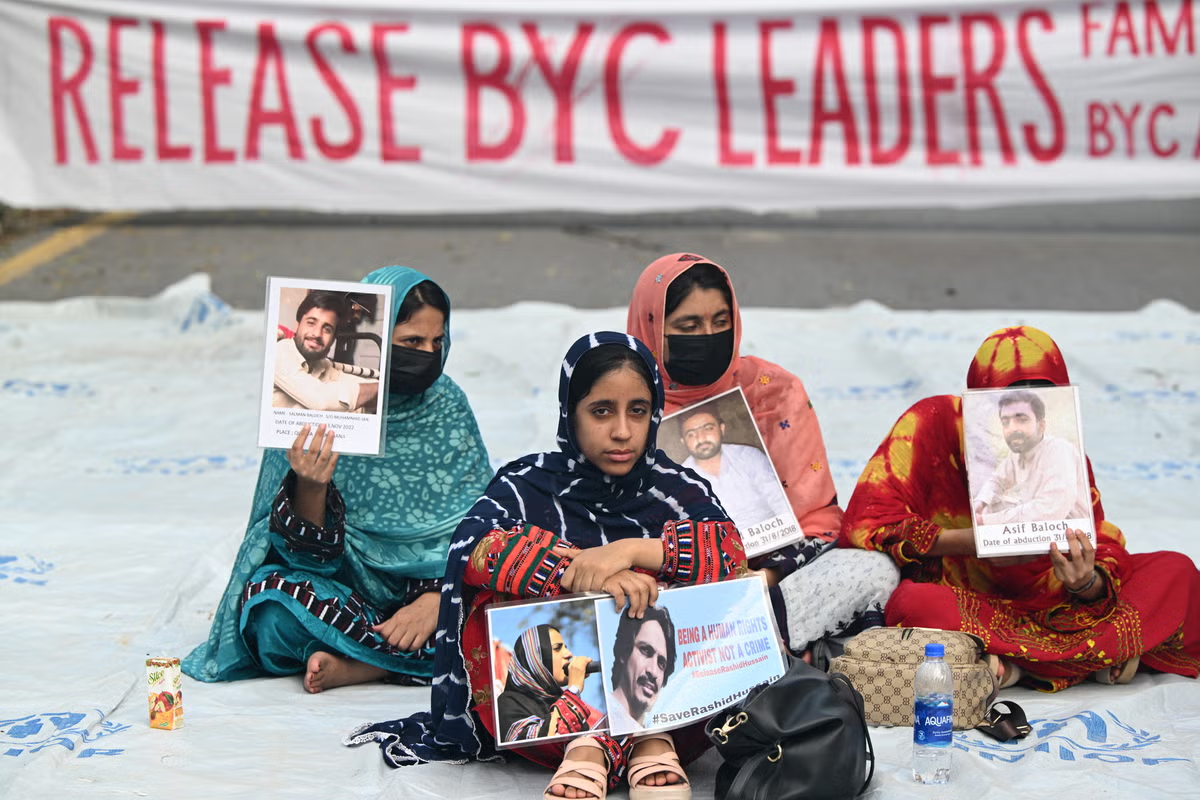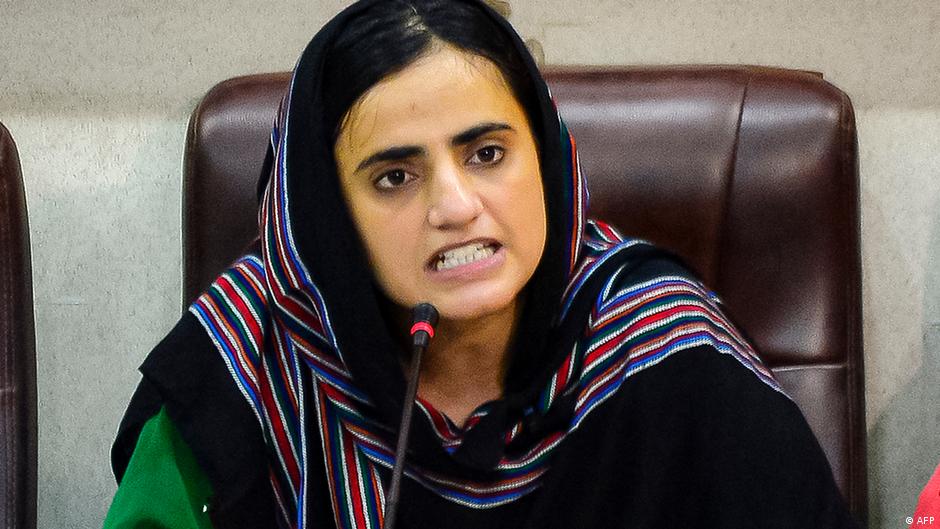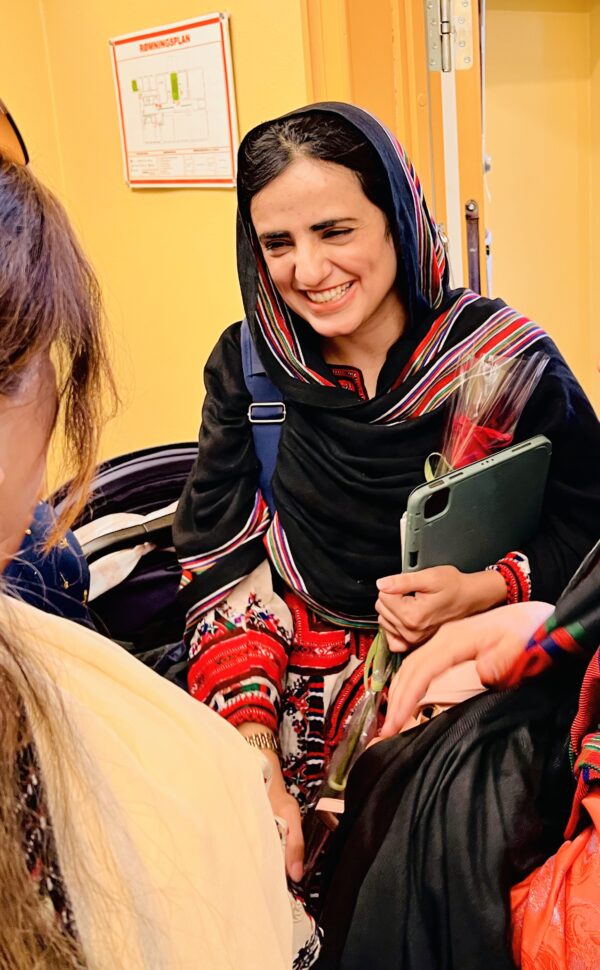
On June 25, an Anti-Terrorism Court (ATC) sentenced Dr. Mahrang Baloch, a Baloch rights activist and the founder of the Baloch Yakjehti Committee (BYC), to life imprisonment over the killing of a paramilitary soldier during the July 2024 protest in Gwadar. She and another BYC activist, Sibghatullah Shahji, have been convicted of murder and terrorism. Both Baloch and Shahji boycotted the trial, which was moved from an open court to Quetta’s Huda Central Jail, and was conducted via video link.
Both denied the charges against them. Their lawyers will challenge the ATC’s verdict in the Balochistan High Court (BHC).
Although the Balochistan government upholds that the trial was fair and the prosecution furnished sufficient evidence to prove the charges against Mahrang, legal and rights bodies, including Amnesty International, have called it a sham for the in-camera proceedings.
Nevertheless, Mahrang’s conviction marks an inflection point in Balochistan’s troubled relationship with Islamabad, with far-reaching implications for the restive province’s fractured politics and security. This decision vindicates three fundamental realities confronting the Pakistani state in Balochistan.
First, as much as the state wants to downplay it, enforced disappearances remain the single most critical issue of the Baloch conflict. No amount of obfuscation, media censorship, legal intimidation and accompanying propaganda of terming the BYC as a foreign-sponsored entity will change the ground facts. In fact, such verdicts will make these troubling realities even more prominent. Instead of weakening the BYC’s movement, such counterproductive steps will further increase public anger in Balochistan.