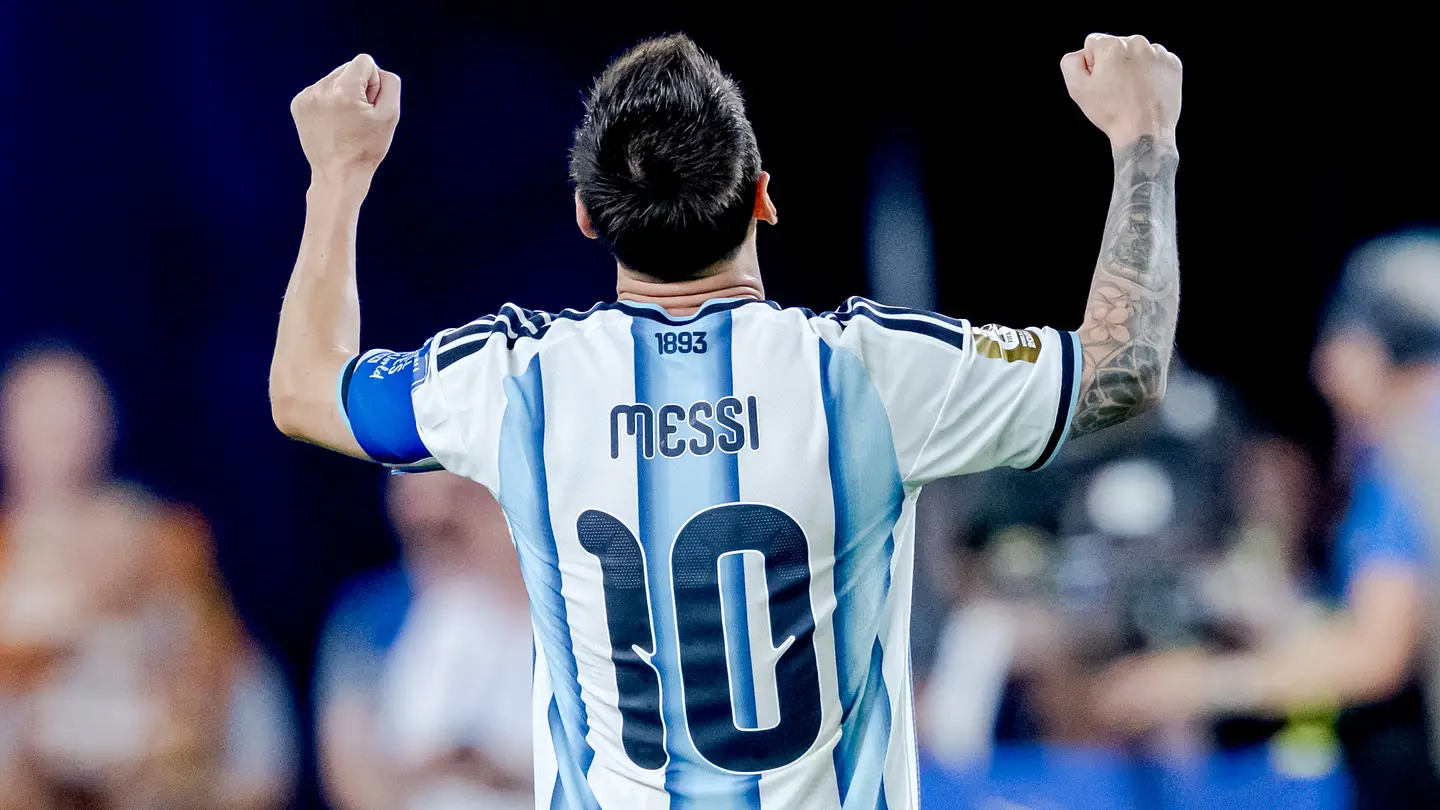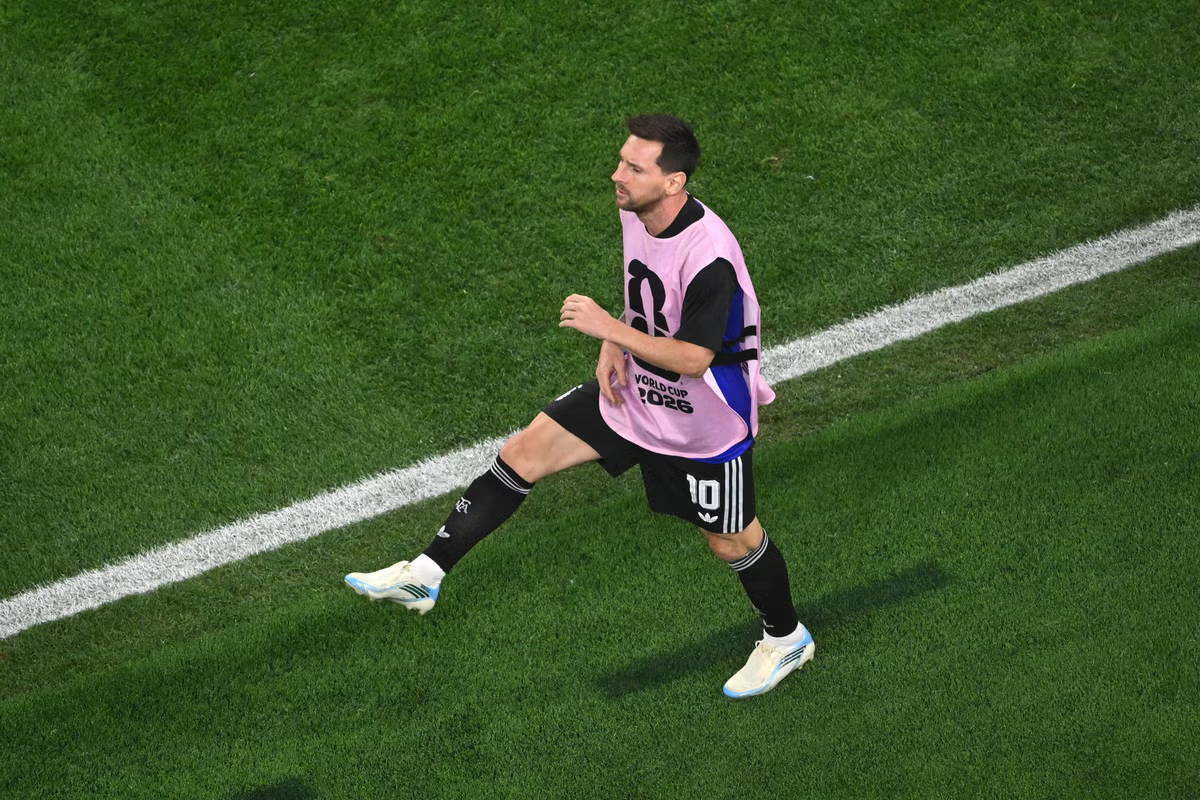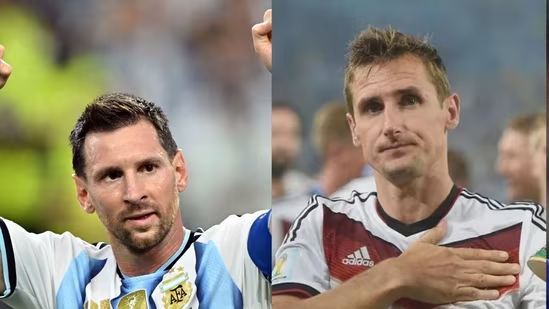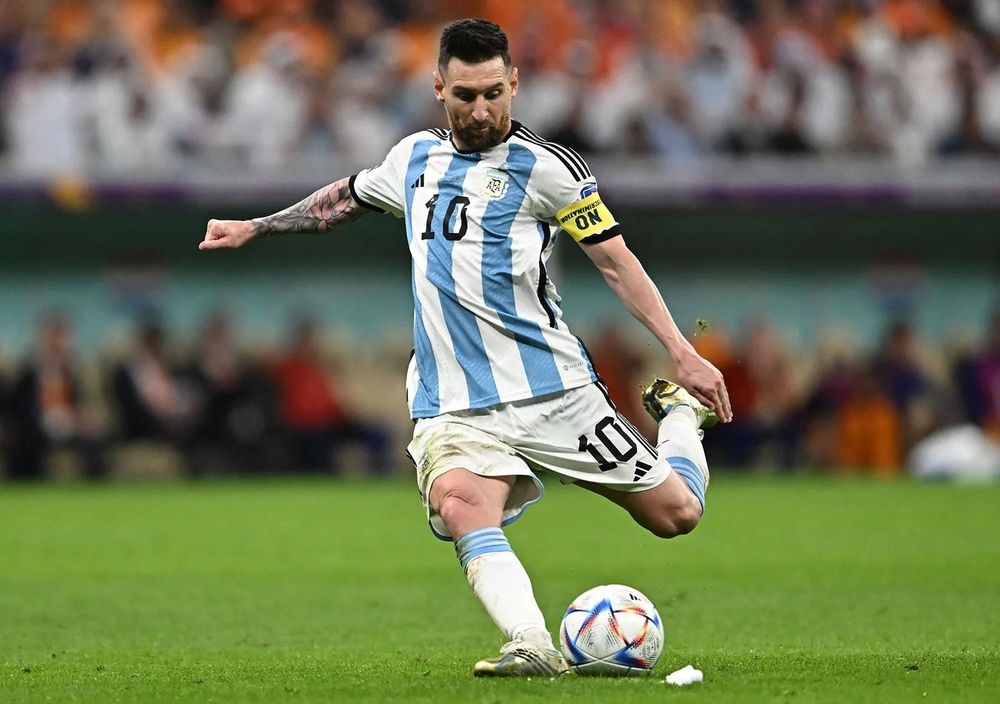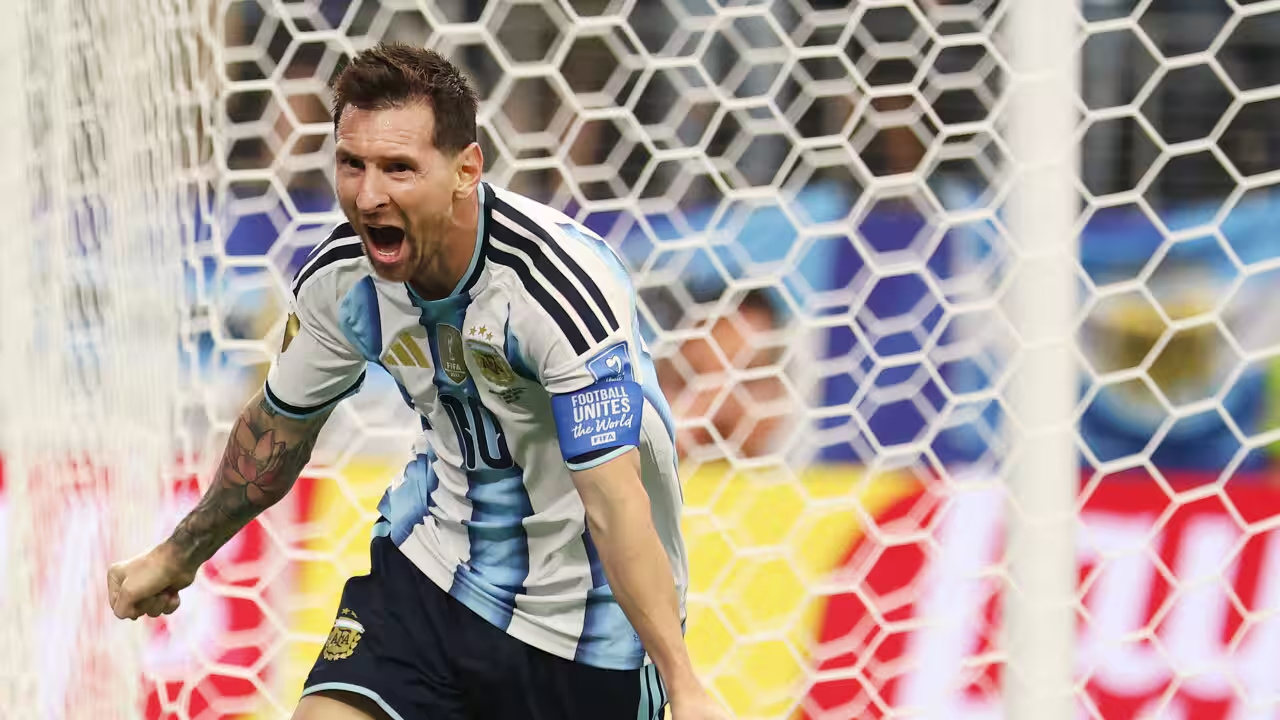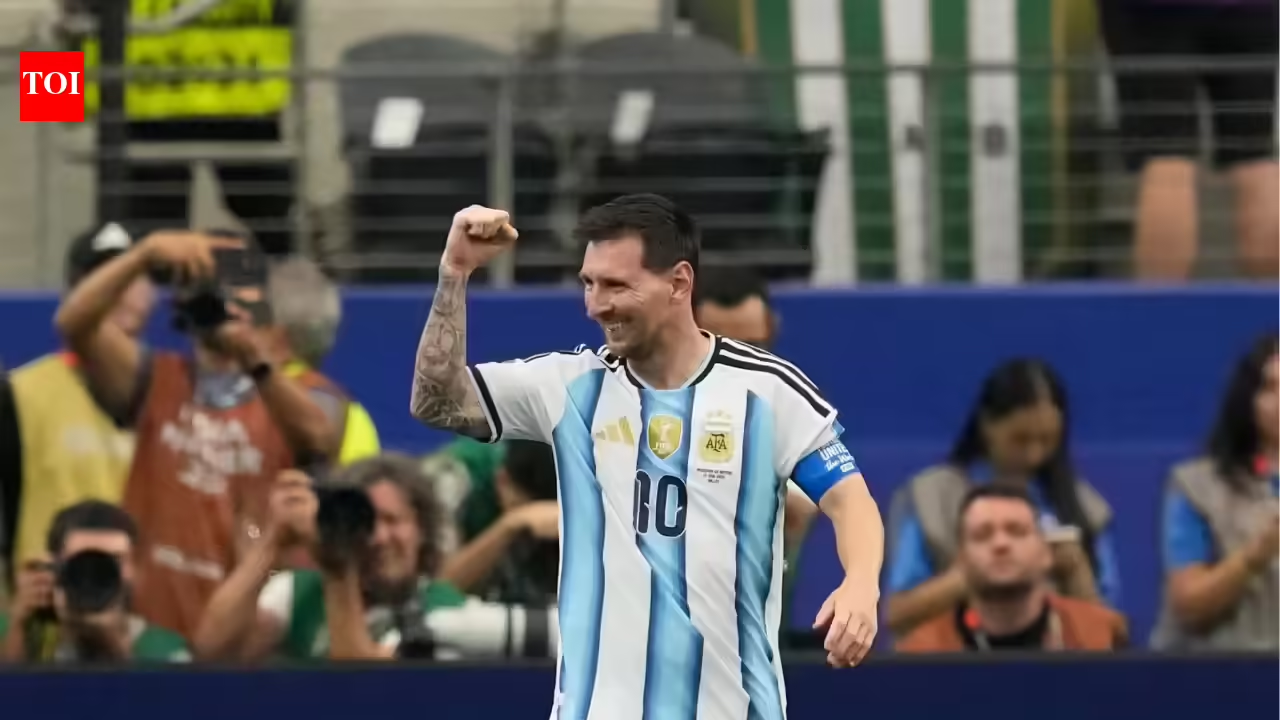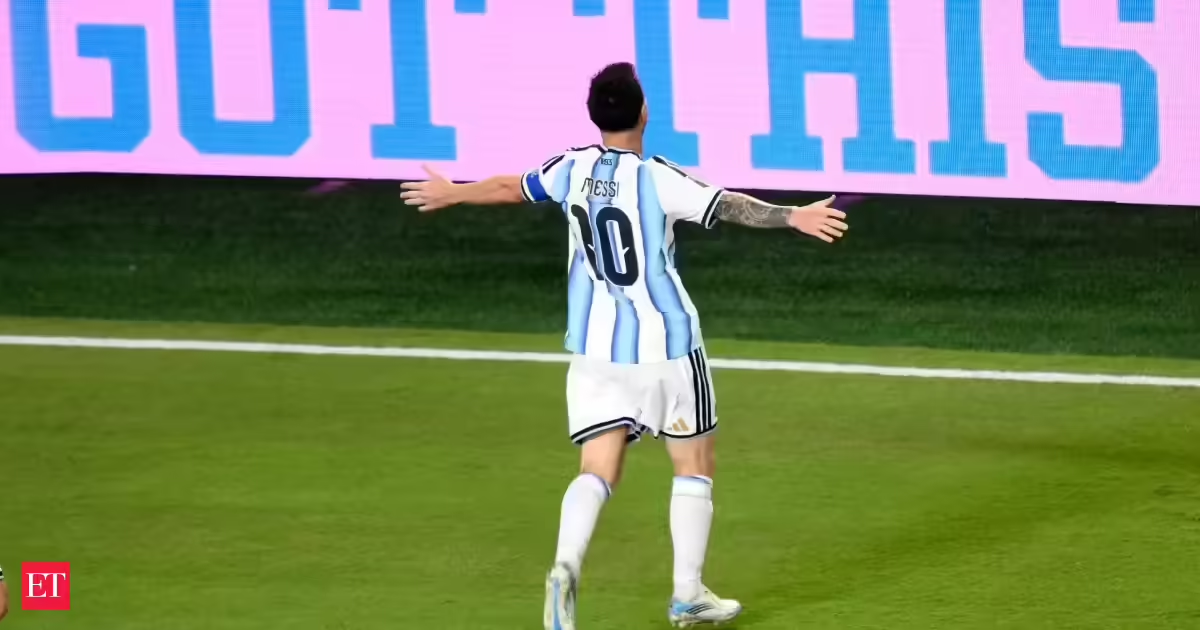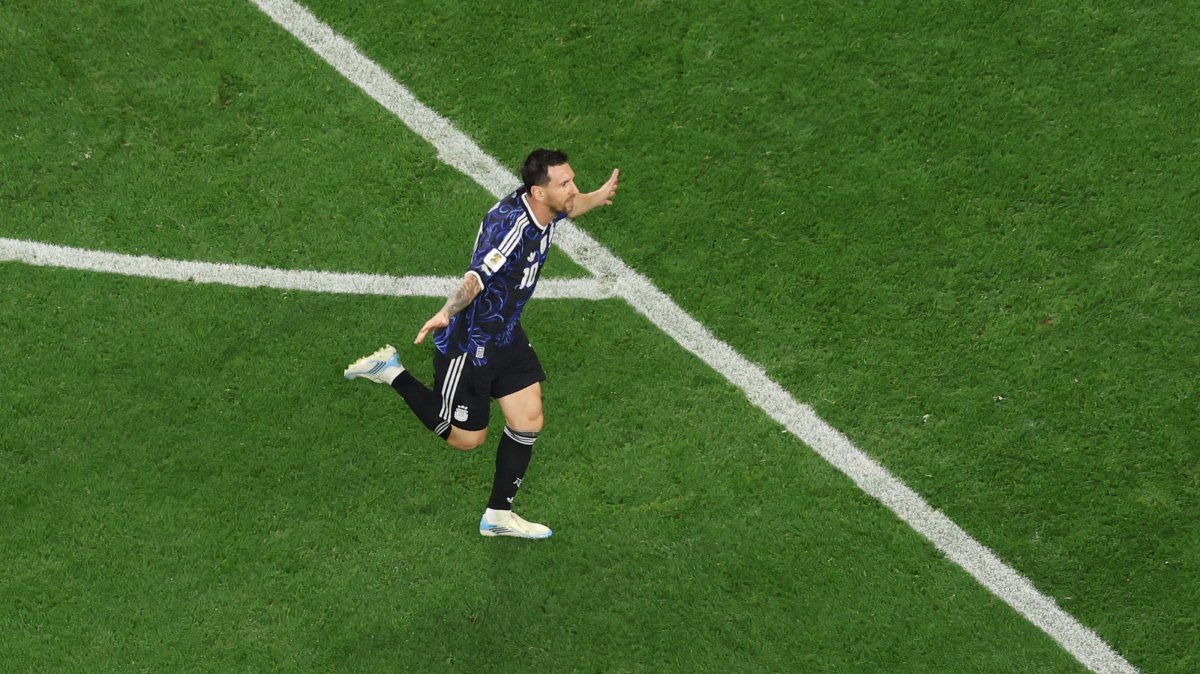
Lionel Messi did not just rewrite the record books at this World Cup. He rewrote what we thought was possible for a 38-year-old footballer still performing at this level. After opening the tournament with a hat trick against Algeria, Messi scored twice more against Austria to become the outright all-time leading scorer in men's World Cup history, surpassing Miroslav Klose's record of 16 goals to reach 18. Five goals in two games. At 38. At a World Cup.
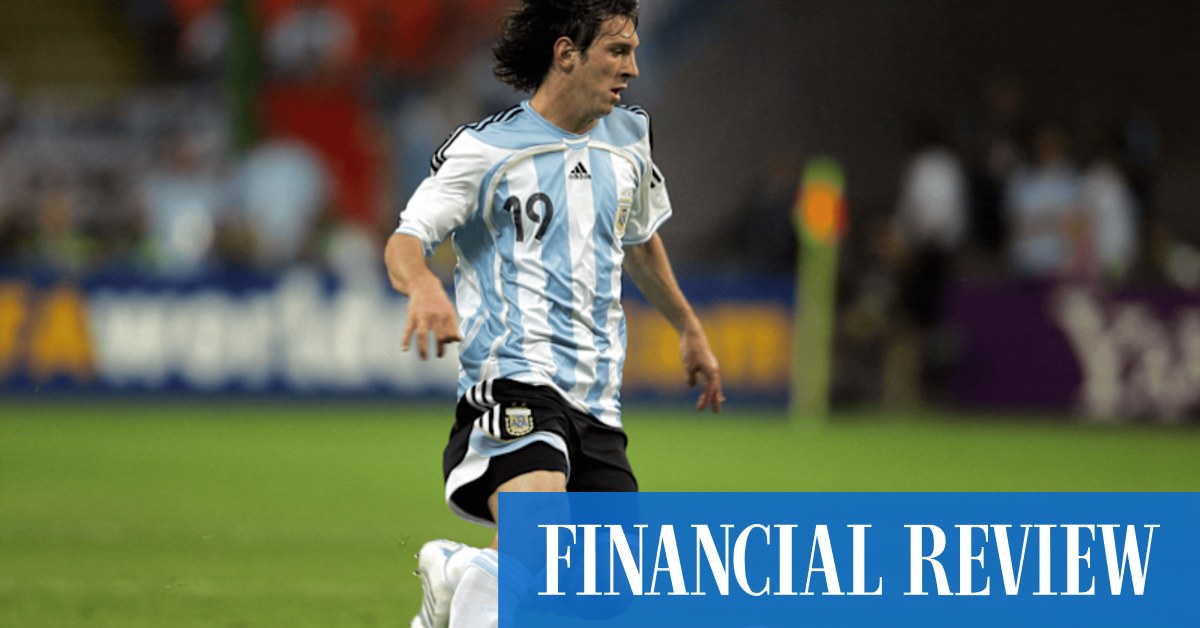
Messi's second goal against Austria came deep in stoppage time, when he outfoxed four defenders to seal a 2-0 win and send Argentina into the knockout rounds with a game to spare. This is not a player living off his reputation. This is a player still making the decisive contribution when it matters most. He now holds the record for most goals in World Cup history across men's and women's football combined. His World Cup journey began 20 years ago when an 18-year-old came off the bench and scored against Serbia and Montenegro. Two decades later, he is still the most important player on the pitch.
A career unlike any other
To understand just how far Messi has come, it helps to remember where he once was. In June 2016, after Argentina lost the Copa America final to Chile on penalties for the second year in a row, a tearful Messi stood before the cameras and said: "For me, the national team is over. I've done all I can. It hurts not to be a champion." At the time, despite five Ballon d'Or awards, four Champions League titles with Barcelona and every major club honor the game had to offer, the one thing that seemed out of reach was a trophy with Argentina. It had been four major finals and four defeats. The criticism was relentless. Too quiet. Too passive. Not a leader. Not Maradona.