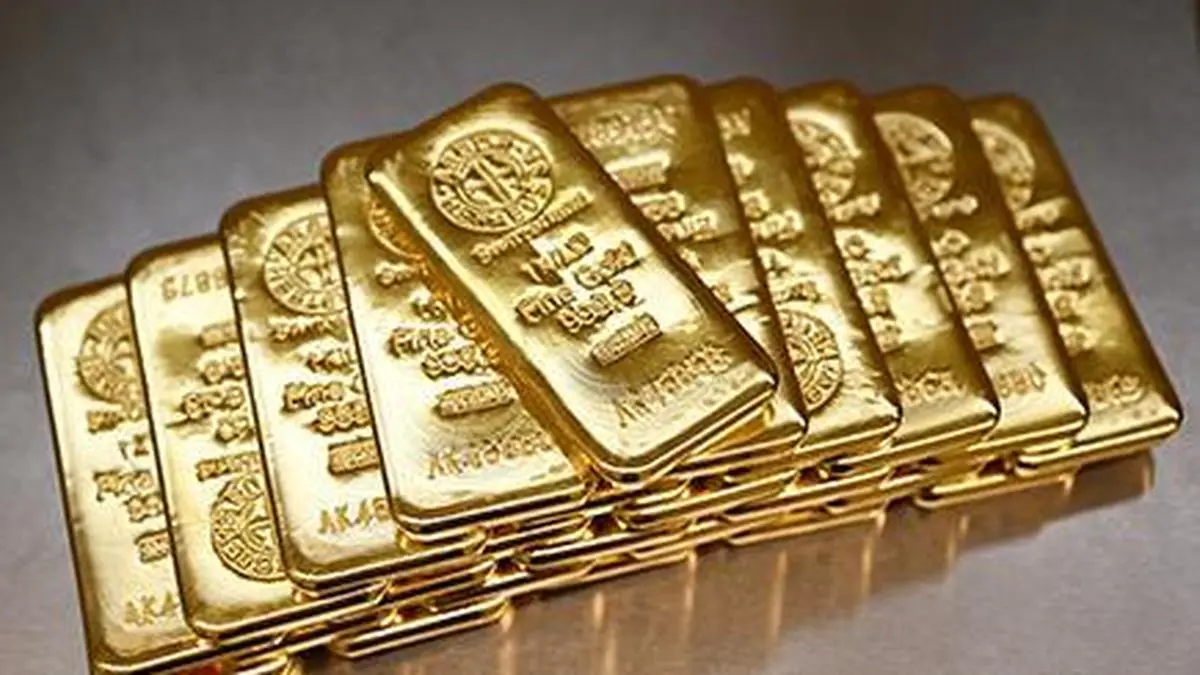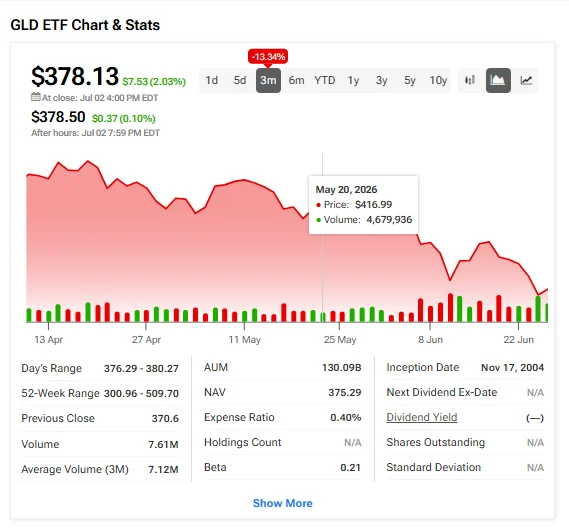
After booking 2025 as one of the best years in history, gold concluded the first half of 2026 around 7.5% in the red. The metal left investors weighing whether it’s preparing for another leg higher or settling into a prolonged consolidation phase.
Early on, gold’s rapid ascent accelerated amid heightened geopolitical risk, but then the U.S.-Iran conflict sent realized volatility above 50%. Although volatility has since eased below 30%, it remains above its long-term average.
“There’s pressure on gold because people are not seeing much light at the end of the tunnel,” Marex analyst Edward Meir said, according to CNBC, referring to the macroeconomic fallout from the Middle East conflict.
With war-driven inflation and surging energy prices, the market had to adjust to higher interest rate expectations. Rising yields and a stronger dollar weigh on non-yielding assets.
Even so, the recent correction left gold ahead of many traditional asset classes over the past 12 months. While the metal is on course for its weakest quarterly performance in 13 years, its longer-term performance suggests investors continue to view it as an effective hedge against geopolitical risk and macroeconomic uncertainty.