Show Caption
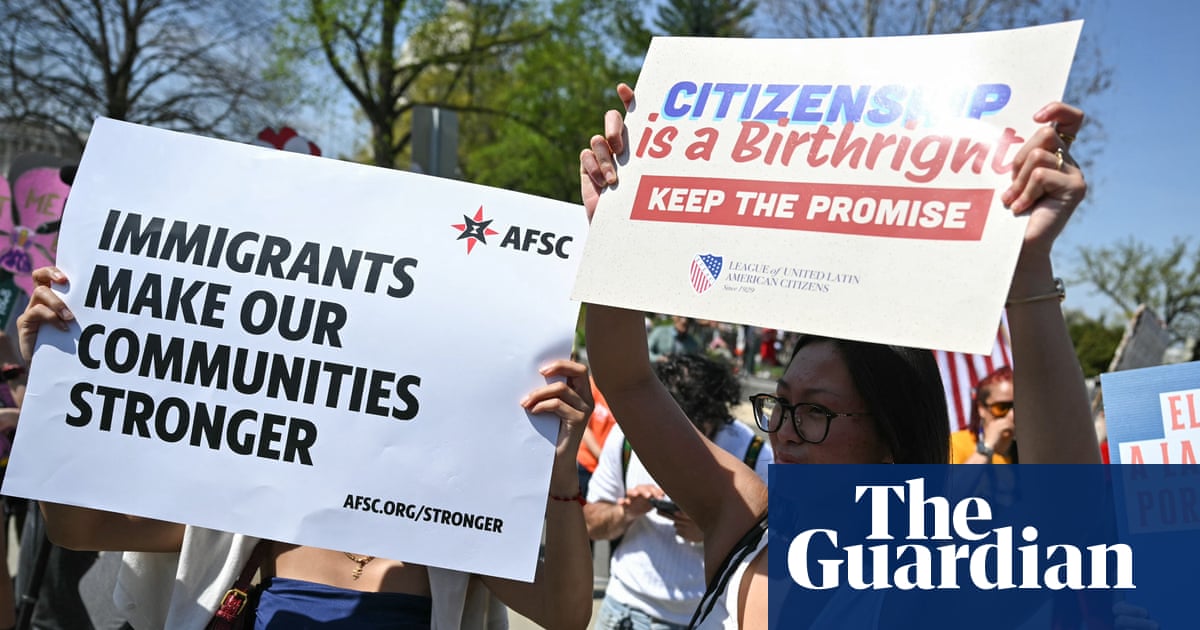
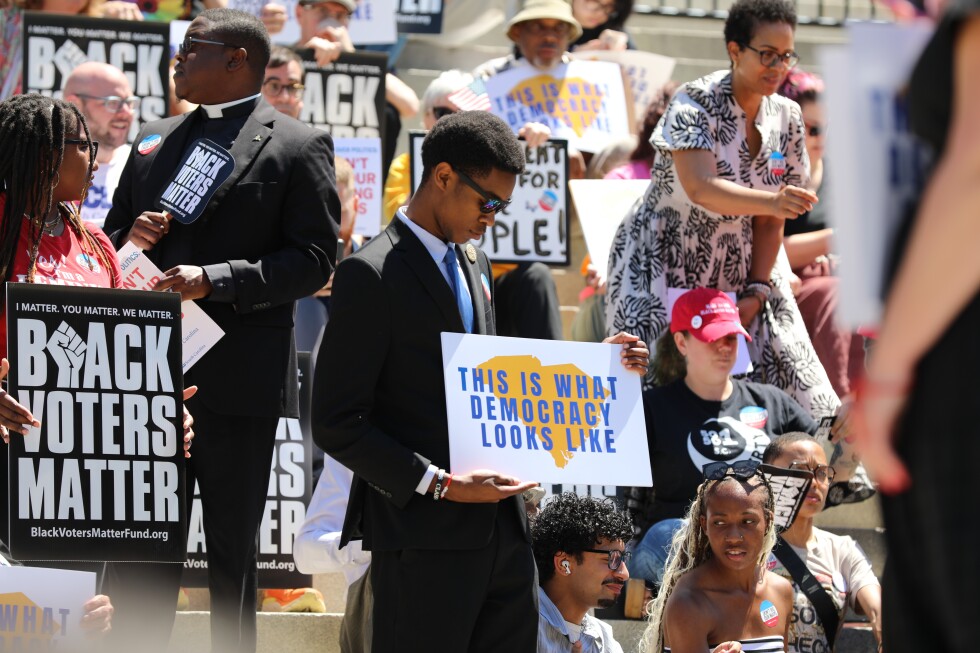
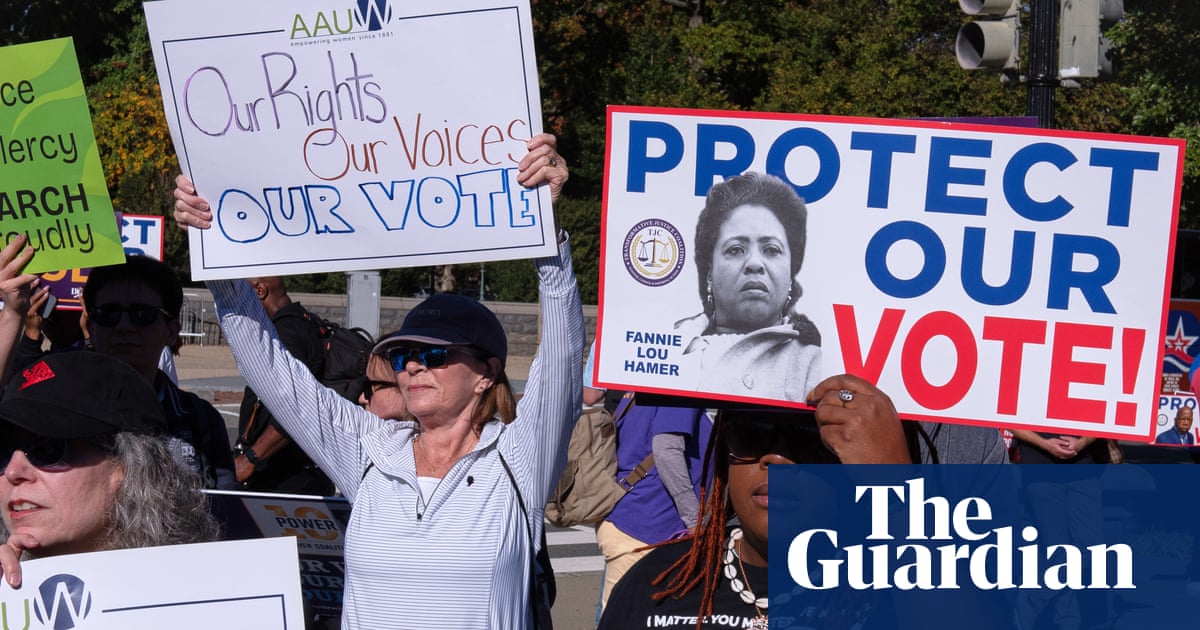
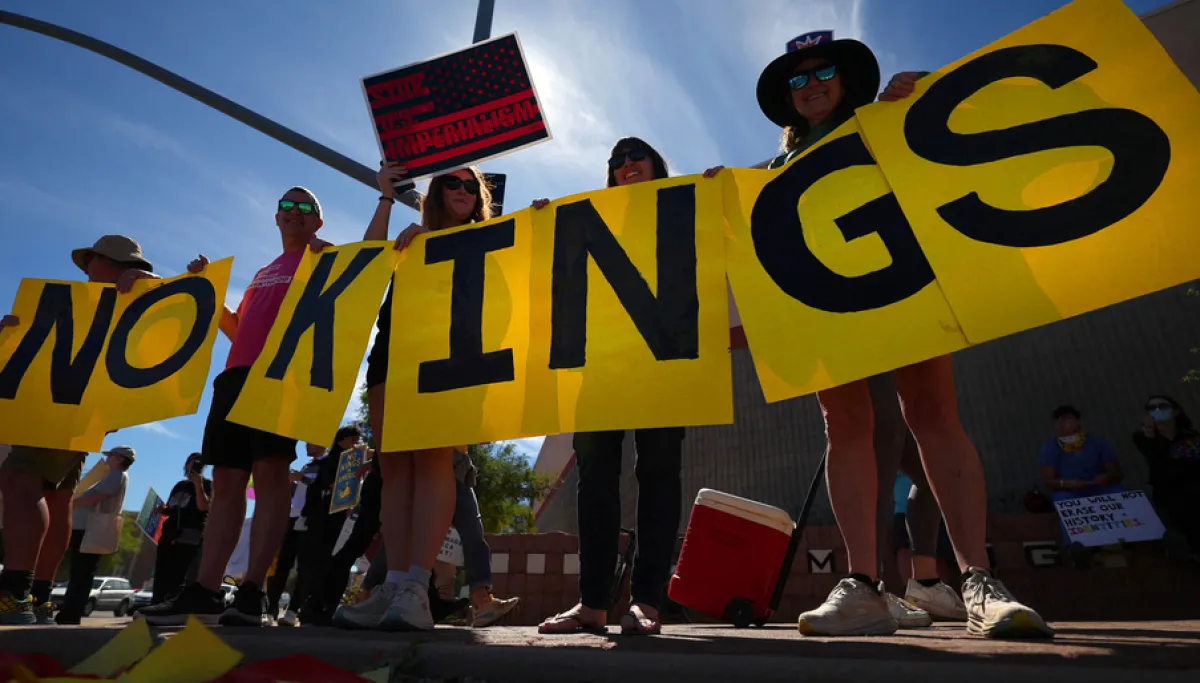
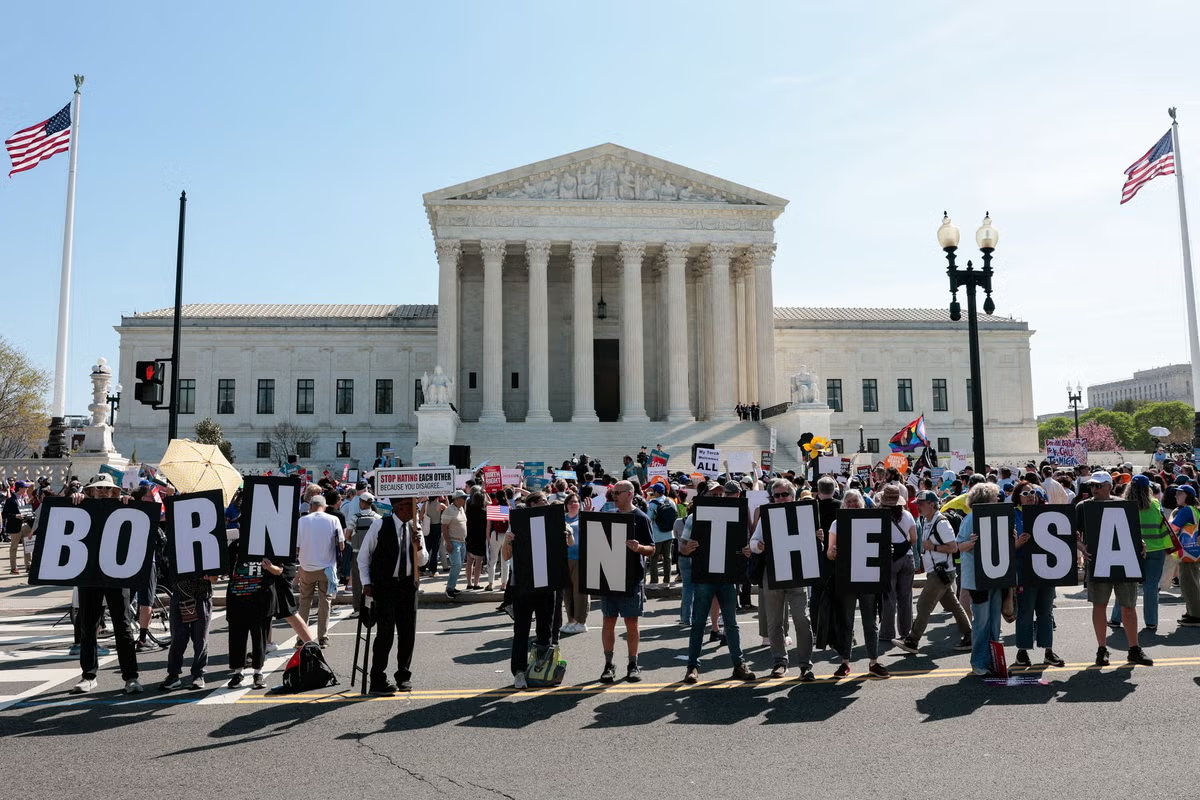
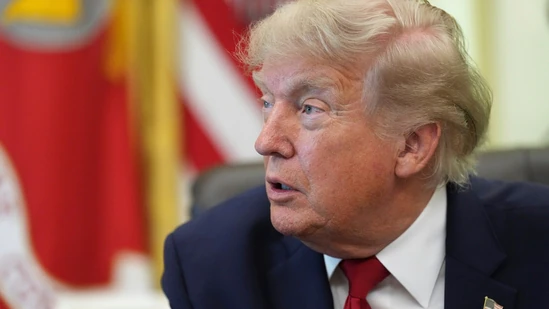
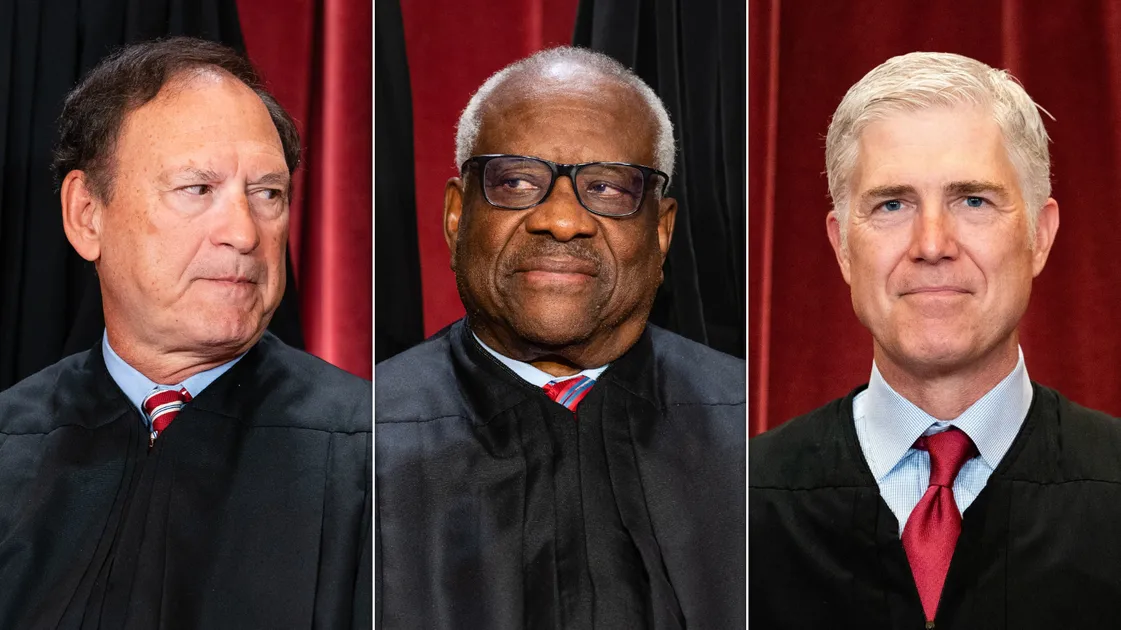
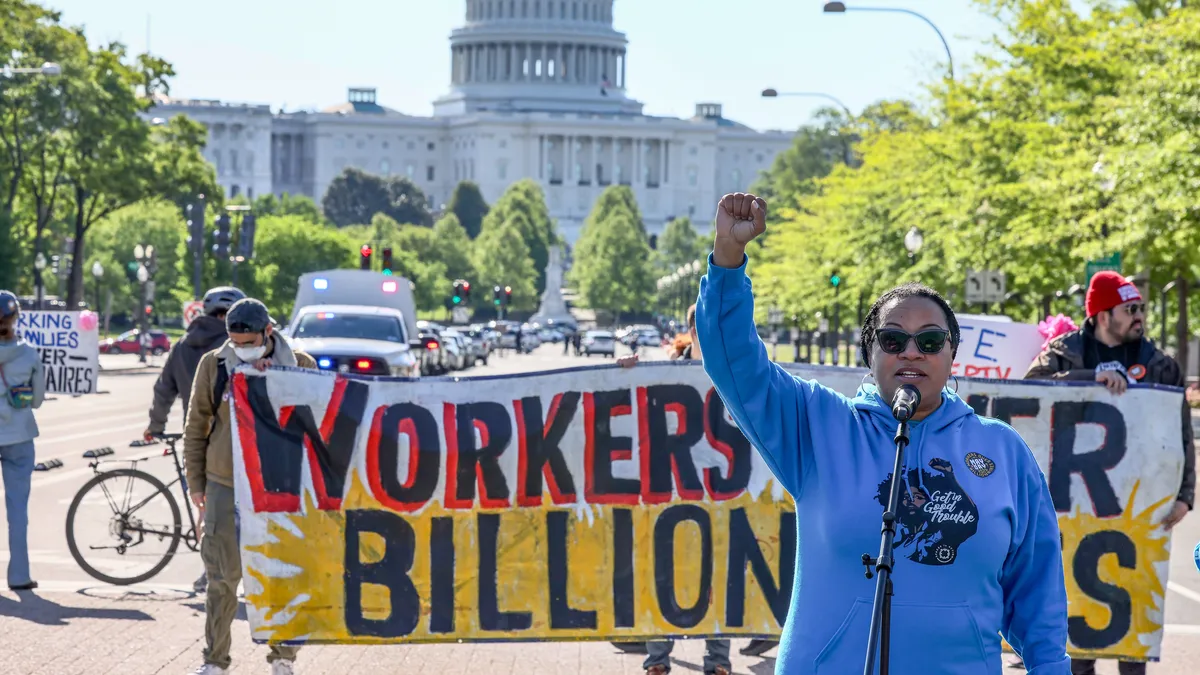
Activists from across the country will gather outside the Supreme Court on July 9 to celebrate the 158th birthday of the 14th Amendment and protest what they call attempts by the Trump administration to undermine "the backbone for every civil rights victory in American history."The protest, which organizers have named the "Let's Get Free" march, will go forward regardless of the Supreme Court's June 30 ruling upholding birthright citizenship, which is guaranteed under the 14th Amendment, organizers said."For the past 158 years, the 14th Amendment has guaranteed if you were born here, you are American. But it also calls for as a constitutional right equal protection, and that's the backbone of every major civil rights victory in American history," said LaDon Love, executive director of SPACEs In Action, a nonprofit advocacy organization. "I think of July 9 as a moment to come together under the banner of liberty, under the banner of freedom."The march will begin at the steps of the Supreme Court and continue to the National Mall, where there will be a rally and concert. Organizers expect several thousand attendees.Groups are traveling from 36 states, including Arizona, Florida, Louisiana, Ohio, Michigan and New Mexico, organizers said.The Trump administration has argued that birthright citizenship was meant to only apply to the children of slaves and is being misused by people looking for a way to gain American citizenship for their children.The Supreme Court's ruling blocked an executive order President Donald Trump signed on his first day back in office to deny automatic citizenship to children born in the United States if neither parent was a U.S. citizen or permanent resident.The protest isn't about the birthright citizenship case, said Popular Democracy Executive Director DaMareo Cooper. Instead, he said, it is about protecting what the 14th Amendment and the equal protection clause mean broadly for the country, including the right to marry who you want, the right to live where you want and the right to advocate for yourself. Equal protection means the government cannot apply laws arbitrarily or unequally to discriminate against people based on characteristics like race, sex or national origin."It is a moment foundationally where the people of our country... decided that, actually, everyone is supposed to be treated fairly," said Cooper, whose progressive advocacy group focuses on Black, Brown, and low-income communities.Ratified in 1868, the 14th Amendment also protects citizens' rights from being violated by state governments.One of three Reconstruction Amendments passed by Congress following the Civil War, it was designed to protect the rights of newly freed enslaved people. The other reconstruction amendments abolished slavery and expanded voting rights.Organizers say recent executive orders and Supreme Court decisions, such as the 2022 Dobbs decision that ended Roe v. Wade's abortion rights protections and the Callais decision reducing the use of majority Black districts, are examples of how the federal government has chipped away at the promises of the 14th Amendment in recent years.Xenia Orona, 34, of Maryvale, Arizona, said about 30 people from the group she leads, the Fuerte Arts Movement, want to show the world America believes all of its people have something to contribute and should be able to fully participate in civic life. The 14th Amendment hasn't always been enforced for all Americans equally, especially during this administration, she said, but that makes it more important to protect it for the future."We know that our country is flawed. We know that the folks that wrote the Constitution and even the 14th Amendment are flawed. But I think that what actually makes it real is when we take that thing that was idealistic but maybe imperfect, and we actually try to make it fit the reality of our lives," she said.Gaye Brown, 63, of Jefferson Parish, Louisiana, said she is traveling to the protest because people have to come together to protect the 14th Amendment, and it is important for the country to see it is a multi-cultural and multi-generational fight."It's important to protect the 14th Amendment because we all have the right to be treated like humans. We all have the right to be respected," she said. "Getting rid of the 14th Amendment would bring us so far back (on) things we've already fought for and won, which is what they're trying to take away now."