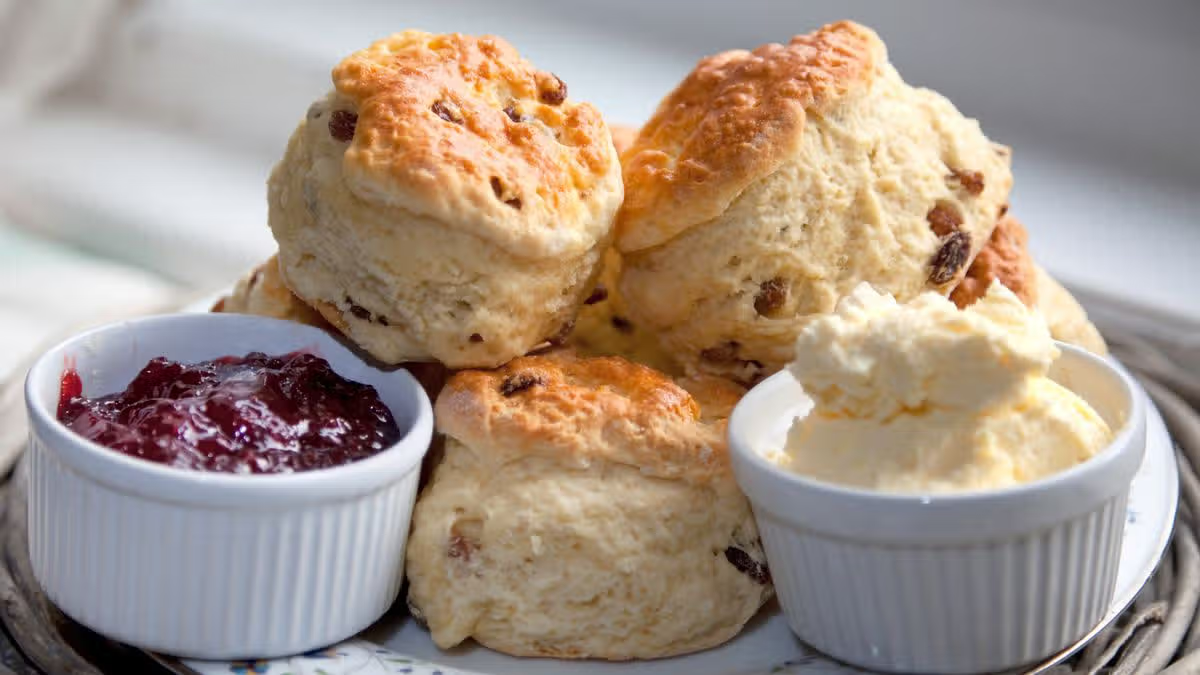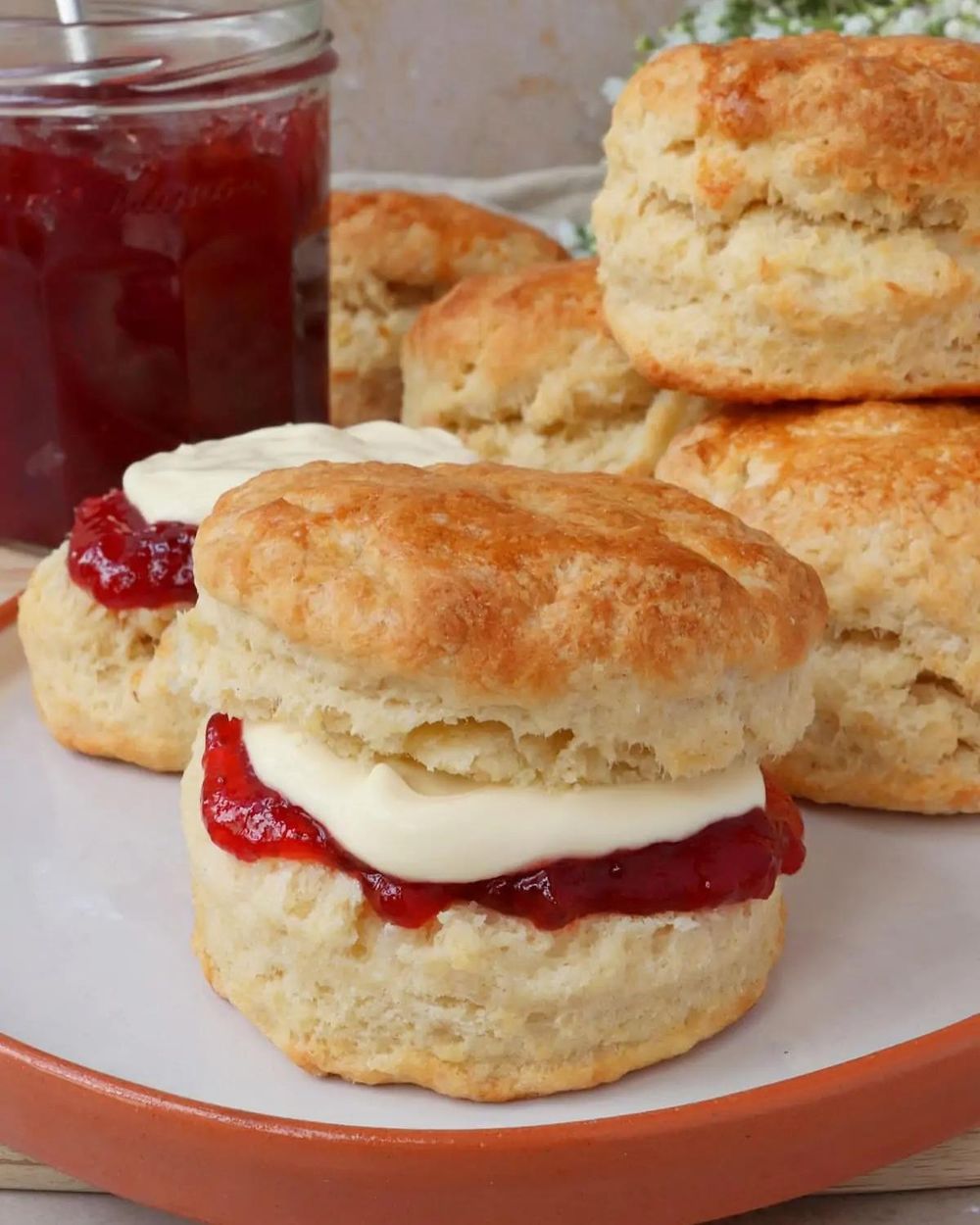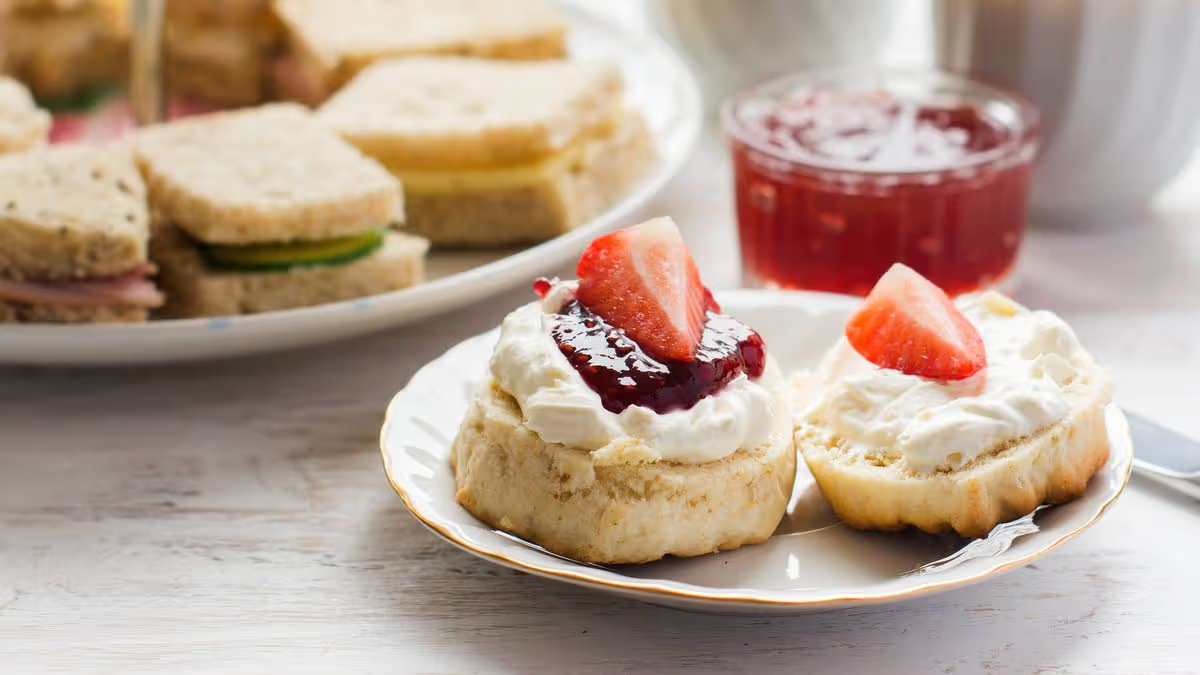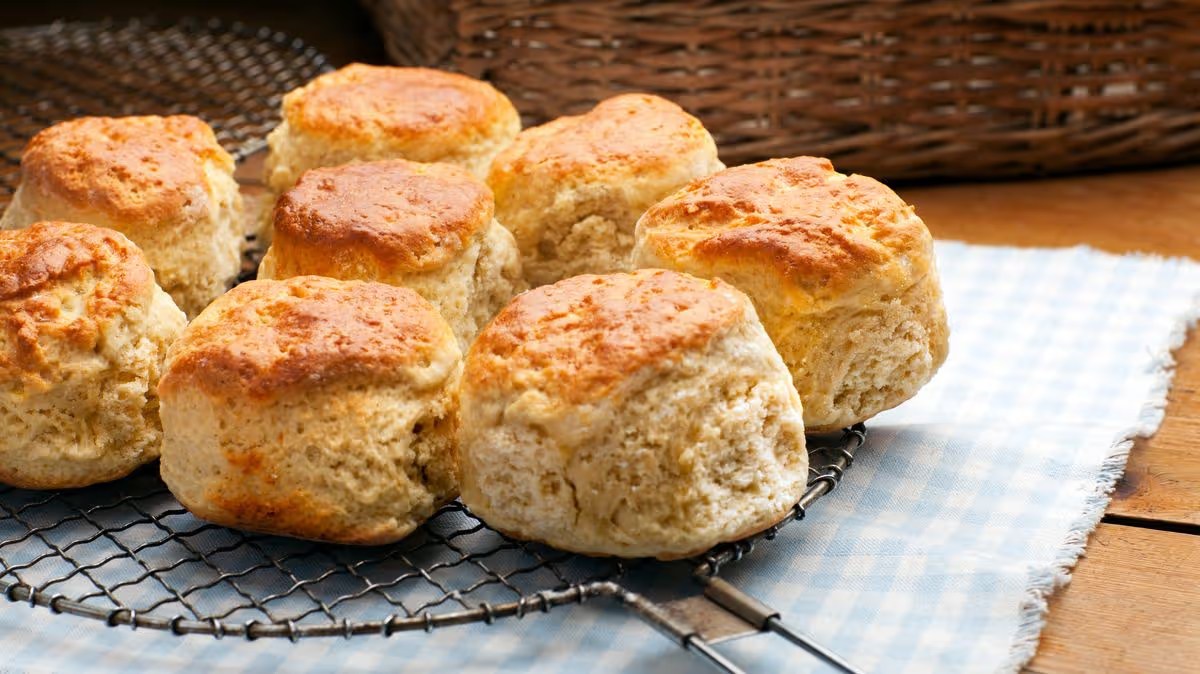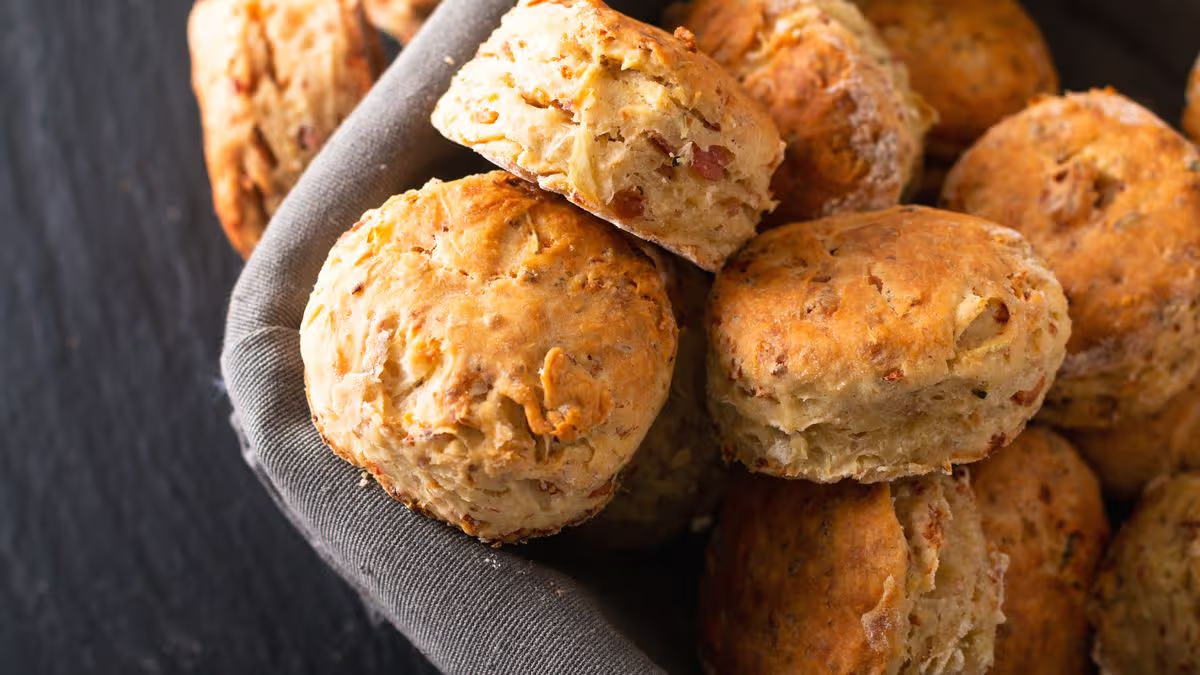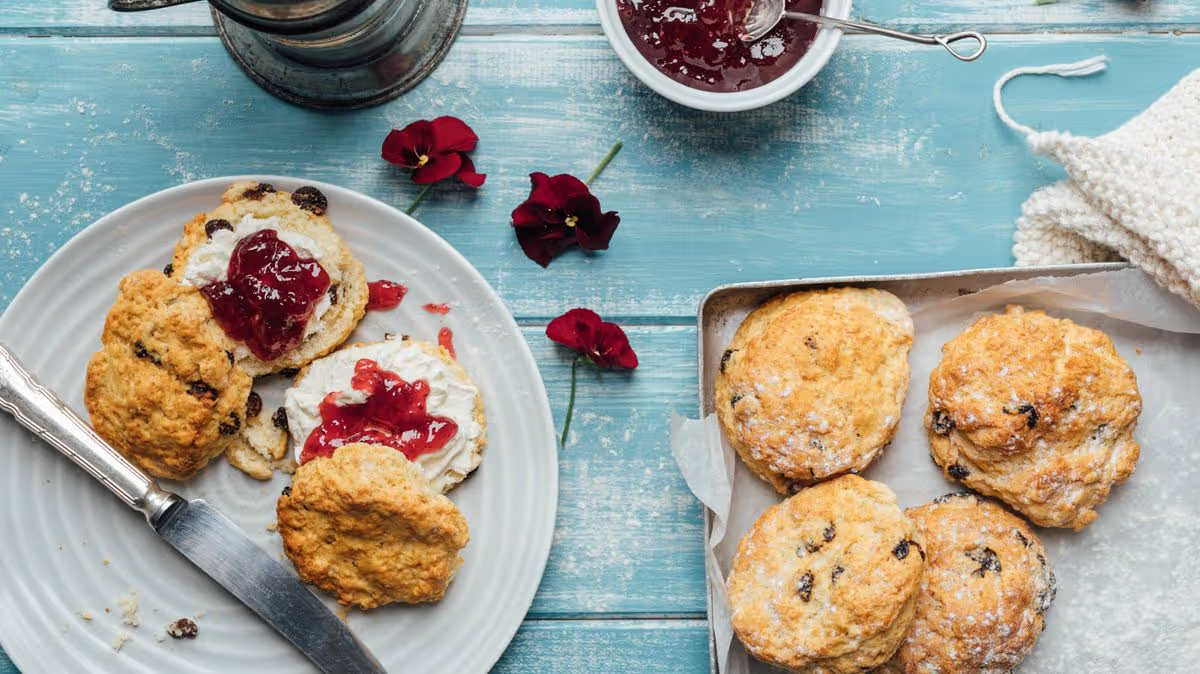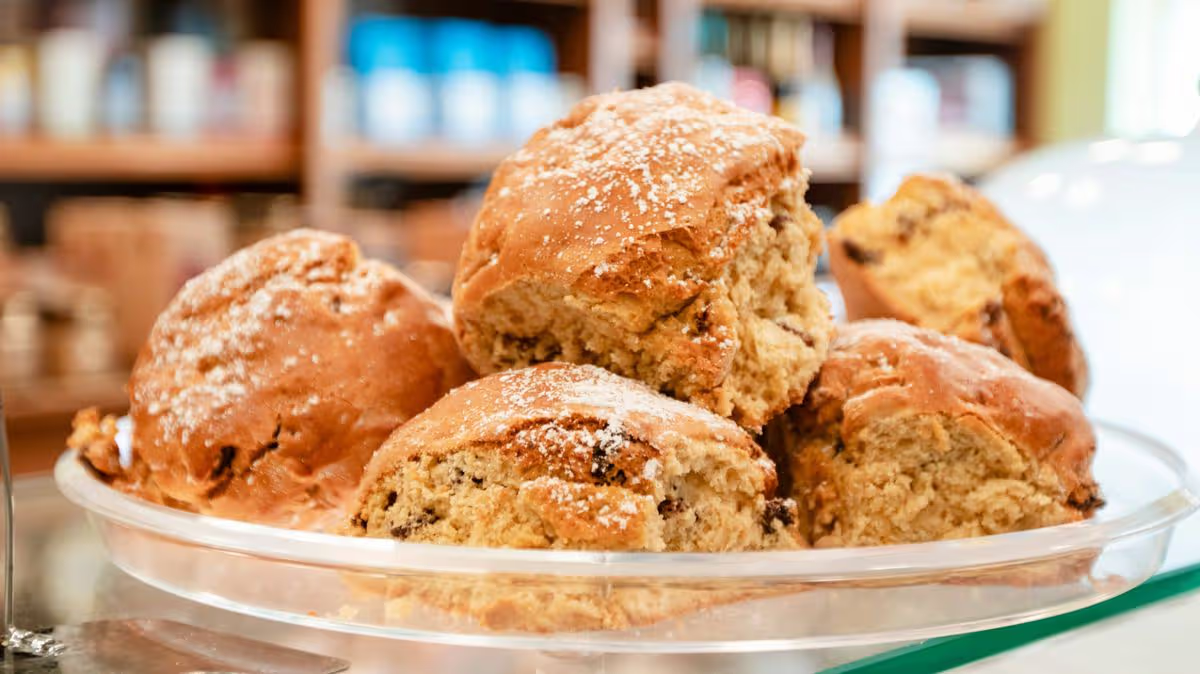
A chef claims swapping butter and eggs for another simple ingredient is the key to soft scones with a "tender and fluffy interior"11:42, 02 Jul 2026Supermarket scones may be tasty, but nothing quite beats a freshly baked batch made at home. With plenty of straightforward recipes available, even the most hesitant of bakers can give them a go.One of the best things about making scones from scratch, aside from how simple they are, is the freedom to experiment with your favourite fruits and flavours. Whether you fancy something sweet like raisins and sultanas, or prefer a savoury twist with cheese, the choice is yours.To achieve "the best scones you will ever have", Chef Alina has revealed her recipe, claiming that swapping out two key ingredients for just one is the secret to achieving that coveted "crunchy edge with a soft, tender and fluffy interior".What sets Chef Alina's recipe apart from most is that there's no butter or eggs required in the dough whatsoever, reports the Express.She enthused: "These are not only easy to make, but they are also the best scones you will ever have - crunchy edges with a soft, tender and fluffy interior."They were one of the first and most popular breakfast items I sold in my bakeries and restaurant. These always sold out at Sturbridge Baking Company."In place of butter and eggs, the chef suggests using double cream instead. Its higher fat content makes butter completely unnecessary, while also lending a rich, buttery flavour and producing a wonderfully soft, delicate texture that simply melts in the mouth.How to make the best sconesIngredients (makes 16)500g of plain flour224g of brown sugarOne tablespoon of baking powderHalf a teaspoon of salt364 to 400g of double cream, coldMethodBegin by mixing the flour, brown sugar, baking powder and salt in a large bowl. Whisk everything together to eliminate any clumps and ensure it's well combined.At this stage, fold in any additional ingredients you fancy. The chef pointed out that if you're adding dried fruit, you'll need to use a touch more cream.Pour in half the cream, give it a few stirs, then add the rest of the cream and mix until you've got a dough that's mostly come together.Bring the dough together completely using your hands until there aren't any obvious dry patches, but be careful not to overwork it. It's crucial not to overwork the mixture - avoid using a mixer, and don't mix until it becomes smooth; a slightly lumpy texture is actually what you're after.Turn the dough out onto a lightly floured surface and split it into two equal portions. Using your hands, shape the dough into two rounds roughly six inches across and three-quarters of an inch thick. Use a round cutter to stamp out your scones.Heat your oven to 180°C/160°C Fan/Gas Mark 4, and prepare a baking tray with parchment paper. Space the scones evenly across the lined tray, and allow them to rest for 20 to 30 minutes while your oven warms up.Article continues belowIf your kitchen is particularly warm, pop them in the fridge to chill.Bake for 25 minutes, turning the tray around halfway through cooking. The scones are ready when the undersides are browned, and they've developed a light, golden-brown crust.
Ditch butter and eggs for scones for better ingredient with 'fluffy' results
A chef claims swapping butter and eggs for another simple ingredient is the key to soft scones with a "tender and fluffy interior"
537 words~2 min read