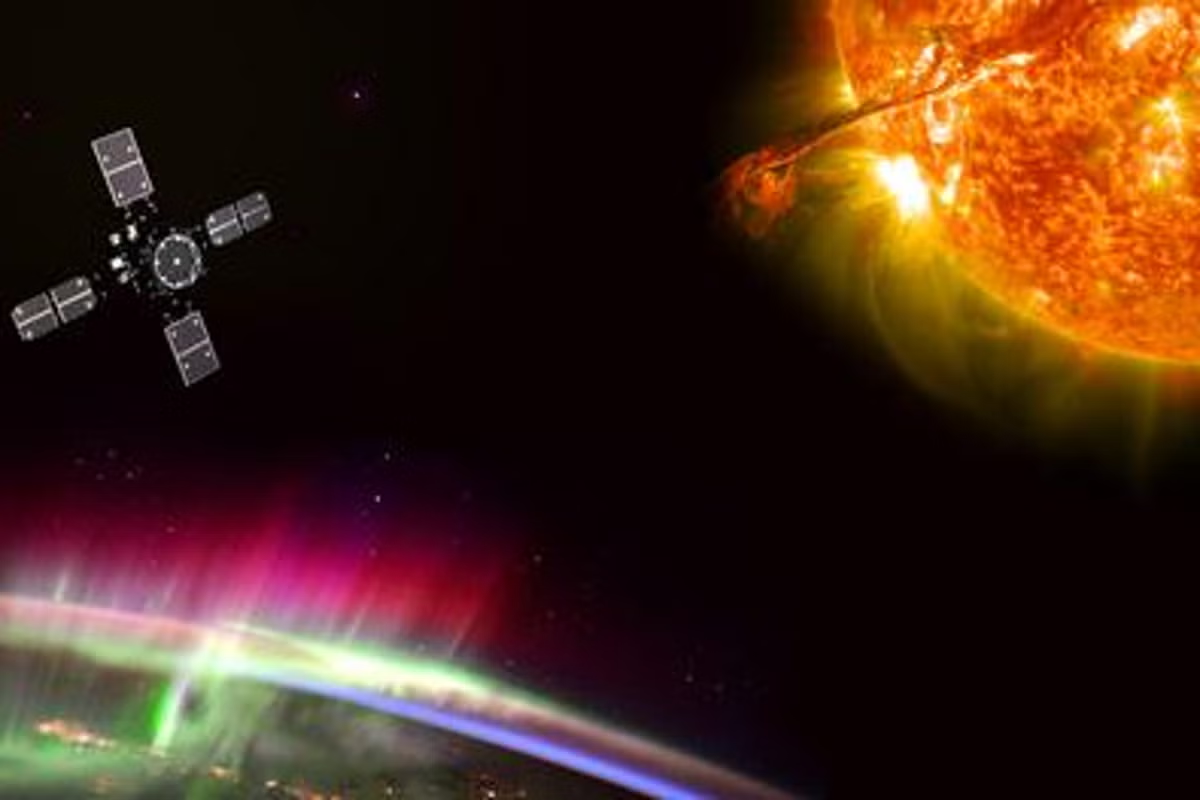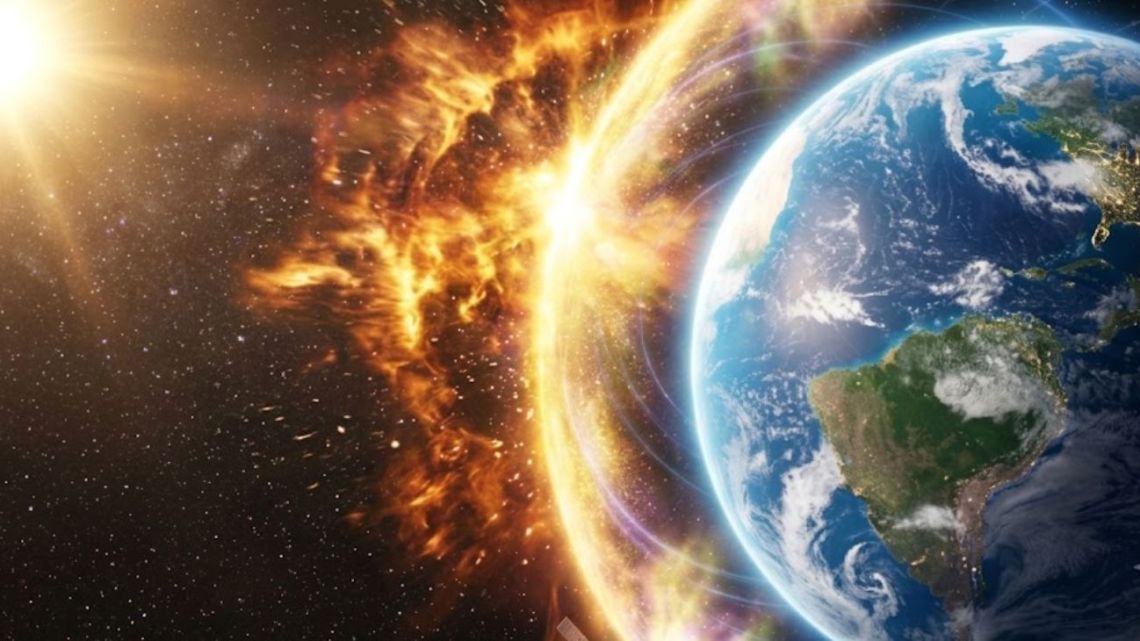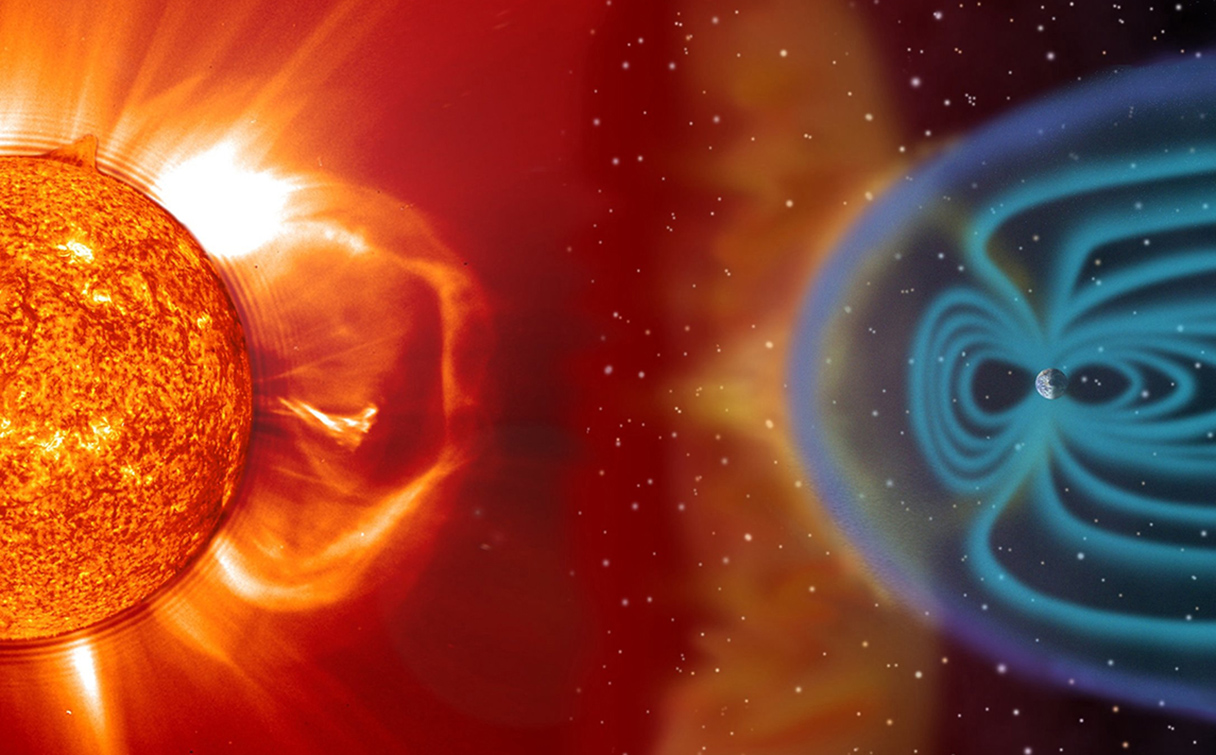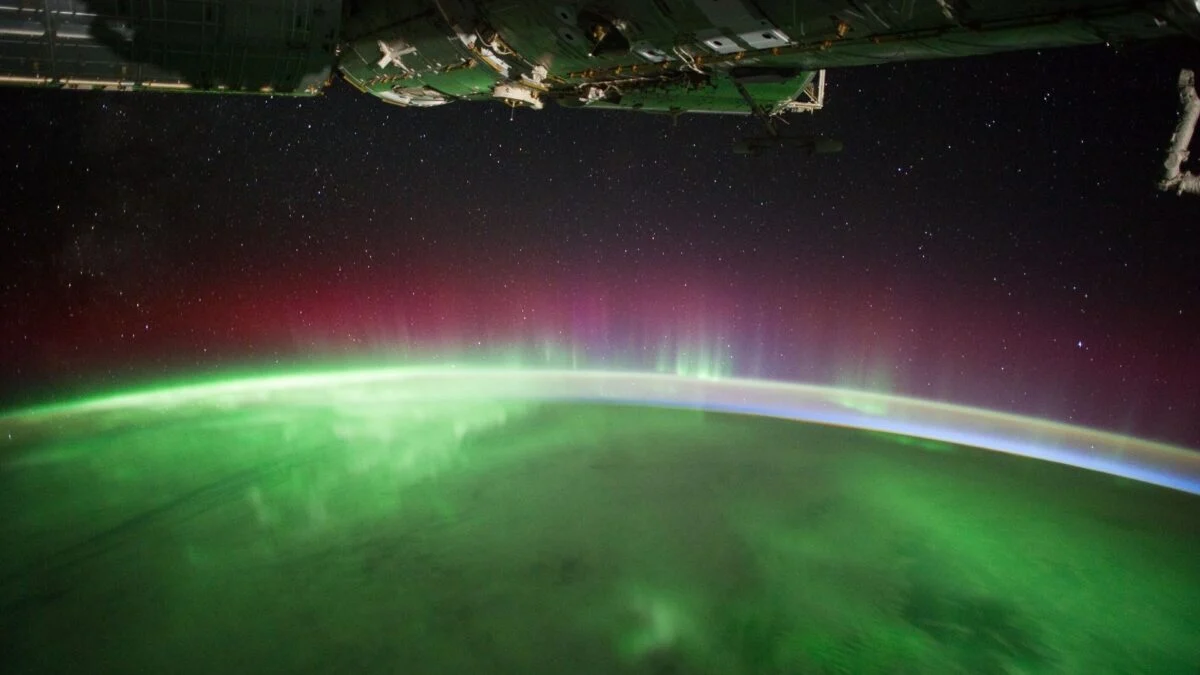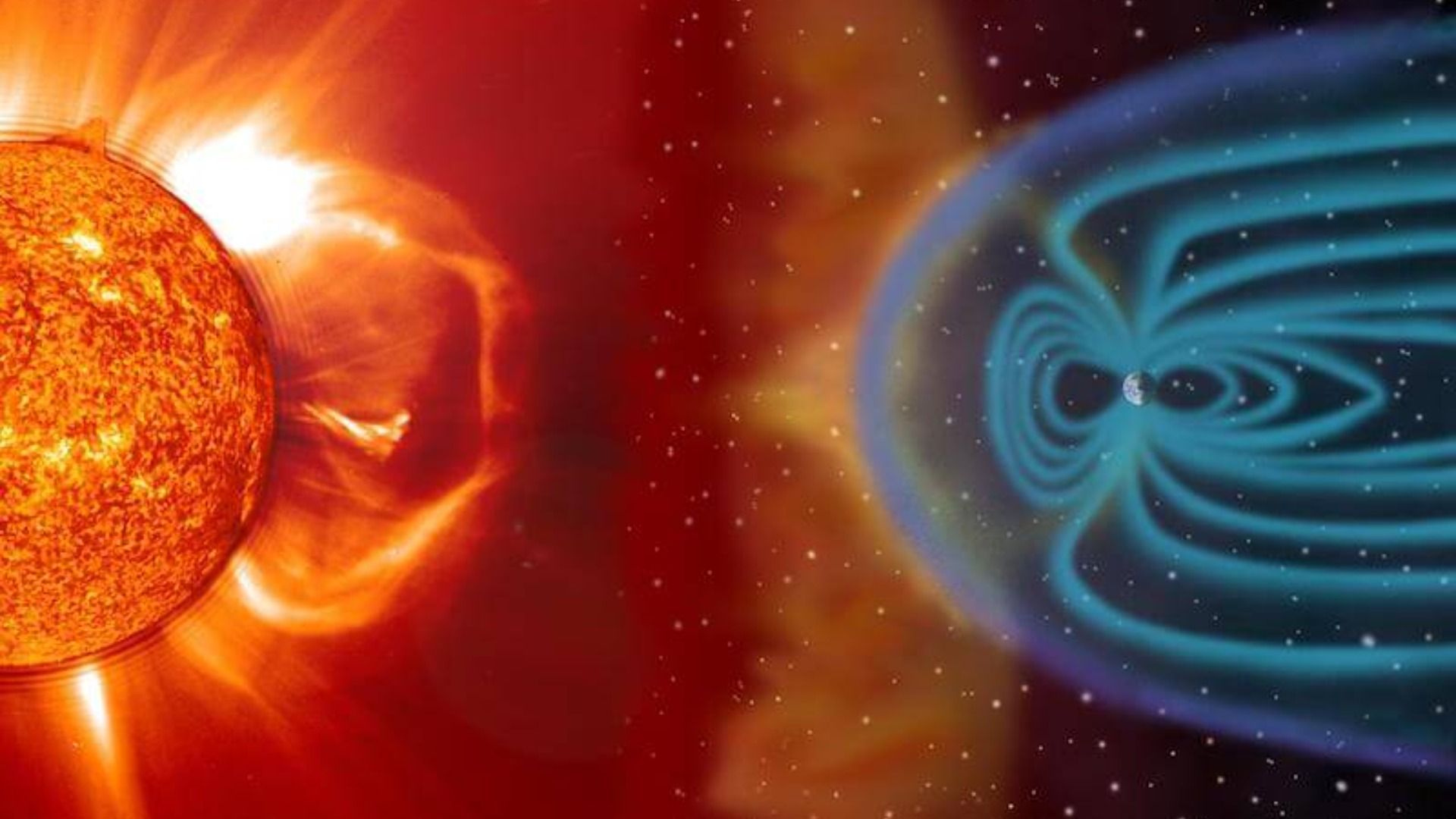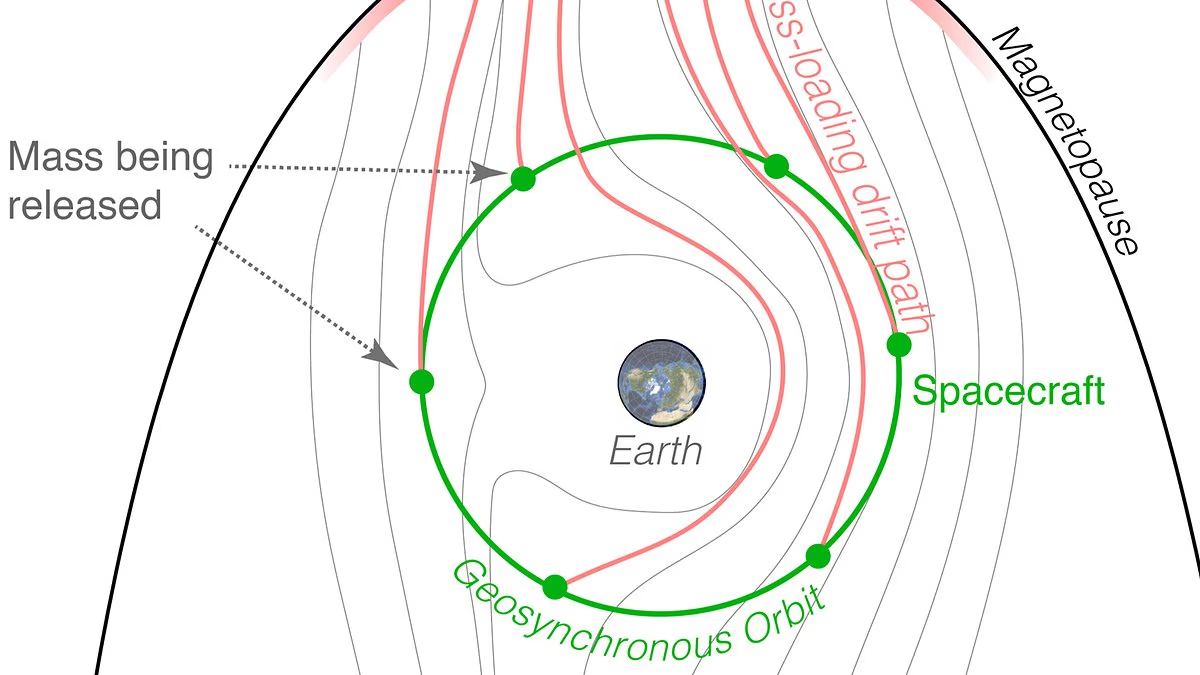
Scientists have suggested launching a giant ‘airbag’ into space to protect Earth from terrifying solar superstorms.Our planet is regularly bombarded by coronal mass ejections (CMEs) — giant clouds of electrically charged plasma blasted into space by powerful explosions on the Sun. These are responsible for beautiful aurora displays but, on occasion, can trigger radio blackouts and power outages.Every few hundred years or so, the sun spits out a supercharged storm with the ability to cripple satellites, dose astronauts with lethal levels of radiation, damage power grids and even knock out the internet.Experts have proposed a radical new way to combat this, which involves launching six bus-sized satellites into orbit at around 22,500 miles (36,000km) above Earth.The next time a solar superstorm takes place, these would empty gas canisters around the edge of Earth’s magnetic field.This would create a giant wall of plasma to cushion and redirect incoming particles – cutting the intensity of the storm in half.‘The protection provided by (this) approach mimics an automobile airbag – installed once, ready to deploy at a moment’s notice and requiring little maintenance,’ the researchers said. Experts have proposed launching six bus-sized satellites into orbit. The next time a solar superstorm takes place, these would empty gas canisters around the edge of Earth’s magnetic field, creating a giant wall of plasms to cushion and redirect incoming particles Scientists have warned that a once-in-a-century solar storm could cause chaos on Earth, triggering power outages and radio blackouts The team, from the University of Michigan, spelled out their proposal in the journal Space Weather.‘While humans become more reliant on Earth's space environment, the potential for significant harm from severe space weather continues to grow,’ they wrote.‘As structures from the sun reach Earth's magnetosphere and space environment, they deposit energy that fuels geomagnetic storms.‘Currently, space weather researchers work to predict the timing and intensity of space weather events, often providing warnings of several days prior to the initiation of a strong geomagnetic storm.‘Here a new paradigm is presented where, rather than prediction alone, active steps are taken to mitigate the impact of solar wind structures through temporarily modifying Earth's magnetosphere.’The idea behind the satellite constellation, called StormWall, is to create a protective barrier before an incoming solar storm arrives.To do this, they would release a large quantity of a reactive gas such as sodium, barium, calcium or lithium into Earth’s magnetosphere when a large flare on the sun is detected.This would then create a huge plasma barrier that would push back against the incoming bombardment of charged particles, and help divert it around our planet. To test how effective this could be, they carried out simulations of a major geomagnetic storm that took place in May 2024 and found their proposed ‘airbag’ could have reduced the intensity of the resulting geomagnetic disturbance by as much as 84 per cent
Scientists propose launching 'airbag' into space to protect Earth
Scientists have suggested launching a giant 'airbag' into space to protect Earth from terrifying solar superstorms.
1,322 words~6 min read