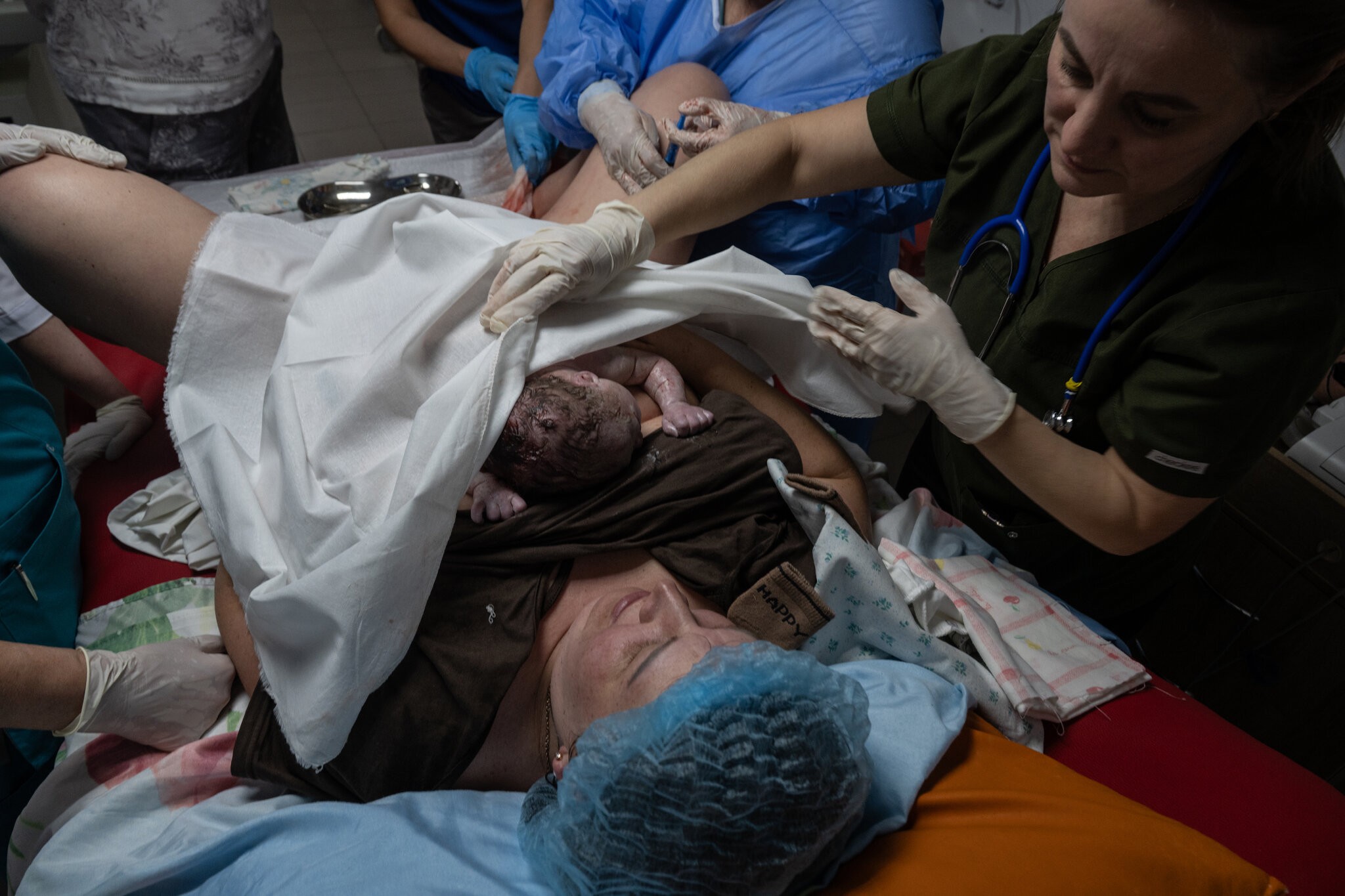
In the terrifying first days of Russia’s full-scale invasion, Inna Slavhorodska fled her home in eastern Ukraine and made it to Germany, miles from the bombs and gunfire.Slavhorodska (38) was pregnant at the time. After her escape, she miscarried at five months, losing the baby.Fighting raged on. Slavhorodska still wanted a baby, even though she was convinced that war-related stress had made her lose one already. She returned home to the city of Kharkiv, where Ukraine’s military had pushed back Russian forces in late 2022, and again became pregnant.In January, she gave birth to a healthy baby through a Caesarean section. The next day, Russian drones hit the hospital where she was recovering, causing damage but leaving Slavhorodska and her newborn unharmed.“It was very scary,” she said. “Really scary.”Inna Slavhorodska holds her two-day-old daughter, Anastasia, while recovering from her Caesarean section at a hospital in Kharkiv in January. Photograph: Lynsey Addario/The New York Times
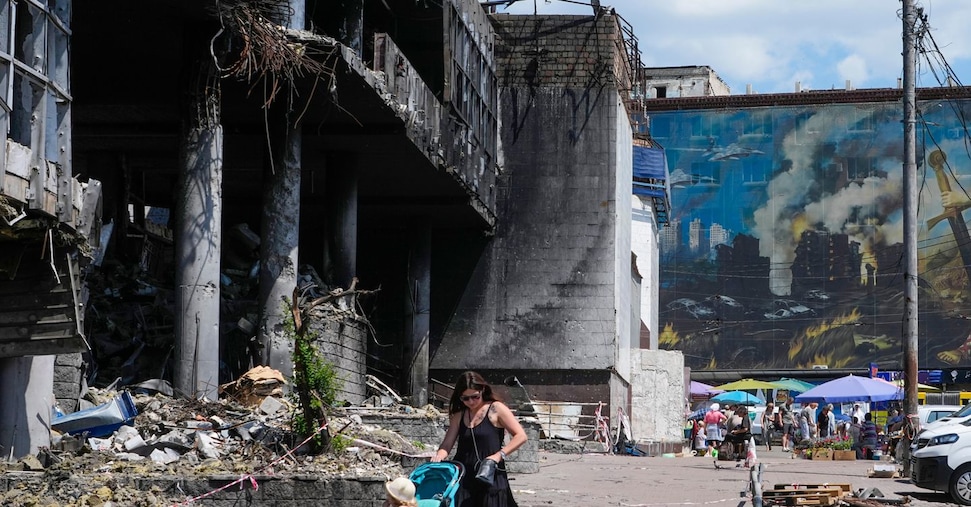
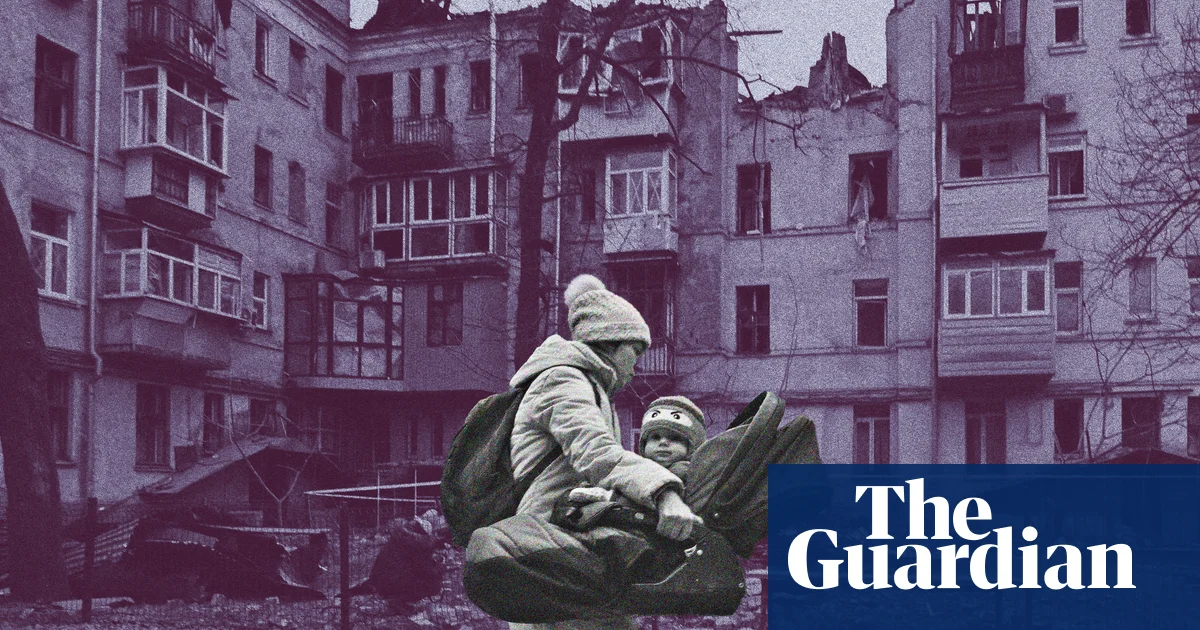
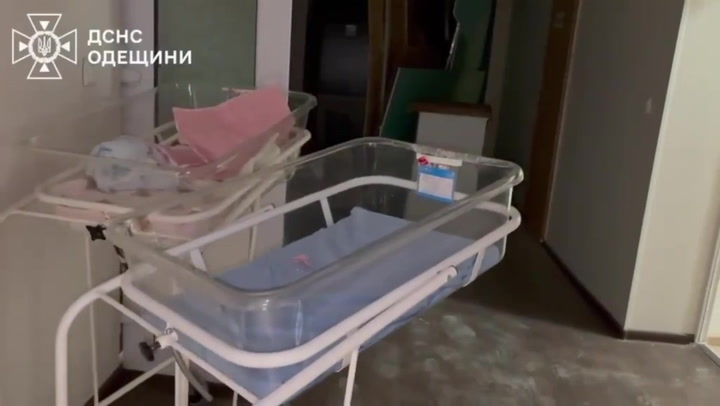
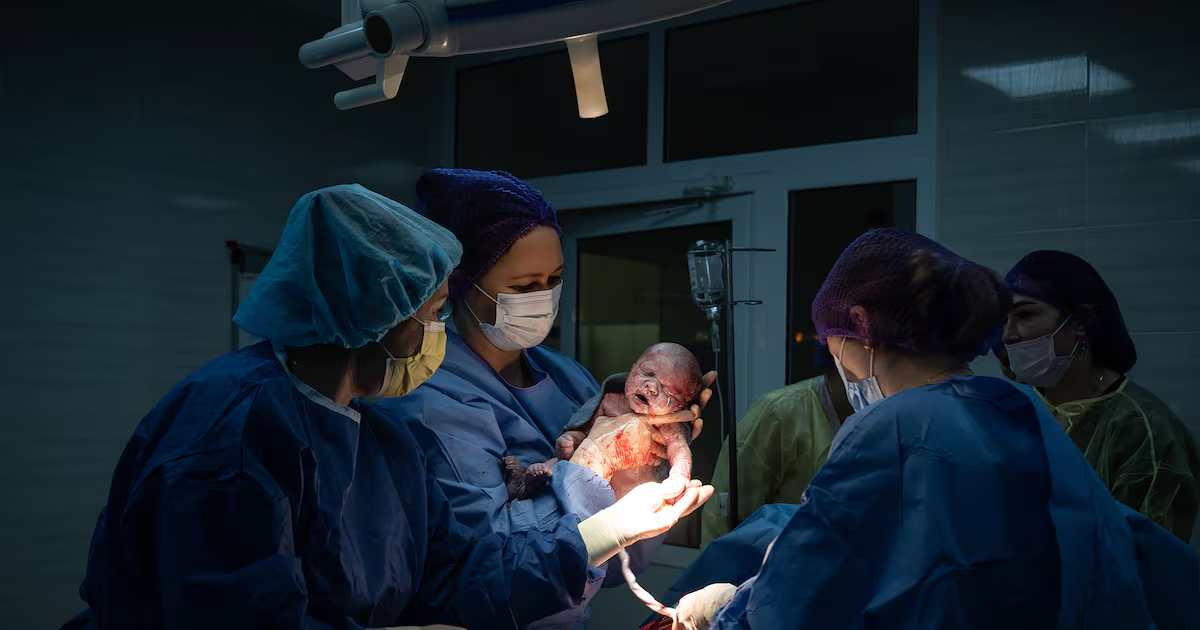
The war, which started with Russia’s full-scale invasion in February 2022, is inflicting an additional toll on pregnant women through fear and stress caused by bombings, shelling, displacement, occupation and electrical blackouts.Maternal mortality in Ukraine increased by more than a third from 2023 to 2024, the most recent years of statistics available, according to data compiled by the World Health Organisation and partners, and cited by the United Nations. The UN attributed the rise to attacks on healthcare facilities, stress and displacement, a finding supported by interviews The New York Times conducted with more than 40 women and more than a dozen Ukrainian doctors.The number of children born in Ukraine has decreased every year since the war began. More than 168,000 children were born in Ukraine last year, down from nearly 274,000 in 2021, according to statistics from Ukraine’s justice ministry. The data does not include Crimea, which Russia annexed in 2014, or Russian-occupied territories.The drop is partly because births by women who had become refugees in Europe were not being registered in Ukraine, experts say, and some women have delayed plans to have a family because men are in the army. But doctors say wartime stresses have also played a role because it has become so much harder to be pregnant and to give birth.As of December, more than 80 maternity and neonatal care hospitals in Ukraine had been damaged or destroyed, according to UN statistics. Some cities have no maternity wards left.Many hospitals have moved operating rooms and beds into basements. Thousands of births now take place underground. The United Nations has helped hospitals near the front line build bomb shelters equipped as delivery rooms.In January, when air alerts warned of approaching missiles or drones in the city of Dnipro, women in the maternity ward took their newborns into the corridor, away from windows that might shatter. Frightened and physically weakened so soon after giving birth, they did not know whether to stay there, or head to a shelter. Anastasia Lotkova (25), stands in her kitchen while pregnant, with no electricity and sporadic heat. Photograph: Lynsey Addario/The New York Times