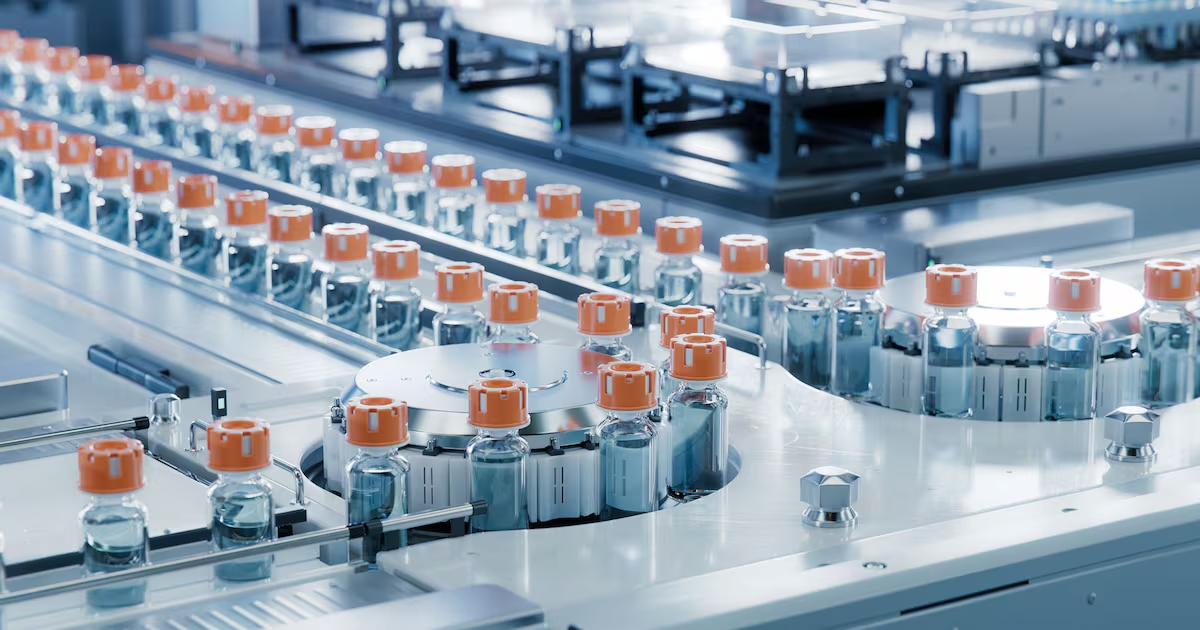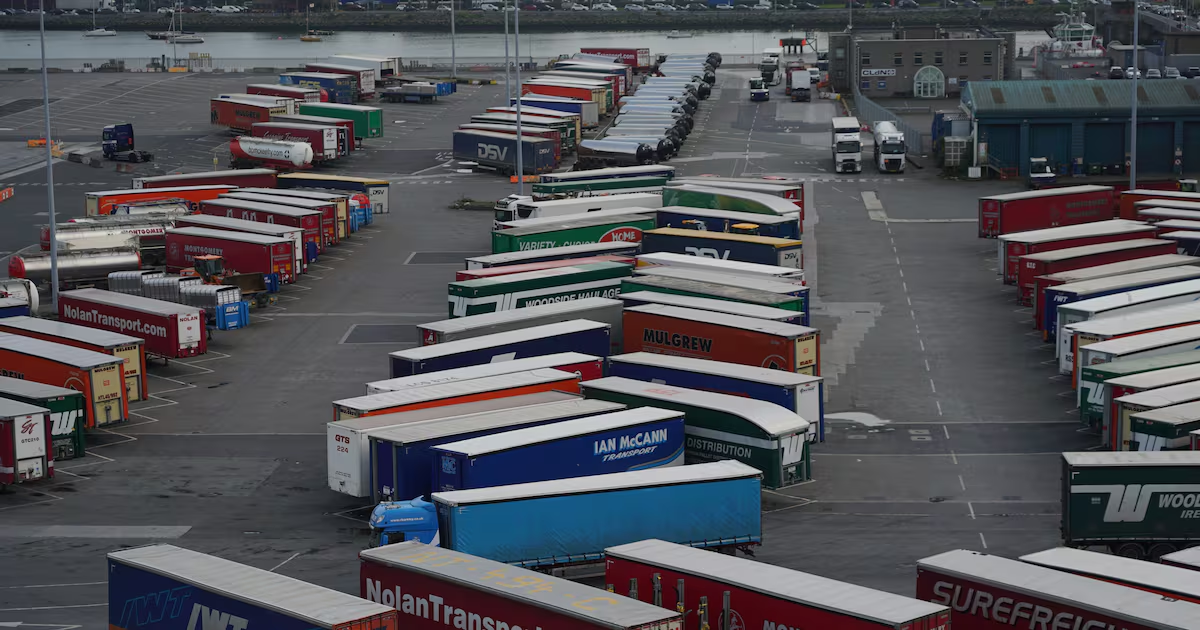
The Irish economy contracted by 7.1 per cent in the first three months of 2026 as the front-loading of exports linked to US tariffs unwound.This compares with a preliminary estimate of a 12 per cent contraction – in gross domestic product (GDP) terms – published by last month.The volatile numbers come on the back of a surge in exports last year as pharma firms here rushed to stockpile product in the US ahead of Donald Trump’s tariffs.The Central Statistics Office’s (CSO) latest national accounts figures indicate the Irish economy grew by 8 per cent in GDP terms last year and by 4.7 per cent in terms of modified domestic demand (MDD) terms, a better measure of underlying activity.The strong performance last year was driven by a surge in exports with goods exports jumping by 15.4 per cent.Domestic activity was also boosted by a 2.6 per cent increase in consumer spending aided by the growth in real wages.[ Trump rekindles his global trade war with 100% tariff threat on European countriesOpens in new window ]The globalised industry sector, which includes the State’s pharma sector, expanded by 11.9 per cent last year while the information and communication sector grew by 14.8 per cent.Overall, the multinational-dominated sector expanded by 14.5 per cent in 2025, the CSO said, noting that this accounted for 50.4 per cent of “total value added in the economy”.The 9 per cent VAT rate has been welcomed by restaurants but does the hospitality sector actually need it? Listen | 39:12There were also higher levels of economic activity for most domestically focused sectors including a 7.2 per cent expansion for the construction sector amid a pickup in homebuilding.Real estate activities increased by 4.9 per cent while the traditional agriculture, forestry and fishing sector grew by 3.6 per cent. The only domestic dominated sector not to post growth was the financial and insurance sector which was flat in the year.
Irish economy contracts by 7.1% in first quarter as export surge unwinds
CSO national accounts figures also indicate economy grew by 8 per cent in GDP terms last year
318 words~1 min read