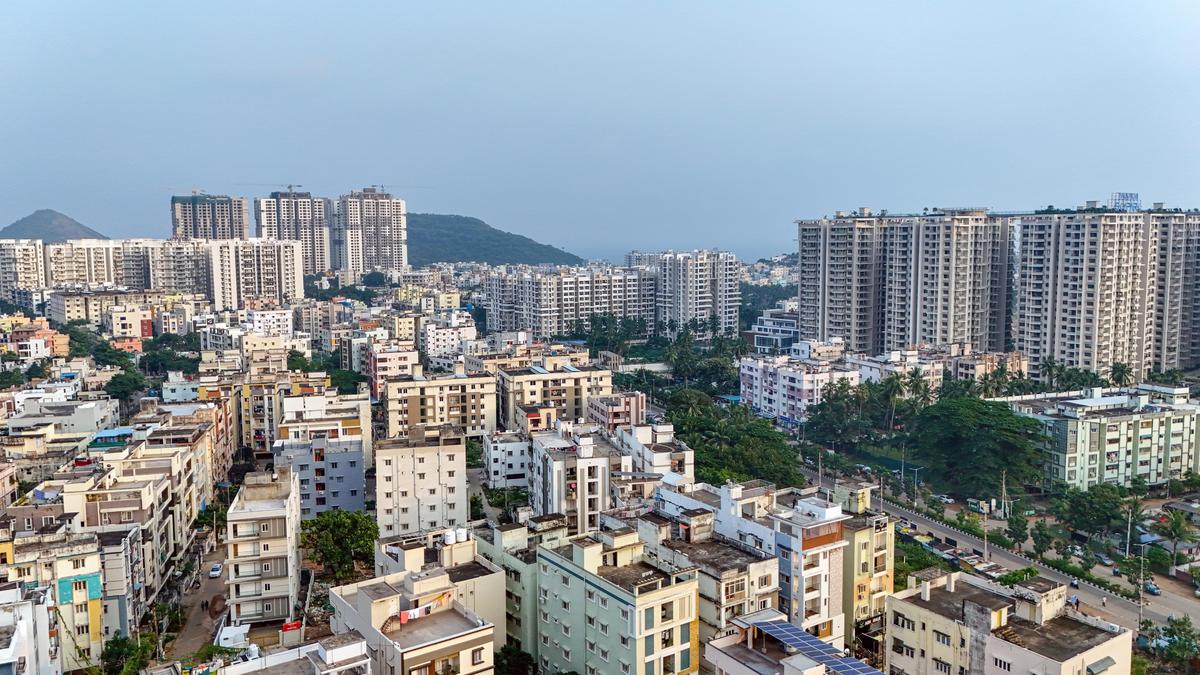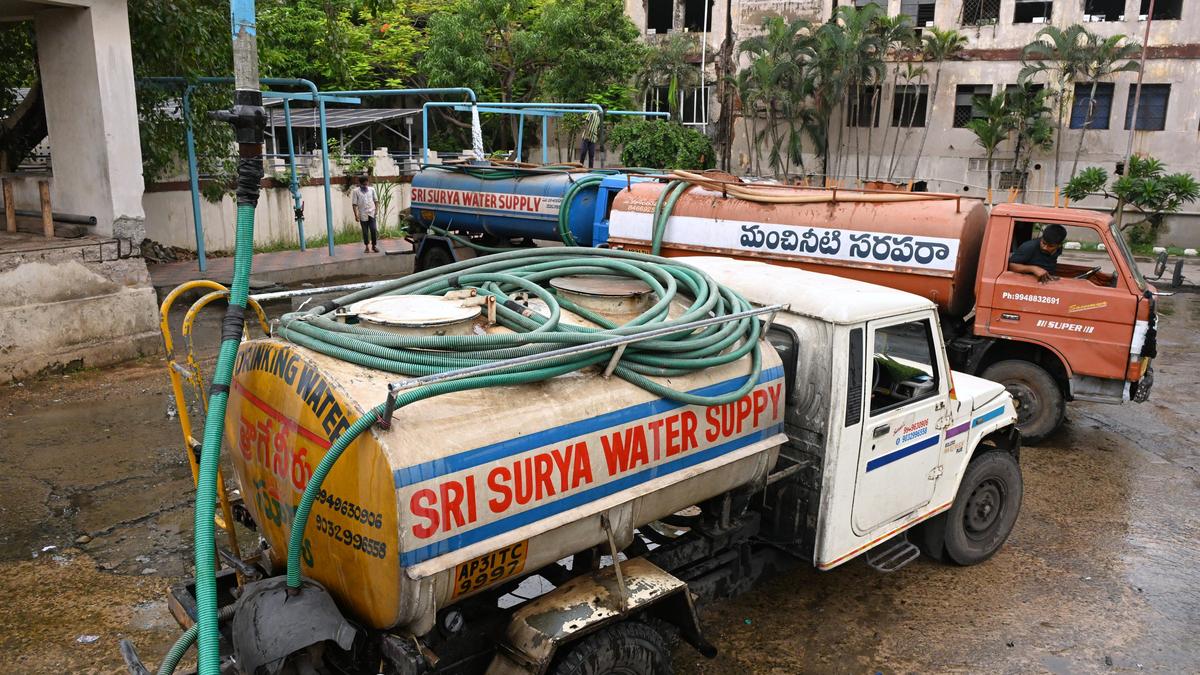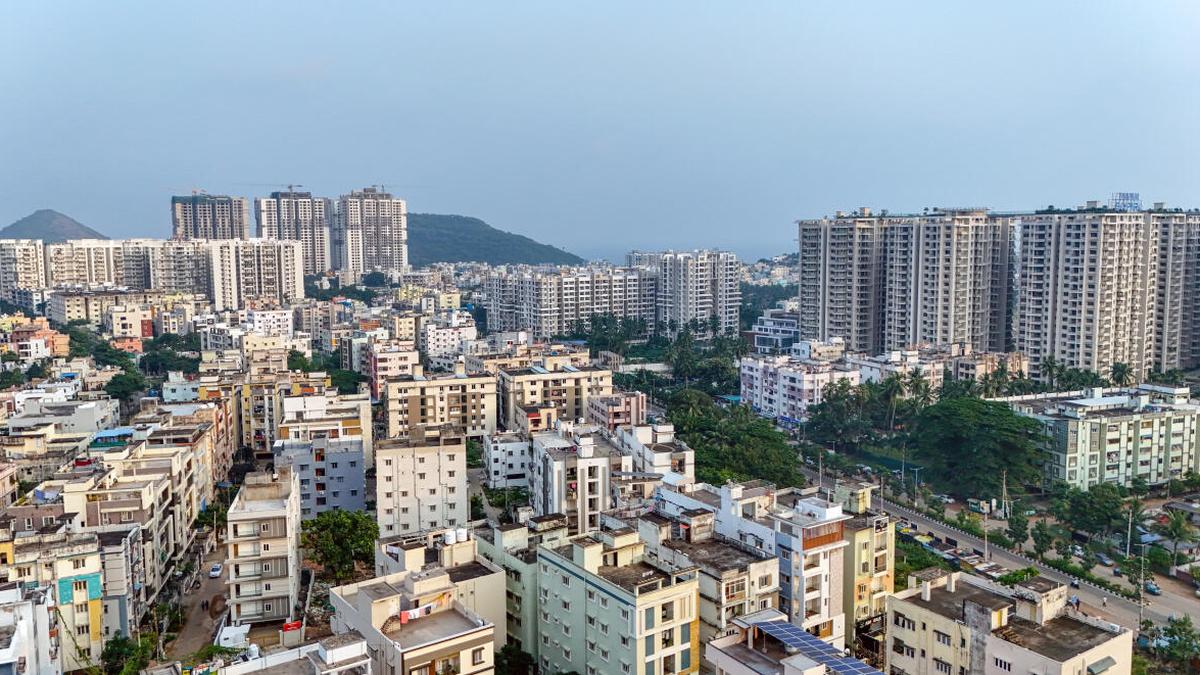
On the surface, the situation appears reassuring. The Yeleru reservoir remains well stocked, Godavari water continues to supplement Visakhapatnam’s supply, and officials say there is no immediate threat to municipal drinking water. Beneath the ground, however, another story is unfolding.Groundwater levels have fallen sharply across several of the city’s fastest-growing neighbourhoods, where apartment towers, gated communities and commercial developments have turned what were once peri-urban villages into dense residential corridors. Experts warn that unless urban planning, groundwater recharge and water supply keep pace with development, dependence on borewells and tanker water will keep rising.
Embed: Data from the Andhra Pradesh Water Resources Information and Management System (APWRIMS) shows that some of the city’s fastest-growing localities record among the deepest groundwater levels. As on July 2, 2026, groundwater stood at 31.69 metres below ground level (mbgl) in Arilova, 28.73 mbgl in Yendada, 27.23 mbgl in Madhurawada, 23.12 mbgl in Peda Rushikonda, 16.52 mbgl at YSR Park, 14.54 mbgl in Visalakshinagar and 11.72 mbgl in Marikavalasa.District-wide APWRIMS data also shows groundwater stress across several mandals. Visakhapatnam (Rural) recorded an average groundwater level of 20.43 mbgl, followed by Maharanipeta (9.97 mbgl), Anandapuram (9.38 mbgl), Gajuwaka (8.88 mbgl), Visakhapatnam Urban (8.79 mbgl) and Pendurthi (8.51 mbgl).Yendada the most vulnerable pocketAccording to K. Pushpa Latha, Visakhapatnam District Ground Water Officer, the department’s manual monitoring has consistently found Yendada to be the district’s most stressed locality.“Our latest manual readings show that Yendada is the most critically affected area in the district. The groundwater level there has fallen to 30.37 metres (about 100 feet) below ground level,” she said.