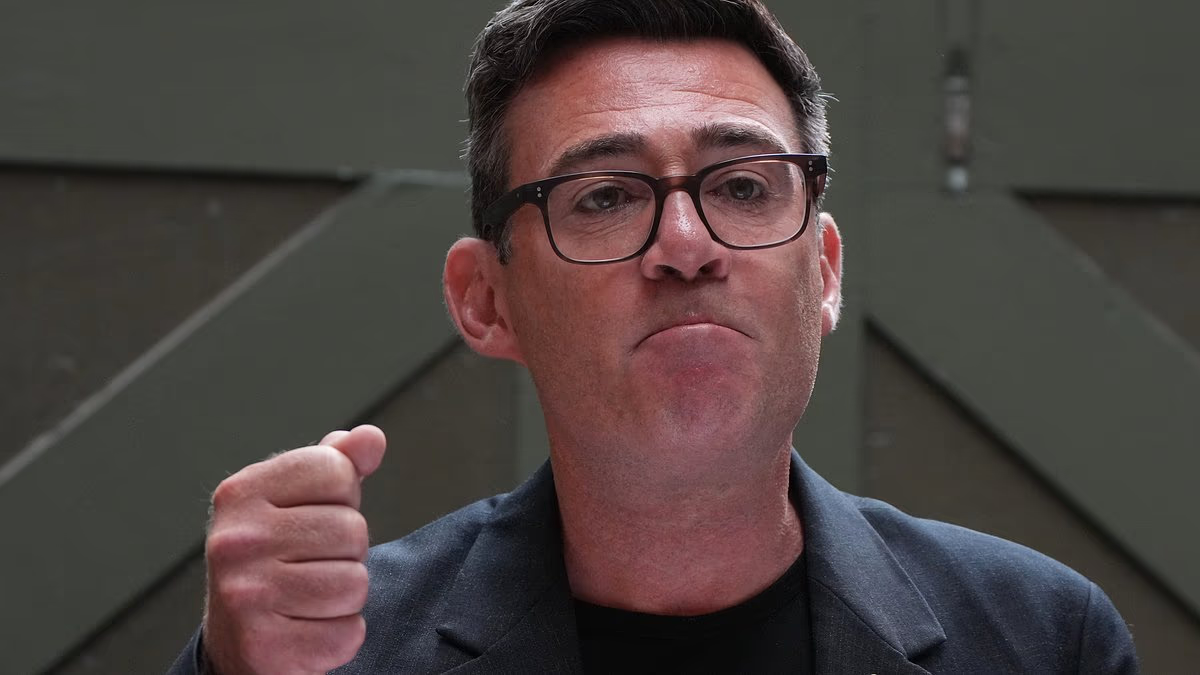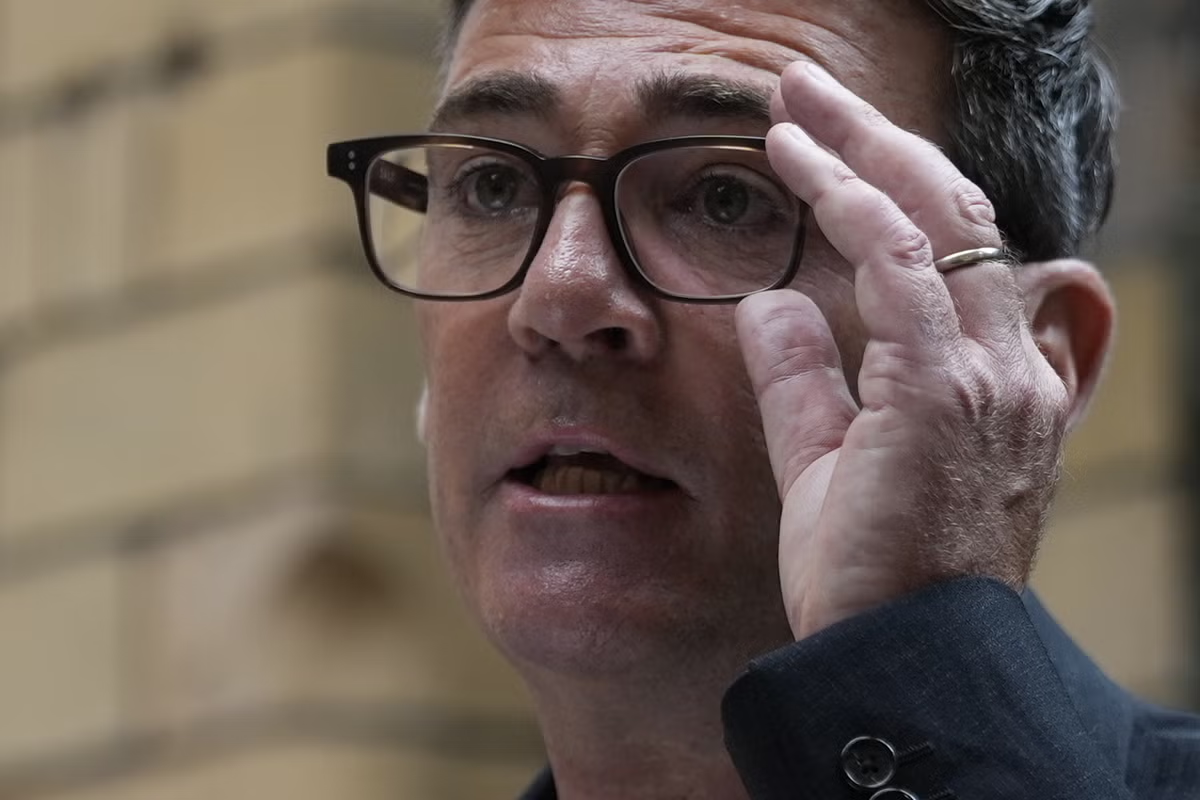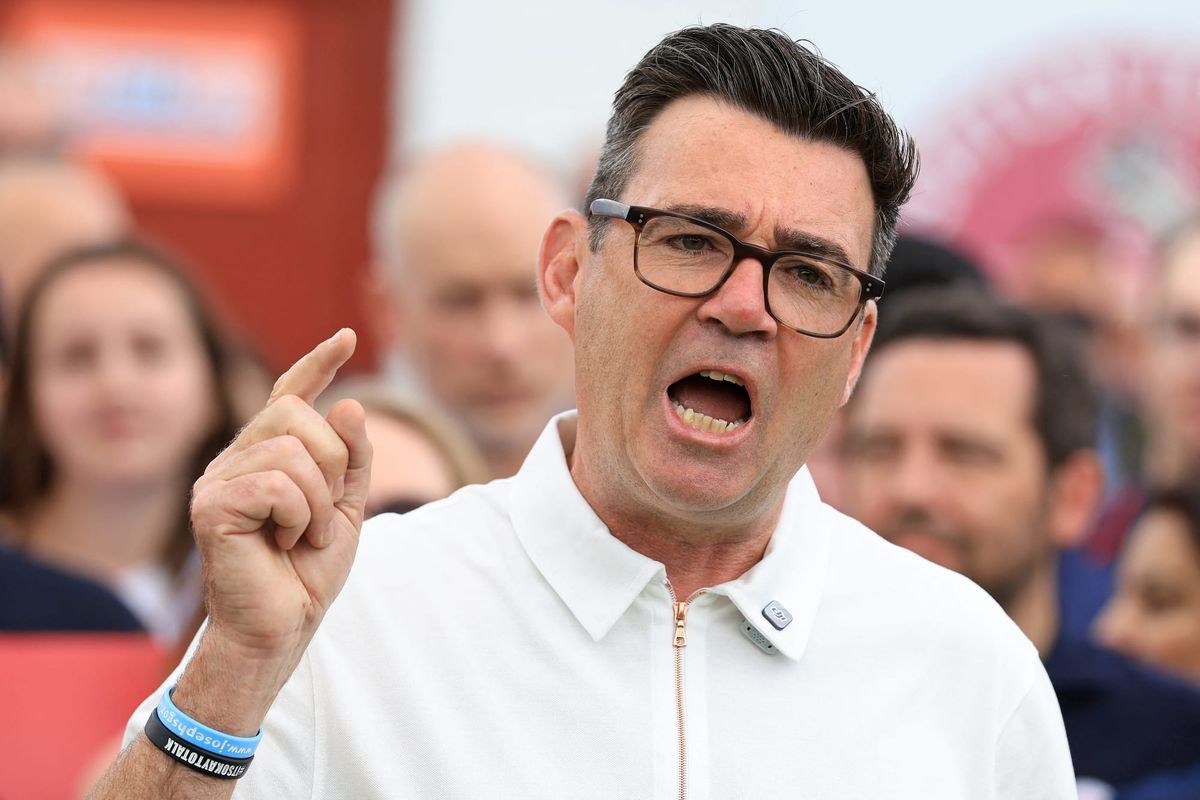
The war in Iran has done less damage to the UK’s public finances than was first feared, Andy Burnham will reportedly be told in what will be a boost to the incoming prime minister - but he is still facing a major black hole in the public finances as a result of unfunded defence pledges. Mr Burnham is expected to be briefed by the Treasury in within days about the economic situation facing the UK, with sources telling the Financial Times that the conflict in the Middle East - which sent oil and gas prices spiralling and triggered an increase in inflation - has only dealt a modest blow to the £23.6bn “headroom” built by the chancellor at the last budget. The news will come as a boost to Mr Burnham, who is widely expected to take over from Sir Keir Starmer in the coming weeks, and makes it less likely that he would be forced to put up taxes in the Autumn budget.However, he may choose to do so to fund his spending plans, which could include an increase in spending on council housing and infrastructure.The Treasury briefing is expected to take place in the coming days as part of an attempt to smooth the transition of power between Sir Keir and Mr Burnham. Andy Burnham is expected to take over from Sir Keir Starmer in the coming weeks (PA Wire)One source with knowledge of the fiscal situation told the FT: “It’s a fair assessment that the headroom will come off a bit. But that’s exactly what it’s there for. It’s not there to be eaten into for discretionary spending — it’s there as a cushion against unexpected things. “We are in a very different position to the last two fiscal events, even after the effects of the Iran crisis. There should be no need to enter into a period of new speculation about tax rises.”Another senior government figure said: “The fiscal forecasts are not as bad as people expected three months ago, it’s not a given that taxes have to go up this year.”But despite the boost, Mr Burnham is still set to face a vast number of difficult decisions, with the MP for Makerfield facing at least a £4.7bn black hole to fill in Sir Keir Starmer’s defence spending plan. The government is yet to spell out how almost a third of the £15bn plan will be funded, with a decision on where that remaining money will come from to be made at the Budget in the autumn.Ministers have also provided scant detail about where the remaining £10.3 billion cuts to Whitehall spending which will fund the plan will come from - indicating that the black hole facing Mr Burnham could even be as large as £15bn. Departments across government must slash 1 per cent of their spending on major projects to pay for the defence boost, while transport and energy spending will face larger axes. But the prime minister’s official spokesman was unable to provide a full list of the projects which will be scrapped to account for the full £10.3bn in savings. Writing in the Telegraph, chancellor Rachel Reeves appeared to warn Mr Burnham against further borrowing to pay for the Dip, saying: “A Britain spending beyond its means is a weak Britain – one that is more vulnerable to global shocks like the ones caused by Russia’s invasion of Ukraine and more recently the war in Iran.”
Iran war impact ‘not as big as feared’ - but Burnham still faces defence black hole
Despite the boost, Mr Burnham is still set to face a vast number of difficult decisions, including filling a black hole in the government’s defence plans worth up to £15bn
573 words~3 min read