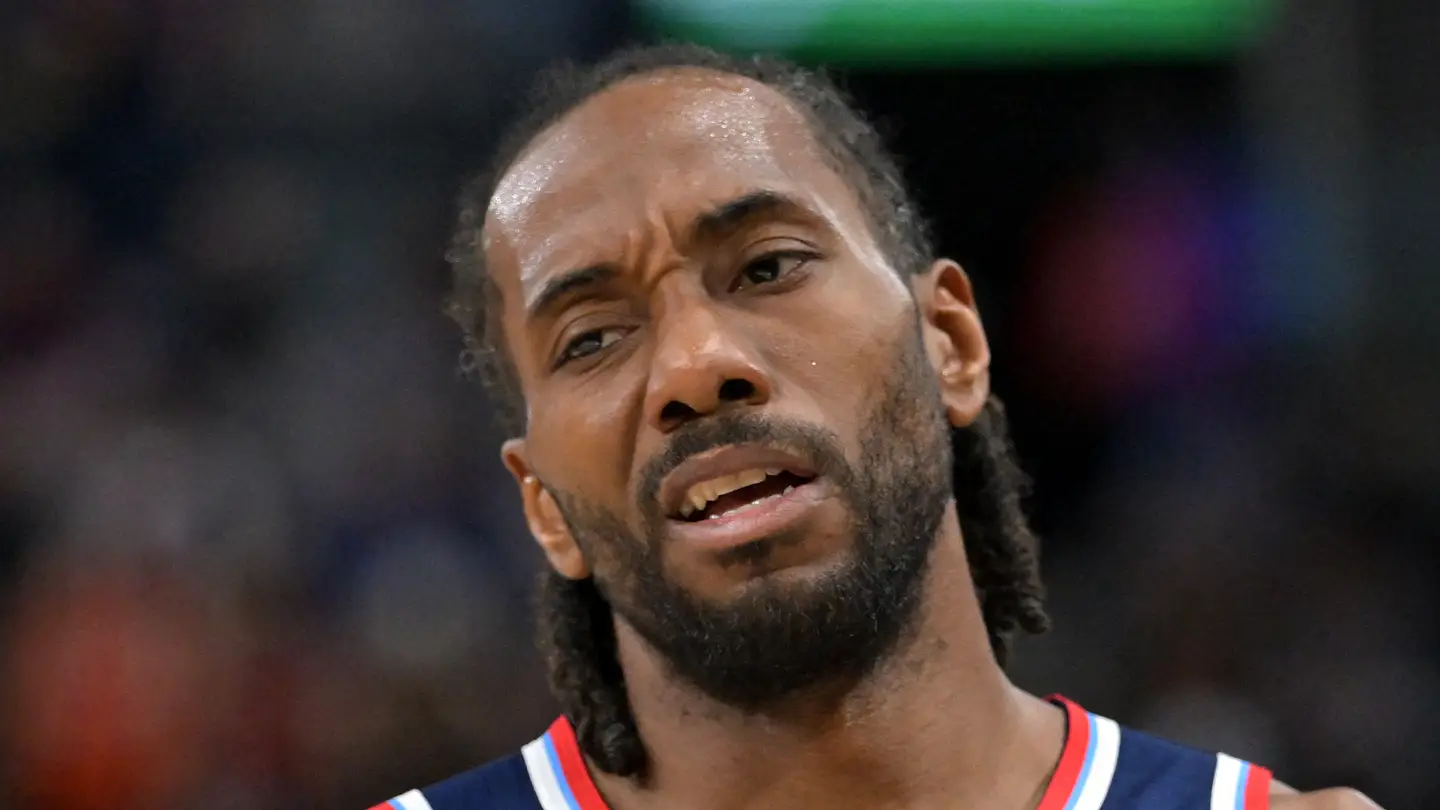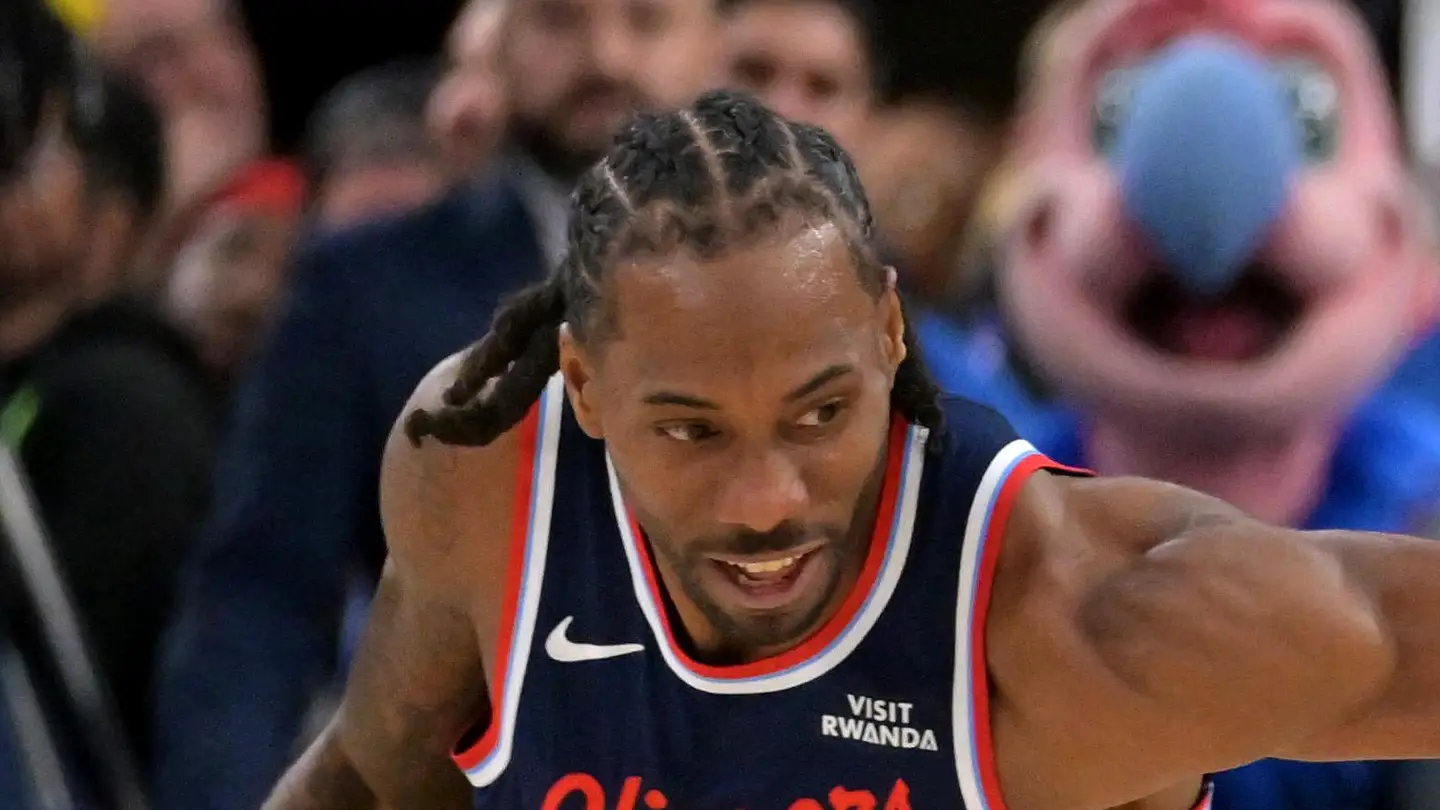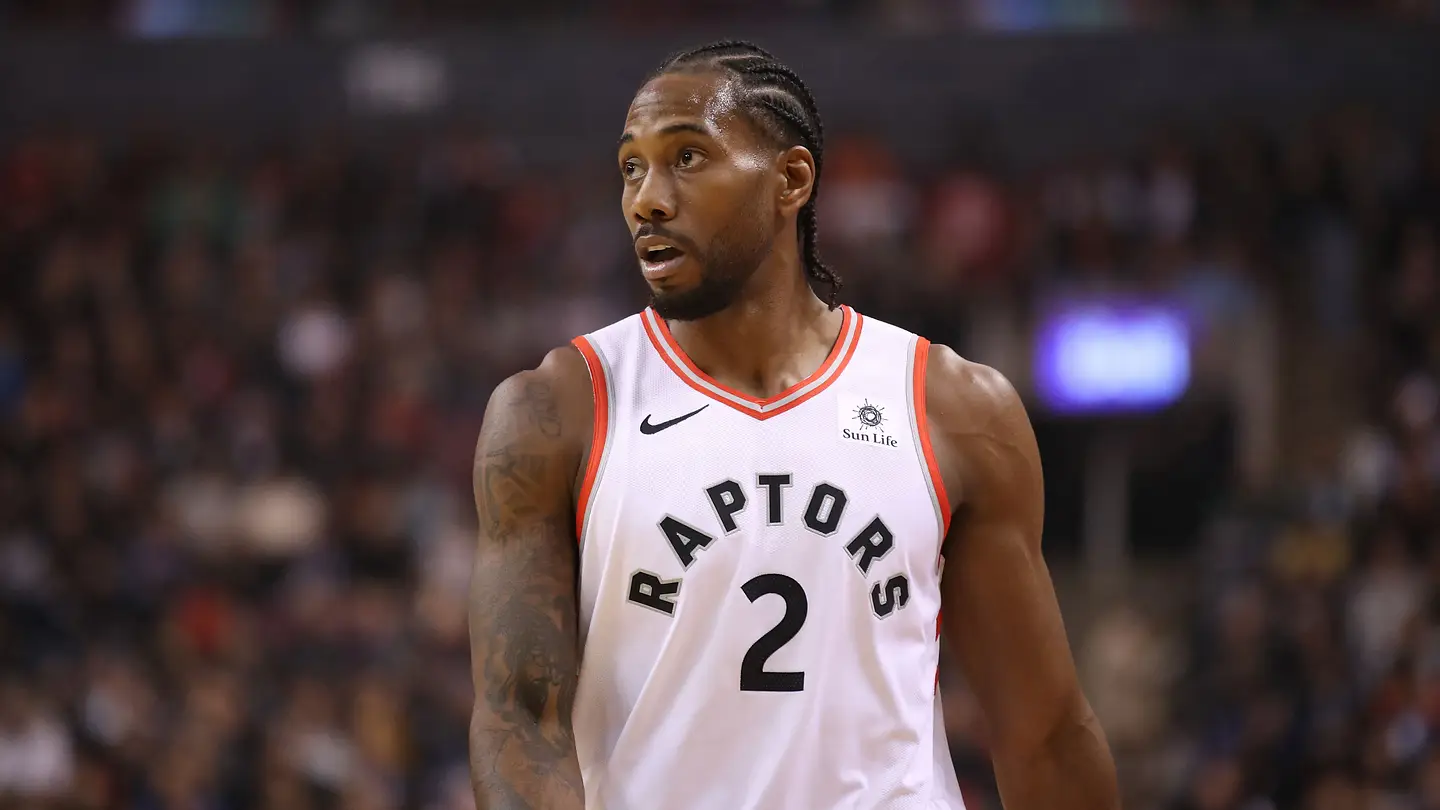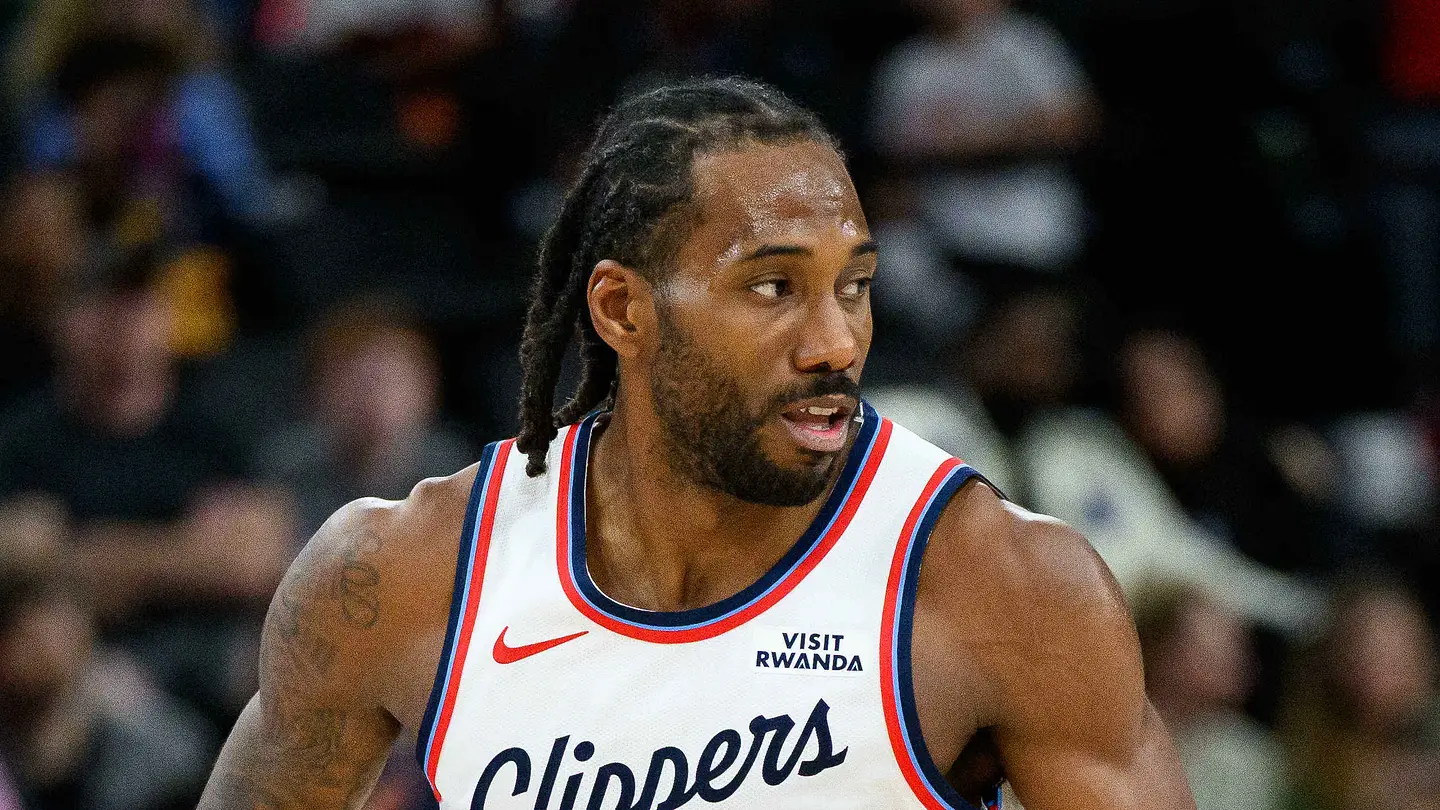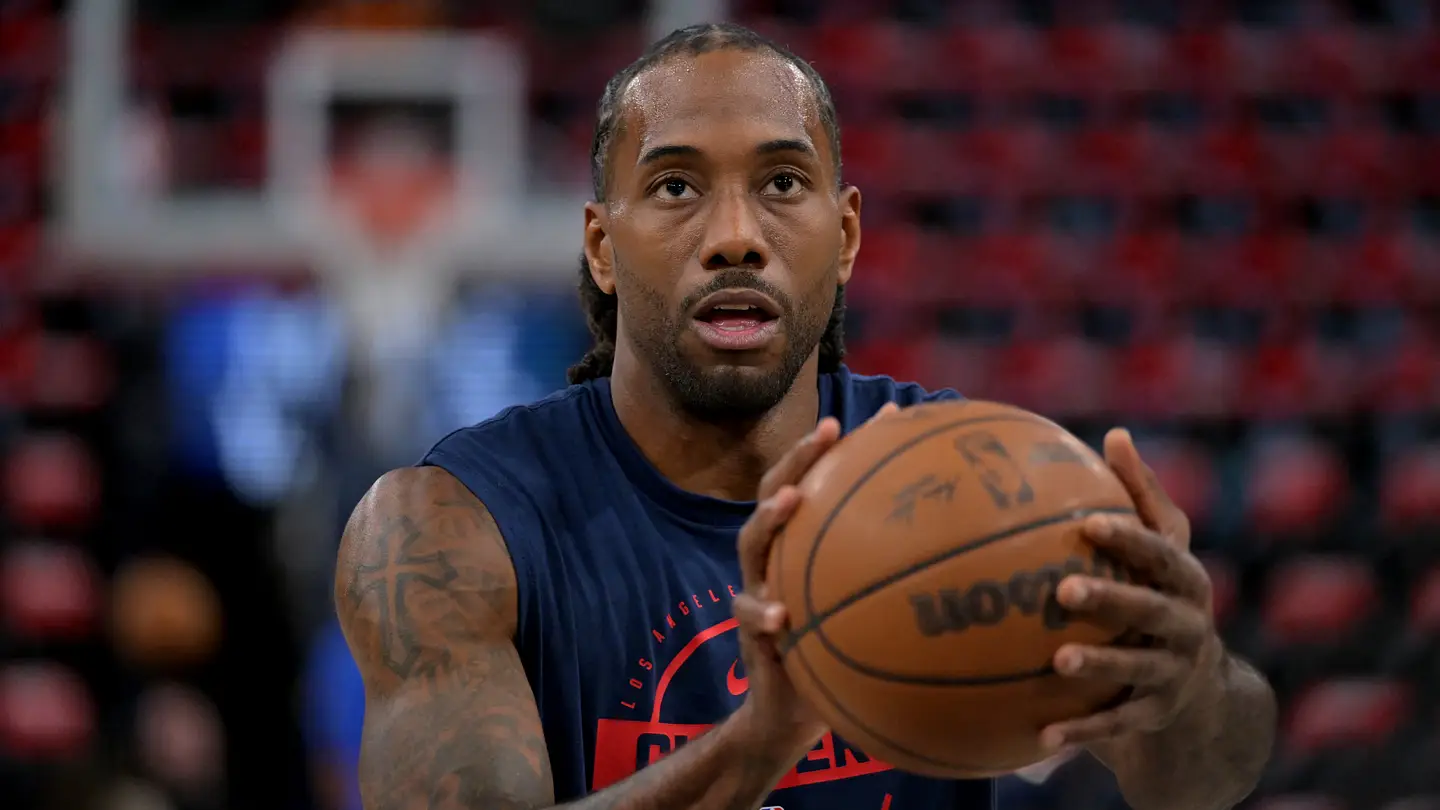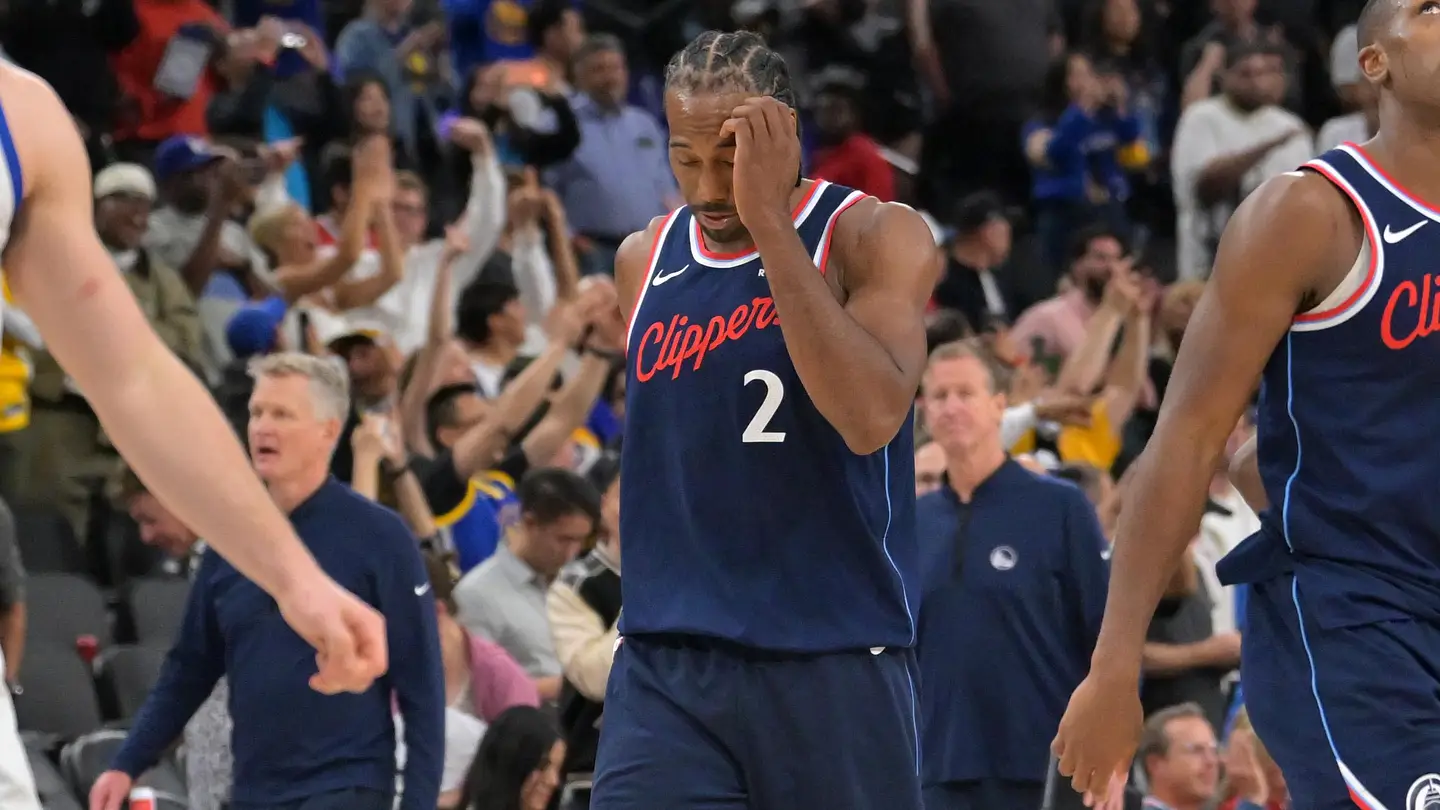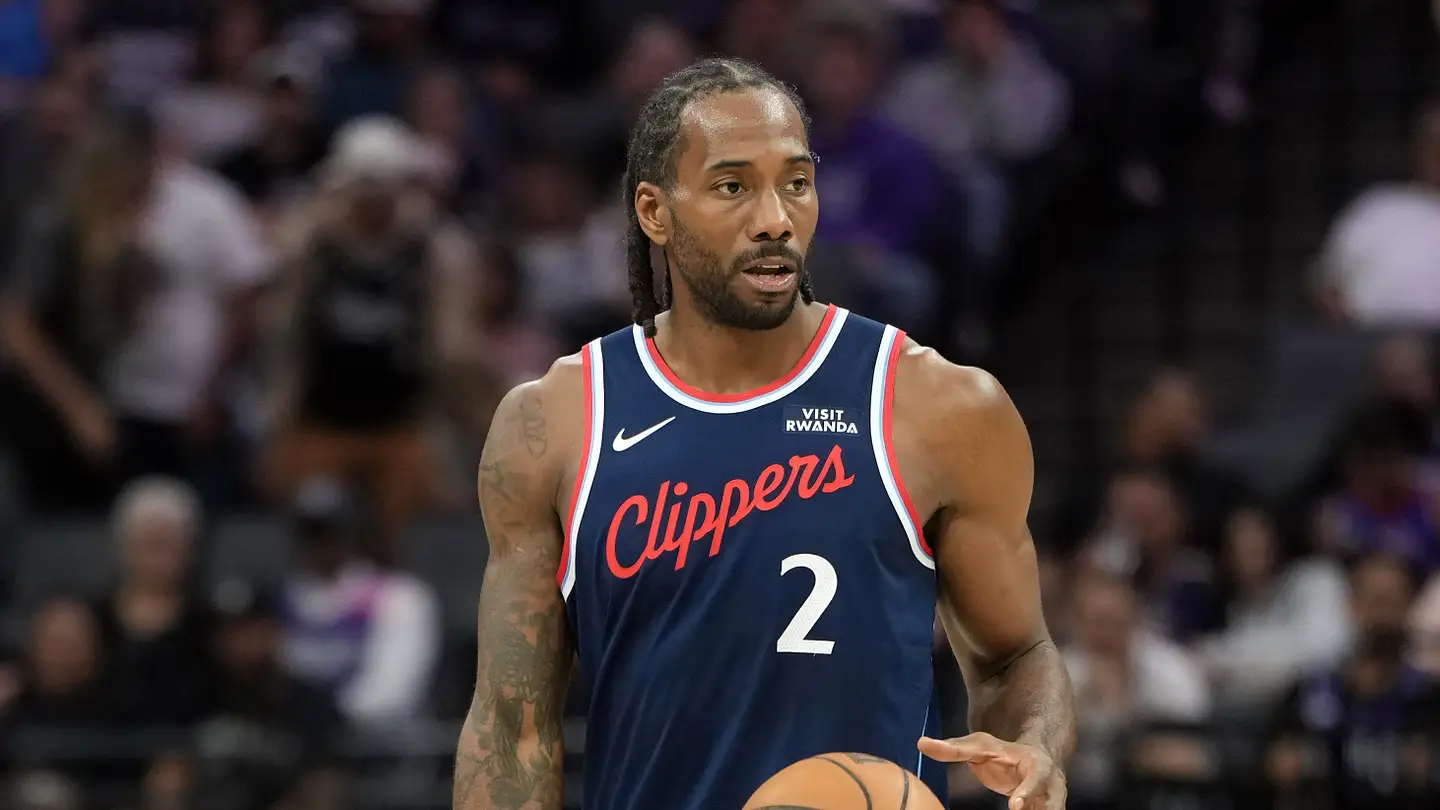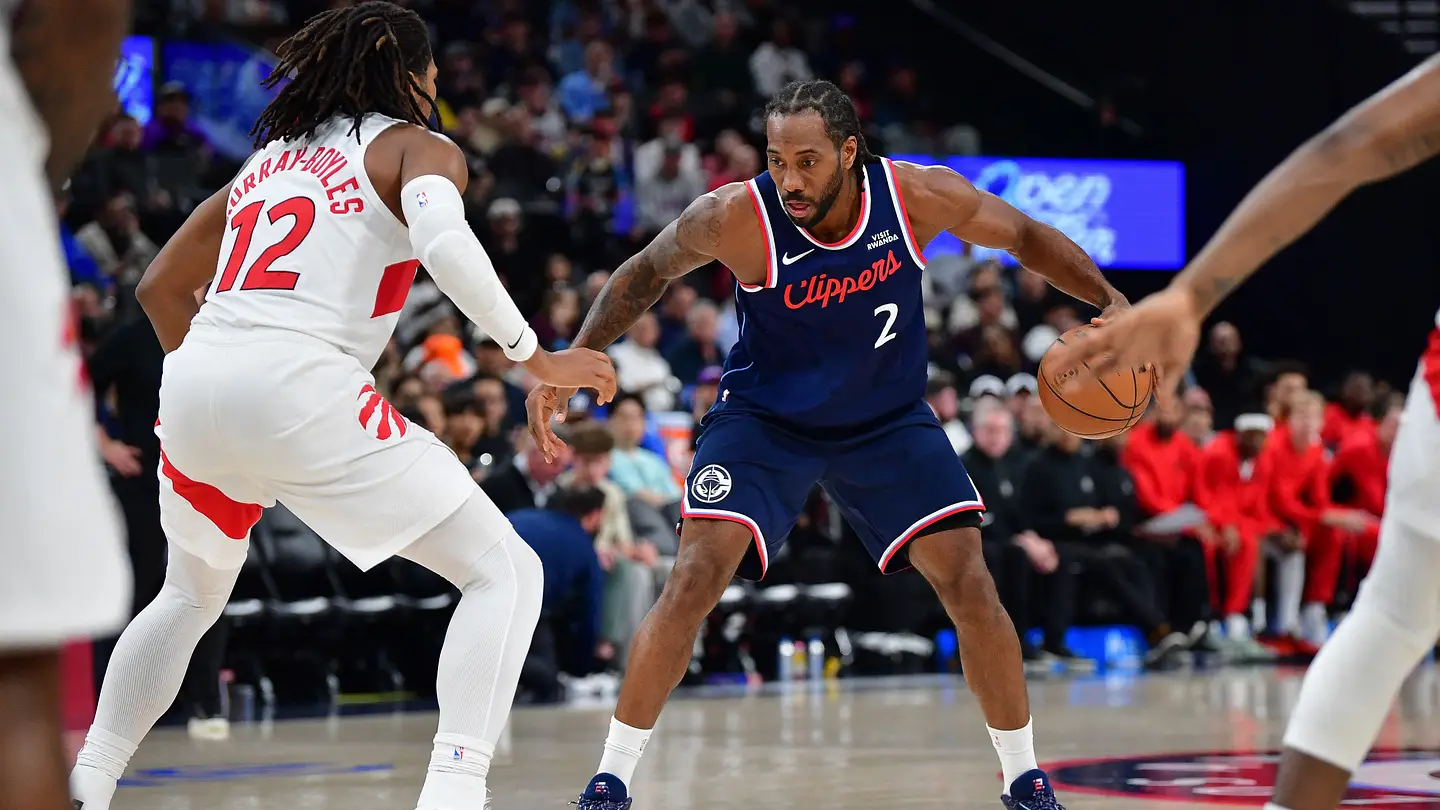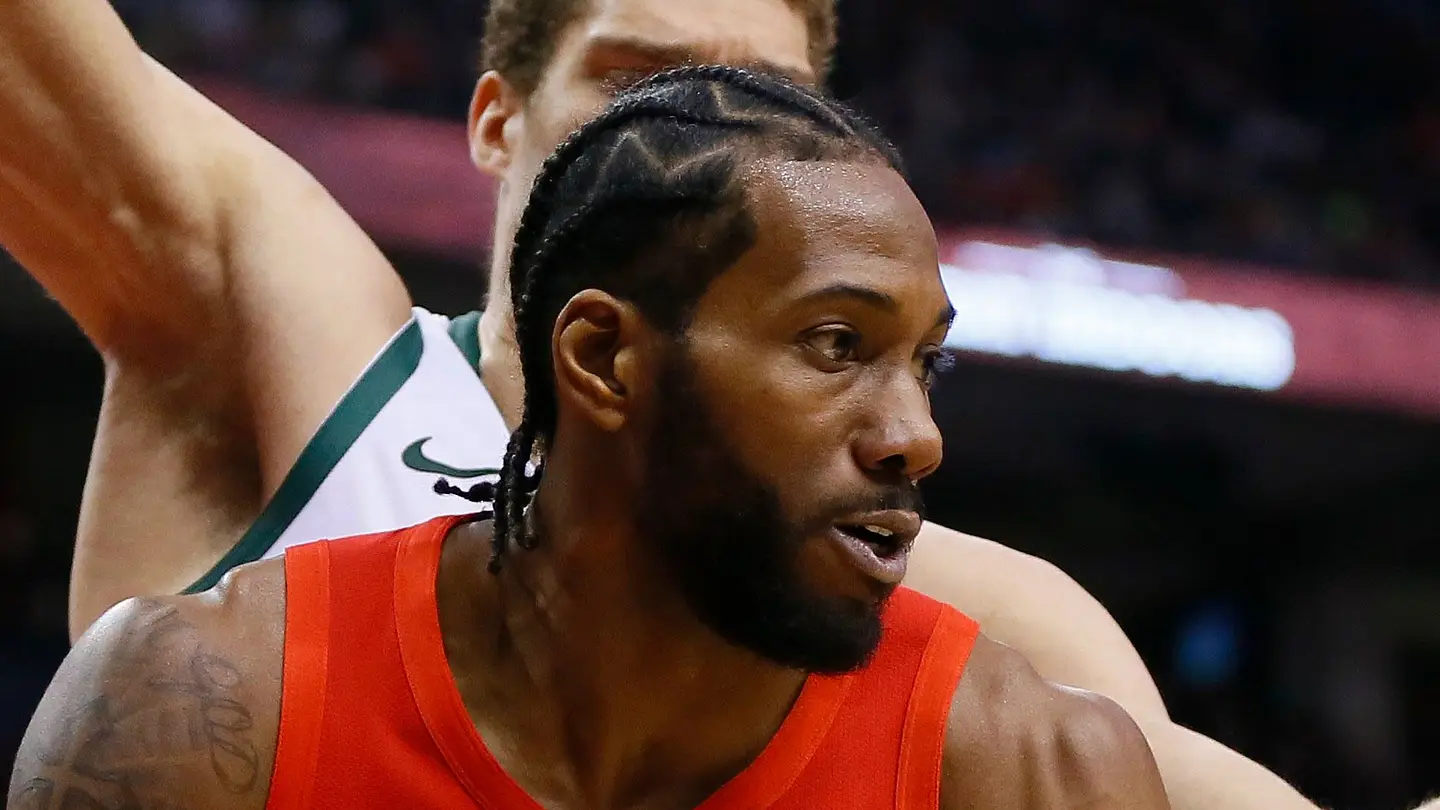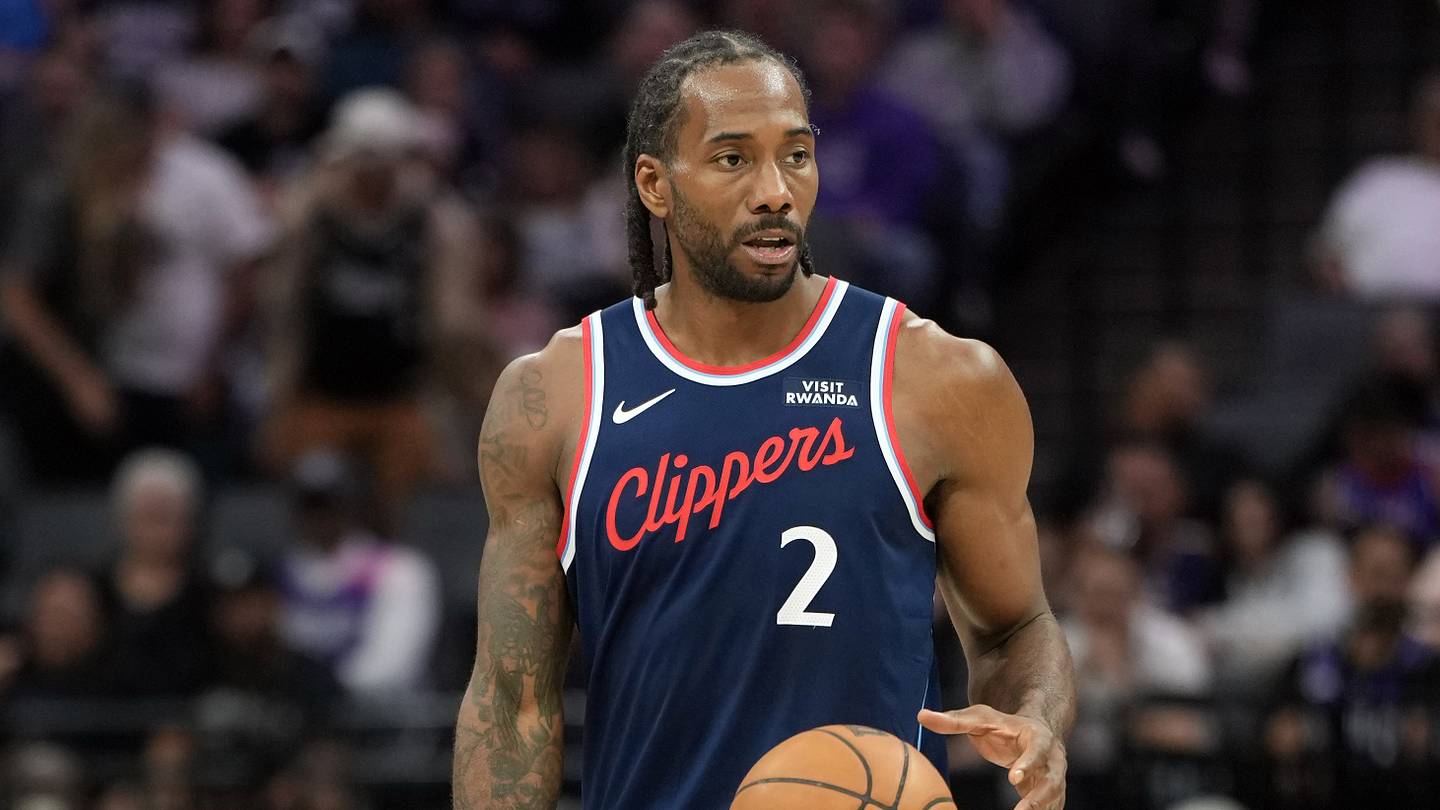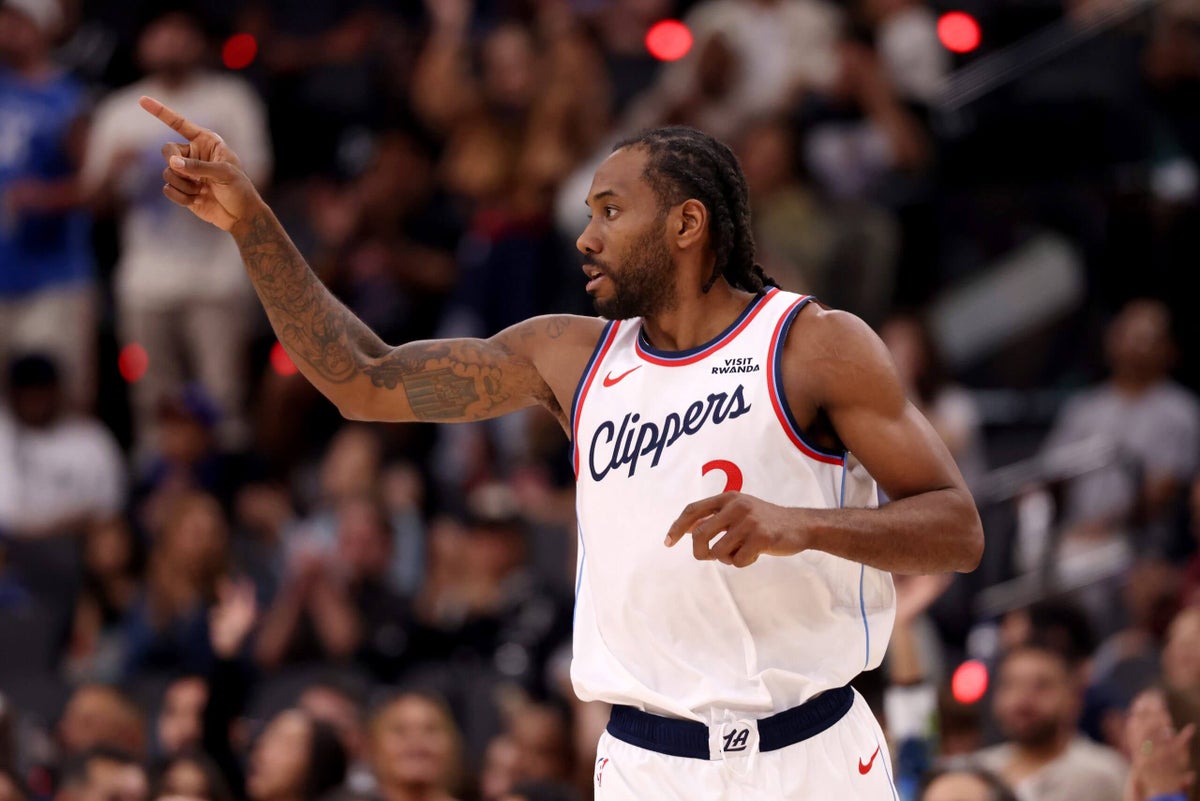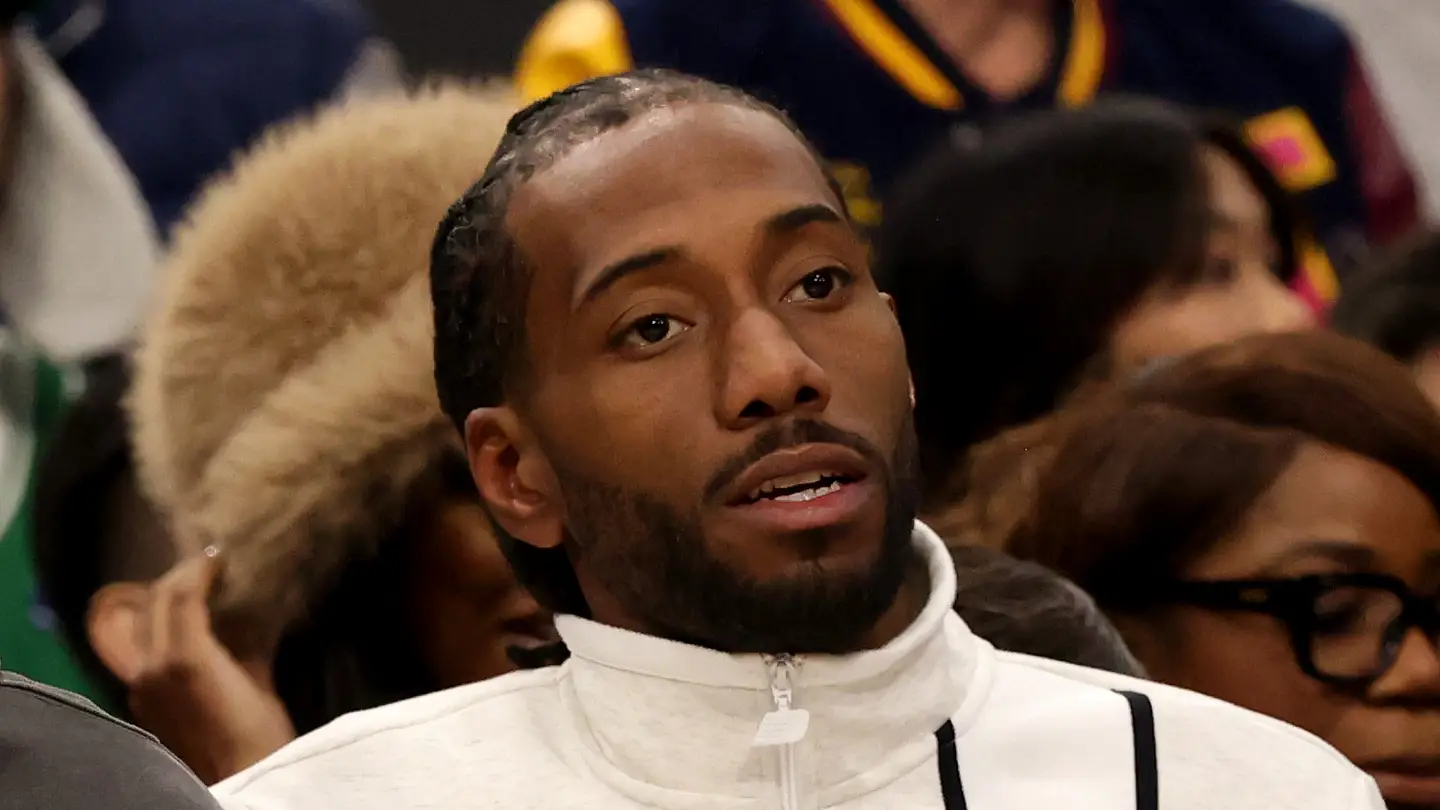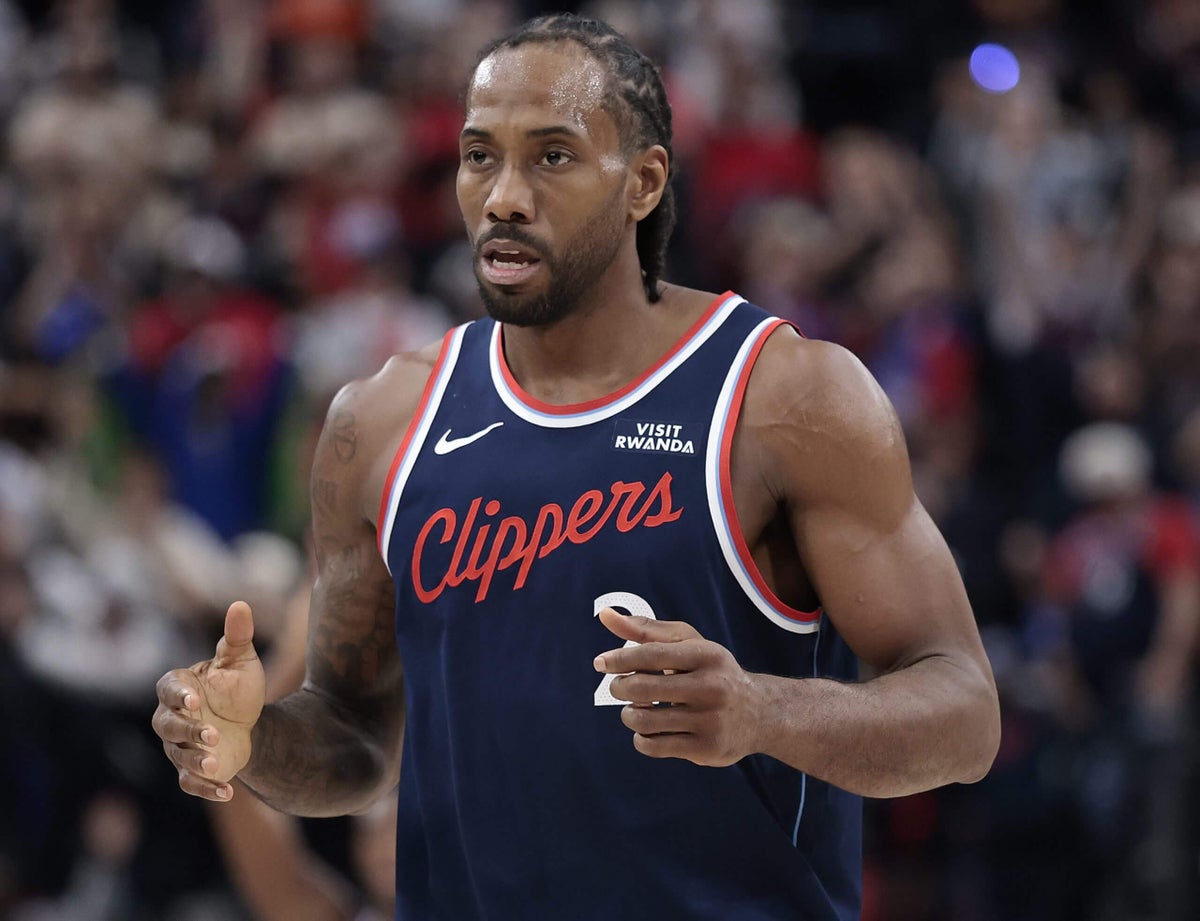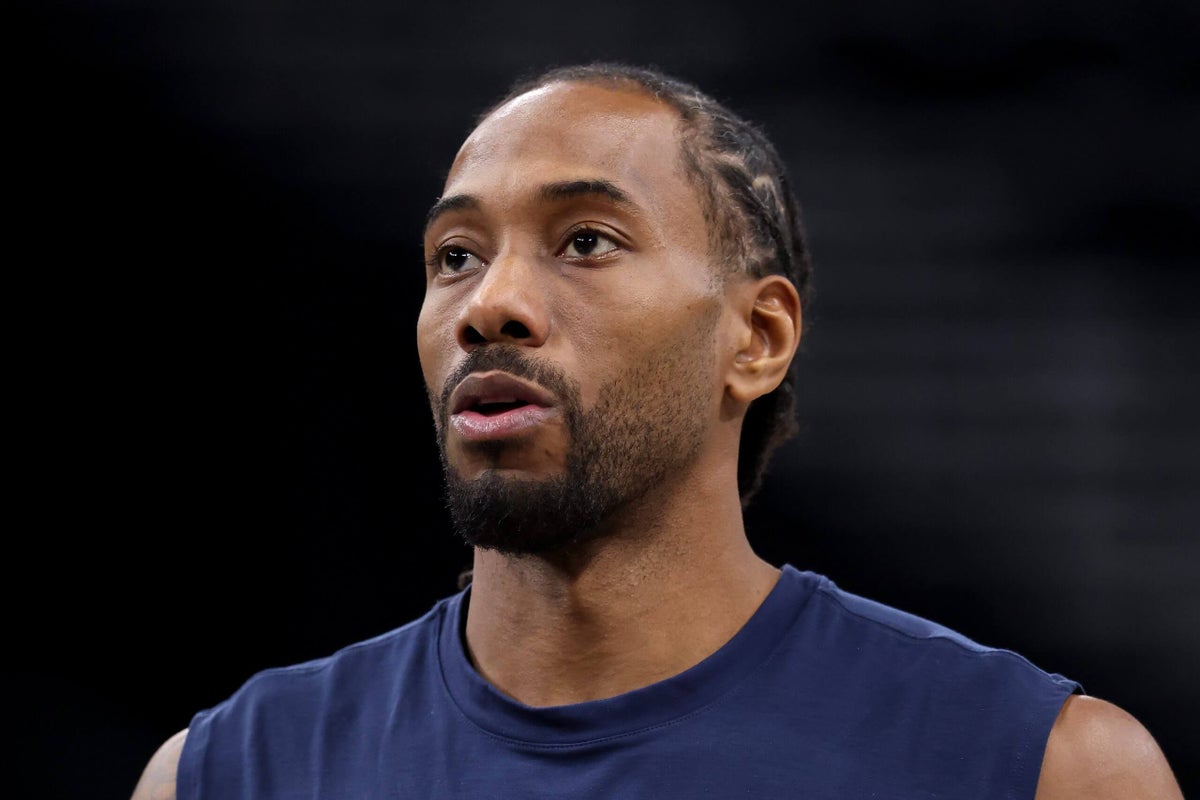
There was so much angst surrounding the Toronto Raptors’ first Kawhi Leonard trade.A lot of it had to do with giving up DeMar DeRozan, a good-if-flawed player who had shown unyielding loyalty to the Raptors and seemed to truly enjoy being the face of the franchise. Beyond that, there was wild speculation that Leonard might not report to Toronto, and certainly concerns that even if he showed up, his heart wouldn’t be in it. It seemed to ignore that the Raptors were only giving up DeRozan, Jakob Poeltl and a 2019 first-round pick for Leonard, and that LeBron James had just departed for Los Angeles, leaving the Eastern Conference wide open.Masai Ujiri, Bobby Webster and the front office were taking a calculated risk with a roster that had smashed its head on the ceiling multiple times. Eight years later, Webster, now running the Raptors with Ujiri in Dallas, has taken a much bigger risk. With their trade for Leonard, the Raptors could wind up being on a downswing just as they are about to be without two of their own picks in the span of three years. Leonard will be out of the league, while the end of Scottie Barnes’ prime will probably be in sight. That is a scary downside following a trade for an injury-prone 35-year-old player.How the Kawhi Leonard trade makes the Raptors a contenderEsfandiar BaraheniHowever, there is a huge upside, and it’s one Raptors fans already know: Even at this age, Leonard has been one of the league’s best 10 players whenever he’s on the floor. He is significantly better than Brandon Ingram on a per-minute basis, and now the Raptors don’t have to spend more time hoping Ingram will become a player he is not. Primarily, Webster is betting on three things: the Raptors’ medical staff, the strength of the culture and style that coach Darko Rajaković has built and, above the rest, Scottie Barnes.While this is an aggressive, win-now trade, it leaves the Raptors some flexibility to make future moves. Leonard, clearly, is more valuable than Ingram and Gradey Dick. The risk, then, lies in the draft picks they are surrendering — a first-round pick swap in 2027 and unprotected first-rounders in 2031 and 2033. The Raptors are also moving two second-rounders.It’s frightening to be without those picks so far off into the future, but structuring the deal like that allows the Raptors to further prune the roster. They can still trade the other end of the 2027 swap as well as their 2029 pick. They can also move swaps in 2028, 2030 and 2032. If Poeltl, again a Raptor if you haven’t been paying attention, holds up as poorly as he did last year, they might have to, given he is owed $56.8 million in 2027-28 and 2028-29, the same two years Leonard’s extension is likely to cover.If the trade was a bit richer in picks than expected, it should be noted that the Raptors managed to keep all three of Collin Murray-Boyles, Ja’Kobe Walter and Jamal Shead, their most important players on rookie contracts. They also kept Allen Graves, whom the Raptors picked with the 19th selection of last month’s draft.The Raptors will need those young players to perform because it will be hard to add to the roster. Leonard is entitled to a 15 percent trade kicker, which the Clippers would pay but would go on the Raptors’ cap sheet. (Players can also waive a kicker, as Marc Gasol did in 2019 when the Grizzlies traded him to the Raptors.) That could raise Leonard’s 2026-27 salary from $50.3 million to $57.5 million, and immediately put the Raptors over the luxury-tax threshold with just 12 players signed to main-roster deals. Alijah Martin, a 2025 second-round pick who spent last year on a two-way contract, became the 12th player after he signed a two-year deal worth $4.8 million on Wednesday, according to a team source, who was granted anonymity because no deals are official during the league’s moratorium. The second year of the deal is a team option. A team must carry at least 14 players on standard NBA deals.
The Kawhi Leonard trade is a big risk for the Raptors. It’s worth it
The Raptors' second Kawhi Leonard trade is much costlier than their first, but it comes with similar promise.
1,665 words~8 min read