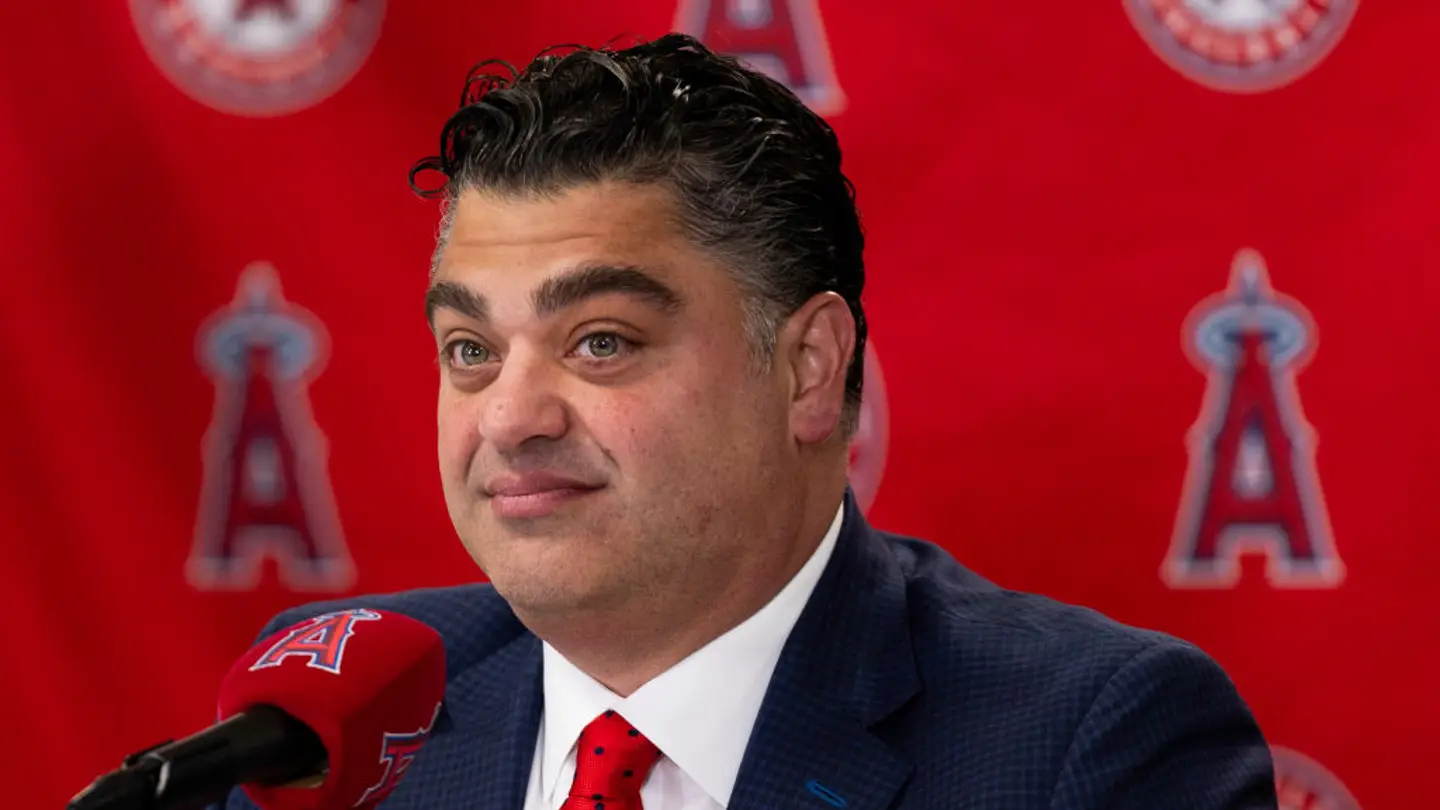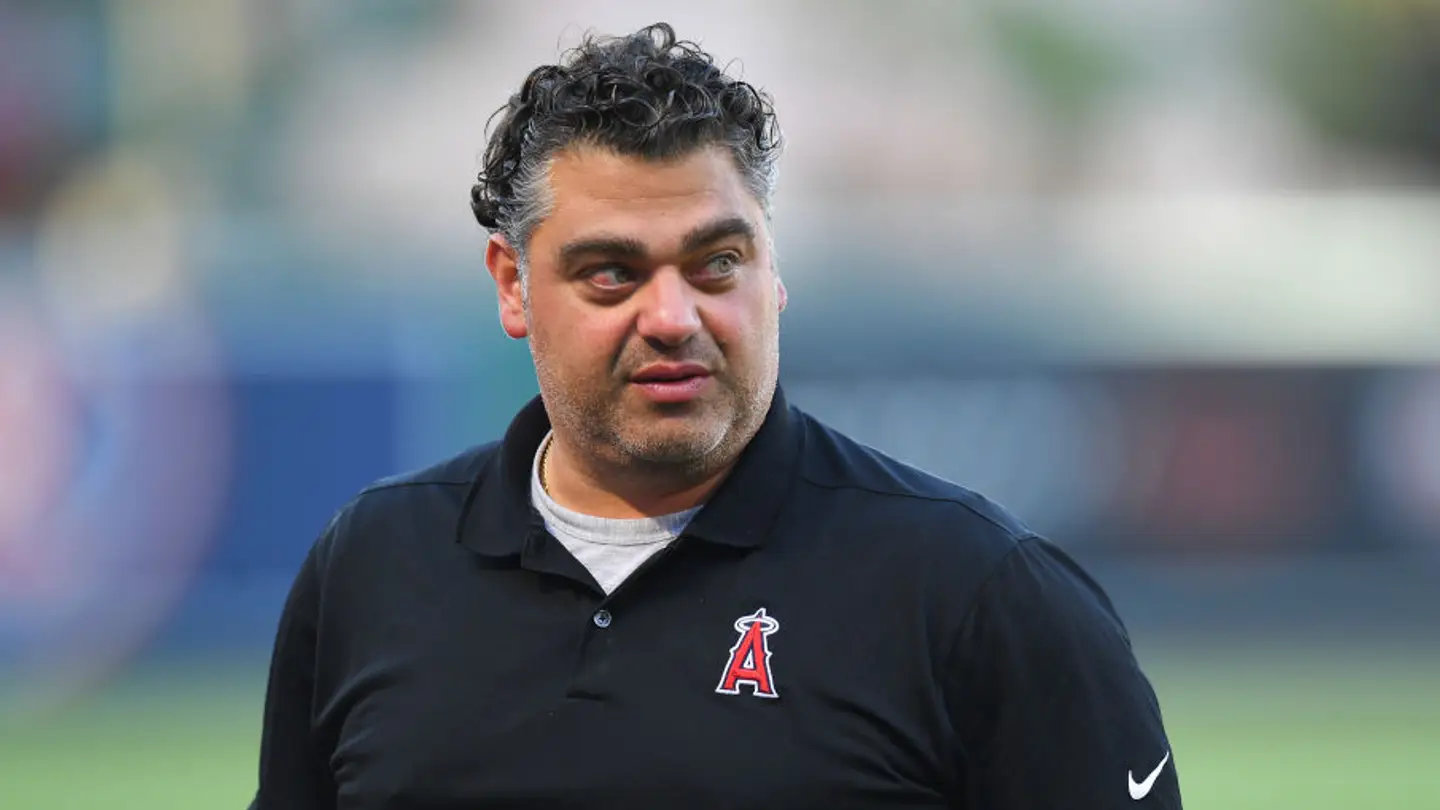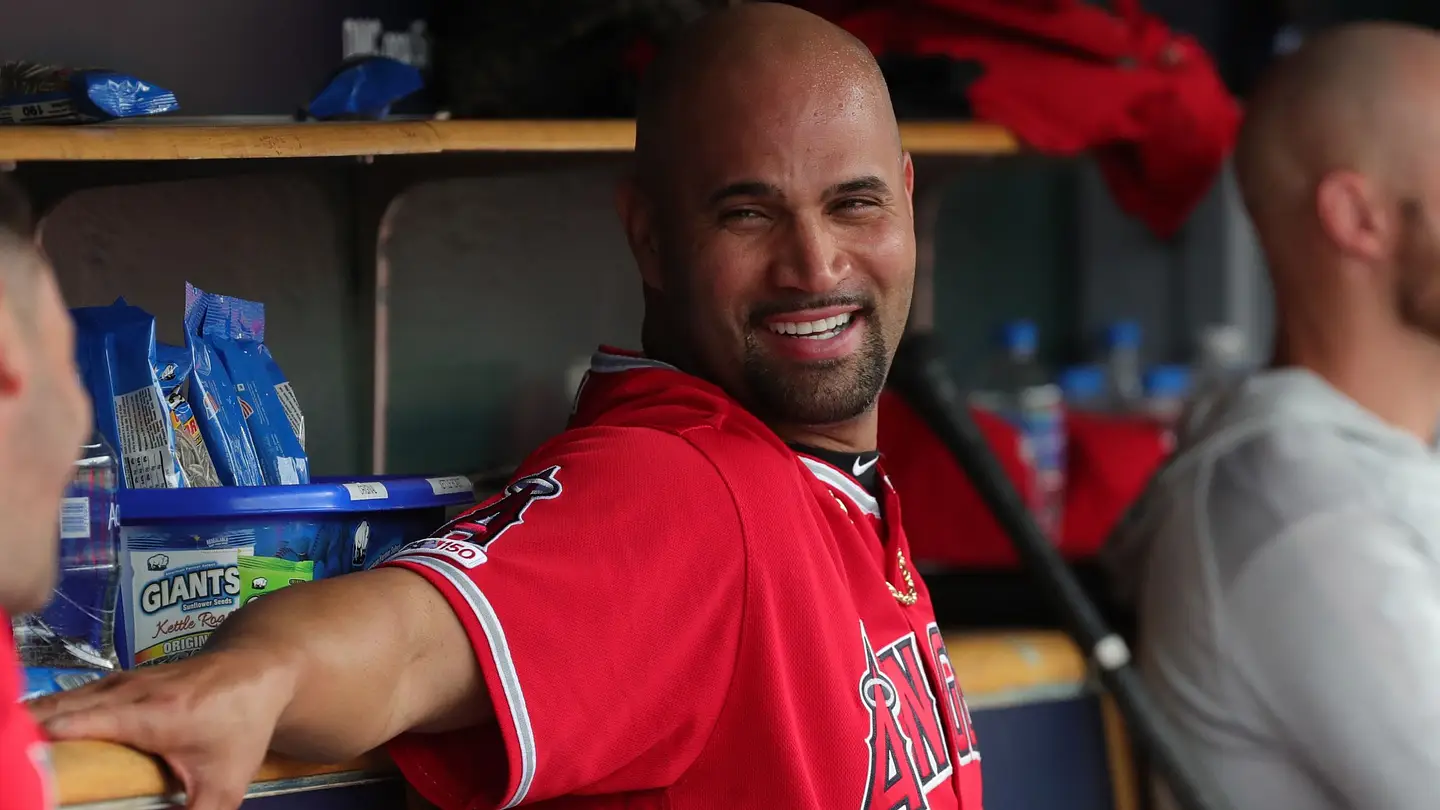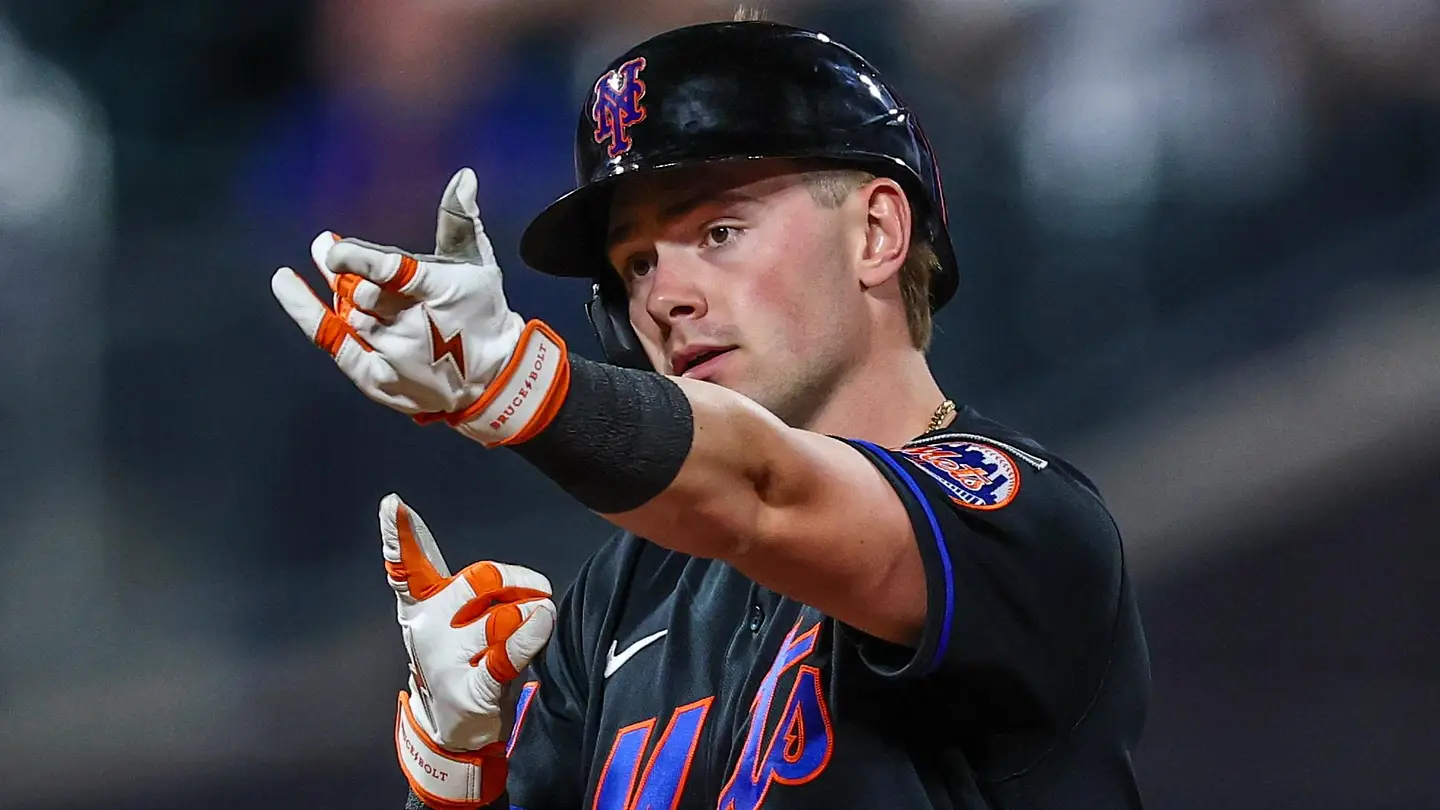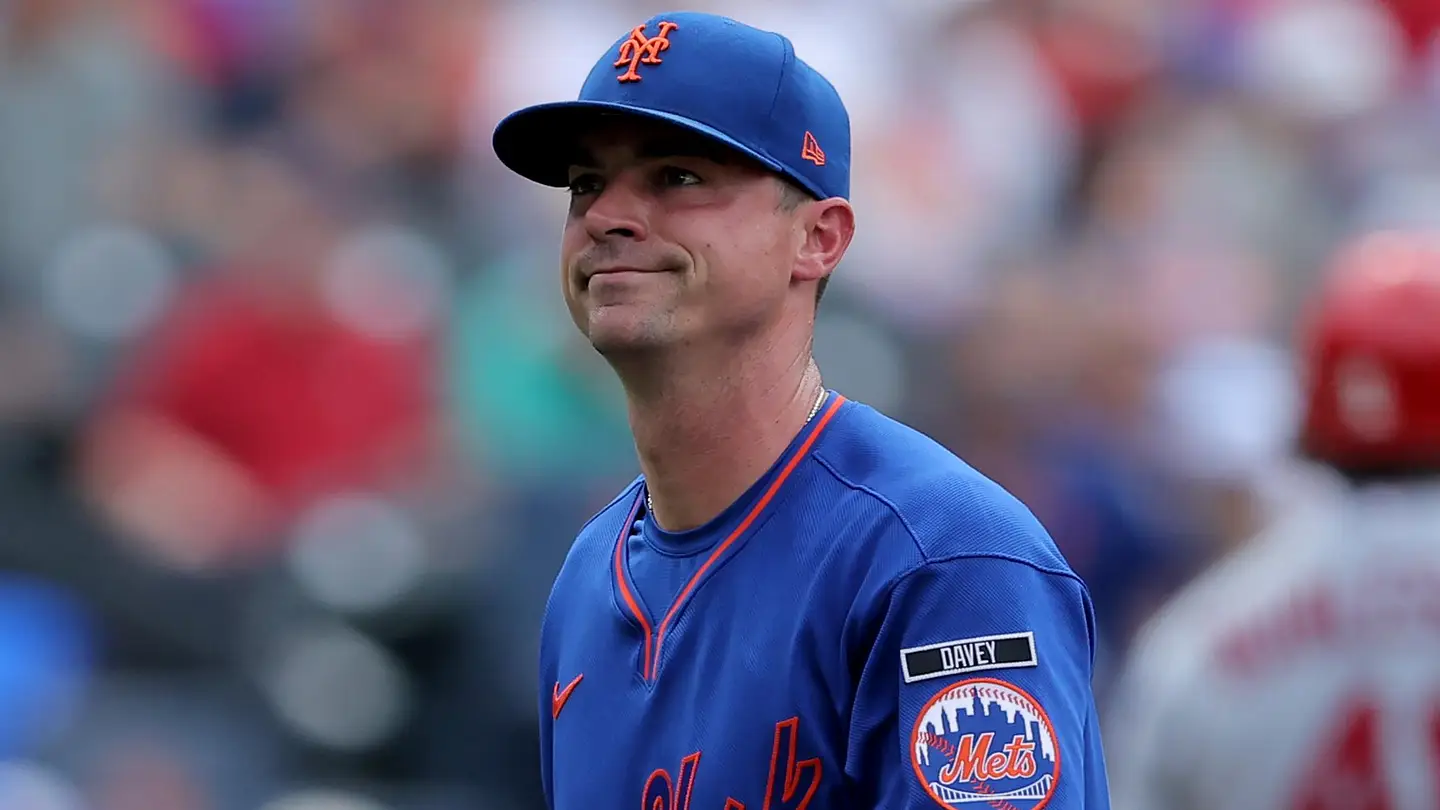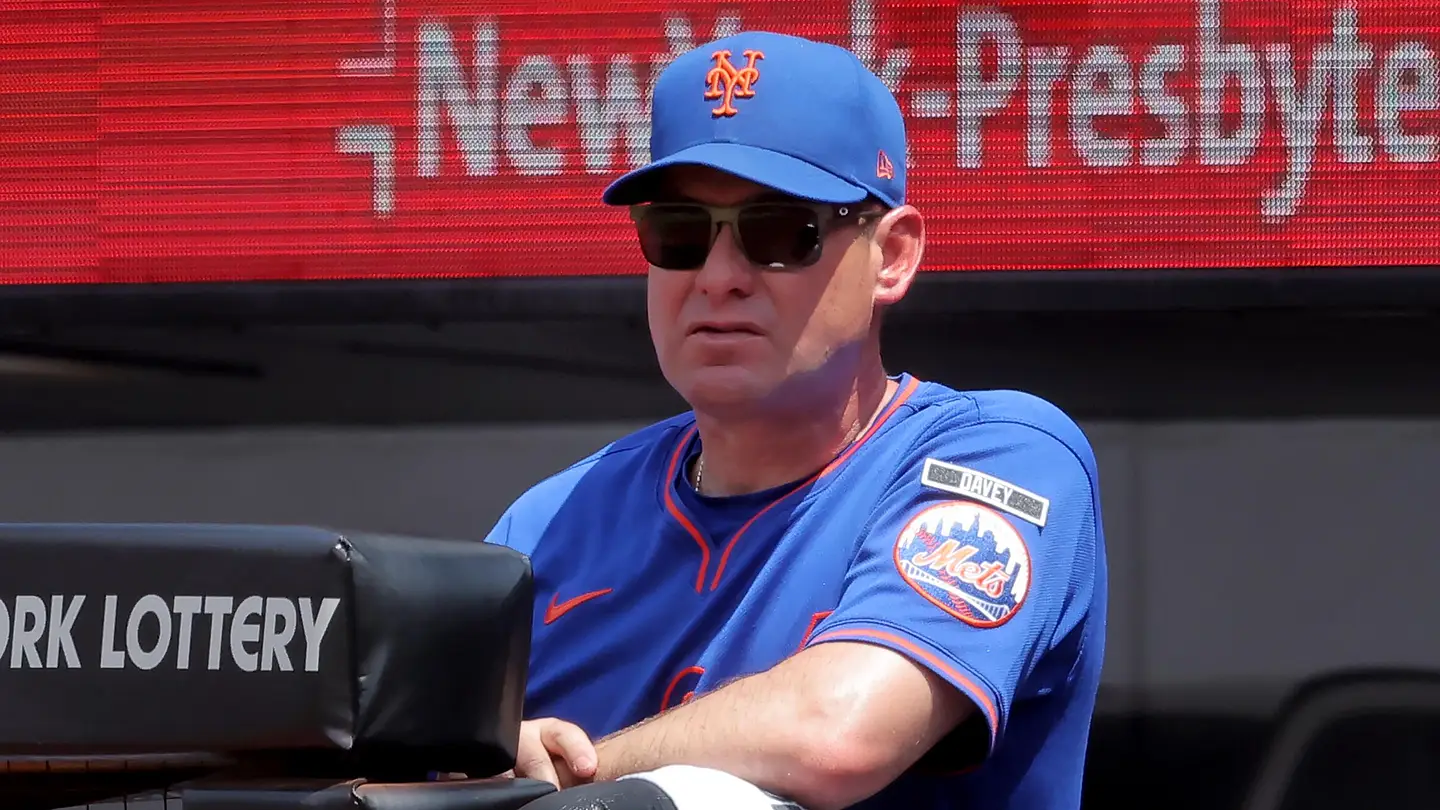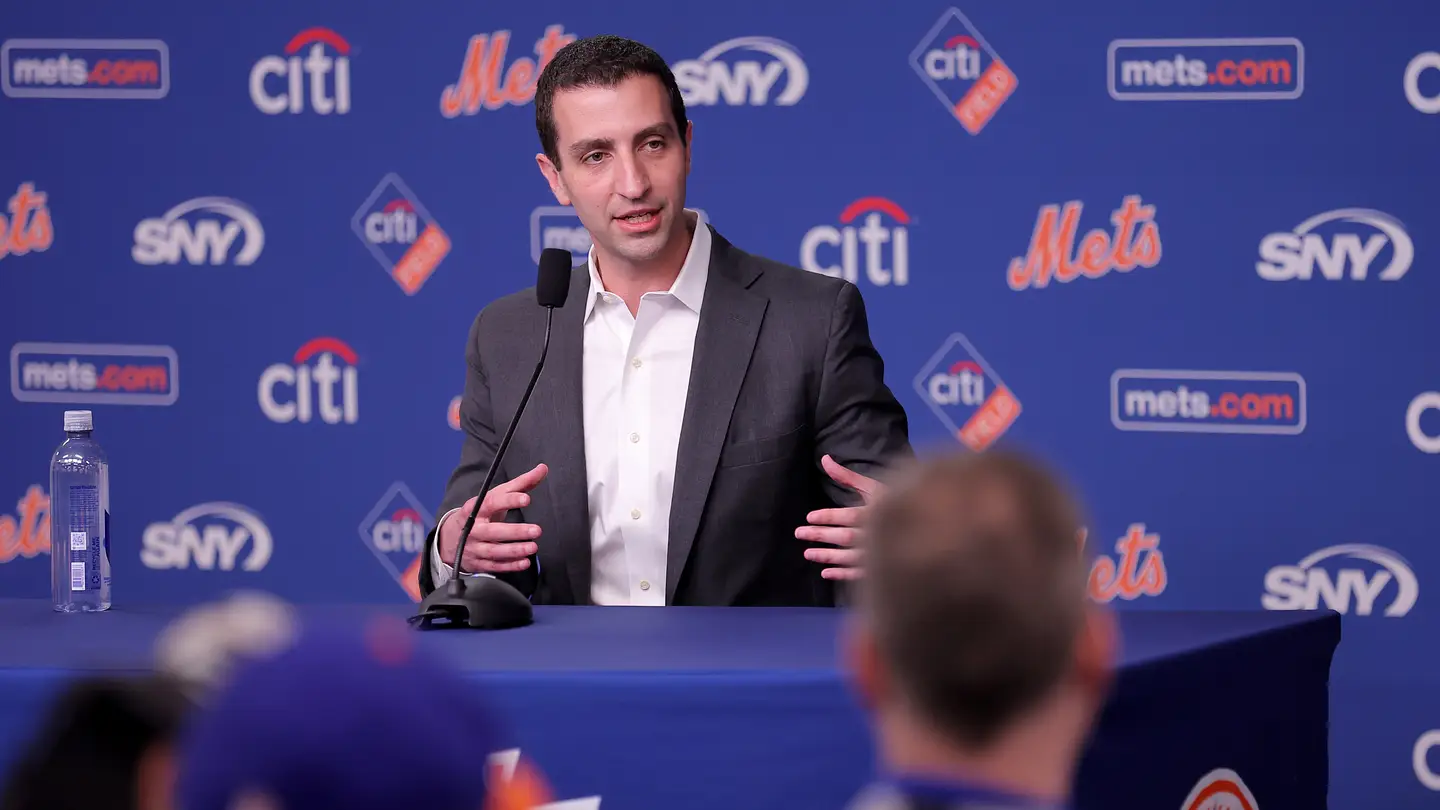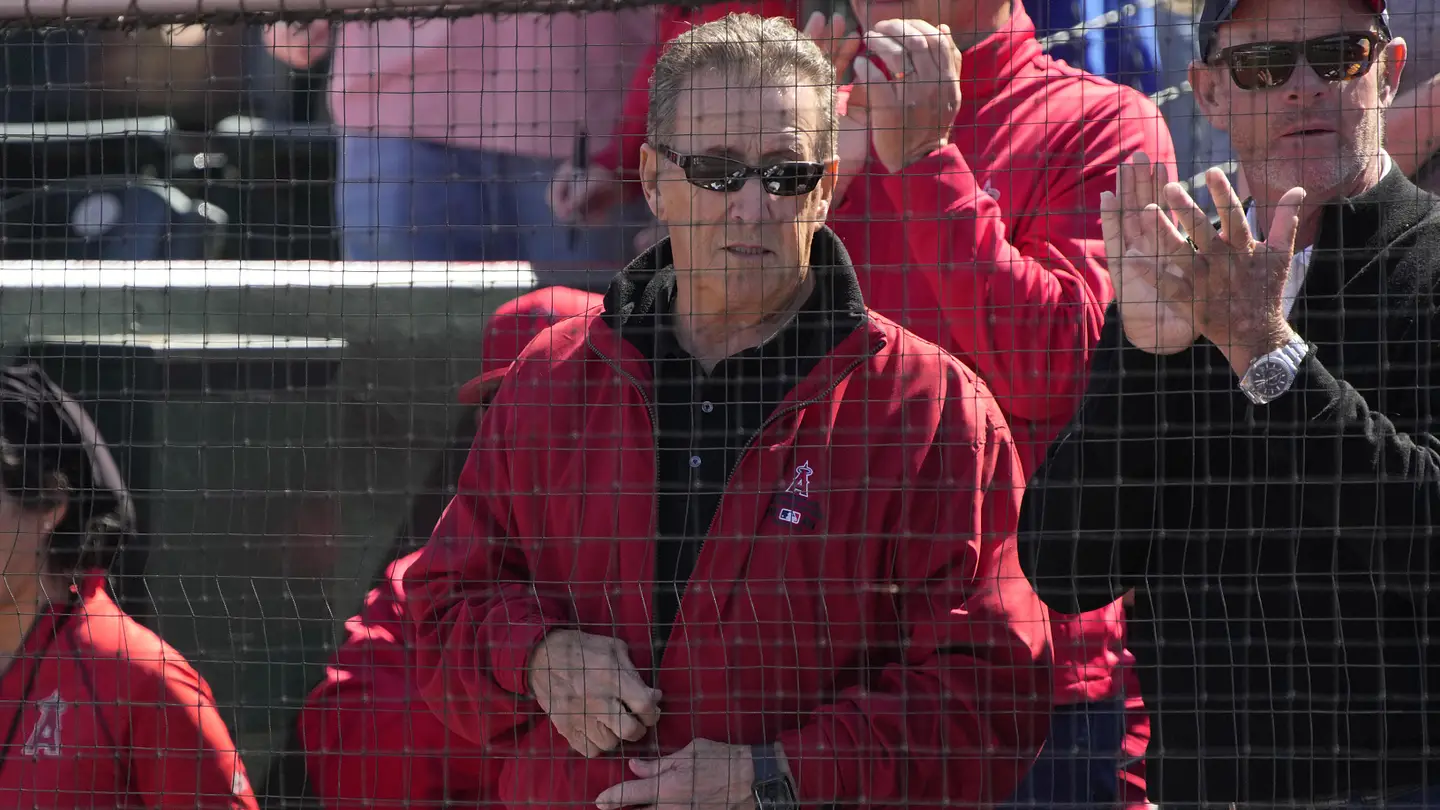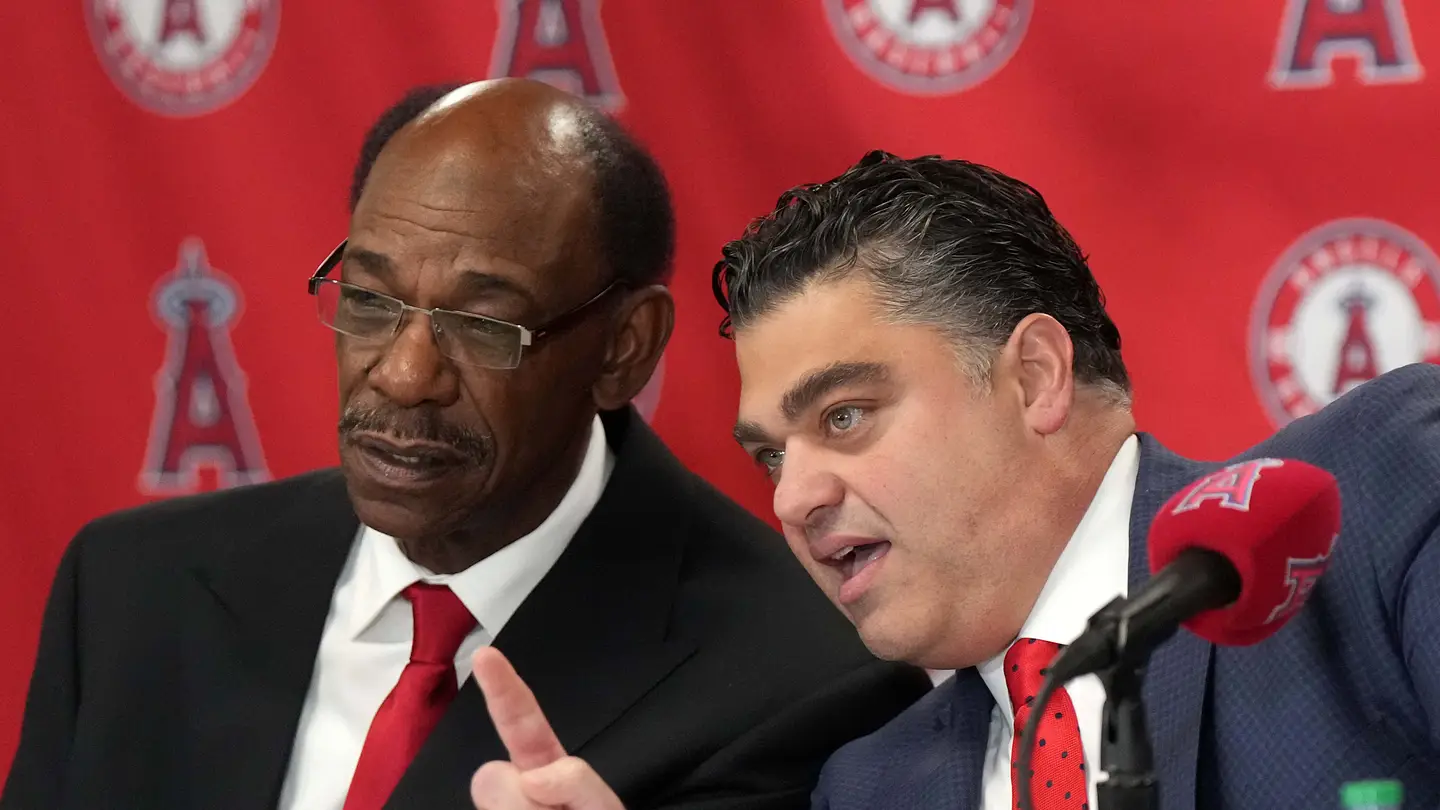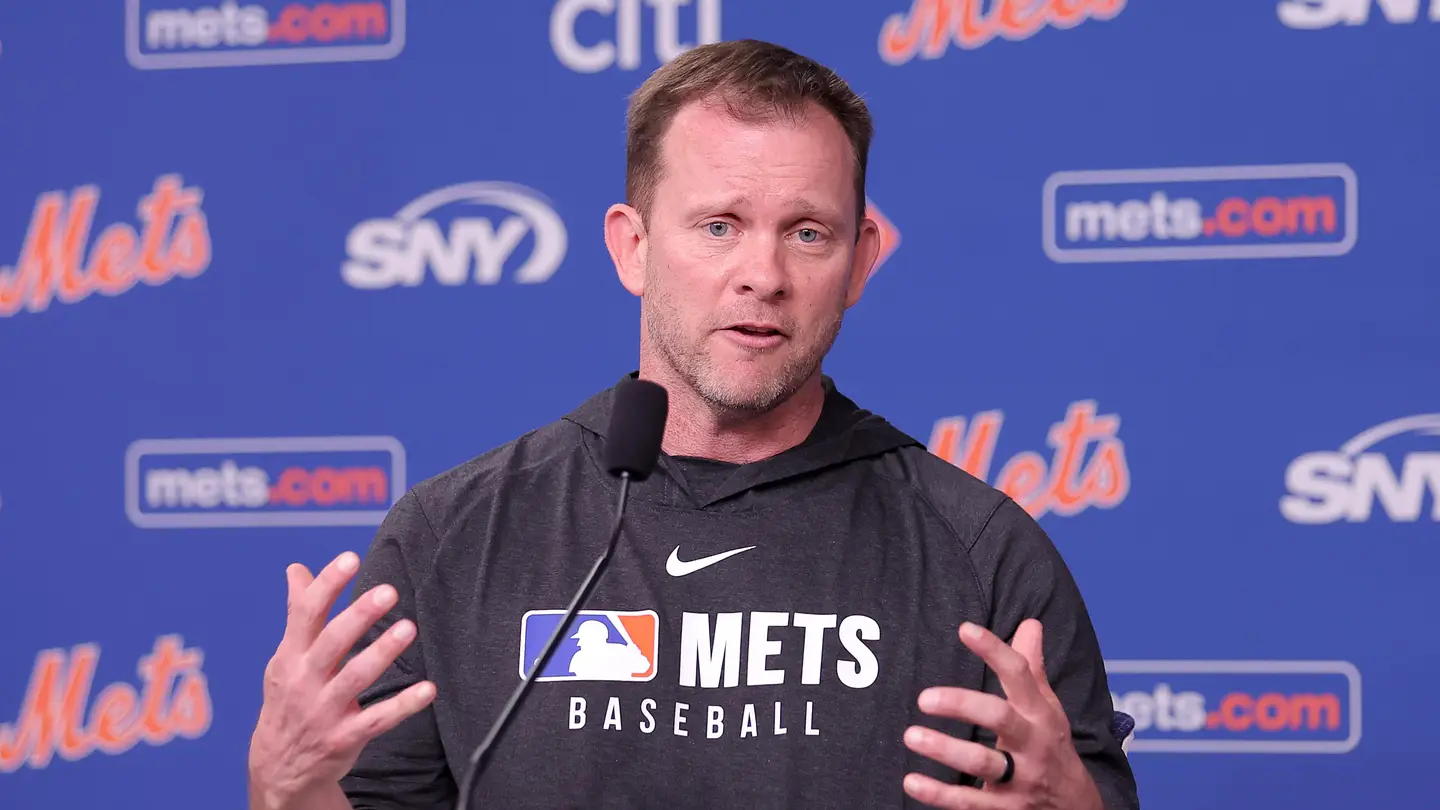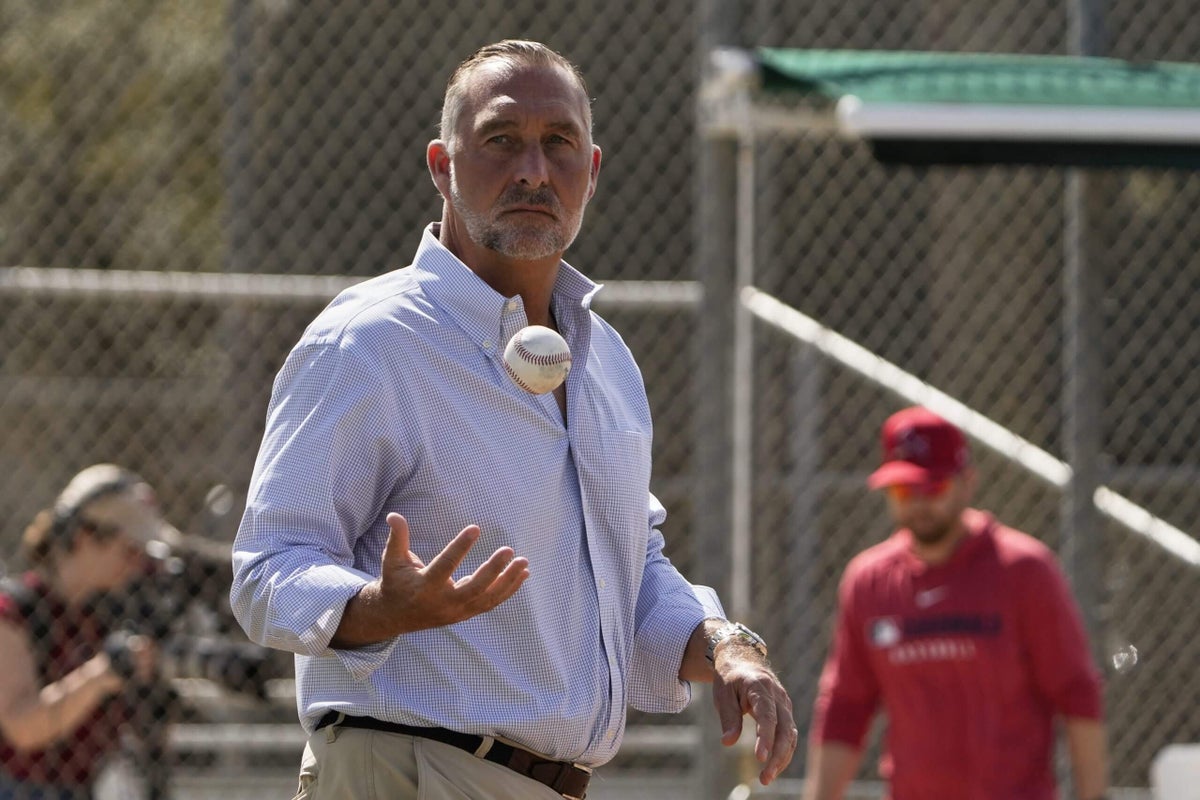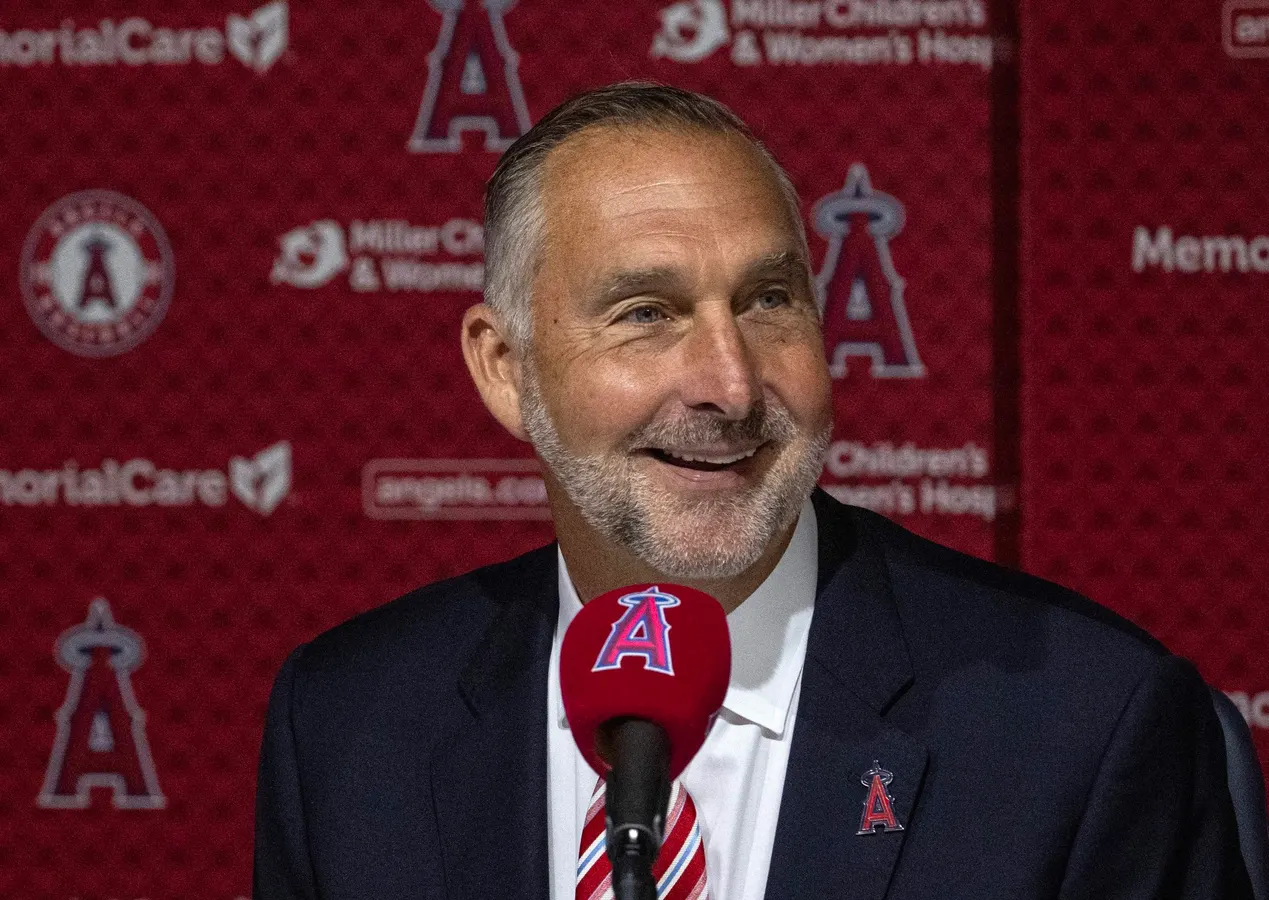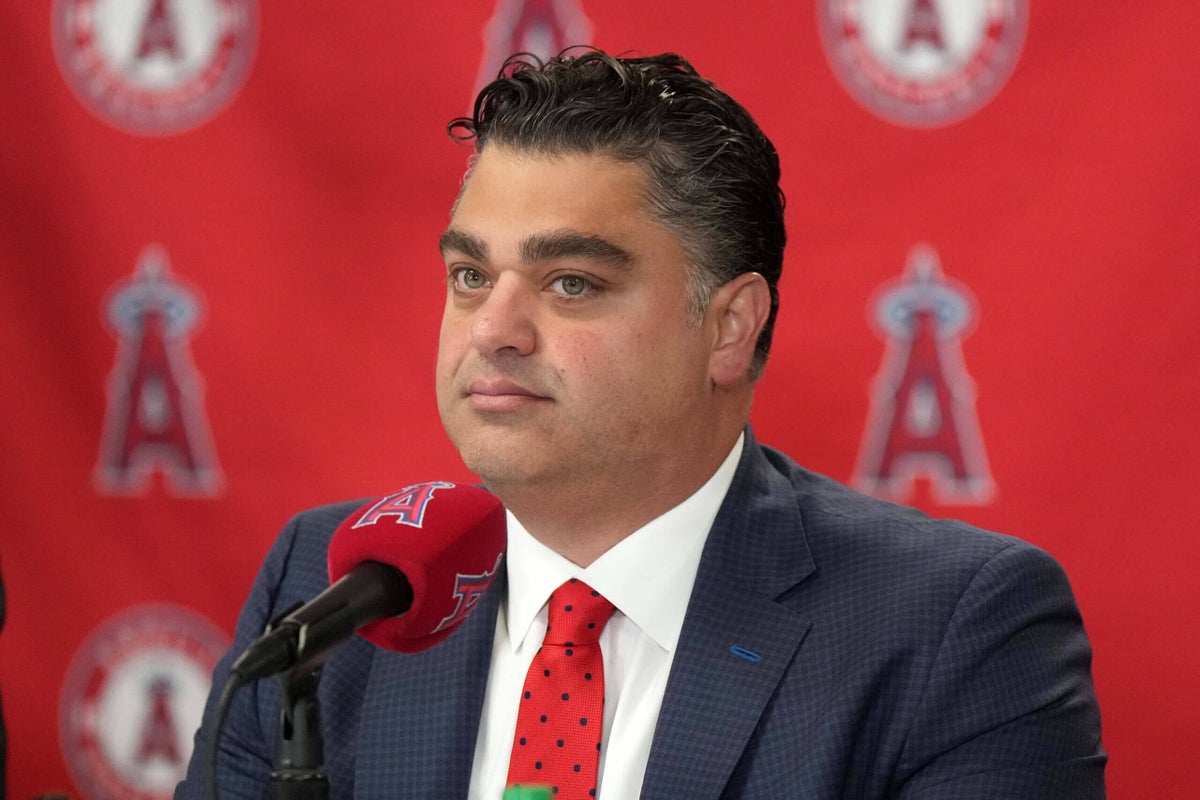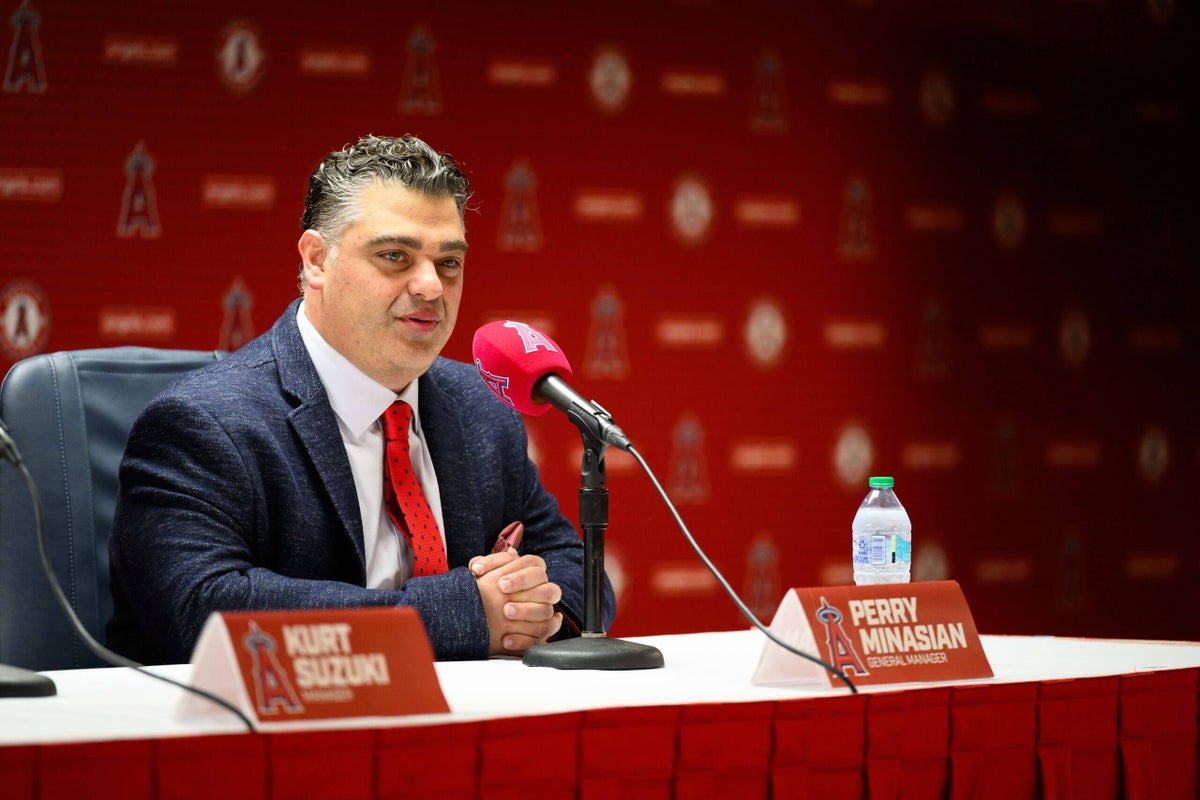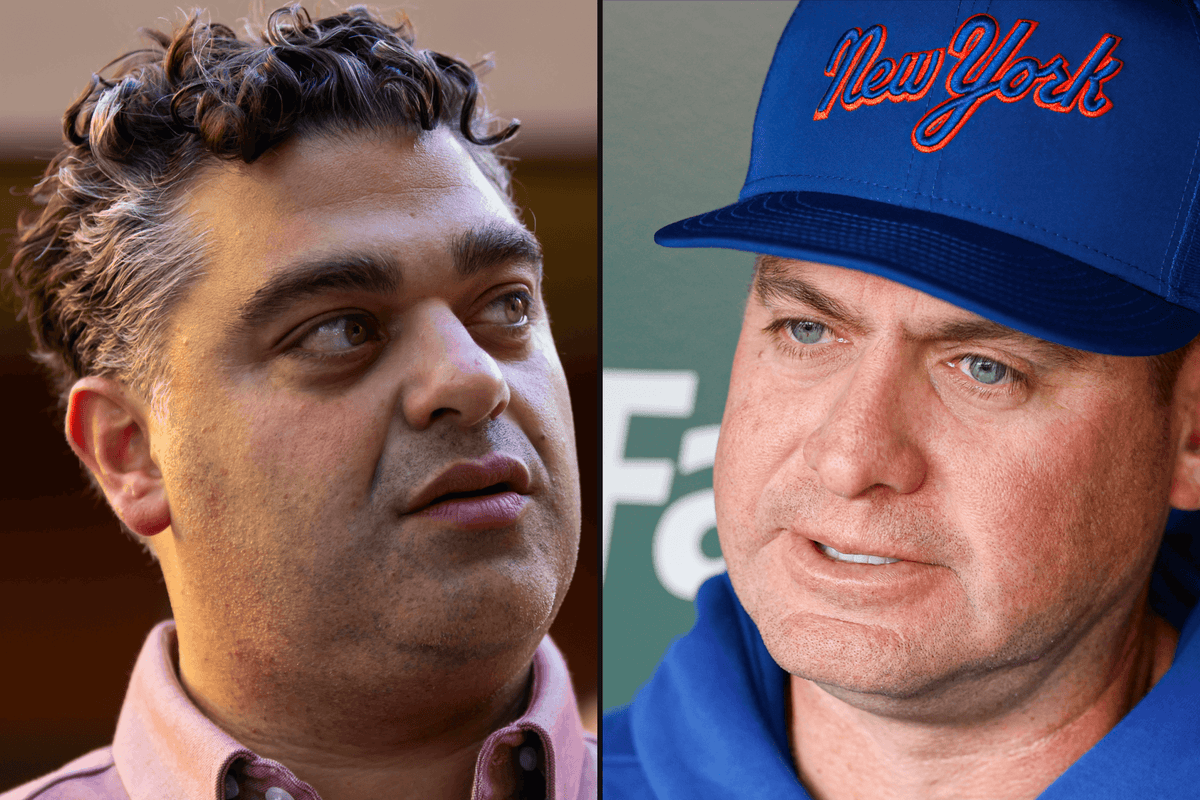
Last Friday was firing day for Major League Baseball, as the Los Angeles Angels and New York Mets made significant in-season leadership changes, with the Angels replacing general manager Perry Minansian and the Mets letting go manager Carlos Mendoza. While both moves were done with the intent of shaking up teams with losing records, they are likely to have very different impacts for the two organizations.Generally speaking, MLB teams try to avoid making in-season changes with their front office and dugout leadership unless the moves will bring significantly better results either in the present season or for the long-term. Most clubs prefer to make those changes at the end of the regular season, when the hiring process can involve more candidates.That said, sometimes in-season moves work. Recent examples of in-season managerial shifts completely changing the course of a team’s season were the last two made by future Hall of Fame executive Dave Dombrowski of the Philadelphia Phillies. In June 2022, he fired manager Joe Girardi and replaced him with bench coach Rob Thomson. After going 22-29 with Girardi at the helm that season, the Phillies turned things around under Thomson and reached the World Series.Dombrowski made a similar move this year, firing Thomson after the club started 9-19 and replacing him with Don Mattingly, who has gotten the Phillies back in playoff position and within striking distance of the NL East lead.Dave Dombrowski sparked two teams with in-season managerial changes, though that isn’t the preferred path for MLB organizations. (Eric Hartline / USA Today)Girardi was fired in part because of how tense the clubhouse had become, and Dombrowski felt Thomson’s more laid back-type leadership would connect better with the roster. He was right.This time around, the Phillies were too comfortable and were playing with no sense of urgency. Dombrowski felt a managerial change would light a fire under the players and make them understand they were responsible for Thomson’s ouster because they weren’t performing close to their abilities. Once again, the team reacted to the change in leadership in a favorable manner.While those two Phillies’ moves had immediate positive outcomes, we shouldn’t expect similarly quick turnarounds for the Angels and Mets after the Minasian and Mendoza firings. In both cases, the teams aren’t good enough to win this year regardless of who is leading them. That said, the Angels’ change was the right move at the right time for baseball reasons, while the Mets’ change will have little-to-no impact on their short- or long-term future and seems more like a public relations move than a baseball one.Let’s start with the Angels’ decision first. They hired Minasian in November 2020. His rise to the GM position was a feel-good story, as he began in baseball as a clubhouse attendant who cleaned toilets and polished shoes and worked all the way up to GM. We were all rooting for him to succeed; what a great American dream story. However, the results were abysmal. The Angels never won more than 77 games in a season. Minasian never signed a major free agent, never made a blockbuster trade and didn’t have much success in the draft despite having five top 13 picks in five drafts. He went through five different managers and finished with a dismal 392-500 record. He rarely talked to the media unless it was off the record and always seemed to imply that the things he didn’t do were because of ownership.This offseason was more of the same, as he continued to sign or trade for injury-prone players such as pitchers Drew Pomeranz, Kirby Yates, Jordan Romano and Alek Manoah. It was akin to throwing spaghetti at the wall to see if it would stick. There was no plan, no process and no proven executives around to help guide him.In 2023, he had a chance to trade Shohei Ohtani at the deadline and rebuild the organization when everyone knew Ohtani wasn’t going to re-sign with the Angels, but instead he held on to him. Now we’ve learned that he could have had Junior Caminero from the Tampa Bay Rays in an Ohtani deal, but the move was nixed by ownership. If that’s true, then Minasian should have resigned in protest, because he should have known he had no chance to succeed.The Angels’ decision to hire an experienced front office leader in John Mozeliak as their interim GM is the best decision they’ve made in a long time. He’s a proven executive who led the St. Louis Cardinals to 10 postseason appearances and a 2011 title. He also oversaw 15 consecutive winning seasons. He’s a leader who knows how to surround himself with more leaders and give them the autonomy to do their jobs.Mozeliak is not an evaluator himself; in fact, he never went out to scout amateur players while with the Cardinals, relying on the experts to do that. However, he knew how to hire the brightest minds, utilizing Jeff Luhnow and later bringing on Chaim Bloom as a president of baseball operations in waiting.Mozeliak can’t change things overnight but he can set the Angels up for a better future. He isn’t going to be able to overhaul the team’s draft process next week, but I believe he will immediately get involved in the Angels’ draft preparation and will allow Tim McIlvaine, the Angels’ amateur scouting director, to make the final call on who they actually select in each round. I also believe he will encourage the department to draft the best player available rather than the player who looks poised to be the quickest to the majors, which was the modus operandi during the Minasian administration.After the draft, Mozeliak will turn his attention to the trade deadline. He won’t be able to land superstars at the deadline, but if ownership allows, he should be able to trade veteran players and help restock their depth chart with more quantity and quality.Over the next few months, he’ll be able to evaluate manager Kurt Suzuki and the coaching staff, other front office executives, scouts, player development, as well as the organization’s approach to analytics, technology, medical, legal and finances. He’ll be able to advise team president Molly Jolly and ownership on who to hire to lead them into the next generation and set up the infrastructure for future success. Then he will probably step away from the day-to-day operations but remain involved, perhaps as a special assistant to the president and ownership going forward.Mozeliak is a proven winner, and even more important than that, is a true leader and a person of high character and integrity who will be honest and transparent with the fans, media and the entire organization. It was a move that had to be done now so that 2027 and beyond will be much brighter for the Angels organization.The Mets, on the other hand, aren’t any closer to finding their path back to success with the firing of Mendoza. They have a dysfunctional roster that has no chance of turning things around this year. If they ever get healthy, they should win more games than they have to date, but those extra wins won’t be because of the managerial change. During his two-plus seasons as the Mets’ manager, Mendoza posted two winning records, took a team to the NLCS and won an NL Manager of the Year award. He finished his Mets managerial career with a winning record (206-199), which, in my opinion, is a better record than the teams he’s been given.This past offseason, the Mets’ David Stearns-led front office decided to blow the team up instead of trying to add to the roster. They said goodbye to fan favorites such as Pete Alonso, Edwin Díaz, Brandon Nimmo and Jeff McNeil, replacing them with players who had lengthy injury histories, such as Jorge Polanco, Bo Bichette and Luis Robert Jr. They acquired second baseman Marcus Semien from the Rangers even though everyone knew that Semien’s play (especially his hitting) was declining. They asked Polanco and Bichette to play positions they hadn’t played before. They replaced Díaz with Devin Willams and traded for Freddy Peralta. None of it has worked.Then injuries started coming fast and furious, starting with superstar Francisco Lindor, then Juan Soto, Polanco, Robert, Francisco Alvarez, Clay Holmes, etc.There is no manager who could have won with this team and with these injuries. Therefore, there was no reason to make a managerial change now outside of trying to placate a fanbase that was screaming for the entire organization to be fired, traded or released. The problem with making a move now is that if they don’t start winning more games with interim manager Andy Green, the fans are going to focus even more of their attention on trying to get Stearns fired next.Green, who managed the San Diego Padres from 2016-19 but never posted a winning record during that tenure, appears to be just a placeholder until the offseason when the Mets can go after a more proven manager such as Thomson, Alex Cora, David Ross or Rocco Baldelli. Or perhaps make a splash with a managerial prospect such as Albert Pujols, Yadier Molina, Kai Correa, George Lombard, Carlos Beltrán or Eduardo Pérez.Firing Mendoza now would make some sense if perhaps their plan is to hire Cora, who has succeeded managing in a big market in Boston, has won a title, knows how to construct championship rosters and works well with everyone. Maybe they wanted a head start in landing him, knowing he wasn’t going to manage this year no matter what but would like to return to the dugout in 2027. But that’s only speculation at this point.In the end, these two leadership changes carry very different meanings for their organizations. The Angels’ firing of Minasian was warranted and their long-term future is now in a better place. The Mets’ firing of Mendoza has led to more questions than answers and doesn’t improve their short- or long-term outlook.
Angels’ outlook rosier with GM change but Mets still stuck in neutral after managerial switch
The Angels needed a new direction and got one with a change at GM, but the Mets remain adrift, as a new manager doesn't fix what ails them.
1,652 words~8 min read