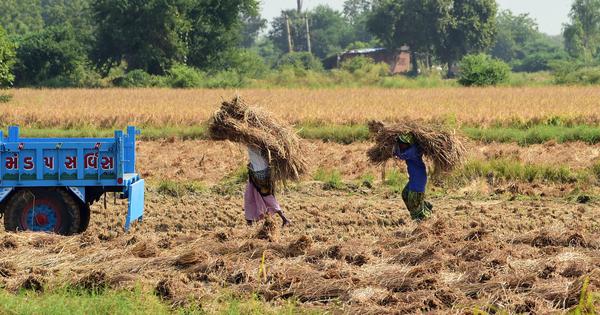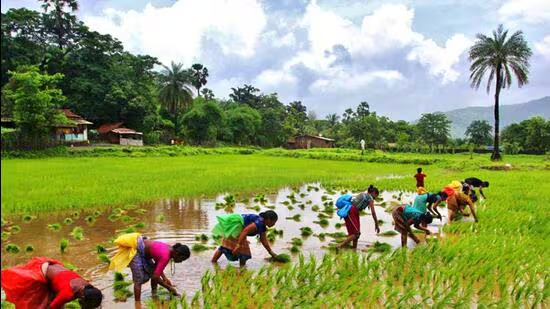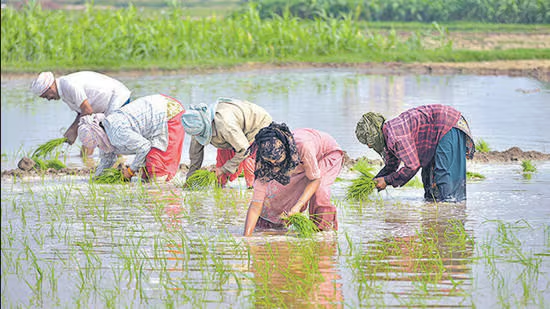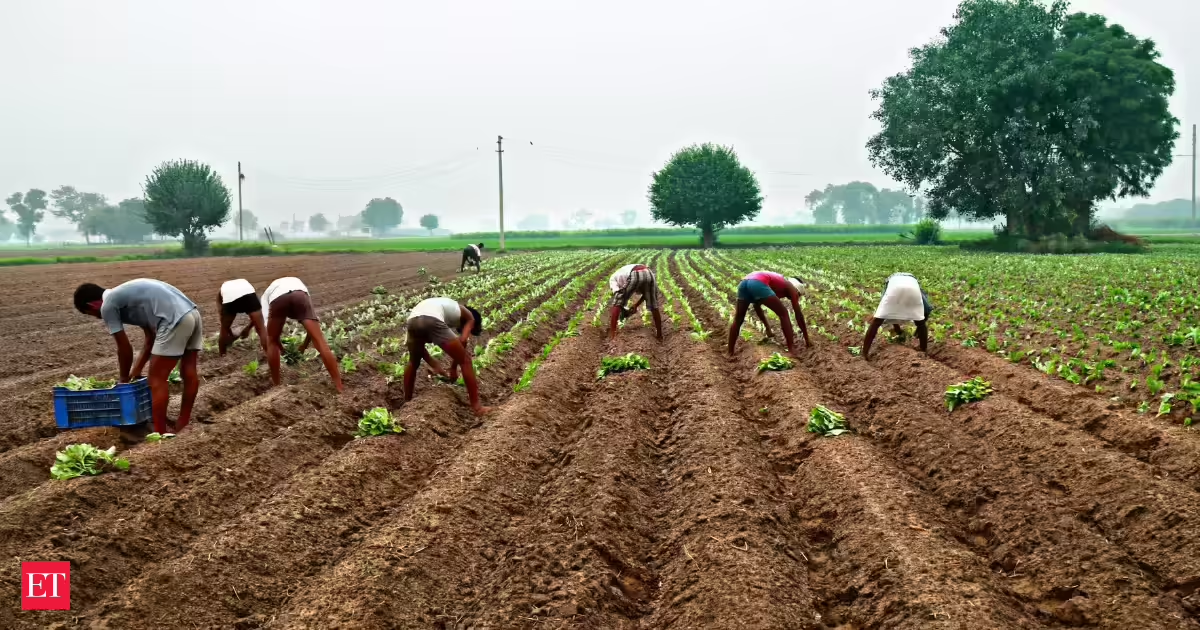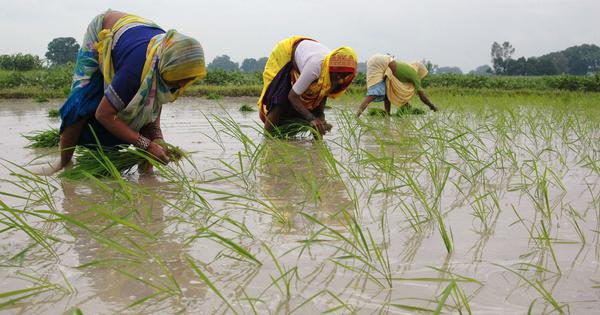
India is an agrarian nation, and the agriculture sector makes a significant contribution to the country’s economy. Agriculture is one of the key pillars of Maharashtra’s economy as well. It provides livelihoods not only to the people of Maharashtra but also to many who migrate from other states in search of opportunities. Consequently, the agriculture sector plays a vital role in ensuring food security, generating employment, and driving rural development.
However, over the past few years, agriculture has been facing increasing challenges due to persistent climate change, scarcity of land and water resources, rising costs of seeds and fertilizers, and uncertainty in agricultural markets. To address these issues, the Government of Maharashtra has been implementing a range of initiatives, including enhancing agricultural productivity, promoting climate-resilient and sustainable farming practices, improving irrigation infrastructure and water conservation, and increasing farmers’ incomes. In addition, efforts are being made to encourage the adoption of modern agricultural technologies, strengthen farmer groups and cooperatives, and improve farmers’ access to markets.
However, in recent years, farmers the backbone of our economy have been grappling with a series of natural and economic challenges. Recurring droughts, unseasonal heavy rainfall, and hailstorms have caused extensive damage to crops. At the same time, rising input costs and inadequate market prices for agricultural produce have pushed many farmers into indebtedness.