While parents, schools, and lawmakers are still debating the impact of social media on children’s mental health, a new technology has taken the therapist’s seat: AI chatbots.
In research that my colleagues and I published recently in JAMA Pediatrics, we found that the share of young people using AI chatbots for mental health advice rose from about 1 in 8 to about 1 in 5 in a single year — more than a 40% increase. That finding should end any illusion that this is a speculative problem. For millions of adolescents, AI is already part of the mental health landscape.
It’s not hard to see why. For many teens, real care is hard to find, expensive, or stigmatized. Data from the CDC show that, in 2023, fewer than half of adolescents with major depressive episodes received counseling or therapy in the previous year. In that vacuum, an always-available chatbot that sounds calm, attentive, and nonjudgmental can feel less like a novelty than a lifeline.
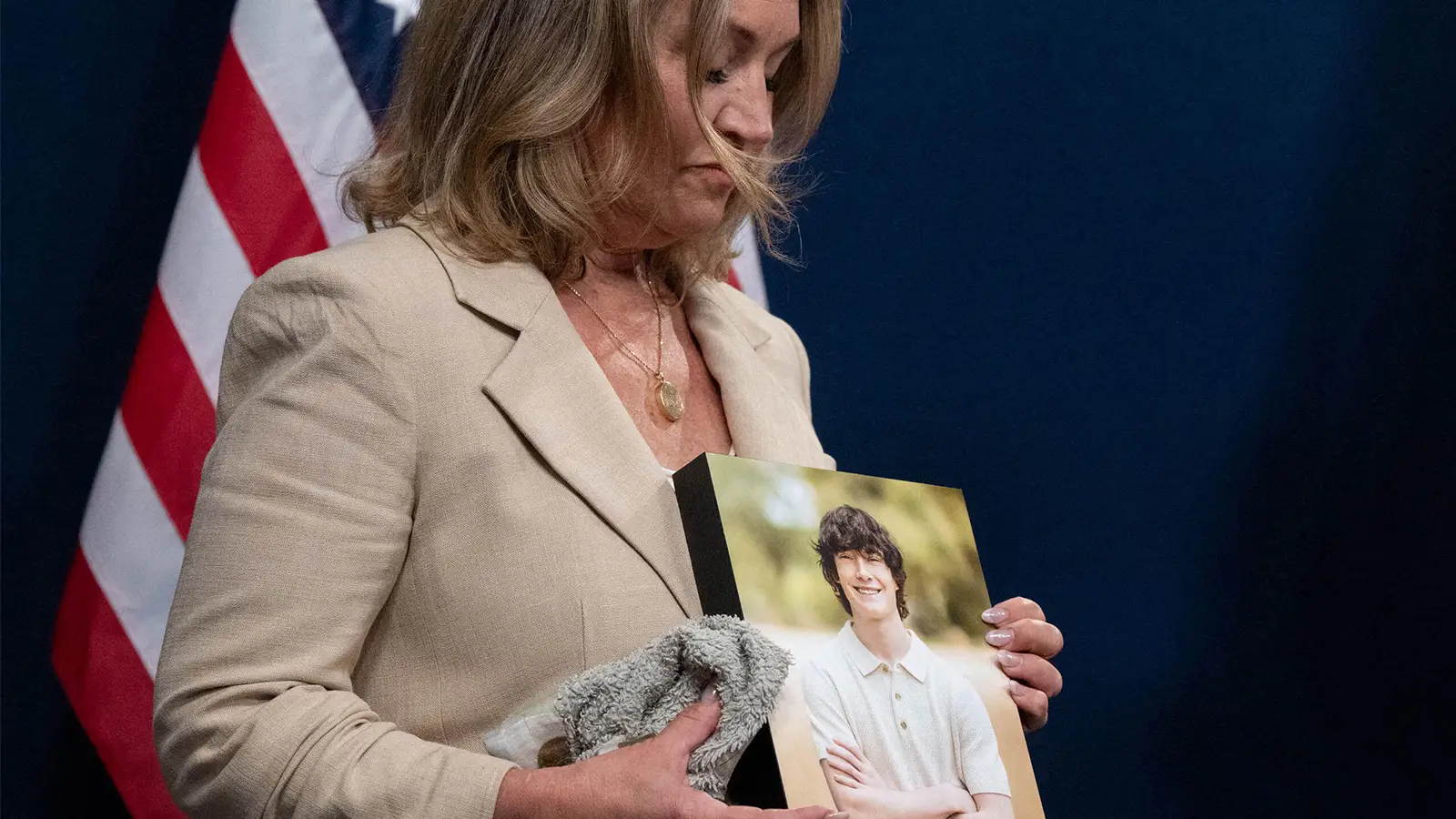
Despite the appeal, when millions of young people are relying on chatbots for mental health guidance, even rare failures can have devastating consequences. Multiple lawsuits have alleged that AI chatbots contributed to teen suicides. In April, Florida’s attorney general opened a criminal investigation into the alleged perpetrator’s interactions with ChatGPT before the 2025 mass shooting at Florida State University. After a school shooting in British Columbia, OpenAI publicly apologized for not alerting police about a banned account linked to the attacker.