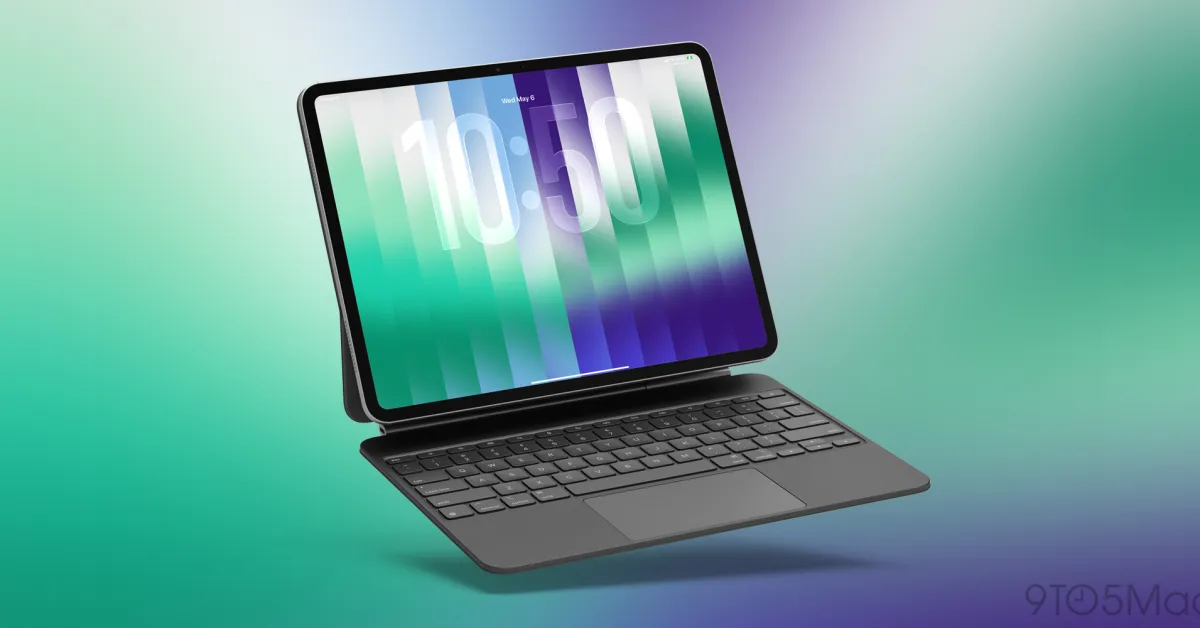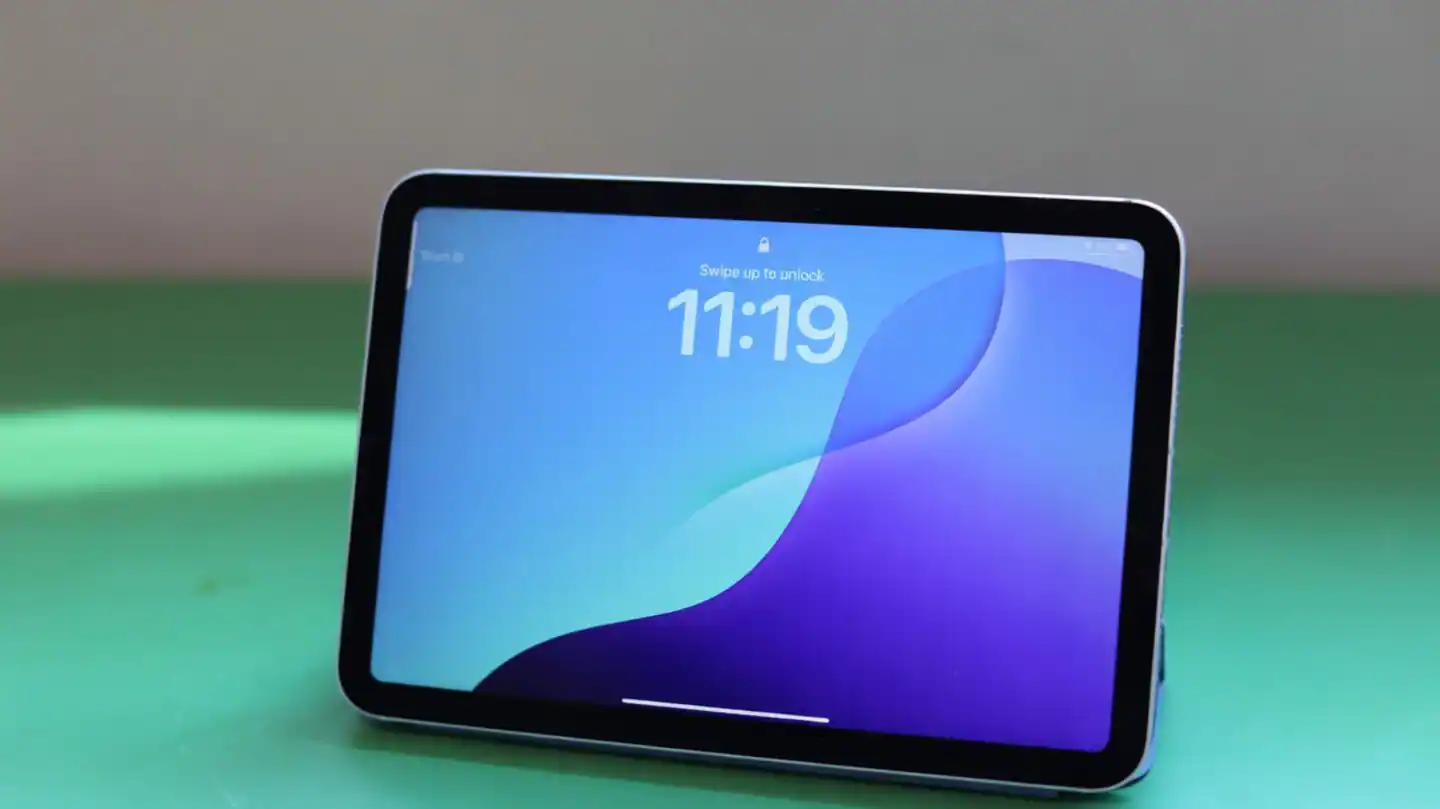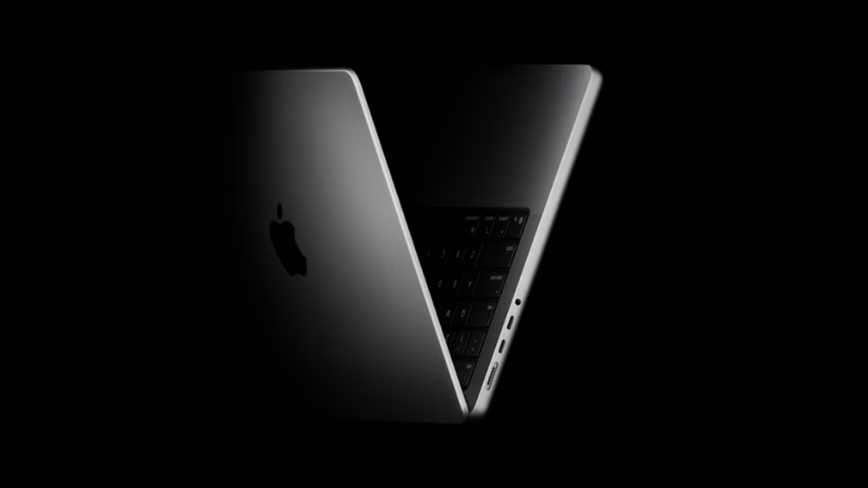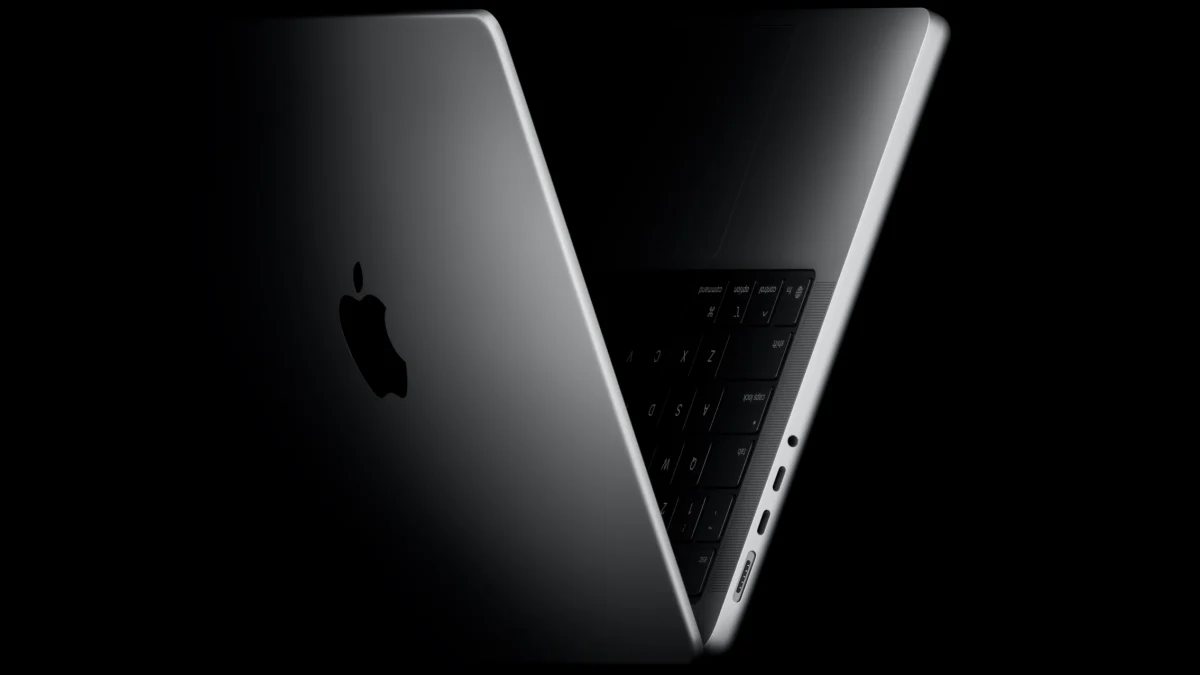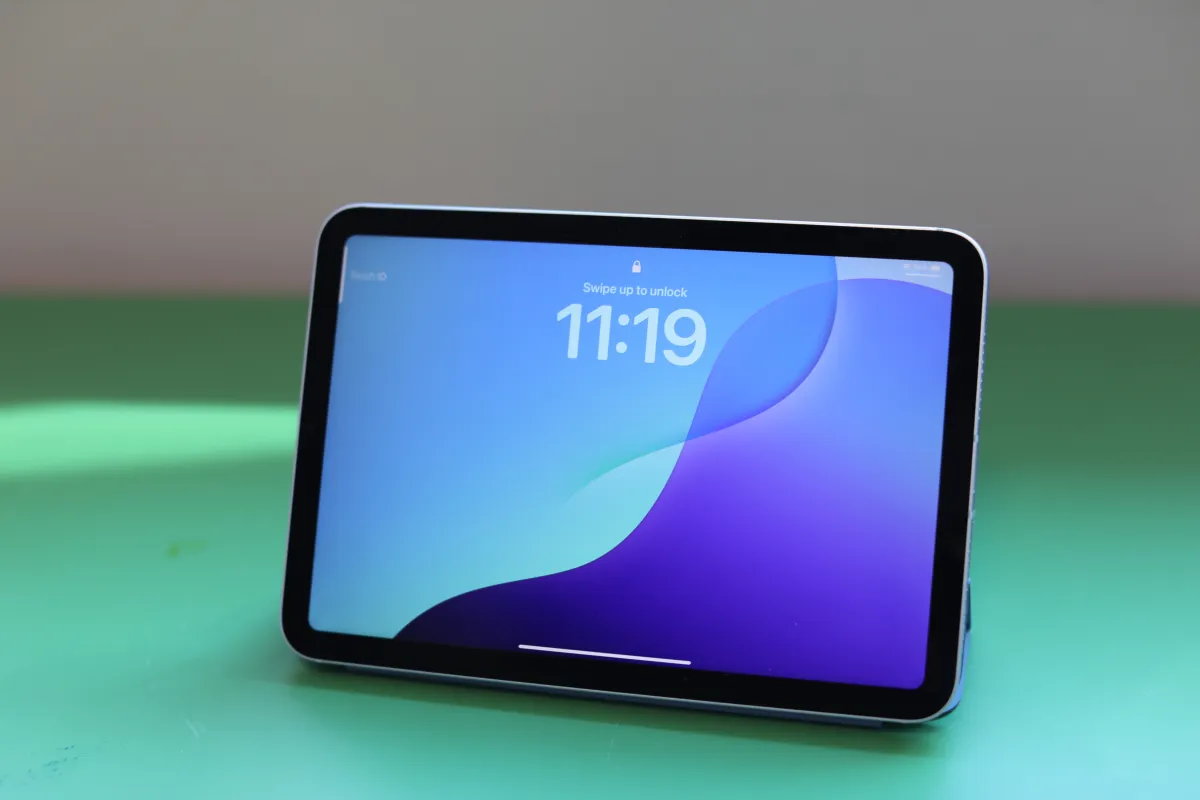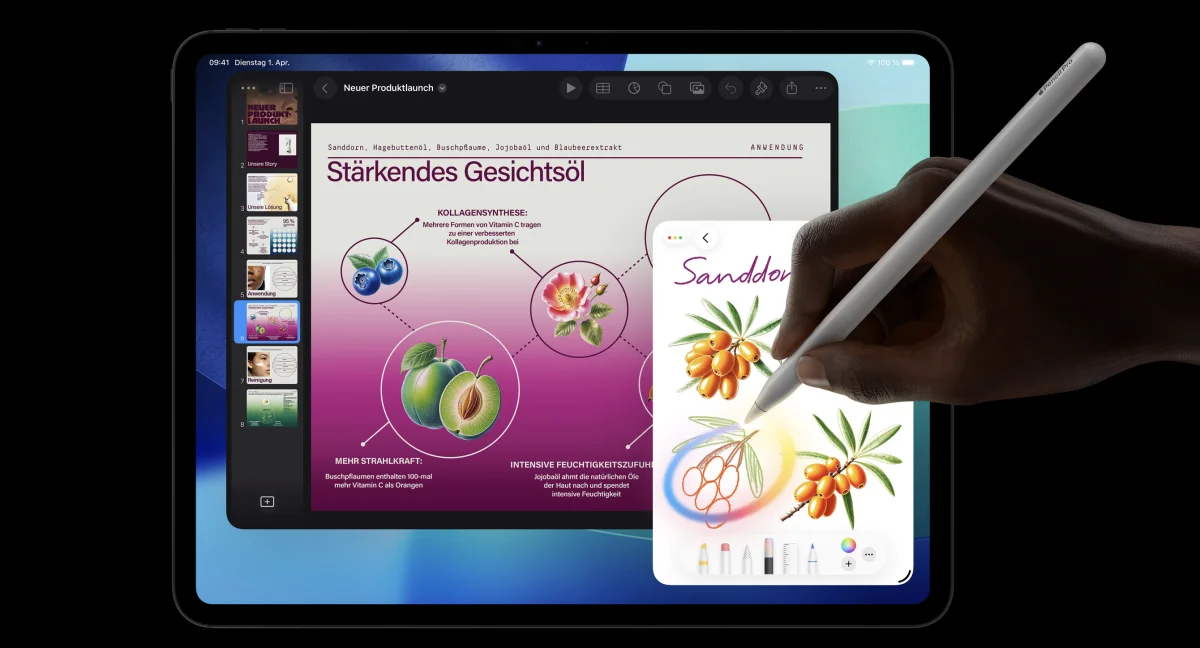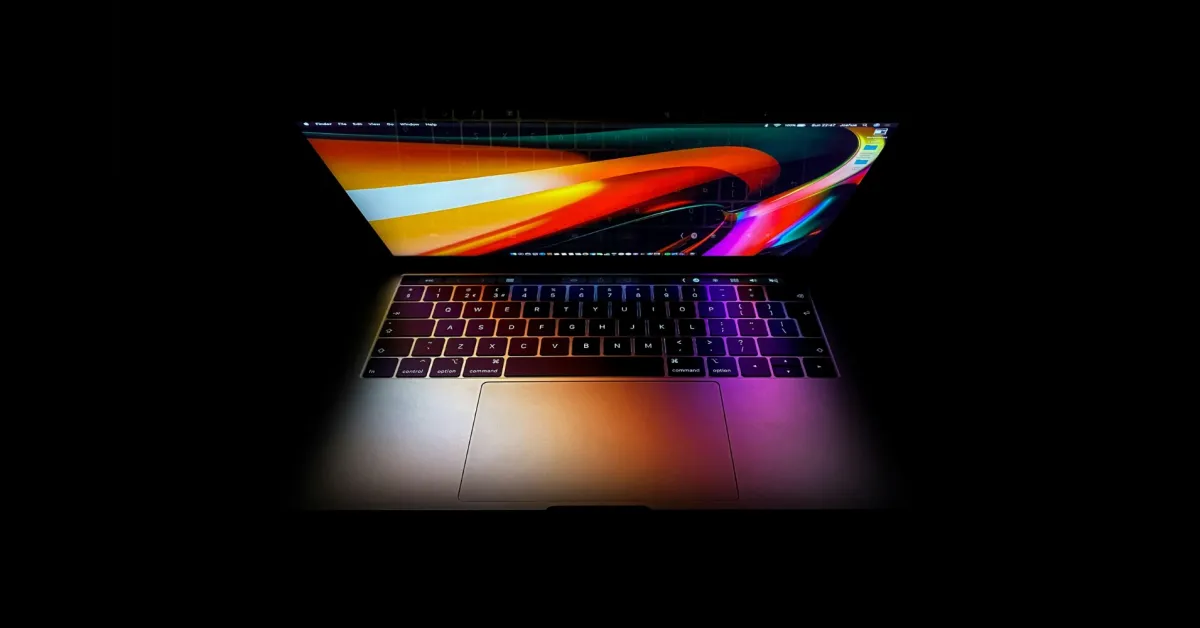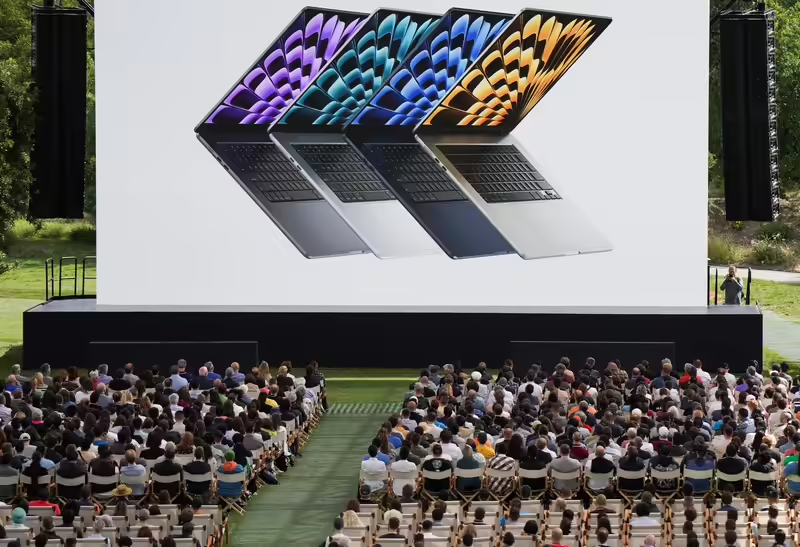
Apple has shown its 2027 hand ten months early, and the cards tell two stories at once.The first is the product story. Bloomberg reported on Wednesday that the company is testing four new iPad Pro models for a spring 2027 launch and preparing a redesigned entry-level 14-inch MacBook Pro, code-named K104, for as early as the first half of next year — the opening moves of what the newswire's sources describe as Apple's "biggest product year" ever, timed to the iPhone's 20th anniversary. Alongside them sits an accelerated chip plan: the first M7 processor as early as the first half of 2027, hard on the heels of an M6 generation that has yet to ship.The second story is the one printed between the lines. The same report warns that severe memory and silicon shortages have disrupted Apple's supply chain and left parts of the roadmap subject to change — the same crunch that pushed Apple into its sharpest mid-cycle price rises in memory just days earlier, with India absorbing the hardest blow of any major market. Read together, the two stories say something new about the world's most valuable hardware company: Apple is planning its most ambitious year while a component market beyond its control reprices the plan in real time.This piece assembles the full picture — both machines, the silicon underneath them, the shortage above them, and the rupee maths that will decide how India experiences all of it. A caution before the details: every product below is unannounced, every date carries Bloomberg's "as early as" hedge, and the report itself flags the schedule as fluid.Key TakeawaysBloomberg reports Apple is testing four new iPad Pro models for spring 2027, keeping the 11-inch and 13-inch sizes and today's design while upgrading the internals.The tablets could carry the M6 or the M7 — Bloomberg leaves the chip unnamed — plus a vapour chamber cooling system of the kind Apple debuted in the iPhone 17 Pro.The entry-level 14-inch MacBook Pro is set for two updates in quick succession: a chip-swap model (codename J804, base M6) planned for this year, then a full redesign (codename K104) as early as the first half of 2027.K104 will borrow the new design language of the OLED, touchscreen high-end MacBook Pros due between late 2026 and early 2027 — though Bloomberg stops short of promising the entry model a touchscreen or an OLED panel of its own.Apple aims to ship its first M7 processor as early as the first half of 2027, compressing the M6 generation to chase heavier AI workloads; both chips move to a 2-nanometre process.Everything sits under one shadow: severe memory and silicon shortages that have already forced mid-cycle price rises — sharpest of all in India, where some models climbed 20 to 42 per cent.What Has Bloomberg Actually Reported?Strip the relay coverage away and the core report, from Bloomberg's Mark Gurman on 1 July, makes five claims.One: Apple is testing four new iPad Pro models for release in spring 2027, in the existing 11-inch and 13-inch sizes, with the upgrades focused on internals rather than looks. Two: a revamped entry-level MacBook Pro, code-named K104, is being prepared for as early as the first half of 2027, and the 14-inch laptop will adopt a new design in line with what Apple is building for its higher-end MacBooks with touch screens, due between the end of this year and early next. Three: Apple had already finished work months ago on a separate refreshed entry-level MacBook Pro, codenamed J804, planned for this year with the current design and a new base M6 chip. Four: Apple is aiming to debut the M7 processor as early as the first half of 2027, an accelerated handover from the M6 generation intended to serve heavier artificial intelligence workloads. Five: ongoing memory and chip shortages could still disrupt the whole calendar.Within hours, 9to5Mac, MacRumors, TechCrunch and AppleInsider had corroborated and enriched the account, and the enrichments matter as much as the core. AppleInsider traced J804's paper trail to macOS Tahoe code spotted in October 2025 — the predecessor J704 was the entry-level M5 machine — and read K104 as possibly the first Mac to carry the M7. MacRumors added the chip logic for the tablets: the iPad Pro gets the M7 if it is ready by spring 2027, and the M6 if the schedule slips. Those are the load-bearing facts. Everything else in this story is context, consequence, or inference — and the inferences are labelled as such below.Inside The Spring 2027 iPad ProStart with what stays the same, because it frames what changes. Bloomberg expects the iPad Pro's design to carry over untouched — the 5. 1mm slab Apple introduced in 2024 remains the thinnest device the company makes, and the tandem OLED display it debuted then remains the industry's benchmark. The 2027 models keep the 11-inch and 13-inch sizes and pour the entire upgrade budget inside the chassis.Two internal changes headline. The first is silicon, and it comes with a genuinely unusual either-or. The new iPads could use the M6 or the M7: Apple will introduce the M6 as soon as this year in an updated 14-inch MacBook Pro, is aiming to ship the M7 in the first half of 2027, and will build both on its new 2-nanometre process — the manufacturing shrink that packs transistors more densely for speed and battery efficiency. The M7 carries AI optimisations the M6 lacks, per MacRumors' read of the report, which is why the chip decision is really a calendar decision: if the M7 tapes out in time, the iPad Pro leapfrogs a generation at launch.The second change is heat. Apple has tested a vapour chamber cooling system for the tablet, the same sustained-performance plumbing it introduced in the iPhone 17 Pro — a sealed pocket of liquid that spreads heat across a wide plate instead of letting it pool over the chip. For a tablet Apple keeps marketing as a laptop replacement, that is the tell: vapour chambers exist for machines expected to run hard for long stretches, which suggests Apple sees the 2027 iPad Pro's job as heavier, longer, more Mac-like workloads.The timing carries its own message. A spring 2027 launch means the iPad Pro sits out 2026 entirely — the M5 models from October 2025 will stretch to roughly an 18-month cycle, consistent with the M4-to-M5 gap. It also drops the tablets into Apple's spring window alongside the iPhone 18e, iPhone 18 and a second-generation iPhone Air, per the same reporting — further proof that Apple's split calendar, premium phones in autumn and the rest in spring, has hardened into doctrine.And the money. In June, Apple raised iPad Pro prices by 200 dollars across the board mid-cycle: the 11-inch now starts at 1,199 dollars and the 13-inch at 1,499 dollars. The 2027 models will therefore arrive into a lineup already repriced upward once, with the open question being whether launch resets those stickers or compounds them. Meanwhile the model's moat narrows from below — the iPad Air is expected to adopt OLED and a thinner build, closing the visible gap with the Pro — and the dramatic leap sits far off: the long-rumoured 18-inch foldable iPad has slipped to 2029 at the earliest, with early estimates floating a price around 3,900 dollars. Treat that figure as soft. One more display note for the road: research firm TrendForce reported on 29 June that Apple plans OLED panels capable of a much wider colour range, a hint at where the screen story goes after this cycle.Two Trains, One Platform: The Entry MacBook Pro PlanThe MacBook half of the report is the more interesting one, and most of the relay coverage has flattened its best detail. Apple's cheapest Pro laptop is scheduled for two departures in quick succession — and they are different services on the same line.The first train is J804, the local. Work on it finished months ago: a refreshed entry-level 14-inch MacBook Pro keeping the current design and swapping in a new base M6 chip, planned for this year. Its ticket has been visible on the departure board for a while — AppleInsider notes the J804 codename surfaced in macOS Tahoe code back in October 2025, following J704, the entry-level M5 model that arrived that same month. If it ships on schedule this autumn, the humble base MacBook Pro becomes the debut vehicle for Apple's first 2-nanometre Mac silicon — an unglamorous carriage hauling the newest engine on the network.The second train is K104, the express, and it is the reason this report made headlines. As early as the first half of 2027, per Bloomberg, the entry 14-incher gets its first genuine redesign, adopting the new design language Apple is preparing for its higher-end MacBooks with touch screens, due between the end of this year and early 2027. Digital Trends reads the family resemblance as extending to a punch-hole camera in place of today's notch, aligning the MacBook's face with the iPhone's — that is inference, but reasonable inference. AppleInsider goes a stop further and suggests K104 may be the first machine to carry the M7. The tidy way to hold it, as Digital Trends frames the plan: current design with the M6 this year, new design with the M7 next year.Now the precision flag, because this is where the story will get mangled across the internet. Bloomberg ties K104 to the design language of the touchscreen OLED MacBook Pros. The report stops short of promising the entry model a touchscreen or an OLED panel of its own. Whether the cheap Pro inherits the panel or merely the chassis is the single biggest open question in the story — and the answer decides whether K104 is a facelift or a category shift. One outlet, BigGo, has speculated that Apple may skip J804 entirely and jump straight to the redesign; that is a minority inference which cuts against the plain reading that J804 remains planned for this year. The base case is both trains run.A word on where "entry-level Pro" now sits, because Apple's laptop platform has grown crowded. In March the company shipped the MacBook Neo, a budget machine built around the A18 chip originally designed for the iPhone — so the ladder now runs Neo, then Air, then this entry 14-inch Pro, then the Pro and Max machines above it. The entry Pro was last refreshed in October 2025. Two updates inside the following eighteen months, the second a full redesign, would make it the busiest rung on the ladder — the model Apple seems to have decided is its volume play for buyers who want the Pro badge at the lowest fare.Sprinting From M6 To M7The chip schedule threaded through both products deserves its own reading, because it is the strategy in miniature.Apple's silicon generations have historically breathed on a leisurely 12-to-18-month rhythm. This plan compresses that: the M6 debuts as soon as this year in the 14-inch MacBook Pro, and the M7 follows as early as the first half of 2027 — a faster-than-usual rollout that Bloomberg's sources tie to one motive, supporting more demanding artificial intelligence workloads. Both generations ride the 2-nanometre process, but the M7 carries AI-specific optimisations its predecessor lacks.Read plainly, Apple is spending a silicon generation to buy AI credibility. On-device intelligence — the Apple Intelligence stack, the Foundation Models developers began building on after this year's WWDC — is only as persuasive as the neural hardware underneath it, and a company that fell behind in the model race is compensating in the domain it dominates: shipping custom chips at scale. The M6-to-M7 sprint also explains the iPad Pro's either-or and AppleInsider's K104 read. Apple appears to be building a 2027 slate where its newest, AI-tuned processor lands in as many hands as possible, as fast as the fabs allow.A Pantry Raid Reprices The MenuAll this cooking happens in a raided kitchen, and the report says so itself: memory and chip shortages could disrupt the entire roadmap. To understand why, look at what has happened to Apple's pantry.The AI boom has raided it. Data-centre builders are buying memory and storage in quantities beyond anything the industry has served, and the staples every Mac and iPad depends on — RAM and flash — have soared in price. Apple's own statement at the time of its June price rises was blunt: "We have never seen a component price increase this much, this quickly." Tim Cook had warned in the preceding days that increases had become unavoidable, and when the reprint of the menu arrived on 25 June it was sweeping — the HomePod mini rose 30 dollars to 129, the HomePod 50 dollars to 349, the Apple TV to 199, and the iPad Pro 200 dollars across the board. Per market reports, the announcement erased roughly 265 billion dollars in market value in a day as the stock fell more than 6 per cent, the company's worst single-day showing in over a year — figures worth verifying against primary market data, though the direction is beyond dispute.The kitchen is improvising, too. AppleInsider reports the global memory shortage is pushing Apple to consider alternate RAM suppliers — a sourcing shuffle that, in the outlet's judgement, will in all likelihood draw scrutiny from US lawmakers. And this is the light in which the whole 2027 plan should be read: J804's autumn slot, K104's spring window, the M7's debut and the iPad Pro's chip either-or are all dishes priced off ingredients whose cost Apple has publicly admitted it can only watch. The report's closing caveat — schedules in flux — is less a disclaimer than the thesis.The India LedgerFor Indian buyers, the roadmap arrives with a bill already on the table, because June's repricing landed here harder than almost anywhere on Earth.Per Indian price trackers, the increases ranged from Rs 5,000 to Rs 1 lakh depending on the model — hikes of roughly 20 to 42 per cent on some devices, steeper than what buyers in the US or Europe absorbed. The figures below are drawn from those trackers and should be verified against Apple India's store before purchase decisions, as list prices vary by a small margin between reports.ProductEarlier India priceRevised India priceMacBook Pro 14-inch M5Rs 1,69,900Rs 2,39,900MacBook Air 13-inch M5Rs 1,19,900Rs 1,49,900MacBook Neo (A18)Rs 69,900Rs 79,900Mac mini M4Rs 59,900Rs 94,900iPad (base)Rs 34,990Rs 49,990iPad AirRs 64,900Rs 89,900iPad Pro 11-inch—From Rs 1,39,900The 14-inch MacBook Pro M5's Rs 70,000 jump is the sharpest mainstream move, and the M5 Max variant climbed by about Rs 1 lakh, per the same trackers. iPhones stay exempt for now.Two structural reasons explain why India's slope is steeper. The first is arithmetic: imported Apple hardware stacks customs duties and 18 per cent GST on top of the base price before any global component surcharge lands. The second is strategy, and it is the uncomfortable one — industry voices quoted in the Indian coverage point out that the gap between the dollar increases and the rupee increases runs wider than currency conversion alone would explain, suggesting Apple may be treating India as a market able to absorb a steeper premium.Now overlay the roadmap. The entry-level MacBook Pro — the machine getting two updates in nine months — already starts at Rs 2,39,900 in India after the June revision. If K104's redesign carries the usual new-design premium, and if memory costs stay elevated into 2027, the "entry" Pro in India drifts towards Rs 2.5 lakh territory, while the spring 2027 iPad Pro builds on a base that begins around Rs 1,39,900 today. The affordability story and the roadmap story have merged into one story: what Apple plans to ship and what Indians will pay for it are being written by the same shortage.A Calendar For The Ternus EraStep back and the report describes more than two products; it sketches the opening slate of a new administration.Spring 2027 will be the first full product cycle of the John Ternus era — the hardware chief takes over as chief executive on 1 September, and the coverage around Wednesday's report ties the plans to Apple's preparations for its post-Cook chapter. It falls, deliberately, in the iPhone's 20th-anniversary year, which the rumour mill has already crowned Apple's biggest product year ever. And it confirms the calendar doctrine: premium iPhones in autumn, the value phones, tablets and the odd Mac in spring — two showcase seasons a year instead of one.The through-line is a company sprinting where it owns the ground and exposed where it rents it. Apple controls silicon, so it compresses a generation, moving from M6 to M7 inside a year to keep its AI hardware story ahead of its AI software questions. Apple controls design, so it spreads the new MacBook look from the flagship down to the cheapest Pro within months. The memory market answers to others — and it now sets the prices, delays the machines and writes the caveats into Apple's own roadmap leaks.For twenty years, Apple decided what the future costs. On this roadmap, for the first time, the future is invoicing Apple.FAQWhen is the new iPad Pro coming?Bloomberg reports Apple is testing four new iPad Pro models for a spring 2027 launch, in the current 11-inch and 13-inch sizes. The design is expected to carry over, with the upgrades focused on the chip and a vapour chamber cooling system. These are unannounced plans and the timing could shift.Will there be a new iPad Pro in 2026?Reports indicate the iPad Pro sits out 2026. The M5 models launched in October 2025 and the next refresh is pegged to spring 2027, keeping the line on a roughly 18-month cycle.What chip will the 2027 iPad Pro use?Either the M6 or the M7 — Bloomberg leaves it open. Apple aims to ship the M7 as early as the first half of 2027 with AI optimisations the M6 lacks; if it is ready in time, the iPad Pro could get it, and if the schedule slips, the tablets take the M6. Both chips use a 2-nanometre process.What is the K104 MacBook Pro?K104 is the internal codename for a redesigned entry-level 14-inch MacBook Pro, reported for as early as the first half of 2027. It will adopt the new design language of Apple's higher-end touchscreen OLED MacBook Pros due between late 2026 and early 2027, and one outlet reads it as possibly the first Mac with the M7 chip.Will the entry-level MacBook Pro get a touchscreen or OLED display?That is the open question. Bloomberg ties K104 to the new design language of the touchscreen models but stops short of saying the entry machine gets the touch layer or the OLED panel itself. Treat any claim either way as speculation until firmer reporting lands.What is the J804 MacBook Pro?J804 is the refreshed entry-level 14-inch MacBook Pro Apple finished months ago — same design as today, new base M6 chip — planned for release this year. Its codename surfaced in macOS Tahoe code in October 2025, and it would carry Apple's first 2-nanometre Mac chip.Why did Apple raise prices in 2026?AI data centres have driven an extraordinary surge in demand for memory and storage, and Apple said it had "never seen a component price increase this much, this quickly." In late June it raised prices across Macs, iPads, HomePods and Apple TV, while iPhones stayed exempt for now.How much more expensive did Apple products get in India?Per Indian price trackers, increases ran from Rs 5,000 to Rs 1 lakh — roughly 20 to 42 per cent on some models, steeper than in the US or Europe. The 14-inch MacBook Pro M5 moved from Rs 1,69,900 to Rs 2,39,900, and the base iPad from Rs 34,990 to Rs 49,990. Verify exact figures on Apple India's store.Should I buy a MacBook Pro or iPad Pro now, or wait?If you need a machine today, the M5 generation remains excellent and current stock at older prices is worth hunting on retail platforms. If you can wait, the entry MacBook Pro is due a chip bump this year and a redesign next year, and the iPad Pro's next leap lands in spring 2027 — though prices by then may sit higher still if the memory squeeze persists.end of article
New iPad Pro And MacBook: What Apple's 2027 iPad Pro And MacBook Plans Mean For Buyers
Bloomberg says Apple is testing four iPad Pro models for spring 2027 and preparing a redesigned entry-level 14-inch MacBook Pro — a roadmap drawn in the shadow of the worst component squeeze in the company's history. The report lays out a two-step plan for Apple's cheapest Pro laptop, a sprint from the M6 chip to the M7 inside a year, and a spring 2027 slate timed to the iPhone's 20th birthday. Here is the full picture — what is coming, when, why the rush, and what it will cost in India, where A...
3,365 words~15 min read