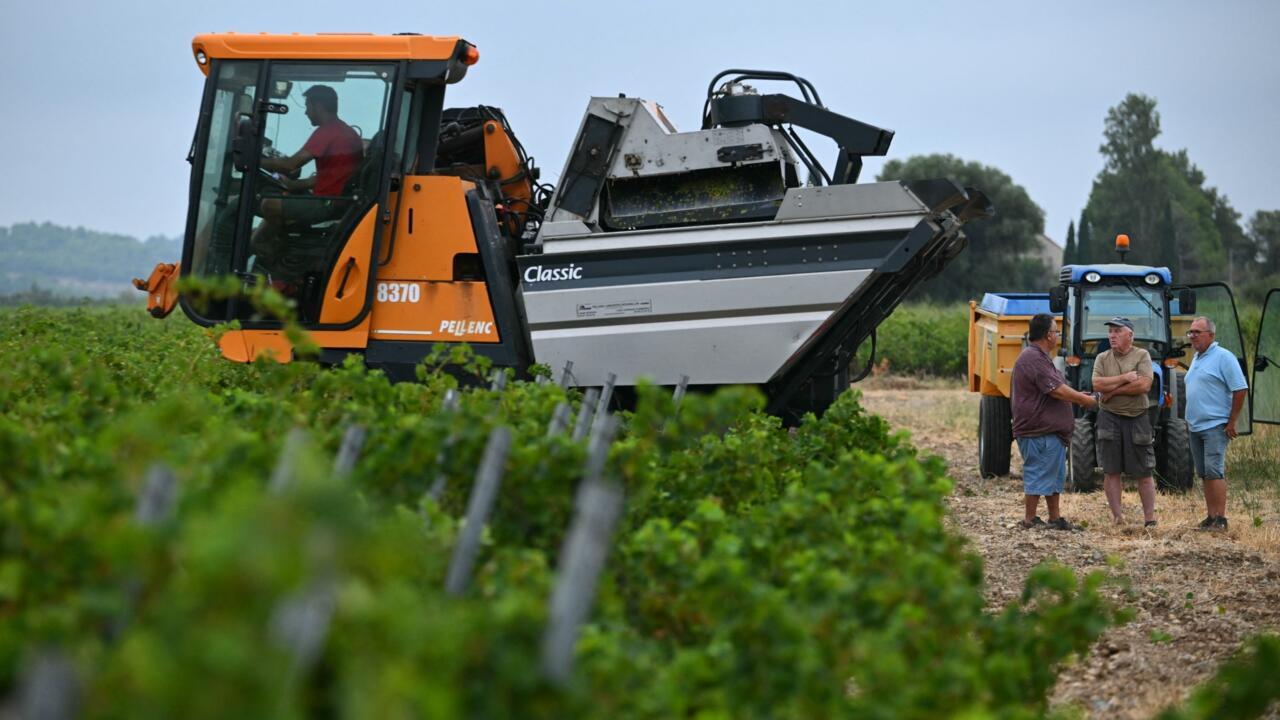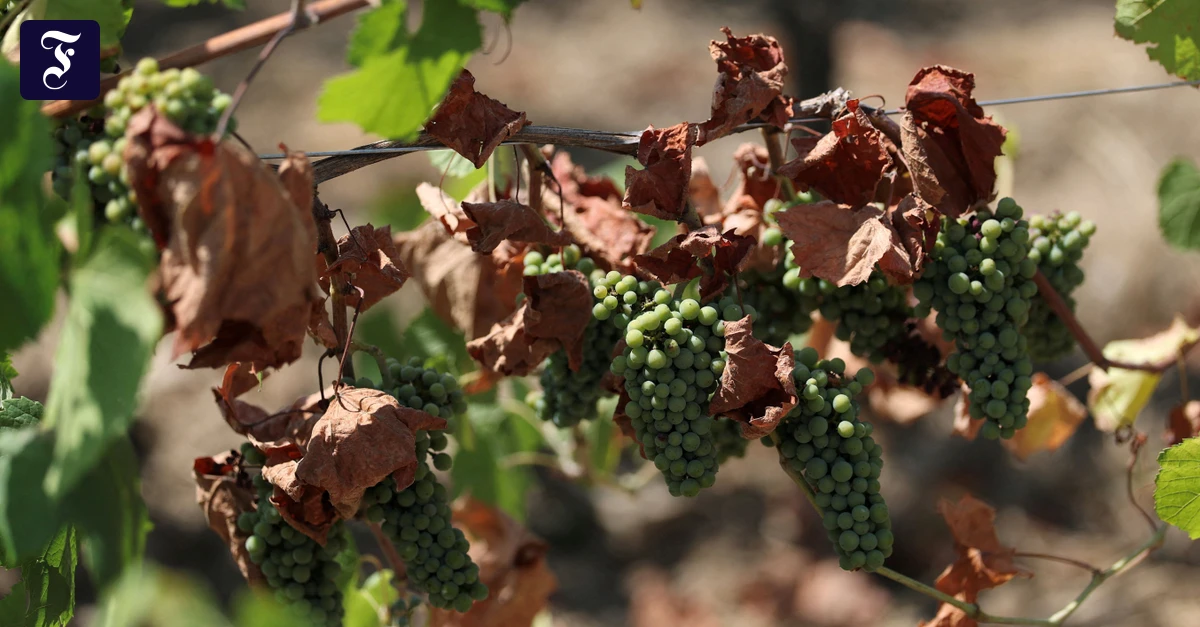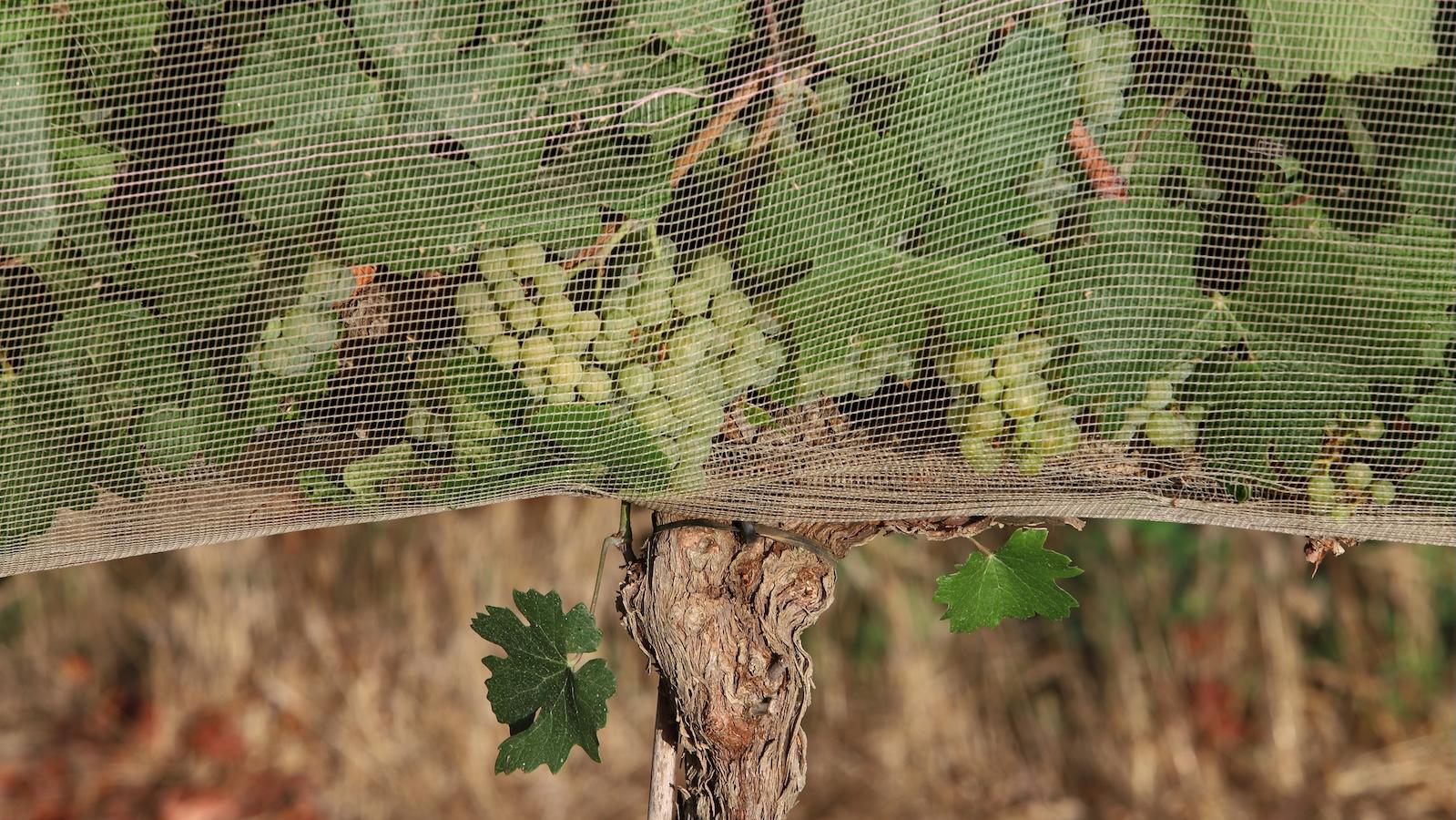
What’s a winemaker to do on a warming planet? Much has been written about how climate change threatens viticulture around the globe — or at least, threatens to fundamentally change the practice. A long-lasting drought in Chile is forcing winemakers to rethink irrigation systems. Vintners in California must not only endure wildfires but also the smoke that comes with them and lingers, which can alter the taste of their grapes. Severe frosts in the Champagne region of France are also altering the acidity and flavor profile of vineyards’ grapes, although some growers are starting to lean into that.
A new study out of Cornell University looks at three techniques that winegrape producers can use to adapt to warmer temperatures, ranging from relatively simple and inexpensive to potentially existential: Install shade cloth to shield precious grapes from the harsh effects of the sun; grow new varieties of grapes better adapted to the heat; or relocate to cooler climates. The researchers found that, for all three cases, when these changes are communicated to shoppers, consumers are willing to pay a premium for these climate-resilient wines — even if it means some of the name-brand recognition of, say, California’s Napa Valley is lost in the process.