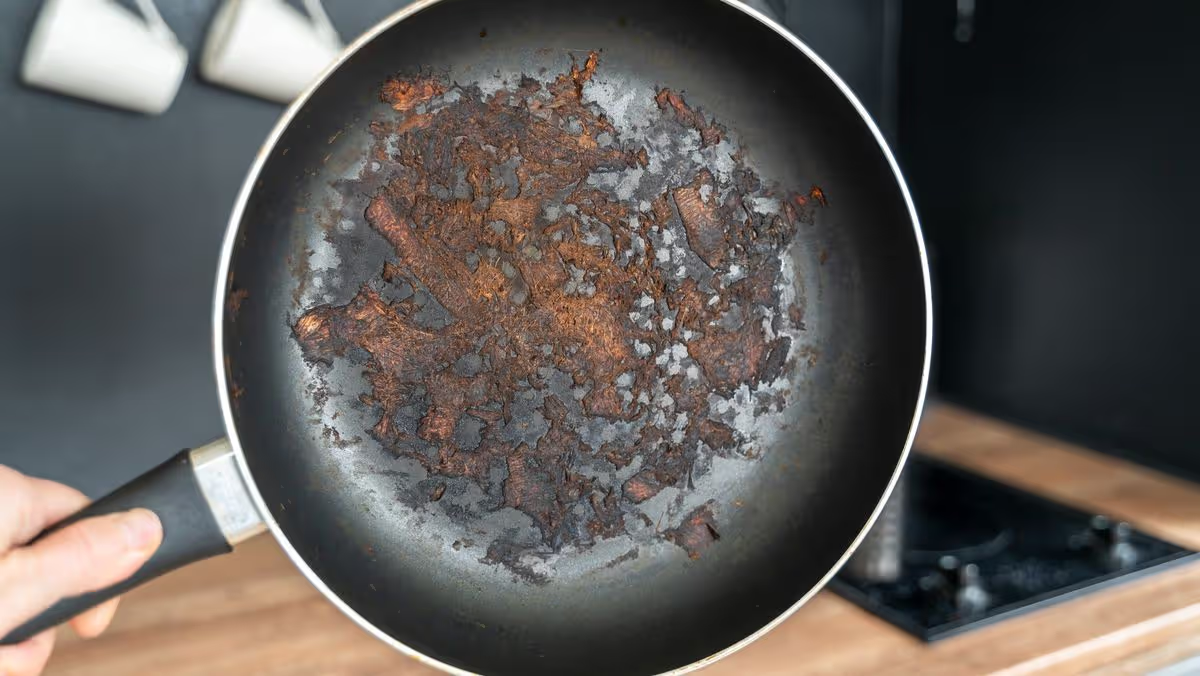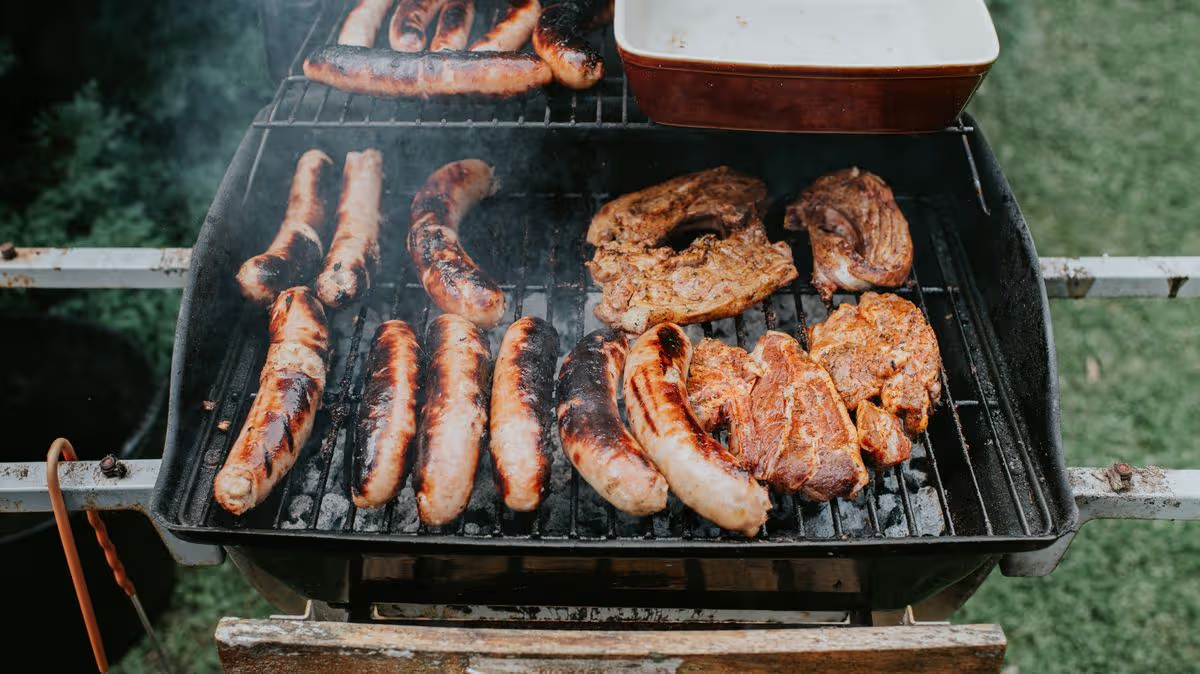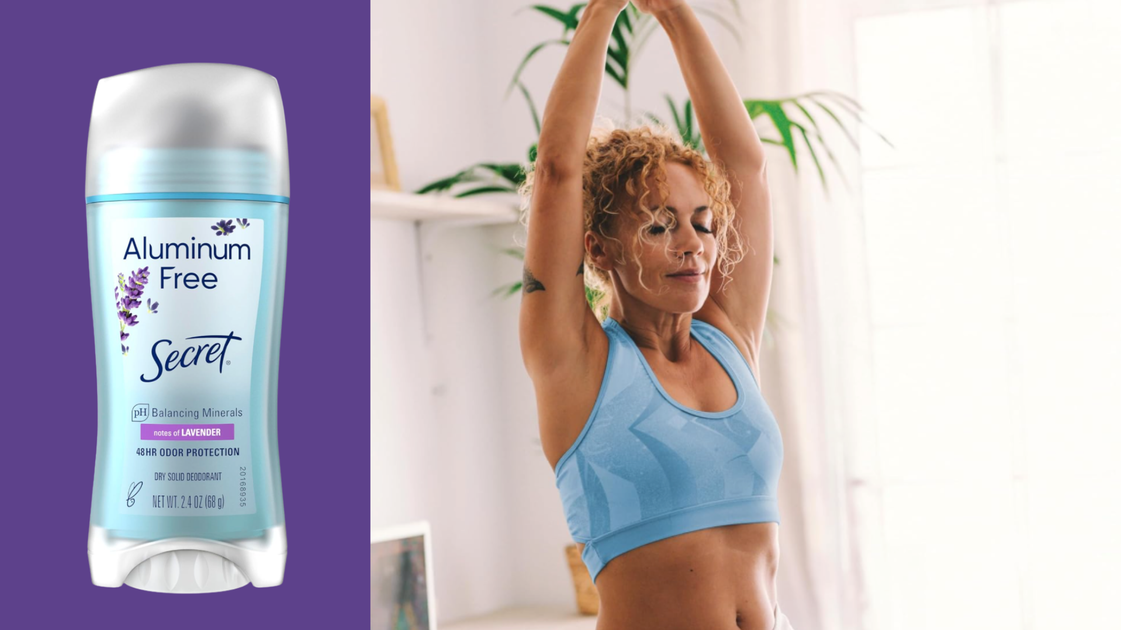
The health industry is littered with myths that promote fear-mongering. Amidst these health fads, it is important to identify the habits that pose real risk. Breast cancer risk is shaped by a mix of genetics, lifestyle and everyday habits. While certain behaviours can increase the likelihood of developing the disease, many warnings that circulate online are rooted more in fear than in evidence. From deodorants and plastic containers to hair dye, health myths often create unnecessary anxiety and distract from the factors that genuinely matter. Separating fact from fear can help you make informed choices without falling for misinformation.Read more to find out the factors that actually increase your risk of breast cancer! (Unsplash)Also Read | Can eating broccoli sprouts daily prevent cancer? Doctor explains anti-cancer benefits and how they affect the bodyDr Christine Lai, a specialist surgeon in breast cancer and endocrine surgery, has shared a guide separating genuine breast cancer risk factors from common myths and fearmongering, highlighting what every woman should know. In an Instagram video shared on July 1, the surgeon states, “I’ve been a surgeon for over 20 years, and people think my family rules are long and scary. They’re not. My daughter makes her own choices. These are the eight things I’d guide her on.”1. Don’t blame deodorantAccording to Dr Lai, the belief that deodorant causes breast cancer is a common misconception. She explains that breast cancer begins in the breast and may later spread to the lymph nodes. She notes, “I won’t let her blame deodorant. It doesn’t cause breast cancer. Cancer starts in the breast and spreads to the lymph nodes, not the other way around.”2. Alcohol is not harmlessDr Lai emphasises that alcohol is not harmless. While there is no safe level of consumption, she says binge drinking poses the greatest risk. Alcohol can increase oestrogen levels and damage DNA. She explains, “I won’t let her see alcohol as harmless. There’s no safe amount. It raises oestrogen and damages DNA, and binge drinking is the worst.”3. Avoid burnt meatThe breast cancer surgeon highlights that grilled or smoked meat is not the issue. Instead, it is the burnt portions that should be avoided, as charring produces chemicals associated with an increased risk of cancer. She explains, “I won’t ban grilled or smoked meat, but I’ll limit the burnt parts. Burning creates HCAs and PAHs, chemicals linked to higher cancer risk.”4. Hair dyes don’t cause cancerDespite mixed evidence, Dr Lai highlights that the WHO’s cancer agency does not classify hair dyes for personal use as a cause of cancer. The cancer surgeon notes, “I won’t make her stop using hair dye. The evidence is mixed, and the WHO’s cancer agency doesn’t class personal use as a cause. To be cautious, semi-permanent and temporary dyes show little to no risk.”5. Plastic doesn’t cause breast cancerAccording to the breast cancer surgeon, while BPA can disrupt hormones and leach out of plastic when heated, there is no direct evidence linking plastic use to breast cancer. Rather than switching out of fear, she recommends choosing alternatives as part of healthy everyday habits. Dr Lai explains, “I won’t let her panic about plastics. BPA can disrupt hormones and leak out when heated, but human breast cancer evidence isn’t settled. Switch to glass or steel because it’s easy, not out of fear.”6. Healthy doesn’t mean perfectDr Lai emphasises that staying healthy and adopting healthy habits does not make you entirely risk-free. Lowering your risk is not the same as eliminating it. Many people do everything right and still develop breast cancer. She states, “I won’t let her think healthy means perfect. Lowering risk isn’t removing risk. Some women do everything right and still get breast cancer. Others have every risk factor and never do. The goal is informed action, not control.”7. Family history is not everythingGenetics play a major role in breast cancer, but not having a family history of the disease does not make you risk-free. Dr Lai highlights, “I won’t let her think ‘no family history’ means ‘no risk’. Most women diagnosed have none. Family history matters, but its absence isn’t a free pass.”8. Sleep is not optionalDr Lai explains that long-term sleep deprivation disrupts the body's internal clock, which the WHO’s cancer agency considers a significant cancer risk factor. She recommends making quality sleep a priority. She notes, “I won’t let her treat sleep as optional. Long-term body clock disruption is something the WHO’s cancer agency takes seriously, and habits built now carry forward. Protect the body clock early.”Note to readers: This article is for informational purposes only and not a substitute for professional medical advice. It is based on user-generated content from social media. HT.com has not independently verified the claims and does not endorse them.Eshana Saha is a fresh face in lifestyle and cultural journalism, bringing a refined, multidisciplinary perspective to the intersection of entertainment, fashion and holistic wellbeing. With less than a year of professional experience, she has quickly adapted to high-pressure editorial environments and currently works full-time with HT Media. Prior to this, she interned for nearly six months with Hindustan Times’ entertainment and lifestyle vertical, where she gained hands-on experience in digital reporting, trend analysis and editorial storytelling.
Does deodorant use cause breast cancer? Cancer surgeon distinguishes real risk factors from health myths that drive fear
The health industry is littered with myths that promote fear-mongering. Amidst these health fads, it is important to identify the habits that pose real risk. | Health
1,123 words~5 min read