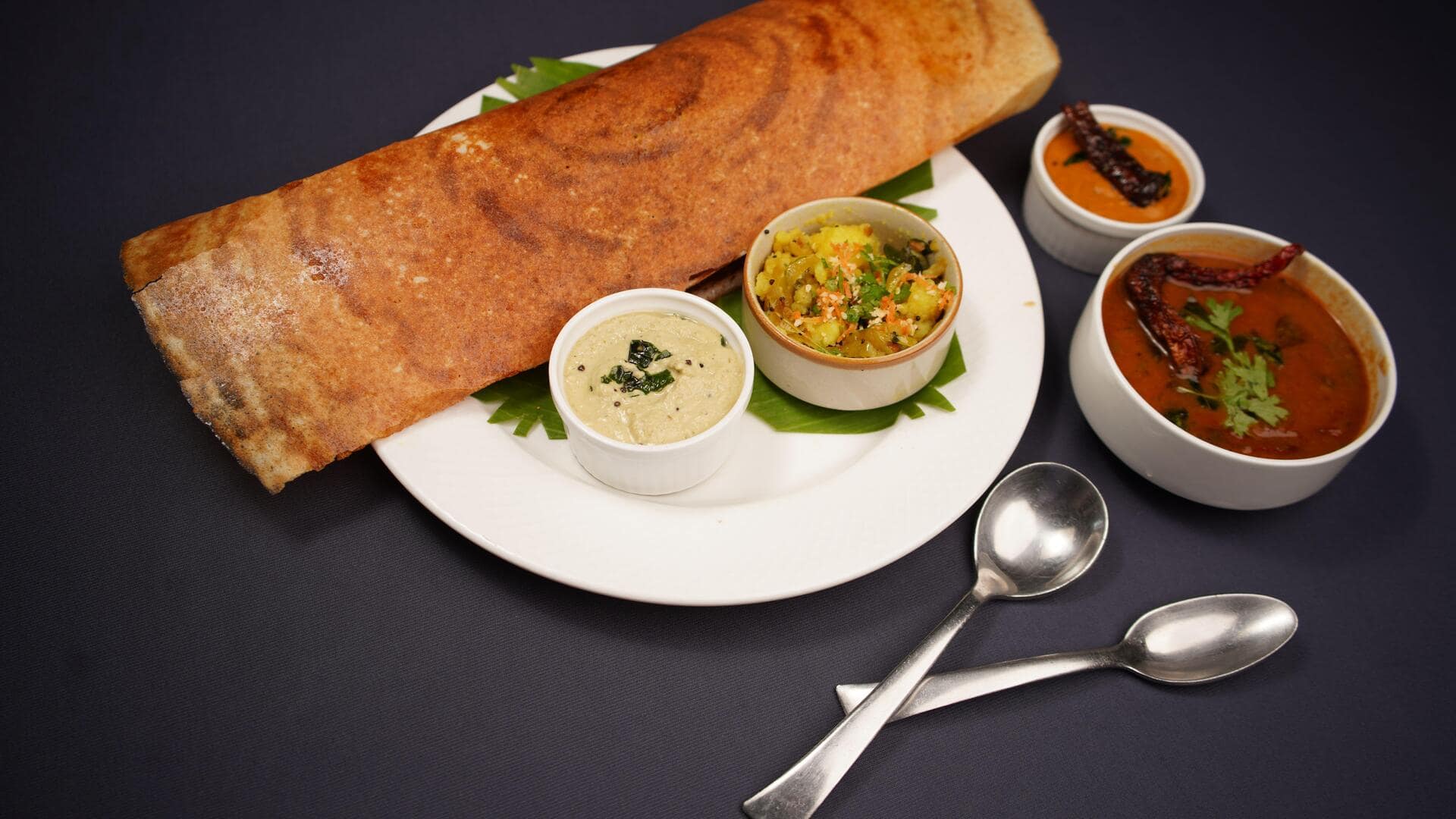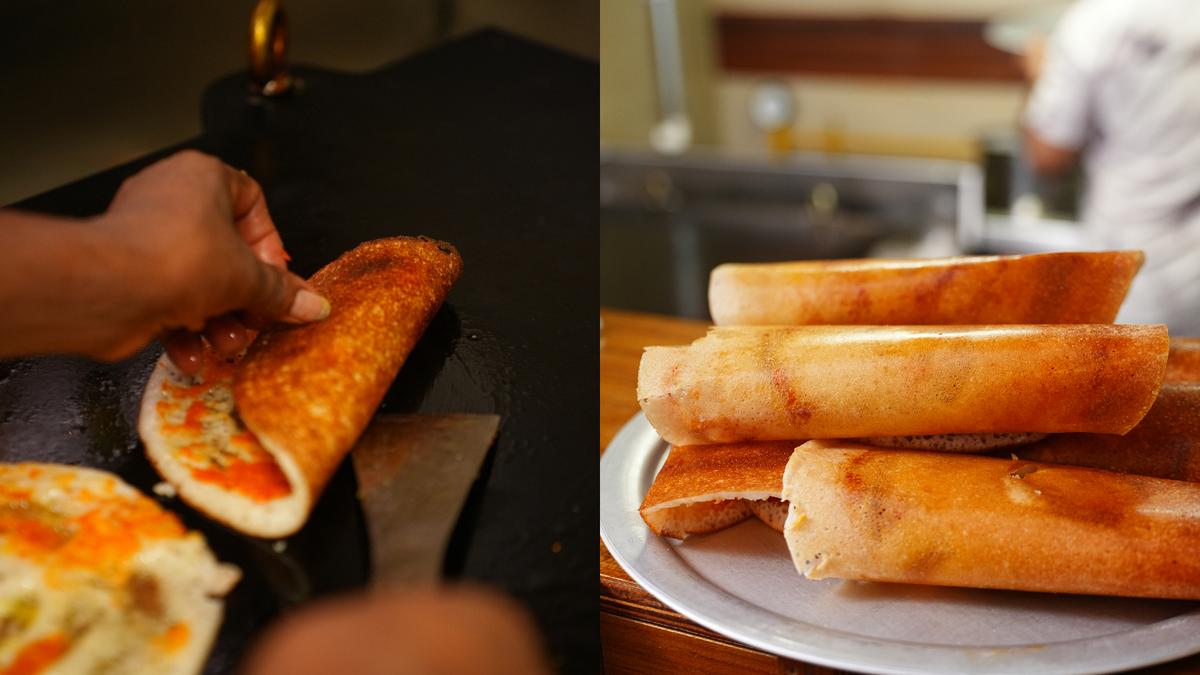
This article will roughly take you five minutes to read. It is, incidentally, the exact amount of time that a glossy ‘dose’ stuffed with red chili paste and potato masal, then topped with a dollop of benne, takes to arrive on a plate.If you have been a Chennai resident for long enough, you might have noticed a sudden but welcome rise in the number of Bengaluru-style darshinis (hotels by the roadside that use the quick-service model) to serve food that originates from Karnataka. On the menu, one can find the likes of the Bengaluru masala dose, Mysore masala dose, thatte idli, pongal, sabakki (sago)- based snacks and khara bath.Priced at affordable rates, these restaurants now boast swanky interiors, and dedicated social media teams hyping up what one might have once dismissed as ‘ordinary’. Here, the art of dosa making has been chalked down to the second. Owners optimise time, manpower use, and sourcing -- even deciding the number of times a ladle needs to be spun -- to ensure that each fresh dosa arrives on a customer’s plate within minutes. Most importantly, everyone’s focus is on the sambar war, ensuring that the divide between Karnataka’s sweet sambar and Tamil Nadu’s more savoury version does not cause a loss in business.Anish Akkalaneni, co-founder, Upavihar, a chain of six restaurants that started back in 2023, says that he remembers visiting udupis, which serve Karnataka-style food, before the advent of the Saravana Bhavans and Adyar Anandha Bhavans in Chennai. A regular at Sukh Sagar, and Doveton Cafe, he says, “I think the sambar played a major role in the shift from udupis to Tamil-style restaurants. We preferred a spicier version. That, and more options on the menu,” he says. With the drop in popularity of the udupis, the opportunity to sample Karnataka cuisine became few and far between. People had to travel to Bengaluru to eat a ‘dip’ -- a bowl of idli or vade drowning in Karnataka-style sweet sambar and their coconut mint chutney.Aashruth Rangarajan, founder, Eating Circles, which was one of the first restaurants in the city to enter the darshini lifestyle in 2016, followed this exact route. When he began working, he would travel to Bengaluru just for their breakfast. Every morning, he would be up, sampling the fare at crowded restaurants like MTR, CTR, and Vidyarthi Bhavan and wonder why food like this was unavailable in Chennai. He finally launched Eating Circles as a small kiosk-esque space in Kilpauk before moving to their larger location in Alwarpet. Suddenly, there was an audience travelling from across the city to grab a plate of their Mangalore buns and rose milk. The menu was limited but had a surprisingly large number of takers. “In the initial days, not many people were used to the ticketed style of waiting for food. We had to break up lines and work fast. It was chaos. Then, we optimised,” he says.
The rise of Bengaluru-style darshinis in Chennai: Inside the city’s newest food obsession
Chennai's food scene embraces Bengaluru-style darshinis, offering quick-service Karnataka cuisine with a focus on authenticity and taste.
1,571 words~7 min read