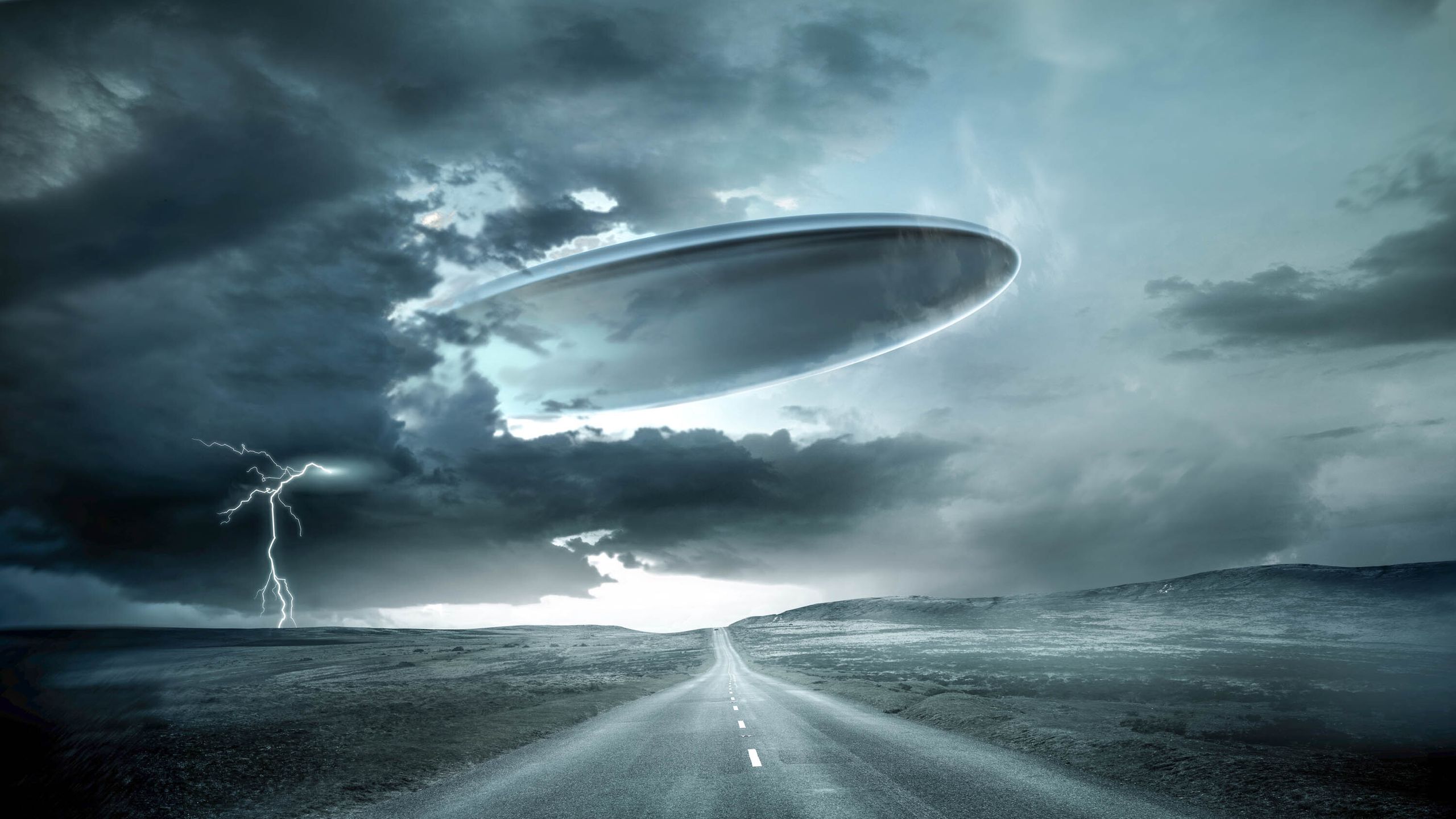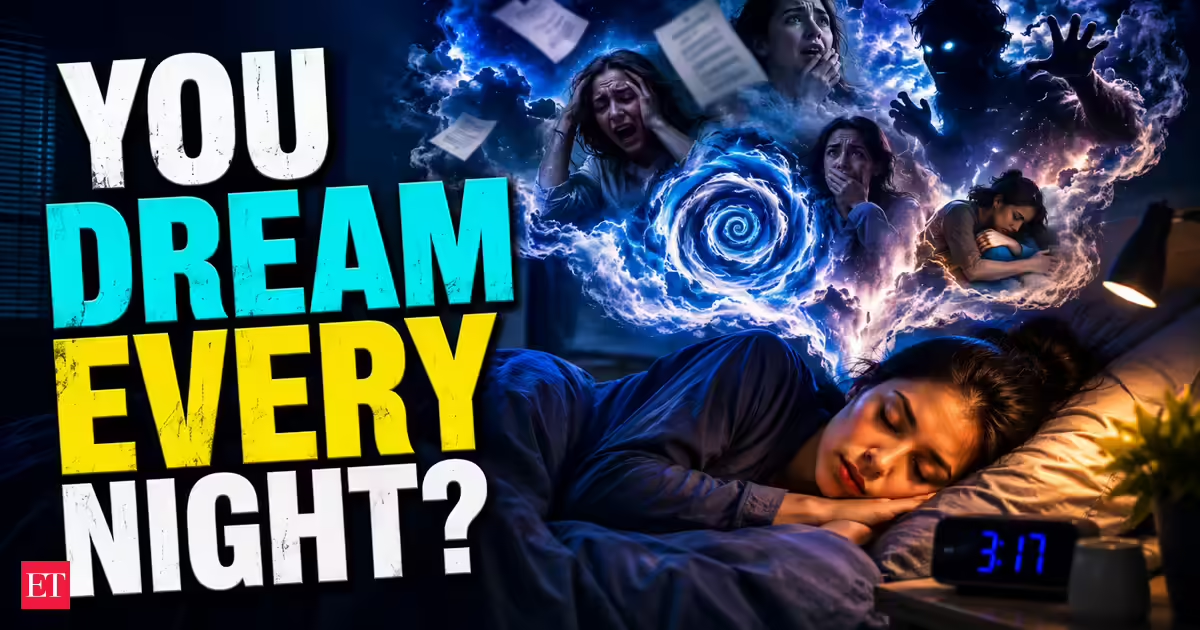
In the stillness of the night, someone suddenly wakes up unable to move, gripped by the eerie sensation of a strange presence nearby. Was it a dream, a hallucination, or something more? For some people, such experiences are powerful enough to be interpreted as signs of alien contact. But what does psychology say about these experiences? And why do certain people seem more likely to report them?A study found that individuals, referred to as “experiencers,” who claimed alien contact found they share a distinct psychological profile and compared to others, these “experiencers” reported higher levels of dissociation, absorption, paranormal belief, and hallucination tendency, along with indications of greater fantasy proneness. The findings are based on a study, “Psychological Aspects of the Alien Contact Experience,” a peer-reviewed study published in Cortex by Christopher C. French, Julia Santomauro, Victoria Hamilton, and Rachel Fox from the Anomalistic Psychology Research Unit, Department of Psychology, Goldsmiths College, University of London, London, United Kingdom, and Michael A. Thalbourne from the Department of Psychology, University of Adelaide, Adelaide, Australia. The study, received in December 2006, underwent revisions in 2007, was accepted in November 2007, and became available online in June 2008, included 19 UK-based experiencers and a control sample matched on age and gender. They also described more frequent episodes of sleep paralysis, a state between sleep and wakefulness where vivid sensations and fear are common. Earlier findings suggested experiencers were more prone to false memories, but this study did not.In the study, it was discovered that individuals reporting alien contact showed higher levels of dissociation, absorption, hallucination tendency, and sleep paralysis compared with non-experiencers. Traits such as absorption and fantasy proneness may influence how vividly individuals experience thoughts, memories, and sensory events. Sleep paralysis, with its frightening mix of dream and waking states, can add to the sense of “otherworldly” presence. Together, these factors may help explain why some individuals are more likely to interpret unusual experiences through an extraordinary lens.Real-world applicationsUnderstanding these psychological traits helps explain why some people interpret unusual experiences as alien contact. The findings also support broader psychological theories about how people interpret and make sense of unusual experiences. In practical terms, this research can guide clinicians, educators, and even storytellers in recognizing how human perception shapes belief.The study suggests that people reporting alien contact experiences share a distinct psychological profile that may shape how they perceive and interpret unusual events. The broader lesson? Human perception is deeply complex, and the way people make sense of extraordinary experiences is often shaped by both psychology and lived experience.
Psychology says people reporting alien contact show higher levels of dissociation and paranormal belief compared to others
A UK based study suggests that people reporting alien contact often share distinct psychological traits, including higher levels of dissociation, absorption, hallucination tendency, and sleep paralysis. Combined with fantasy proneness, these factors may influence how unusual experiences are perceived, offering deep insight into how psychology shapes belief in extraordinary encounters.
425 words~2 min read