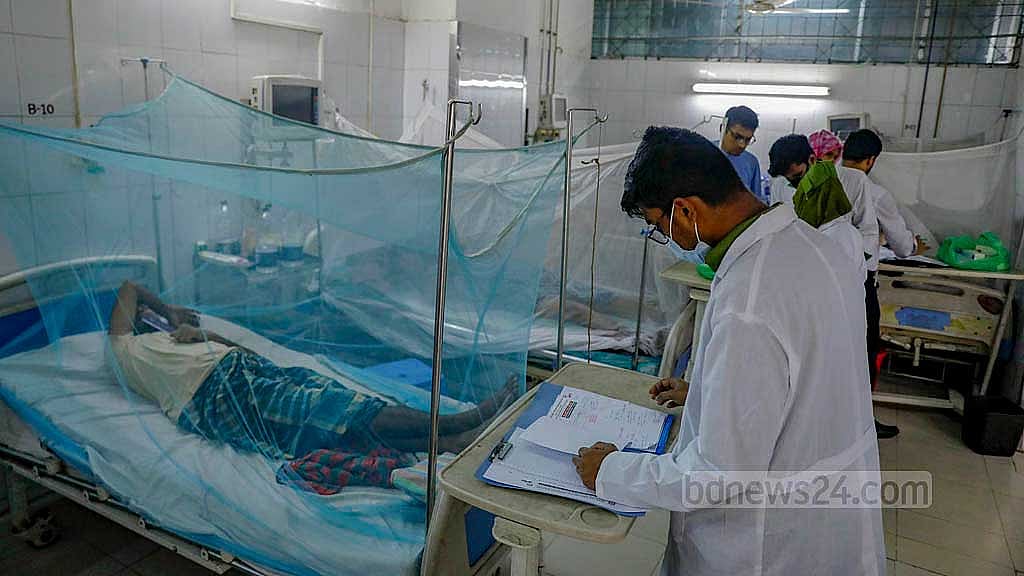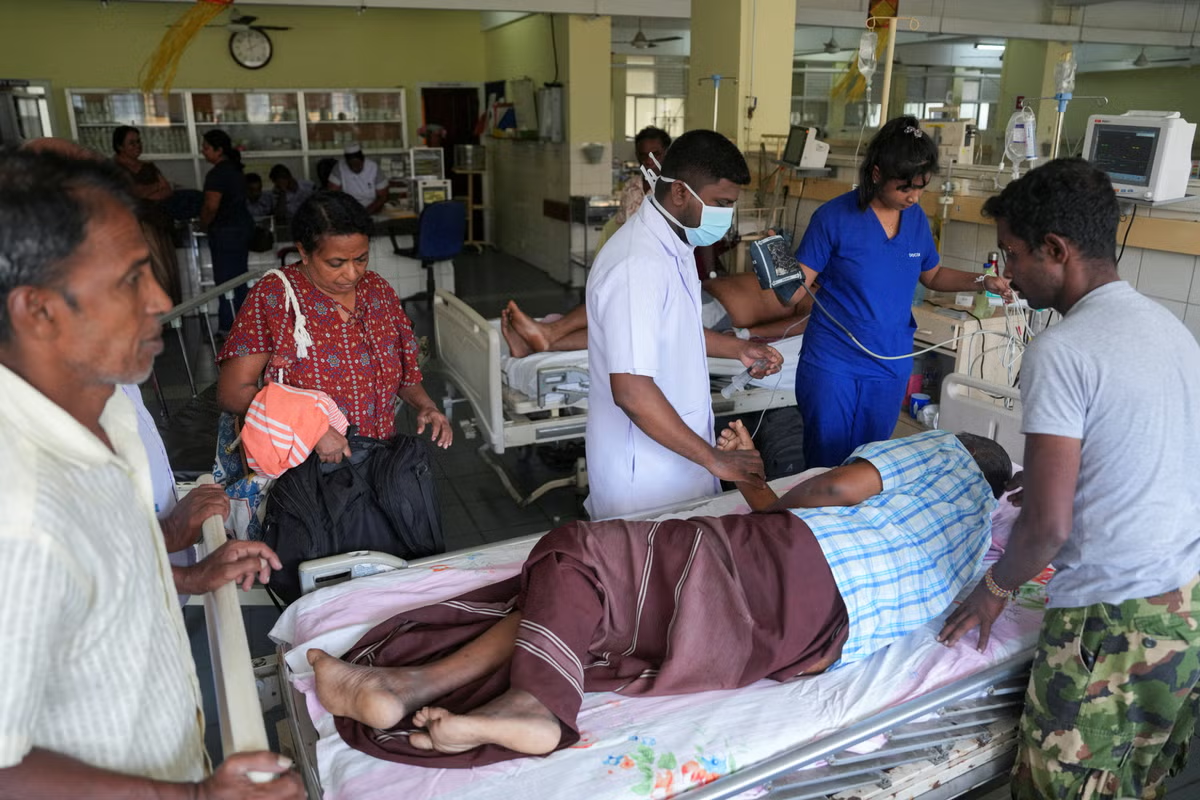
Sri Lanka has recorded more than 56,422 dengue cases from January to July 1, adding pressure to the country’s healthcare system as the caseload continues to increase.DENV-2 is the dominant dengue serotype causing a higher number of infections at present, health officials say.According to academics, unplanned urbanization and climate change are factors contributing to the spike in dengue cases in South Asia and many other regions.Meanwhile, the Aedes vector is evolving and adapting, increasing the mosquito’s ability to survive in constantly changing environmental conditions, researchers say.
DEMATAGODA, Sri Lanka — Niroshan Peters, 54, a resident of Dematagoda, a densely populated suburb in Colombo, has no option but to live and work in an environment frequently polluted due to careless waste disposal. He blames authorities for not having an effective waste management system, which results in people getting exposed to unhygienic environments.
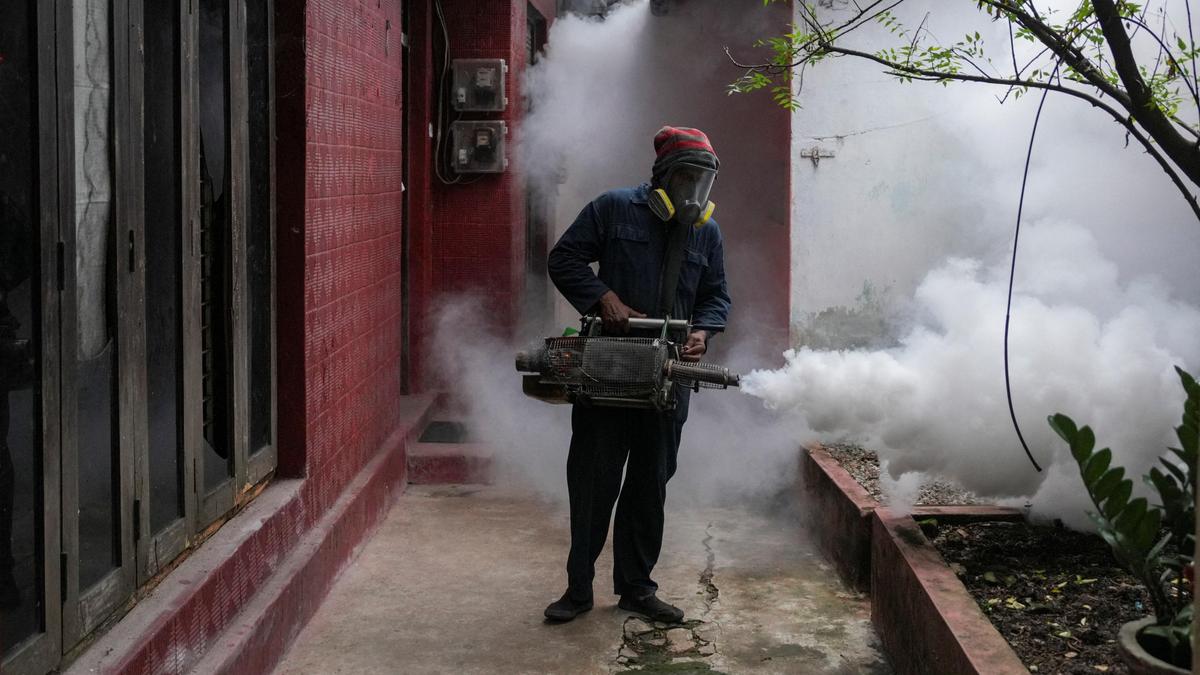
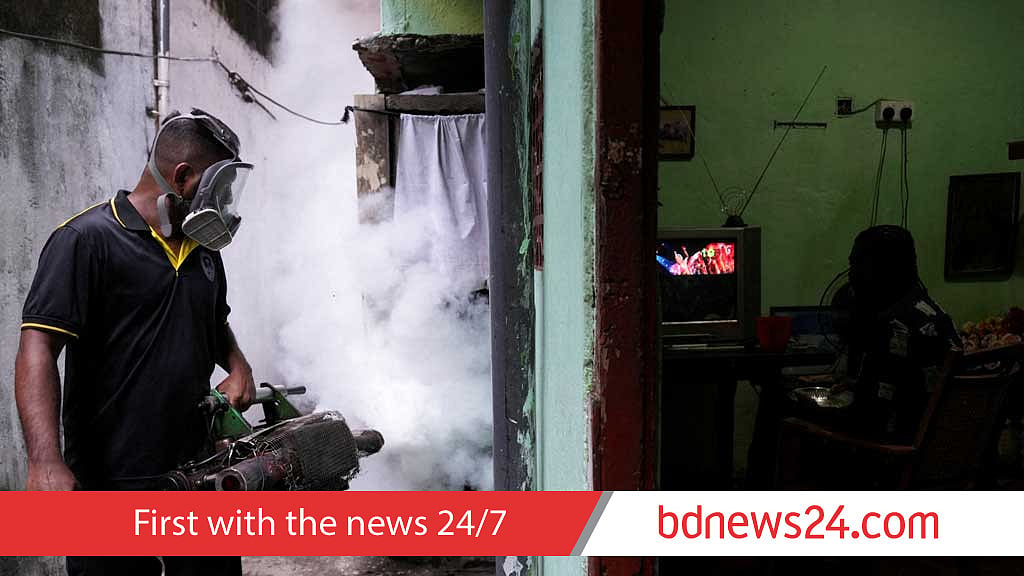
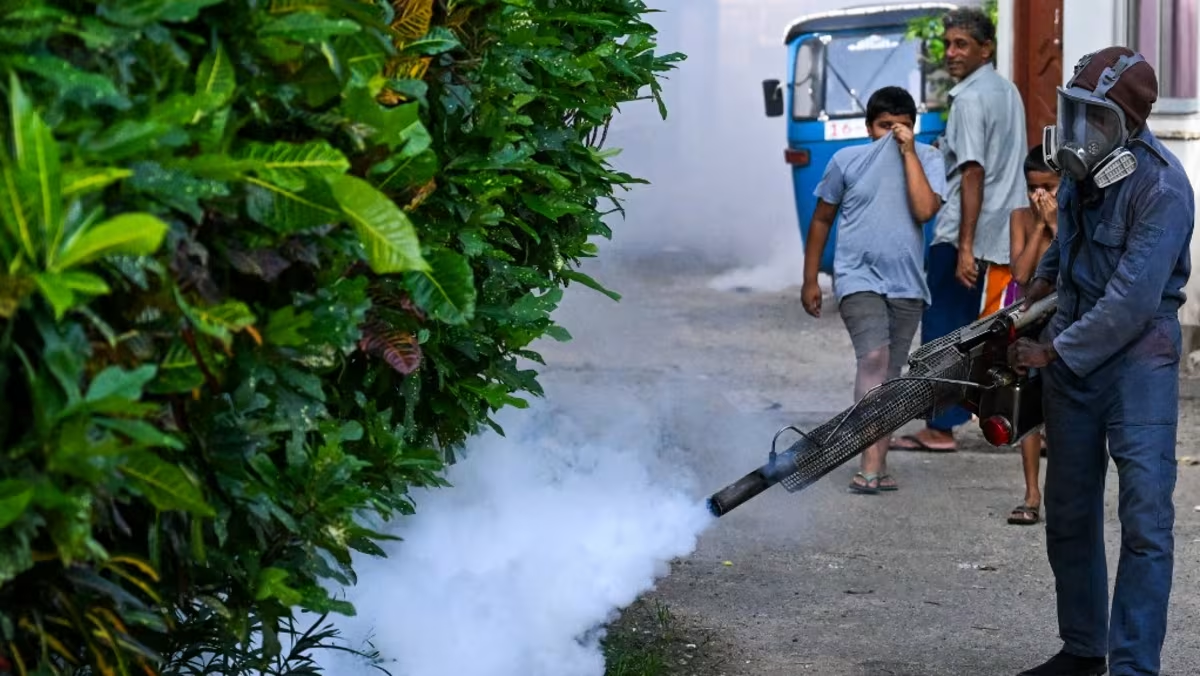
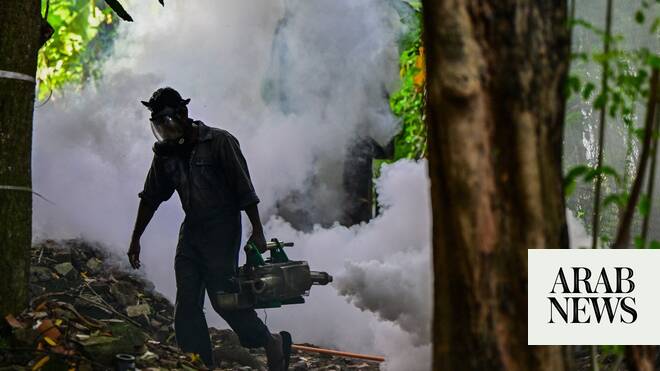
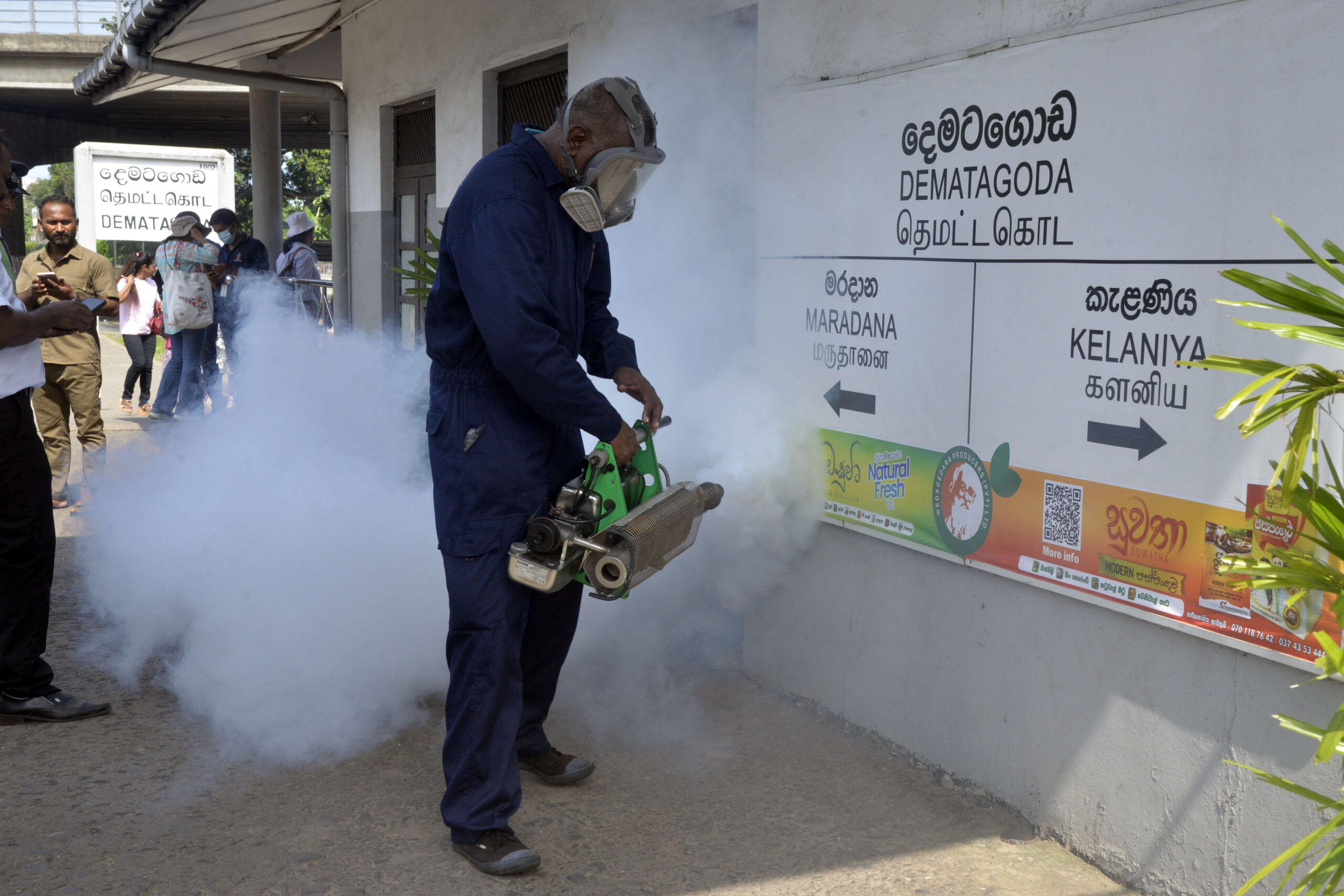
“Last week, workers from the Colombo Municipal Council (CMC) came to fumigate this area but that alone is not enough,” Peters told Mongabay. “Every time there is a surge in dengue they suddenly remember to carry out fogging and launch dengue prevention drives. But during the rest of the year people continue to dump waste in abandoned lands and contribute to a never-ending problem.” As of July 1, Sri Lanka’s National Dengue Control Unit (NDCU) has recorded a total of 56,422 dengue cases and 35 deaths. In 2025, a total of 51,000 cases were reported, indicating an alarming increase in incidence this year.