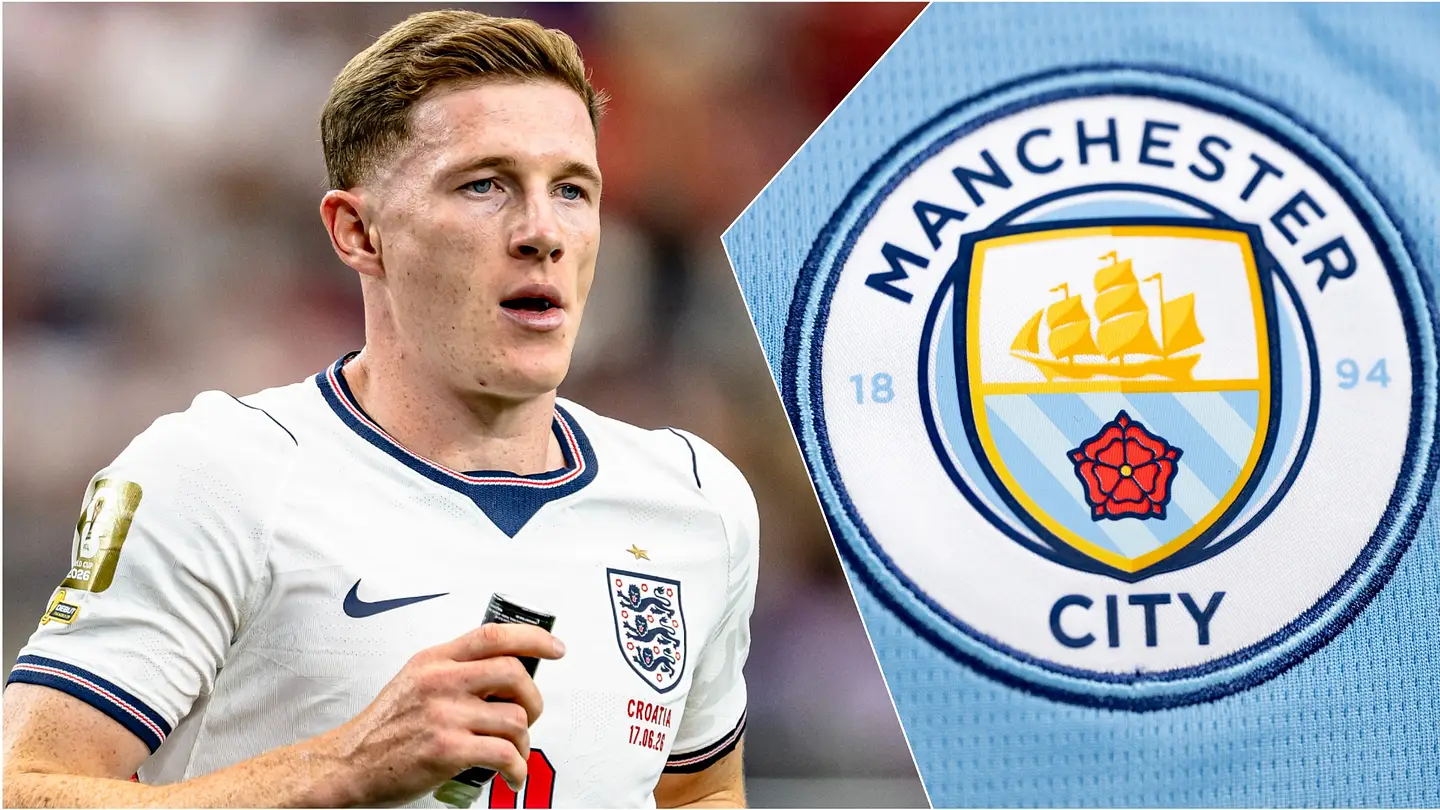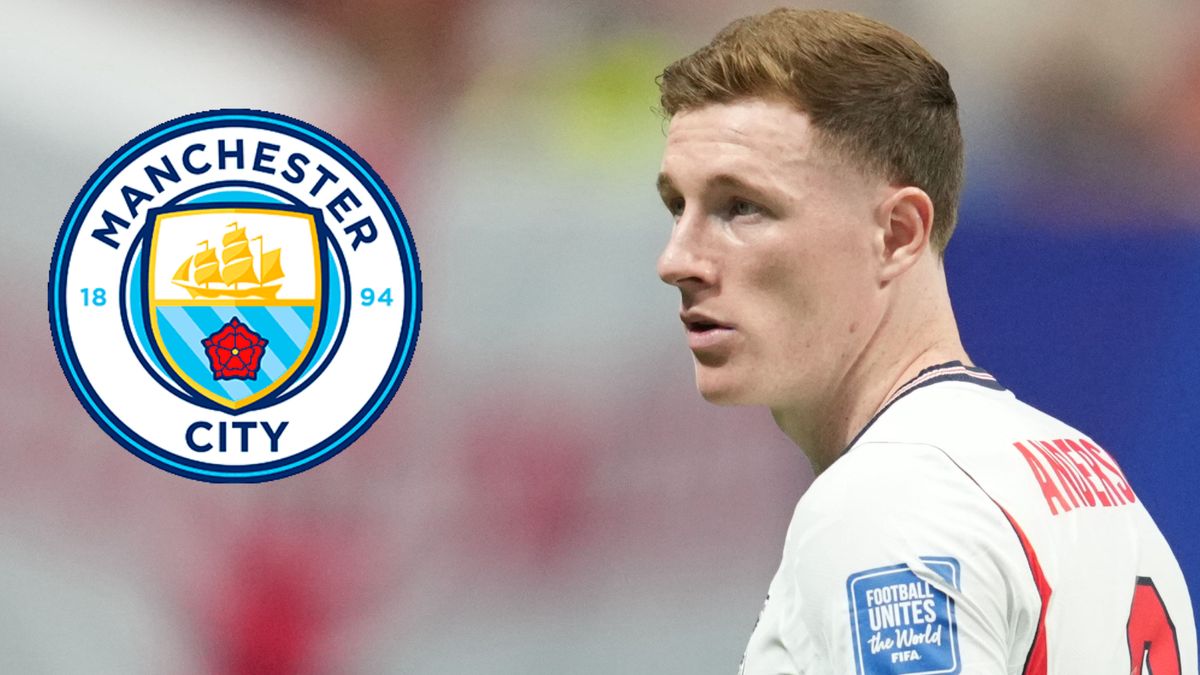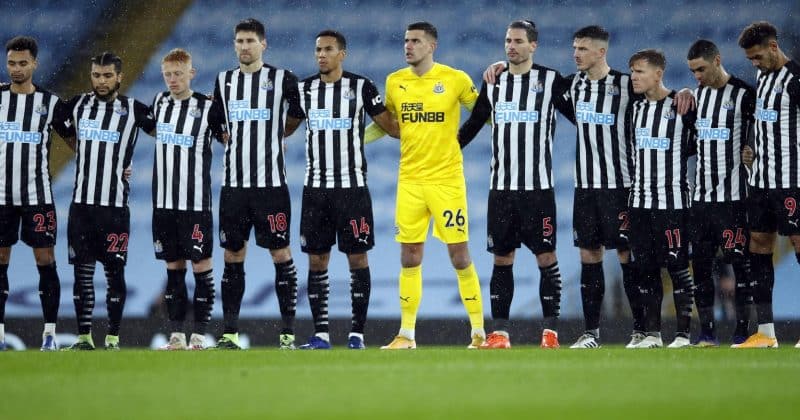
There was something cruelly poetic about Odysseas Vlachodimos’ second-straight loan move to Sevilla being announced by Newcastle United just as the formalities surrounding Elliot Anderson’s £116million ($153.6m) move to Manchester City were being concluded.If Newcastle fans did not find it painful enough watching one of their own play a central role for England at a World Cup, they have been reminded of one of the most consequential transfers in their history. For important reasons in the short term, but more for the damaging effect that double deal had in the long run.While Vlachodimos is still on Newcastle’s books and is (still) not part of Eddie Howe’s plans — despite a decent 2025-26 at Sevilla and his parent club embarking upon an overhaul of their goalkeeper department — Anderson is moving to the most successful club in England over the past decade for a fee which represents a record for a British player.With most big-money transfers, at least those concerning a player who has previously moved clubs, the potential financial dividend owed to their former side will be highlighted. If Bruno Guimaraes was to leave Newcastle this summer, for example — and the club are adamant their captain is not for sale — then Lyon would be due 20 per cent of any profit above the roughly £40m they received for the midfielder in January 2022.Yet with Anderson, Newcastle will not make a penny from this transaction. That is because there was no sell-on clause inserted into the deal which took Anderson to the City Ground.That has understandably — and to a large extent justifiably — generated much anger across the Newcastle fanbase.That is with the benefit of hindsight, mind. Without attempting to defend an exchange which, in a purely footballing sense, is indefensible, context is required to remind everyone of the economic rationale behind that transfer.Put simply, come Saturday, June 29, 2024, Newcastle were in a desperate position.Vlachodimos on Newcastle’s pre-season tour last summer (Serena Taylor/Newcastle United via Getty Images)That morning, club officials knew they needed to plug a financial black hole that exceeded £60m in less than 48 hours or face what they feared would be a double-digit points deduction — something their majority owners, Saudi Arabia’s Public Investment Fund (PIF), wanted to avoid.Newcastle’s frantic late attempts to comply with the Premier League’s profitability and sustainability rules (PSR) — which have now been replaced by squad-cost rules (SCR), and they are less restrictive for the club, at least domestically — by their annual accounting deadline led to a fraught and largely unedifying week of discussions about the potential sale of more than half a dozen first-team players.With Alexander Isak deemed unsaleable and the prospective transfer of Anthony Gordon to Liverpool having collapsed, Newcastle knew their easiest route to compliance was by offloading two exciting prospects. Winger Yankuba Minteh had never played for Newcastle but he moved to Brighton & Hove Albion for north of £30m, yet the perverse attraction of selling an academy graduate for “pure profit” — meaning all of the fee received can be banked in the accounts, with no deductions for (amortised) fees paid to sign them — became impossible to overlook.
Newcastle can never allow repeat of Elliot Anderson-Odysseas Vlachodimos transfers
The transfers involving Anderson and Odysseas Vlachodimos show where Newcastle were at the time - it can never happen again.
1,110 words~5 min read