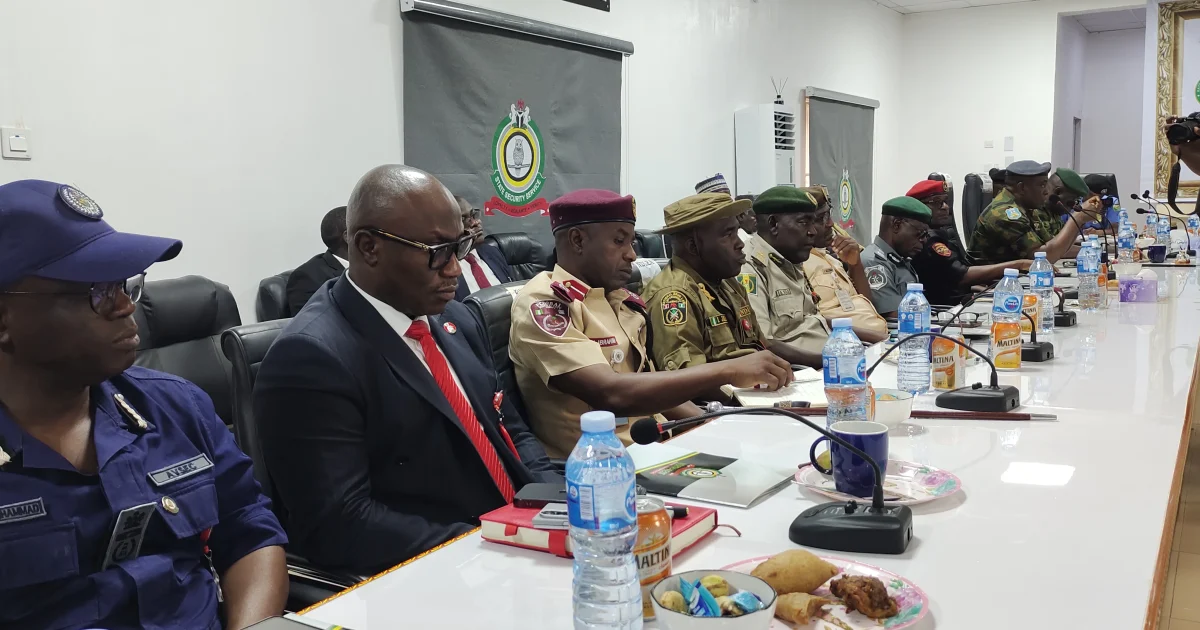
The Director-General of the Department of State Security Service, (DSS), Adeola Ajayi, has articulated what few security chiefs would dare acknowledge: communities must become the first line of defence against insecurity and terrorism. This postulation represents obvious breakthrough thinking, yet uncomfortable questions remain about why such a brilliant strategy remains unimplemented despite years of worsening criminalities across the nation.
Ajayi’s argument rests on stark arithmetic that cannot be ignored. Nigeria’s armed forces, police, and intelligence agencies total fewer than one million personnel, insufficient to protect 230 million citizens spread across 923,768 square kilometres. Even if every security officer worked without rest, comprehensive protection remains mathematically impossible.
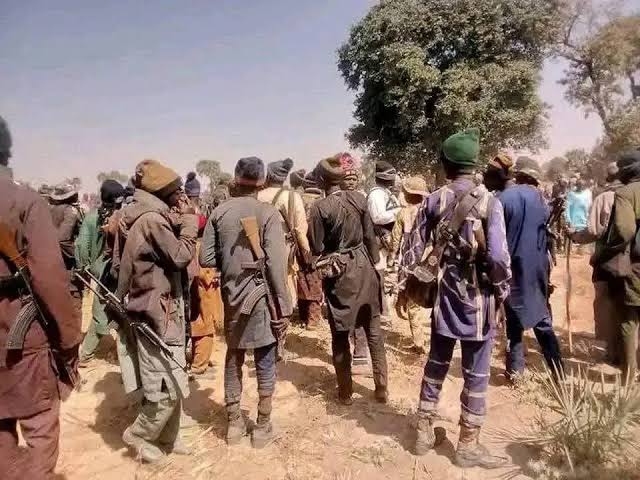
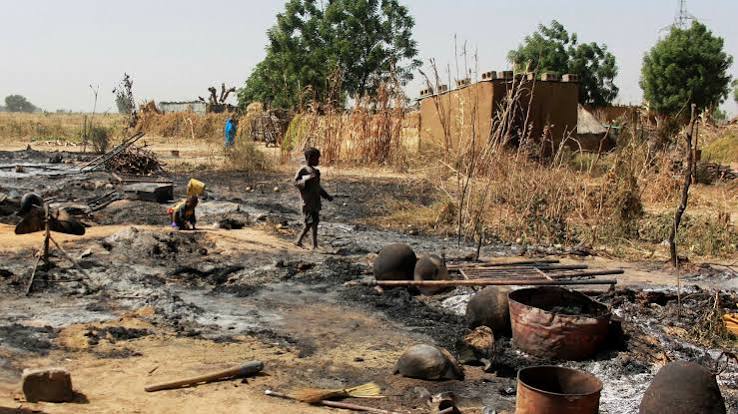
More damningly, the security establishment faces widespread perception of tolerance toward jihadists, terrorists, and bandits, enabling their operations to expand across ungoverned spaces. Communities, by contrast, are everywhere, positioned to detect and respond to threats before they escalate. Historical evidence Ajayi cites is compelling. Azare community in Bauchi State annihilated Boko Haram terrorists years ago, killing every attacker. Since that day, no terrorist attack has touched that community. Tafa Balewa residents similarly stood their ground, seized the invaders’ weapons, and successfully defended their territory.