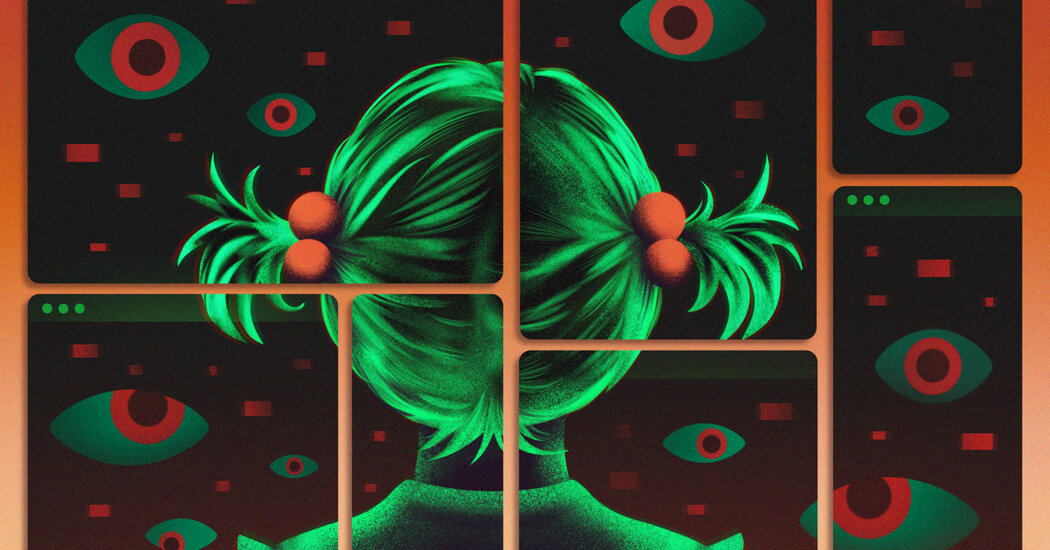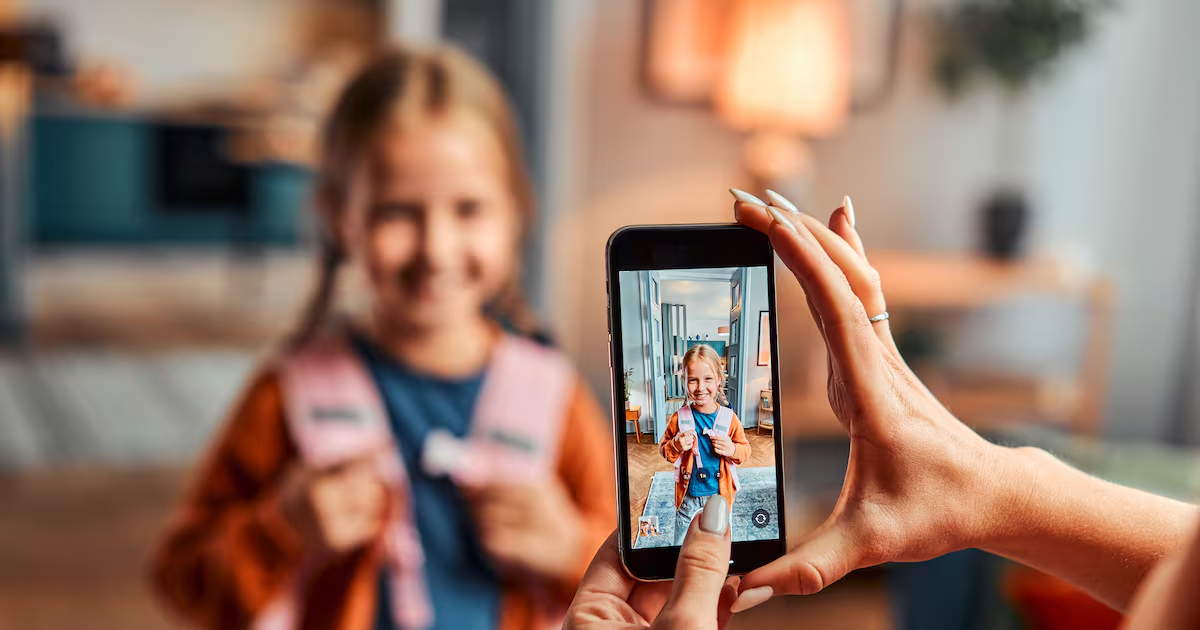
“Are you going to post that on Instagram?” It’s a commonly asked question in our house now that both children are aware that social media isn’t just for watching funny cat videos. As soon as you take a photo or video, they want to know where you are posting it, regardless of whether it is of the cat, the kids in the family or something random that has caught your attention. You can’t blame them. All around them are signs they are living in a world where, if it doesn’t go online, it didn’t happen. People pose in public for Instagram and Snapchat photos. Social occasions are curated and made into reels with a catchy soundtrack. To borrow someone else’s words, everything is content. But that doesn’t mean it should be. The answer to my 11-year-old’s Instagram question is usually “no”. Not everything is suitable or interesting enough for sharing online. There are people out there who think nothing of sharing almost every aspect of their child’s lives online. The videos of a child’s unfavourable reaction to a present that didn’t quite meet their standards. The epic public toddler tantrums and potty training accidents that would stray into “too much information” territory for family members, let alone a social media feed full of strangers. Every embarrassing thing you did as a child could come back to haunt you; now imagine if you had no control over sharing it in the first place. That situation has already been the subject of more than a few court cases as children discover their online footprint is a little more developed than they might like. [ ‘I don’t think AI is here to take my job’: Young professionals have their say on new technologyOpens in new window ]In 2015 an 18-year-old Austrian woman reportedly sued her parents after they posted – and refused to remove – almost 500 pictures of her online without her agreement. French authorities have also warned parents in the past about sharing too much of their children online, saying it could violate privacy laws. The practice now has its own made-up word: sharenting. It sounds slightly distasteful, like you should immediately excuse yourself should you catch yourself in the act in public. Sharenting was the subject of a recent survey published by the Data Protection Commission as part of its Pause Before You Post campaign. More than 1,000 parents in Ireland and France were asked about their attitudes towards sharing information about their children online. Three-quarters said they had shared content related to their children online in the past year, with one in three sharing daily or several times a week. Why do we do it? Most people – between a half and two-thirds – said they wanted to share moments with friends and family. Reassuringly, nine out of 10 people restricted sharing to small groups, and most people shared via messaging platforms instead of Instagram or other social media. While more than one in seven of those surveyed in Ireland who shared content about their children said they considered themselves “parent influencers”, only a small number – 3 to 4 per cent – said they were sharing such moments to generate income. But they were also more likely to share publicly, and more likely to share sensitive information. A significant number of parents – 40 per cent – said they didn’t ask for consent before publishing images of their children on social media, although some of that could be to do with the age of the child. Asking a three-year-old if they would like to have their temper tantrum splashed on Instagram is hardly informed consent; a 14 year old is more likely to speak up if they want you to put the camera away and keep their antics off Instagram.Only one in 10 said they regretted sharing information or images involving their children. It would be interesting to see how many parents still have that attitude.Since the survey was carried out last year, the digital landscape has shifted again. AI has become a bigger risk factor than before, with Grok’s digital undressing and nudification tool hitting the headlines at the start of 2026. The DPC’s Pause Before You Post ad, depicting a young girl walking around a shopping centre being greeted by people who knew personal details of her life through her online presence, went viral, painting a stark picture about the dangers of giving too much away to internet strangers. We all have our own ways of doing things. A completely unscientific poll among friends, family and acquaintances turned up at least two who don’t post their child’s face on social media at all, three who limit sharing to personal posts for a select audience, and a few who restrict their social media only to those they know in real life. There are fears about giving away information that could be used for identity theft, or that puts the safety of your child at risk. But there is more to sharenting than just providing potential stalkers with too much information on your child. There is now a real danger that, at best, their image is being sucked into training or AI models; at worst, it is providing fodder for potential abuse. Deep fakes are more convincing than ever. Most of us are guilty of sharenting at some point. We give away more than we think, building a picture of family life that could one day be used against us. There is nothing wrong with pride in your family; we just need to be thoughtful about how we express it. Otherwise, we may see a new round of legal cases by children against their parents, but this time for more than just posting embarrassing photos.
‘Sharenting’ is riskier than ever but that probably won’t stop us
Embarrassment is just one risk when you share images of your children online in an AI-enabled world
957 words~4 min read