Did Northern Ireland’s outdated libel laws help Jeffrey Donaldson hide his crimes? The possibility has been alluded to by some in the media over the past week. When Westminster reformed the law in England and Wales in 2013, the DUP blocked its extension to Northern Ireland. However, there is no suggestion it did so to cover up for Donaldson, or for anything in particular. The party had been lobbied by the legal profession, as it had few qualms admitting. Putting manners on the press and getting an occasional payout from the courts were added attractions. Sinn Féin has been in charge of the relevant department since 2016 and has taken the same position. Some watered-down reforms were enacted four years ago.Donaldson did make use of the difference between libel laws in Britain and Northern Ireland. In 2021, the London-based Open Democracy website revealed he had threatened to sue it in Belfast over a story about his consultancy business. The website said this had been done because “it’s much easier to sue journalists in Northern Ireland”.But Open Democracy conducts sober investigations. The stories tumbling out since Donaldson’s conviction – about affairs, prostitutes and gay saunas – are tittle-tattle that journalists did not report due to privacy laws, professional ethics and resource constraints. Snooping on a politician’s personal life is expensive, especially if he is based 400 miles away.Some of the people now demanding to know why the press did not expose Donaldson earlier can be the sniffiest about the tabloid tactics that would have entailed.Libel reform in the UK and Ireland is based on defending public interest journalism. None of the stories emerging so far about Donaldson’s life in London would pass this test, as nothing he is so far alleged to have done there is a crime.Ironically, Northern Ireland is the only part of the UK where it is illegal to pay for sex, thanks to a 2015 law from the DUP.While there is a strong case for libel reform, the main lesson from Donaldson’s case is to see the value of a scurrilous press.Attention is also turning to the “alternative religious justice system” run by some of Northern Ireland’s evangelical churches. That phrase was used in reports last Sunday by Sam McBride, Northern Ireland editor of the Belfast Telegraph.During Donaldson’s trial, it emerged he had attended a meeting with one of his victims at the Christian Family Centre in Armoy, Co Armagh, in 1997, where he apologised to her “for what he’d done to me in the past”. The centre specialises in treating addiction through “prayer, ministry and counsel”. The centre contacted Donaldson to arrange a meeting. Its co-founder, David Hoy, gave evidence in court that when Jeffrey Donaldson met B he told her “I know what this is about. I’m sorry. Please forgive me.” Nothing more was done. Knowledge of abuse would have been a disclosable admission in any professional setting, requiring referral to the police.The Christian Family Centre says it now has proper safeguarding procedures. The Presbyterian Church did go to the police in 2023 after Donaldson tried to arrange another meeting through it with a victim. But this remains a largely unregulated field, occupying a legal limbo between private conversations and public responsibilities.At best, the churches and groups involved may be ill-equipped to help those turning to them. At worst, they are vulnerable to manipulation. The prosecution at Donaldson’s trial said he sought Christian forgiveness as a means of control.[ Man of the church: How Jeffrey Donaldson weaponised his faith to cover up sexual abuseOpens in new window ]The “religious justice” system is less private than the Catholic confessional but more informal than a sharia court. Money rarely changes hands for its services. Counselling is completely unregulated in the United Kingdom – anyone may call themselves a counsellor.In Northern Ireland, unusually, it is an offence to be aware of a serious crime and not report it, but the authorities consider this law to be almost unusable.Voluntary meetings in a religious context engage fundamental rights of free association, free expression and freedom of belief. So how can they be meaningfully regulated?This question is about to collide with proposed laws against so-called gay conversion therapy.Conservative and Labour governments have been trying to legislate for a ban since 2018. A draft Bill was finally presented at Westminster last week covering England and Wales but it ducks the question by outlawing only “abusive” practices, which are illegal already.Stormont has voted for a ban twice in the past five years, Alliance has introduced a private member’s Bill, but legislation is opposed by the DUP.[ Jeffrey Donaldson’s downfall leaves the DUP battling a conspiracy theoryOpens in new window ]The unionist party has said a ban would infringe religious and personal liberty and risk “enforcing transgender ideology”. It might have expected public sympathy for these objections and made political hay highlighting the contradictory positions of others.But what can the DUP say now, about this or any other ethical issue, without facing ridicule and accusations of double standards itself?
Newton Emerson: One takeaway from the Jeffrey Donaldson scandal is the value of a scurrilous press
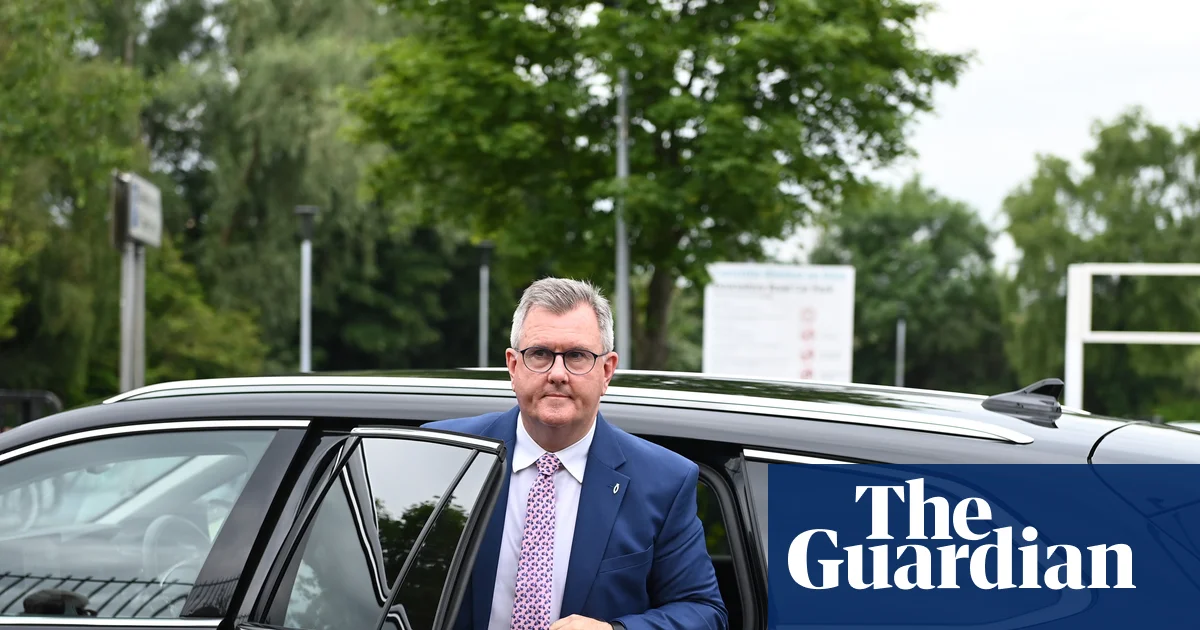
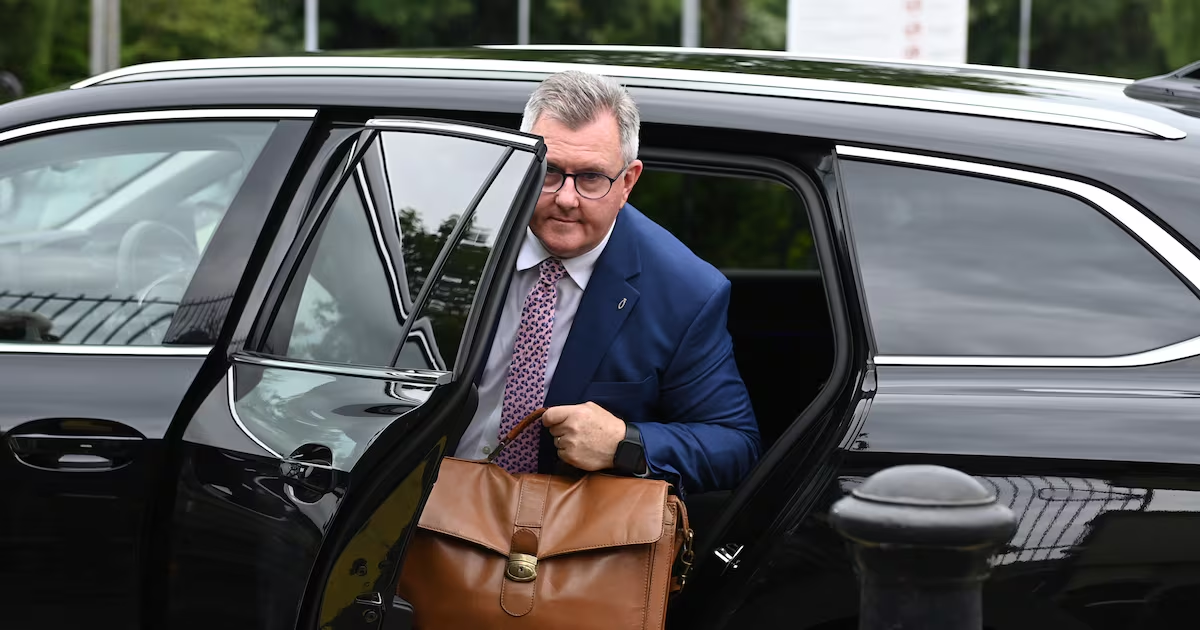
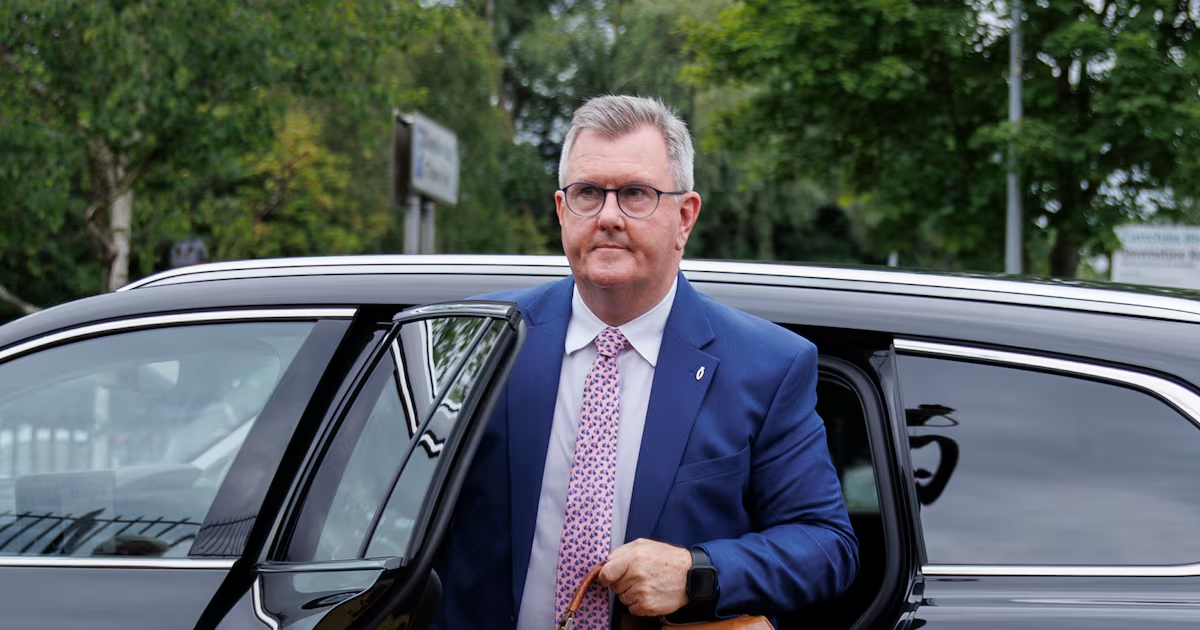
Some of the people now demanding to know why the press did not expose Donaldson earlier can be the sniffiest about the tabloid tactics that would have entailed
835 words~4 min read