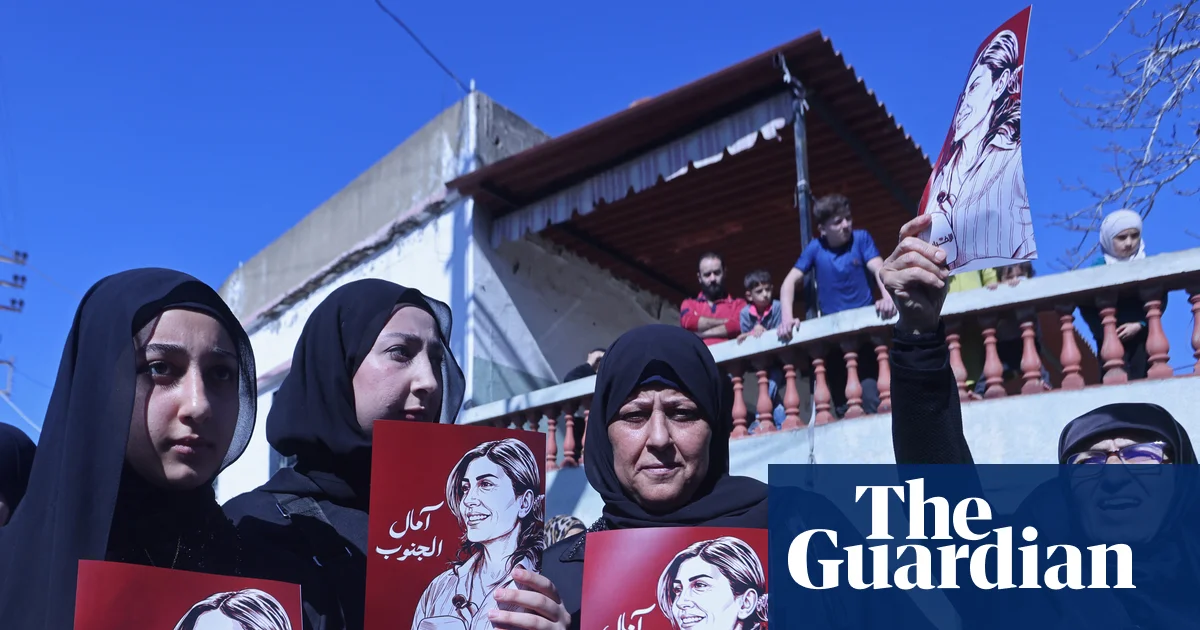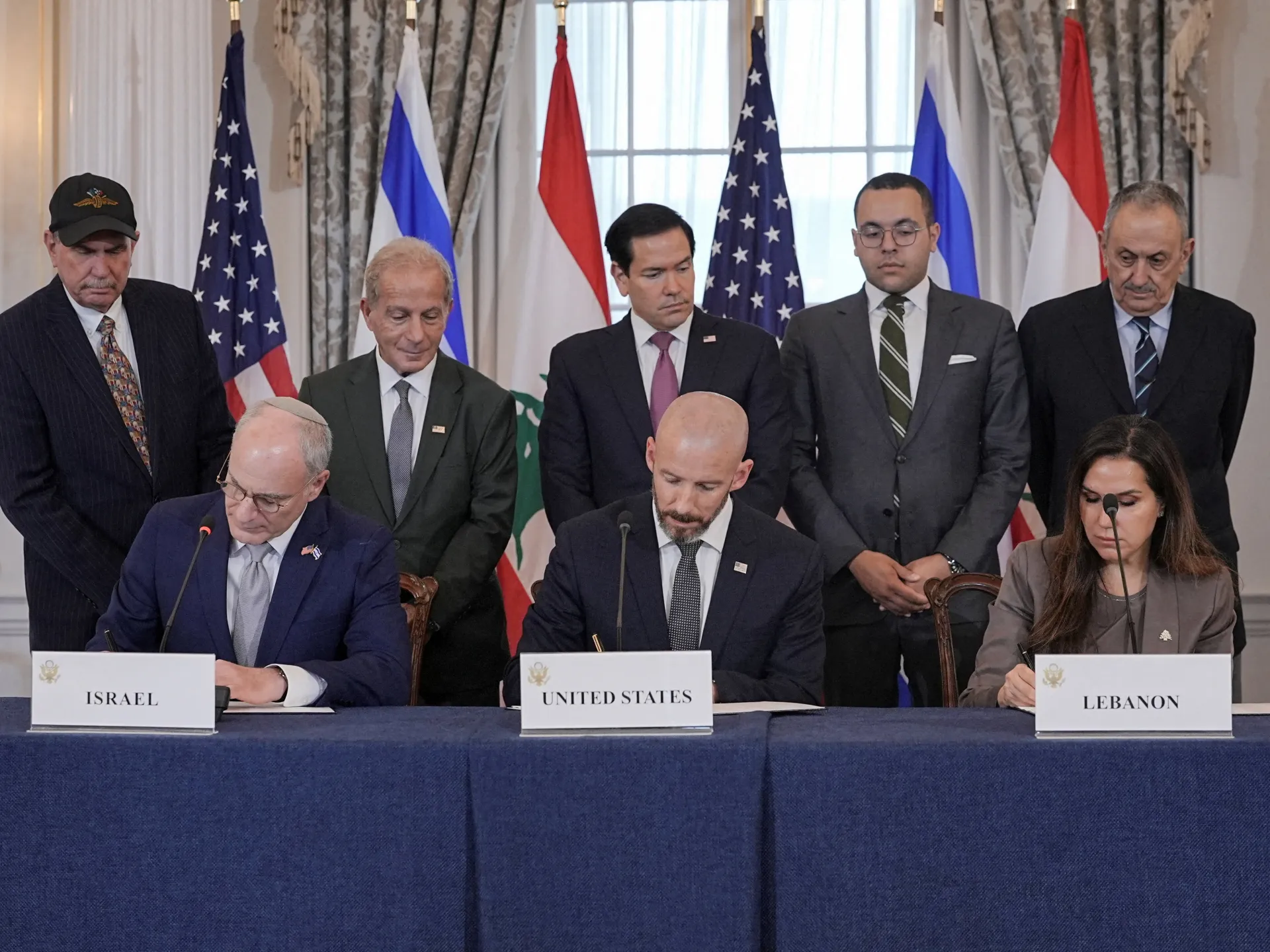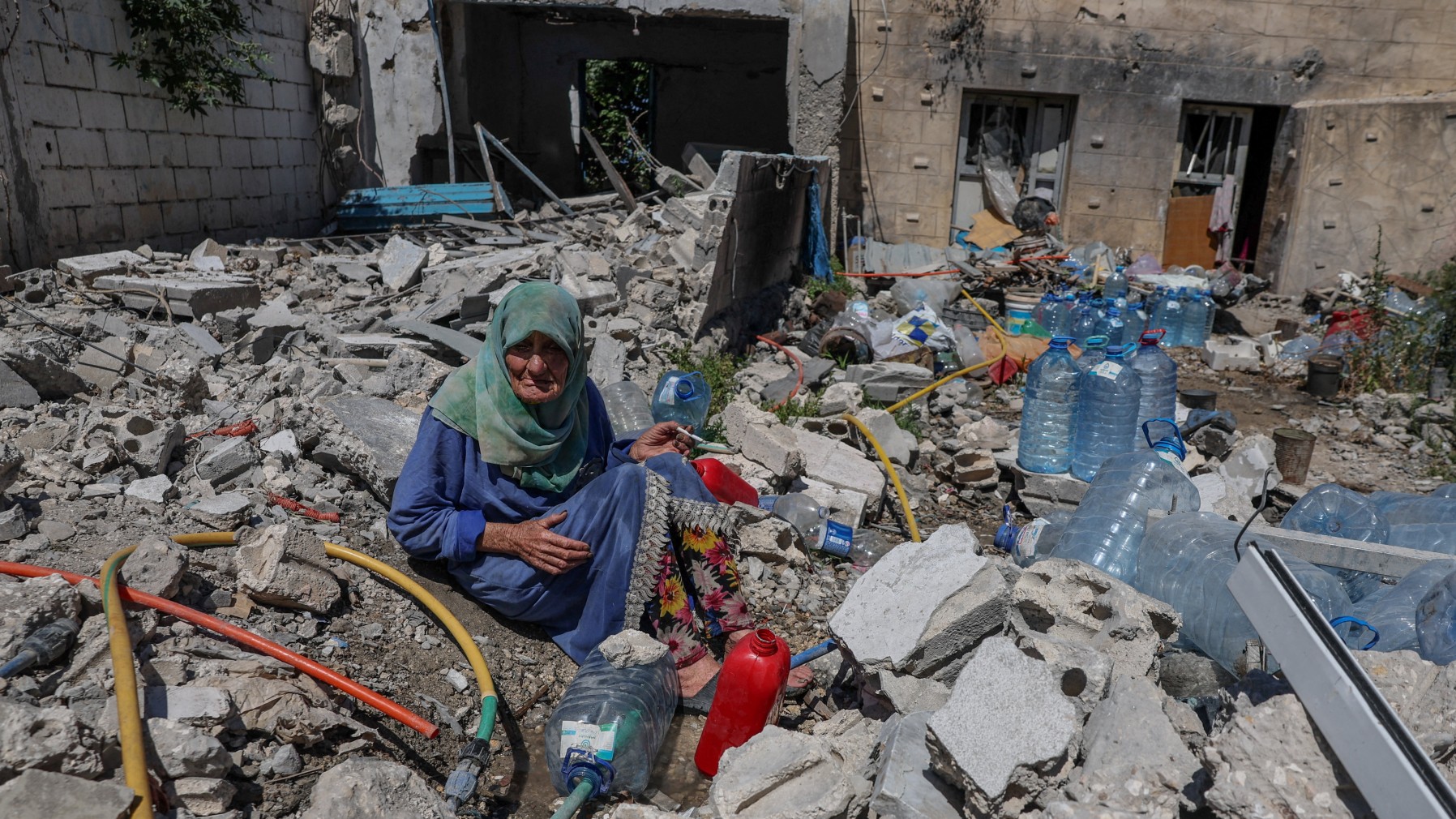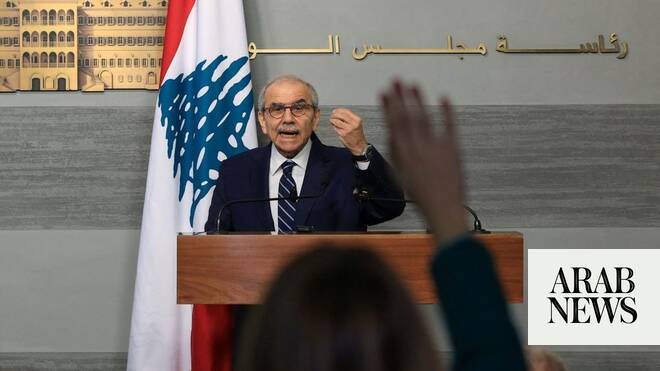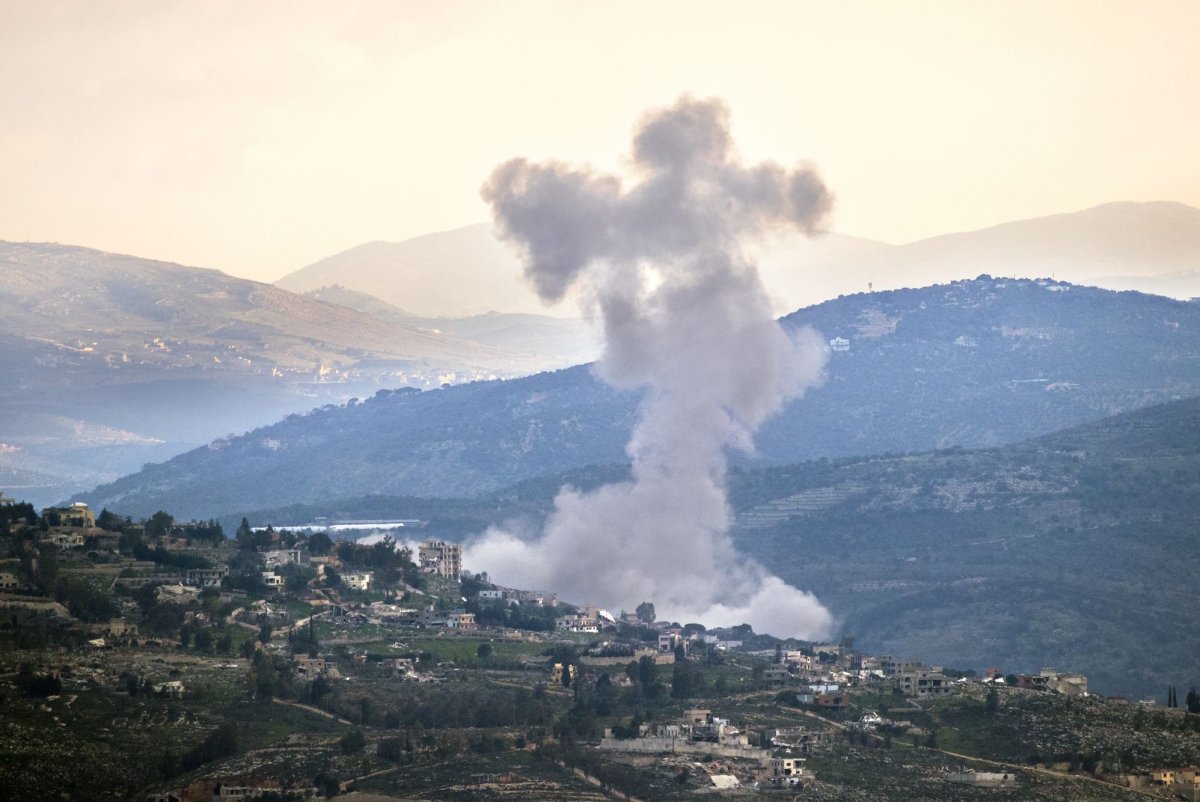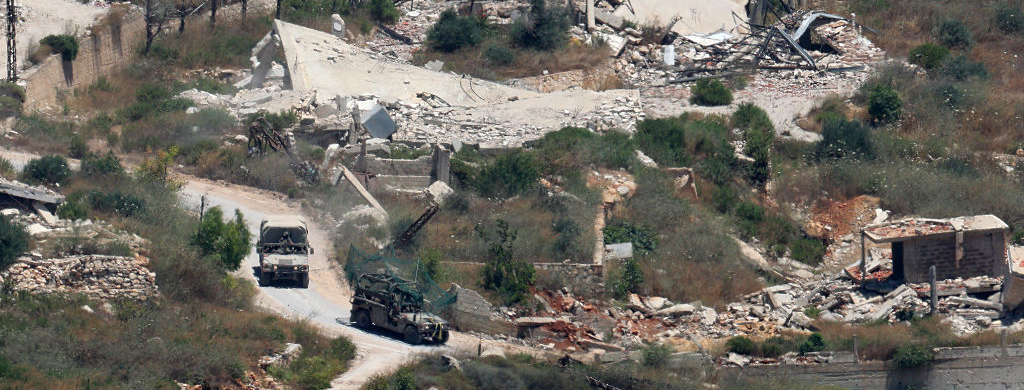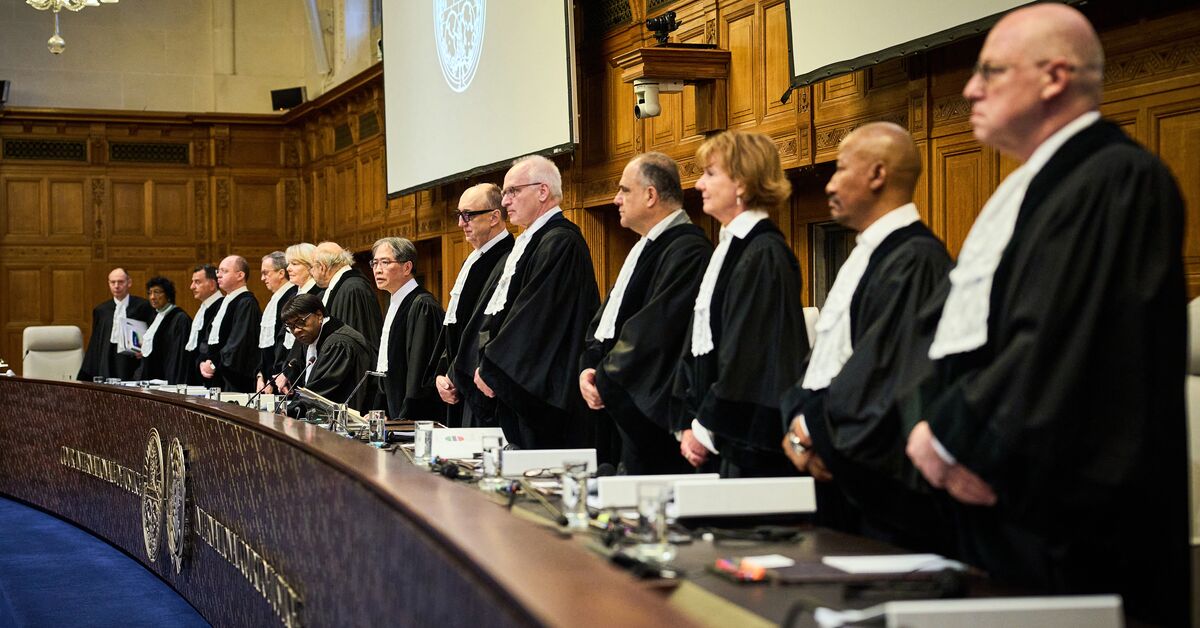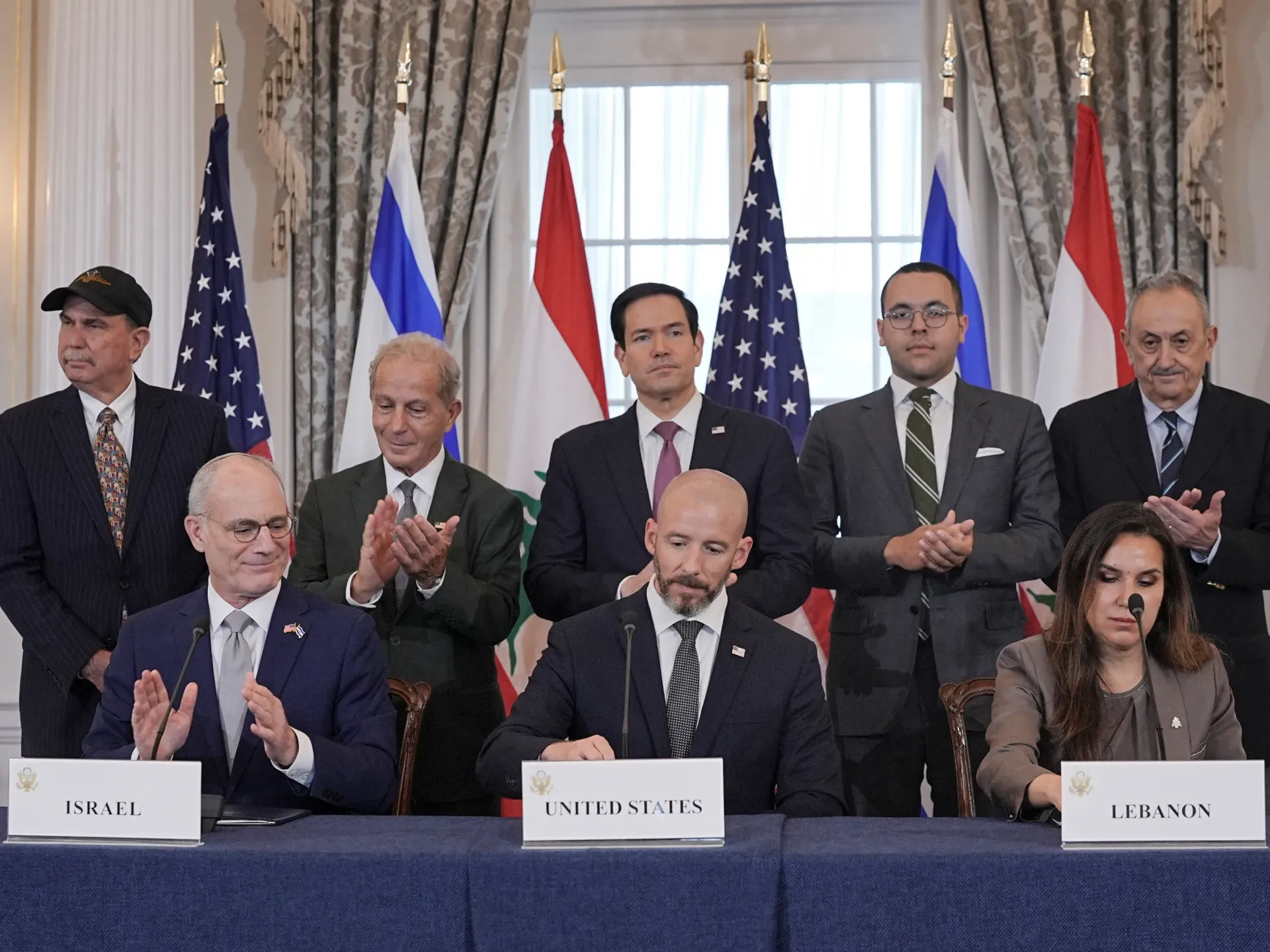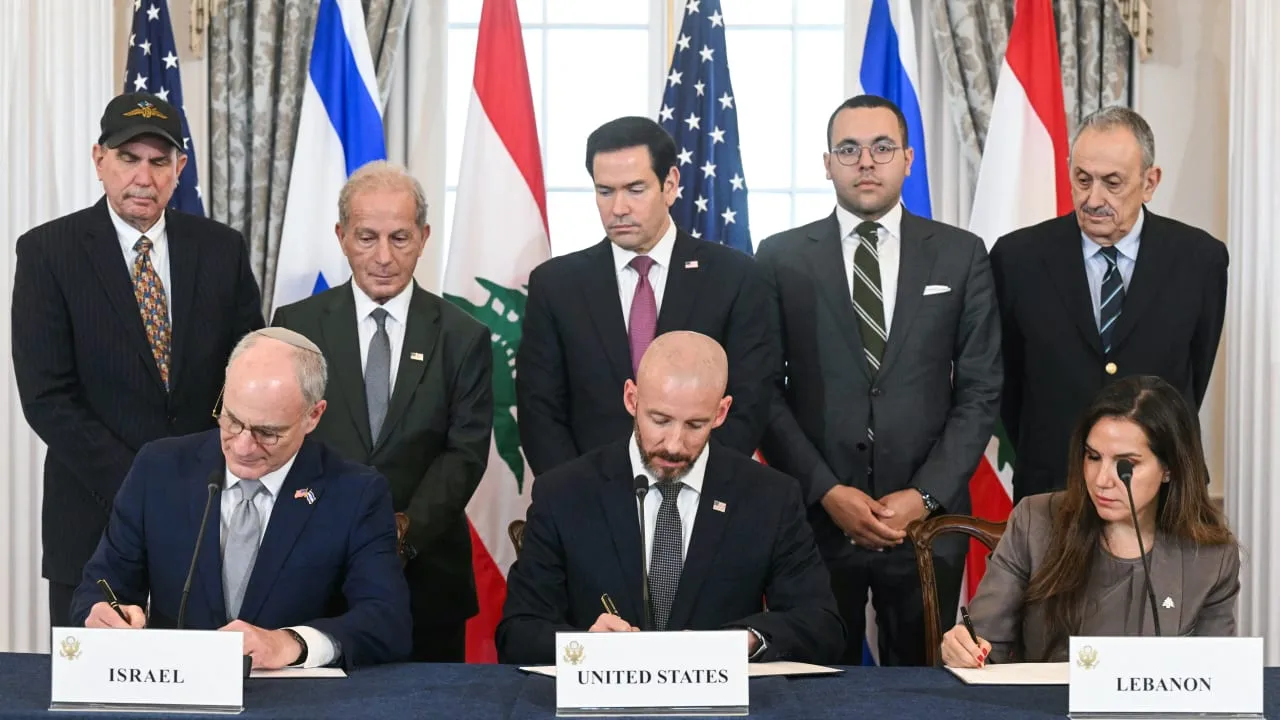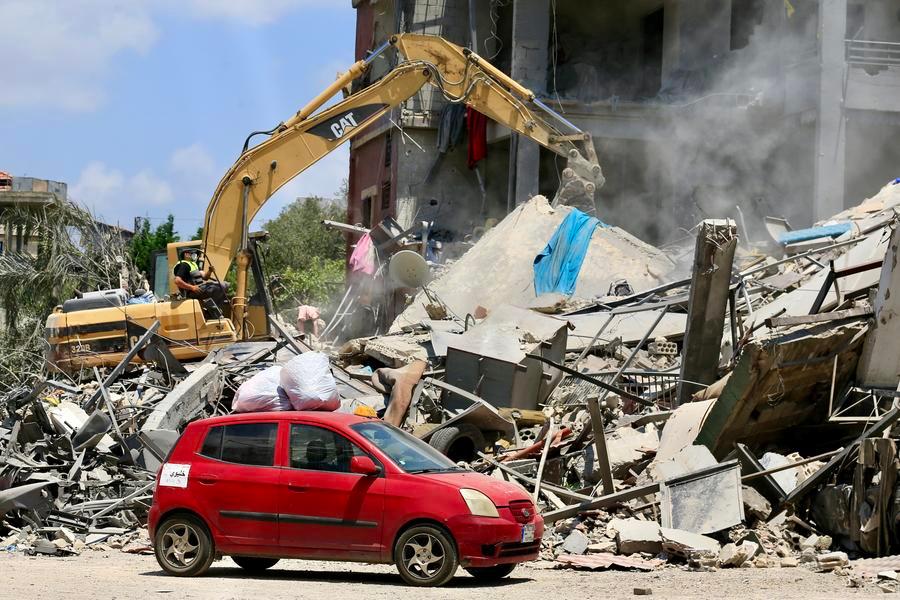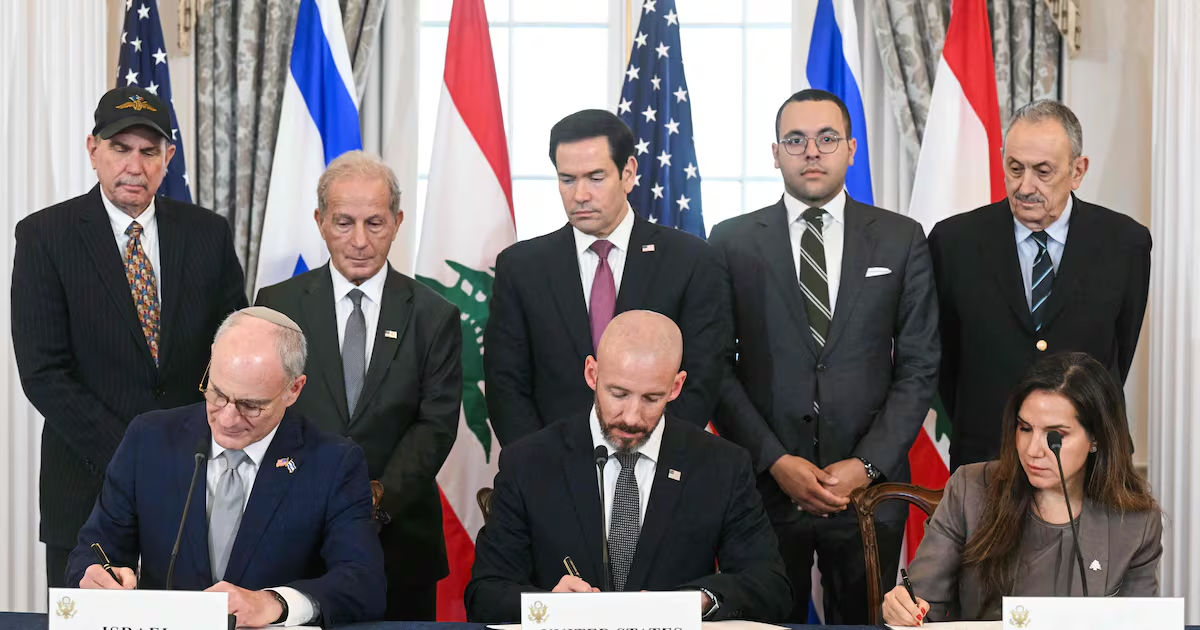
On March 12, Ali Shehab received a notification that would upend his life.The Lebanese journalist and researcher, who lives in the Netherlands, was tracking Israel's war on Lebanon through open-source intelligence platforms and conflict-monitoring systems when reports emerged of an explosion in a location that seemed “too familiar”.It was through a news alert reporting an Israeli strike on a residential building near Beirut that Mr Shehab learnt his brother Mohamad, 37, and his niece Taline, seven, had been killed.“Digital notifications reached me before any human being told me that my brother and his child had died,” Mr Shehab recalled. Mohamad Shehab and his daughter Taline were killed in an Israeli air strike on their home in Aramoun, near Beirut. Photo: Family handoutInfoSince that day, he has reconstructed a minute-by-minute timeline of the attack and collected a large body of digital and visual evidence, witness testimonies and official records to build a case file that meets international justice standards.His pursuit of accountability, however, faces a new obstacle.Controversial clauseA US-backed agreement between Lebanon and Israel has raised concerns among victims' families and legal experts, who warn it could restrict Beirut's ability to pursue international accountability for Israeli war crimes.The dispute centres around Article 13 of the agreement, which commits both sides “to take good faith measures that demonstrate positive intent, including the cessation of all hostile or adverse actions in international political or legal forums”.The provision “is not just controversial, it is deeply problematic”, said Nadim Houry, head of the think tank Arab Reform Initiative. “The Lebanese government is giving a liability shield for the severe crimes committed by Israel in Lebanon,” he told The National. Mr Houry is among several legal experts who fear the clause's broad language could be interpreted to limit Lebanon's efforts to seek accountability through international legal mechanisms.“The problem is that it does not define what counts as 'hostile' or 'adverse', which forums are covered, which cases are affected, or whether the provision applies to past, present or future violations,” he explained. “The wording could be used to pressure Lebanon not to pursue accountability through the United Nations, the International Criminal Court, international fact-finding mechanisms, or even diplomatic initiatives seeking reparations or condemnation of violations,” Mr Houry added. 'Second death'For Mr Shehab, the agreement could result in what he describes as his brother's “second death” when “evidence and truth gradually disappear”.He said his family has been “forced to become the investigators, archivists and historians of their own tragedy” to preserve his brother's memory and seek truth and accountability. While the signing of the agreement does not strip Lebanese citizens of their right to seek justice, legal experts say it could complicate their efforts. “Families can and should continue to seek truth, accountability and reparations. The Lebanese state cannot simply waive away the rights of its citizens … But the practical danger is serious,” said Mr Houry. More than 4,200 people have been killed by Israeli attacks on Lebanon since early March, authorities say. ReutersInfoHe said victims “do not pursue justice in a vacuum” but often need the state to preserve evidence, arrange access to investigators, share information and invite UN or international involvement. Article 13 could make Lebanese authorities more reluctant to take such steps, fearing that Israel or the United States will accuse them of breaching the deal, he said. “So the issue is not that victims automatically lose all legal rights the moment the agreement is signed. The issue is that the Lebanese state may now become less willing to exercise its own powers in support of those rights. That would feed directly into the long history of impunity for violations committed in Lebanon,” he told The National. Justice in jeopardyThe inclusion of Clause 13 in the agreement is a “major victory” for Israel, said Karim Bitar, political analyst and lecturer in Middle East Studies at Sciences Po Paris, but it is also “an implicit acknowledgement that serious war crimes were committed”. He described the provision as a “slap in the face” for Lebanese civilians who have paid the heaviest price in the conflict. “What message does this send to all those in south Lebanon who lost family members, who saw their entire villages levelled, who lost all their childhood memories?” he asked. “Even though the deal contains many other problematic articles, this one felt like a slap in the face for all those who have been trying to get justice or at least recognition of what happened,” he told The National. At least 4,278 people have been killed by Israeli attacks on Lebanon since March 2, according to authorities, making it one of the deadliest conflicts in Lebanon in decades. The dead include 253 children, 391 women and 135 healthcare workers.Israel's offensive in Lebanon has been decried as “disproportionate” and “indiscriminate” by the UN and other human rights organisations. Lebanese authorities have accused Israel of deliberately targeting medics and healthcare workers. EPAInfoA previous investigation by The National drew parallels between Israel's recent war tactics in Lebanon and its more than two-year campaign to destroy and occupy Gaza, including mass forced displacement, double-tap strikes, deliberate attacks on medics and journalists, and the razing of entire towns and villages to pave the way for permanent occupation. Jad Melki, professor of journalism and media at the Lebanese American University and a member of the International Coalition to End Impunity, described Clause 13 of the agreement as “shameful”. He said it reflected the Lebanese government's “chronic failure” to protect its citizens and pursue justice on their behalf.But Clause 13 does not necessarily mean that all legal avenues for victims of Israel's war crimes have been closed. 'Agreement they never signed' The International Coalition to End Impunity, which brings together international lawyers, academics and activists assisting Lebanese victims, launched a 100-day campaign on Tuesday to collect 100 legal complaints against Israel’s actions in southern Lebanon. The initiative seeks to pursue legal action, if not in Lebanon, then in foreign jurisdictions. In particular, dual nationals could file lawsuits in the countries of their other nationality.“An individual's right to seek justice is a fundamental right,” lawyer Pedro Andujar from the coalition told The National. “The Lebanese government does not have the authority to prevent individuals from bringing cases before international courts or from exercising victims' rights.”For example, a French-Lebanese citizen who lost family members during the war could file a complaint in the French courts, he said. Mr Andujar added that lawyers were also exploring legal avenues for victims who hold only Lebanese nationality.“Individuals are not bound by an agreement that they did not sign,” he said. For Mr Shehab, the agreement feels like a trade-off that his family never agreed to.“No agreement should leave civilian families feeling that they have been asked to trade justice for stability,” he told The National. “For families like mine, accountability is not incompatible with peace.”
How one clause could complicate Lebanon's pursuit of justice for Israeli war crimes | The National
US-backed agreement between Lebanon and Israel has raised concerns among victims' families and legal experts
1,141 words~5 min read