Story audio is generated using AI
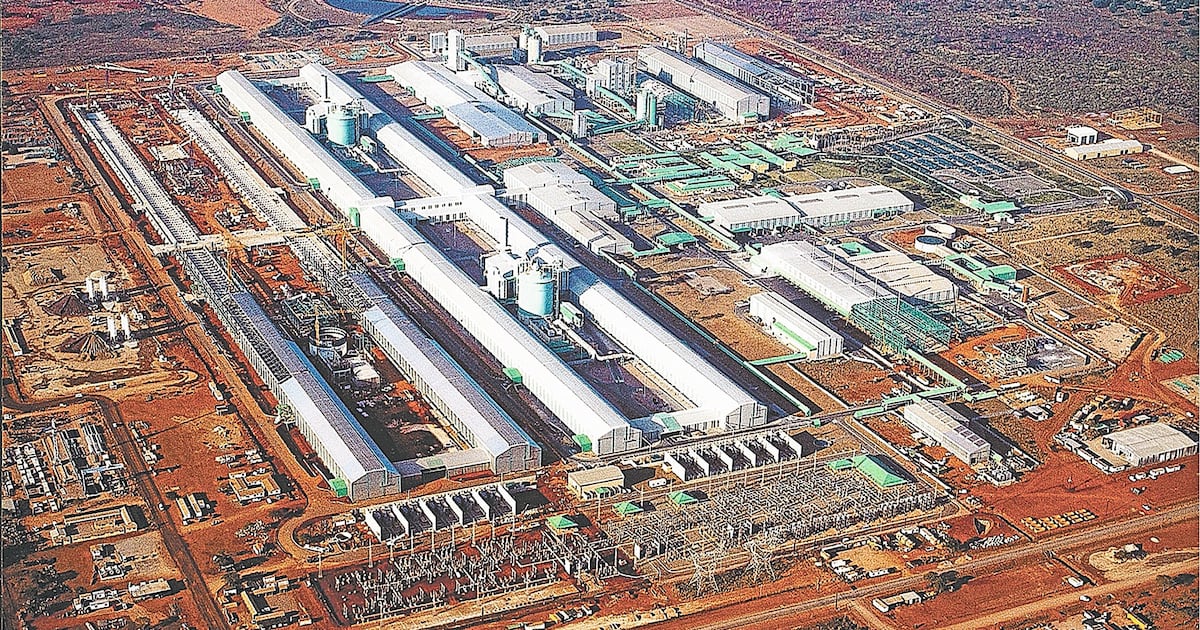
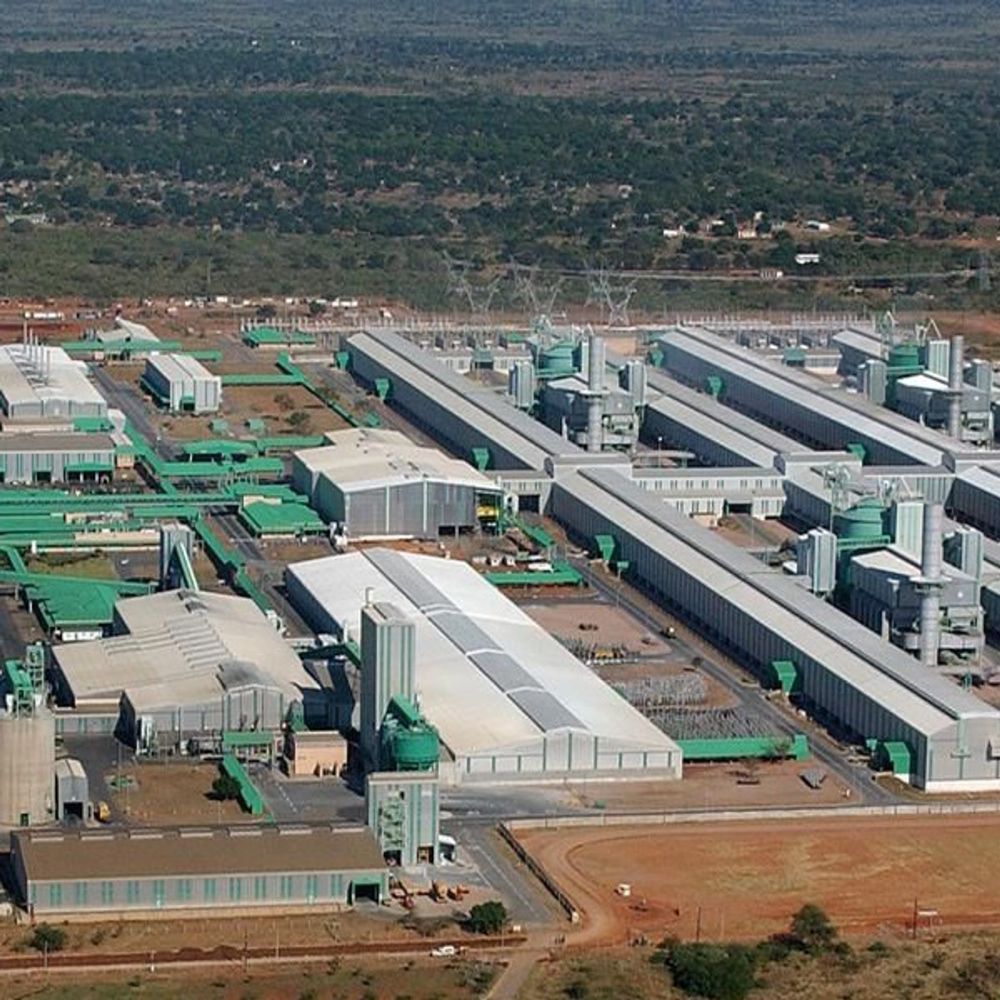
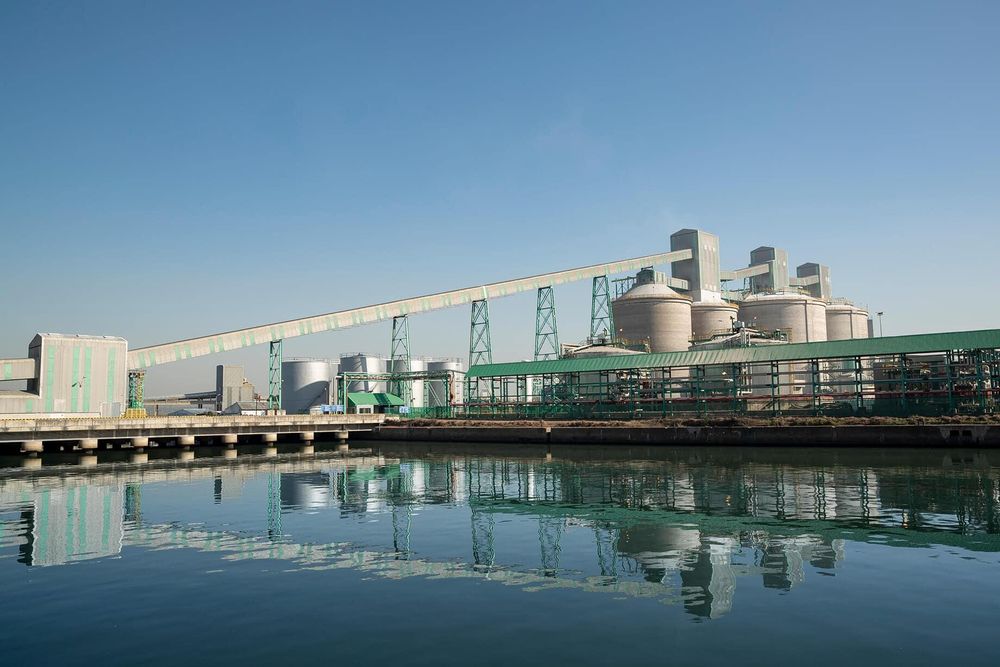
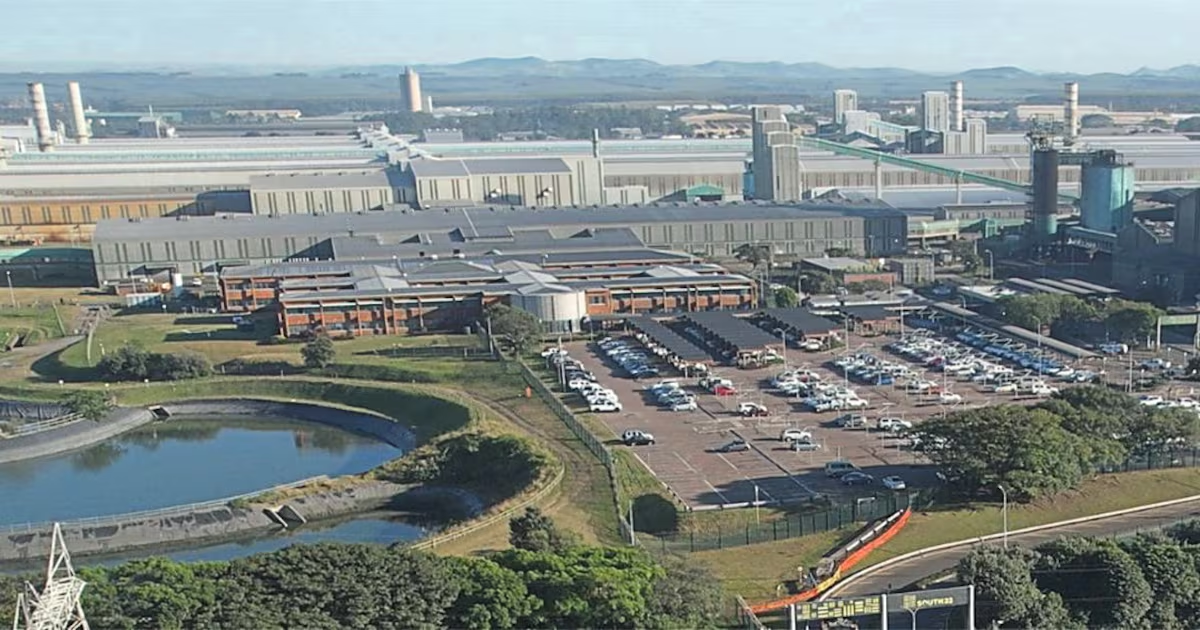
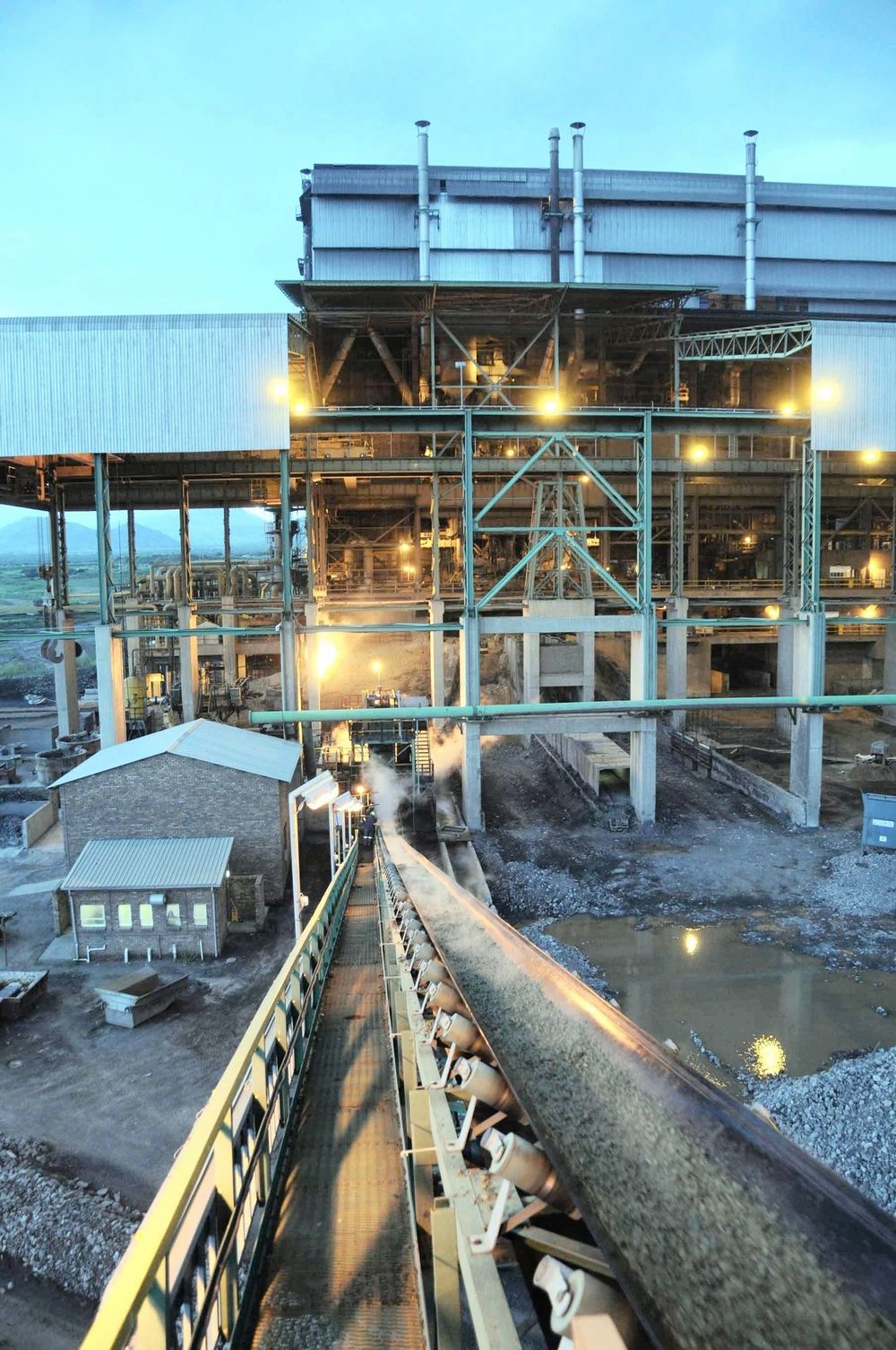
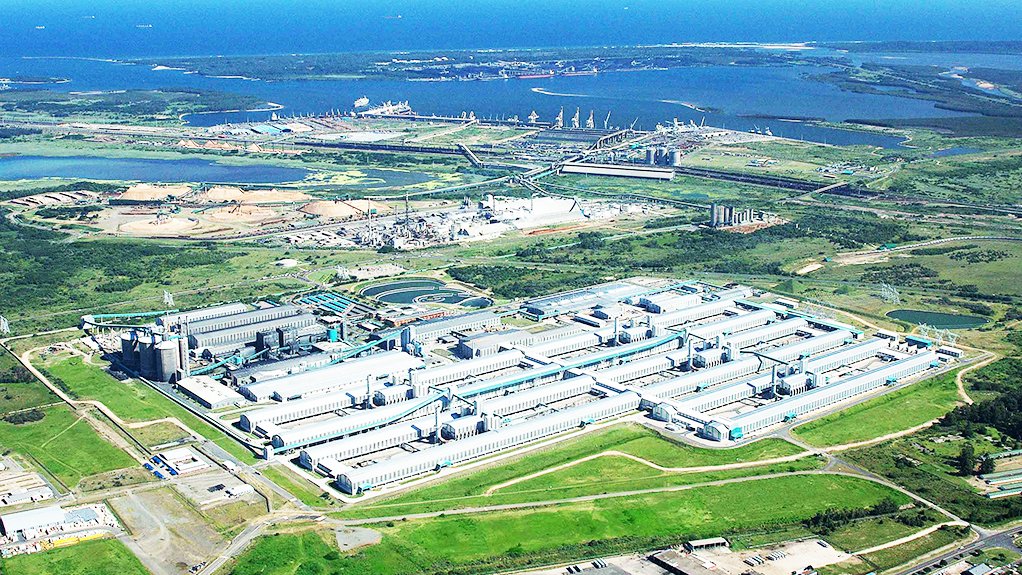
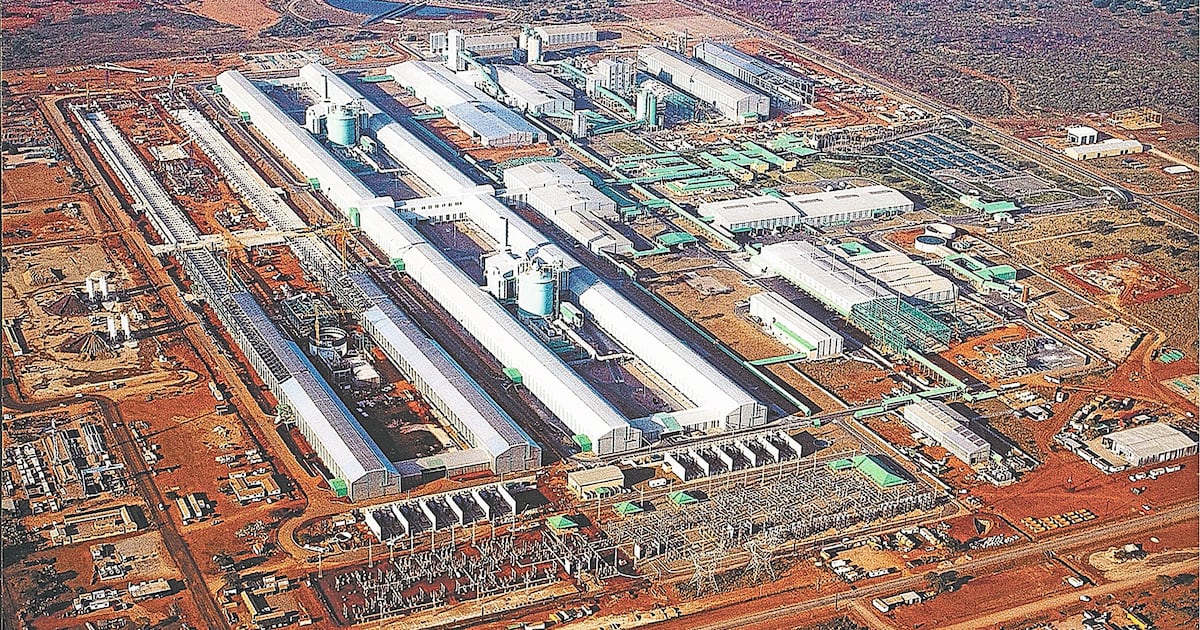
The race is on for South32’s Mozal Aluminium plant after the Australian mining giant confirmed it was actively looking for a deal, but the power-starved facility’s operational headwinds are likely to complicate the process. The search for a buyer comes after Mozal was mothballed in March, resulting in the retrenchment of 5,000 people and placing another 20,000 downstream jobs at risk. This week it announced that it will sell all of its other bauxite, alumina and aluminium operations, but Mozal was excluded from the deal.Negotiations over the smelter’s electricity supply collapsed in 2025 after a year of failed talks with Eskom, the Mozambican government and the country’s leading hydropower producer, Hidroeléctrica de Cahora Bassa. By December, South32 had stopped supplying the plant with raw materials. Three months later, it was placed on care and maintenance.Restarting Mozal, which accounted for about 3%-4% of Mozambique’s GDP before its closure, would require fresh talks with power suppliers to secure an electricity tariff that doesn’t erode profit margins.Read: EXCLUSIVE | IDC weighs bid for South32 stake in shuttered Mozal smelterThe company’s leadership said at the time of Mozal’s closure the proposed electricity tariff would have made it one of the world’s most expensive aluminium smelters to operate. Then there is the cost and technical expertise required to restart a smelter. Unlike mines, these operations cannot simply stop and start, because allowing the metal to cool can severely damage plant infrastructure. Some estimates put the cost of restarting a standard aluminium smelter at between $10m and $50m.So who will look past the ballooning power bill and eye-watering resuscitation costs?One potential buyer is the Industrial Development Corporation (IDC), which already holds a 31.4% stake in Mozal and has previously appointed transaction advisers to conduct due diligence on a possible deal. Business Day reported last month the state-owned finance institution was weighing three options for what to do with its exposure to the plant.First was the possibility of acquiring South32’s shares, either by exercising its pre-emptive rights or by making an offer to purchase the shares. Second was to facilitate an alternative shareholding structure, which might involve partnering with other buyers.Third was to sell down its stake or exit the investment. However, this is likely to see it take a financial blow from the investment. The IDC’s advisers are expected to put a price tag on the asset at the conclusion of the due diligence exercise.If the IDC decides to sell its stake or enter into joint ownership, the smelter would offer a way to shore up supply chains for some of the world’s largest mining companies, including Rio Tinto, which views aluminium as a future-facing commodity.The metal is used in everything from jet engines to electric vehicles and cellphones and is considered an important ingredient in making cars lighter and more fuel-efficient.In the wake of the Middle East conflict and last year’s trade wars between the US and China, many countries are investing in protecting their supplies of such metals.Reuters reported last week that the war involving Iran is shaping up to be one of the biggest supply shocks in the history of the aluminium market, with regional production of the metal plunging to its lowest level in more than a decade in April.Shares in South32 jumped the most in more than six years on Wednesday, up 11.31% to R49.50. The last time it gained this much in a single day was in late March, the day after President Cyril Ramaphosa announced the country would go into a hard lockdown due to the pandemic.Business Day