Get the latest news and updates from Dawn
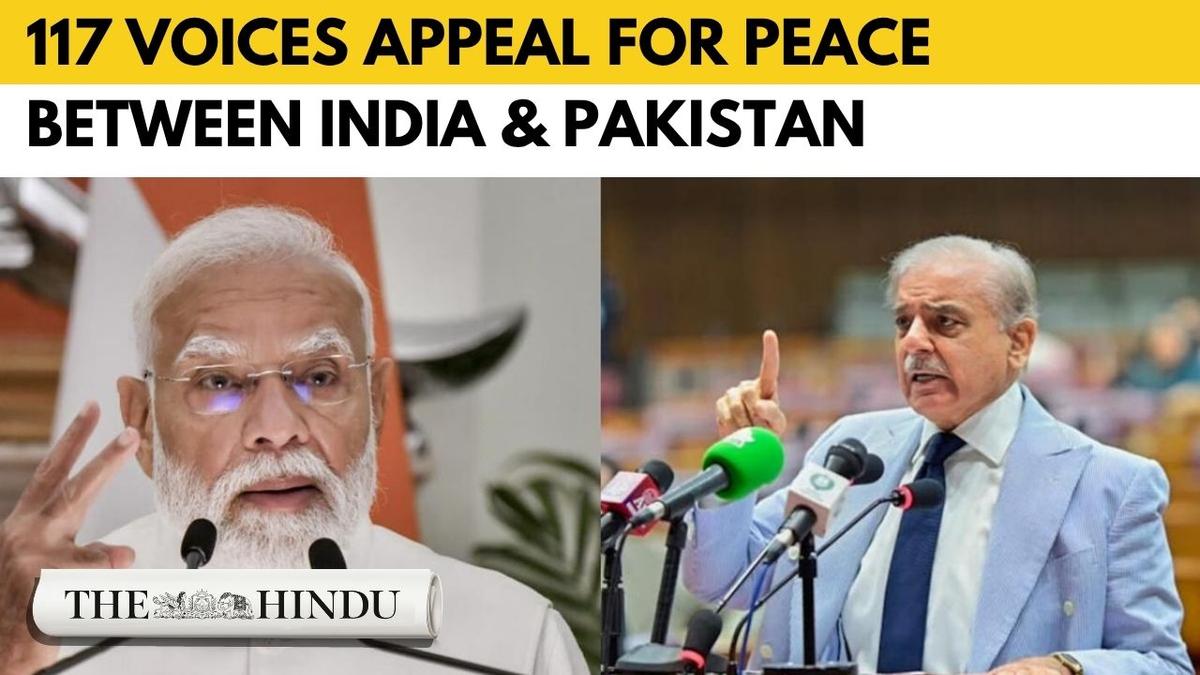
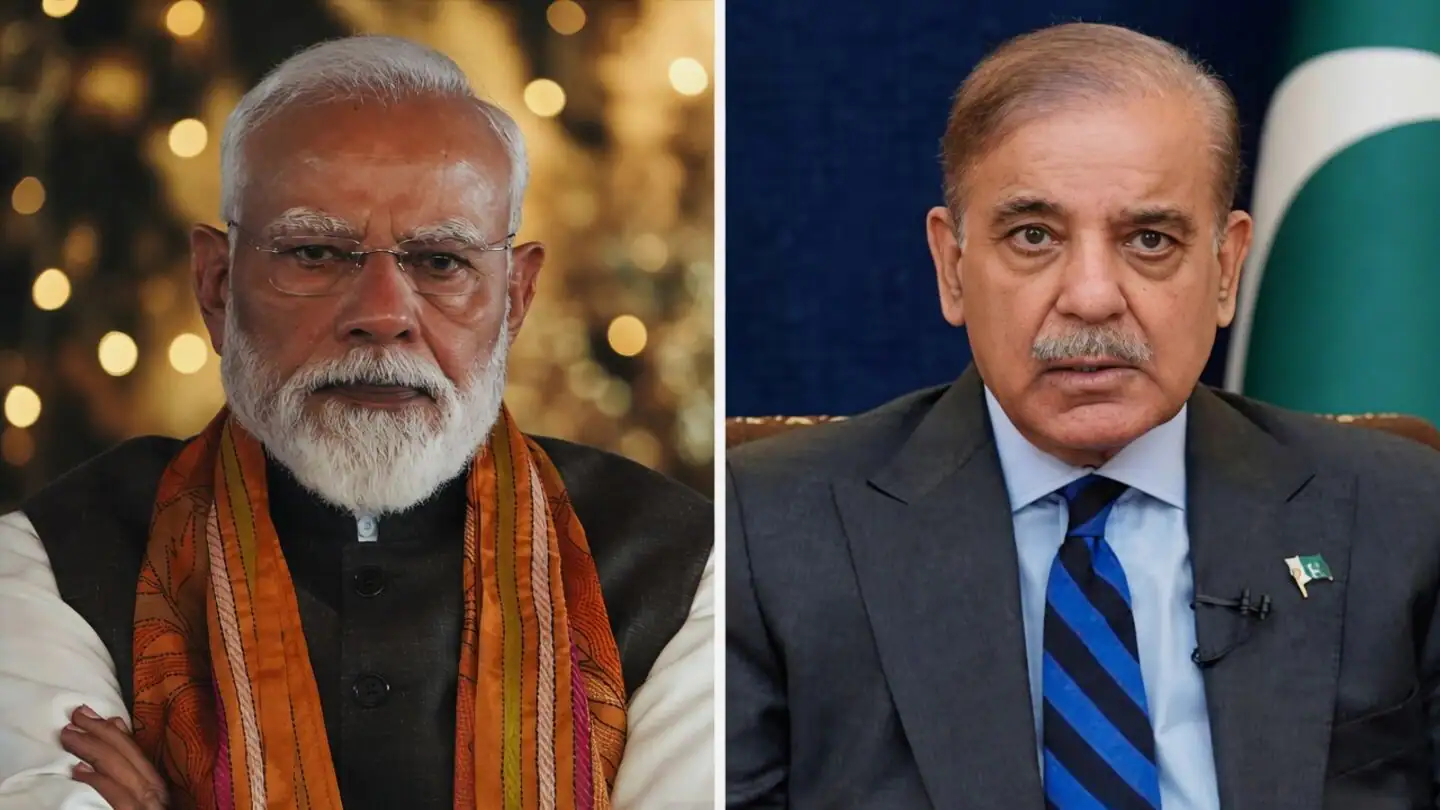
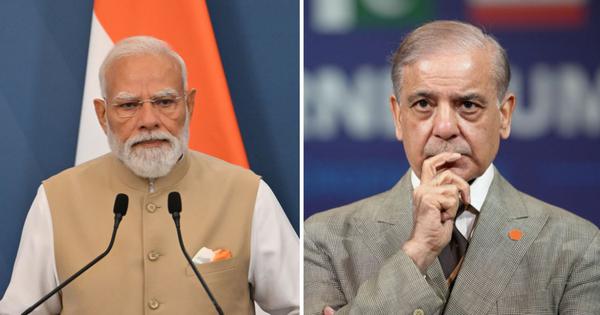
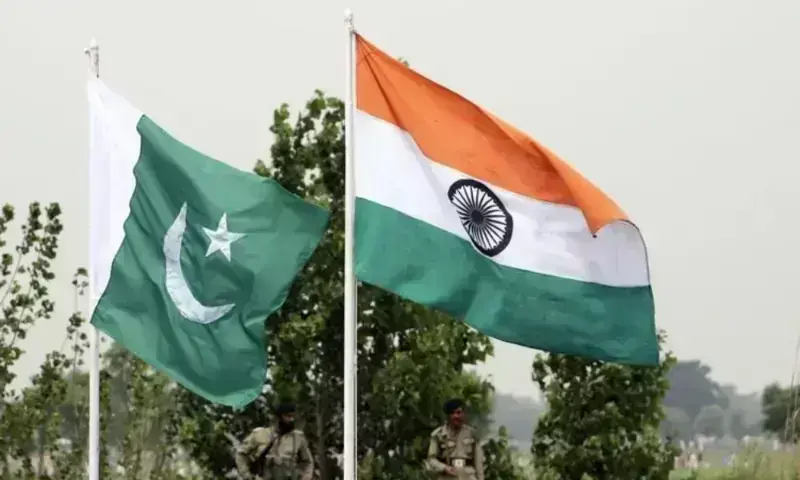
THE recent appeal endorsed by civil society members from Pakistan and India, urging the prime ministers of both states to take “meaningful and sustained” steps for peace is well-intentioned.
No rational mind will disagree with the need for peace in the subcontinent, and an end to the toxicity that has marked bilateral ties for nearly eight decades. Yet it takes two to tango, and while Pakistan has on numerous occasions tried to restart the dialogue process in the last few years, India has shown little enthusiasm for talks.
Over 100 individuals have now signed the appeal, coordinated by a New Delhi think tank. It includes former diplomats, academics, politicians and peaceniks from both states. The signatories have called for taking CBMs, and restoring full diplomatic relations. Ties were first downgraded by Pakistan after India’s 2019 revocation of occupied Kashmir’s special constitutional status, while diplomatic relations went further south after India blamed Pakistan for last year’s Pahalgam episode — without any evidence. Last May’s brief armed conflict, initiated by India, further added to frigid bilateral ties.
While some well-meaning quarters in India appear genuine in their desire for peace, the BJP-led government seems intent on rejecting all dialogue that may lead to normalisation with Pakistan. In such a scenario, peace will remain a distant dream. After all, India has shown stubbornness where the unilateral suspension of the Indus Waters Treaty is concerned.