Microsoft this week tried to address the growing challenges surrounding notetaker bots in meetings by giving IT better control over them.
Microsoft’s announcement said that users of Microsoft Teams will be able to block non-Microsoft bots “even in meetings where organizers allow participants to bypass the lobby.”
When the feature is enabled, Teams automatically detects potential bots, places them in the meeting lobby, clearly identifies them, and prompts organizers to confirm admission, Microsoft said, and even in meetings where organizers allow human participants to bypass the lobby, bots identified through this new policy will continue to require approval before joining.
“We’ve strengthened Teams’ ability to distinguish between bots and human participants as they join a meeting,” the company said. “Teams now uses a combination of behavioral and infrastructure signals to identify bots with a higher degree of accuracy. Alongside these improvements, soon we’ll introduce a registration path for independent software vendors (ISVs) that build meeting experiences for Microsoft Teams.”
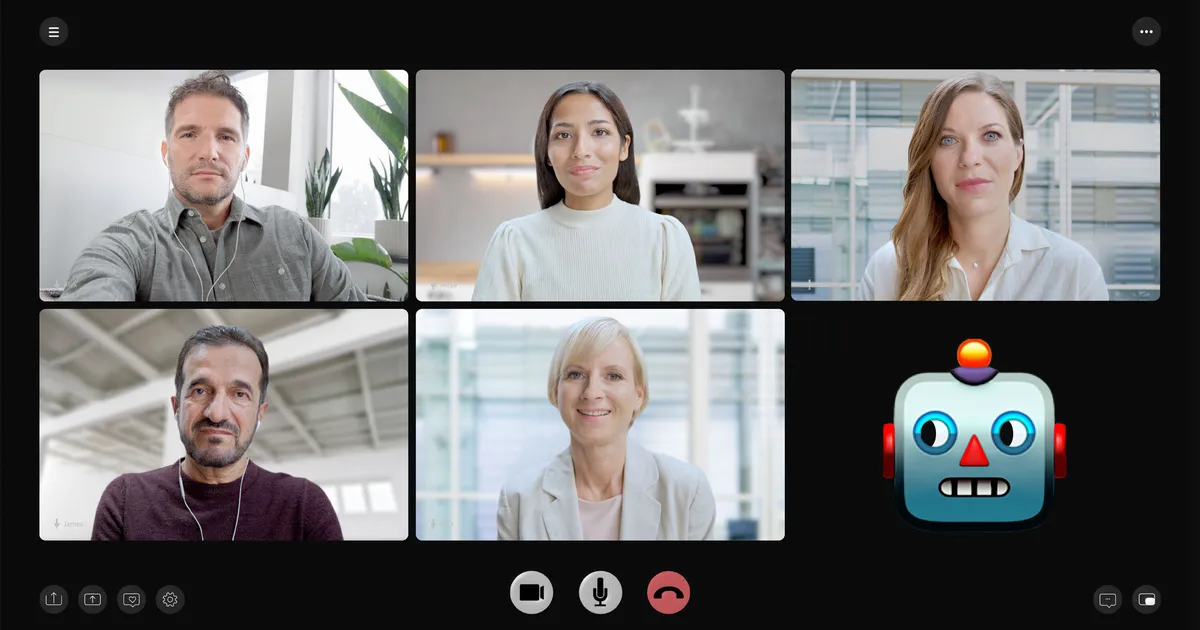
The underlying problem with the strategy is more complicated, however. Although AI bots launched by the meeting owner are typically announced at the beginning of a call, and participants’ bots announce themselves as the attendees log in, alert fatigue is diluting how carefully people watch what they say during those meetings.