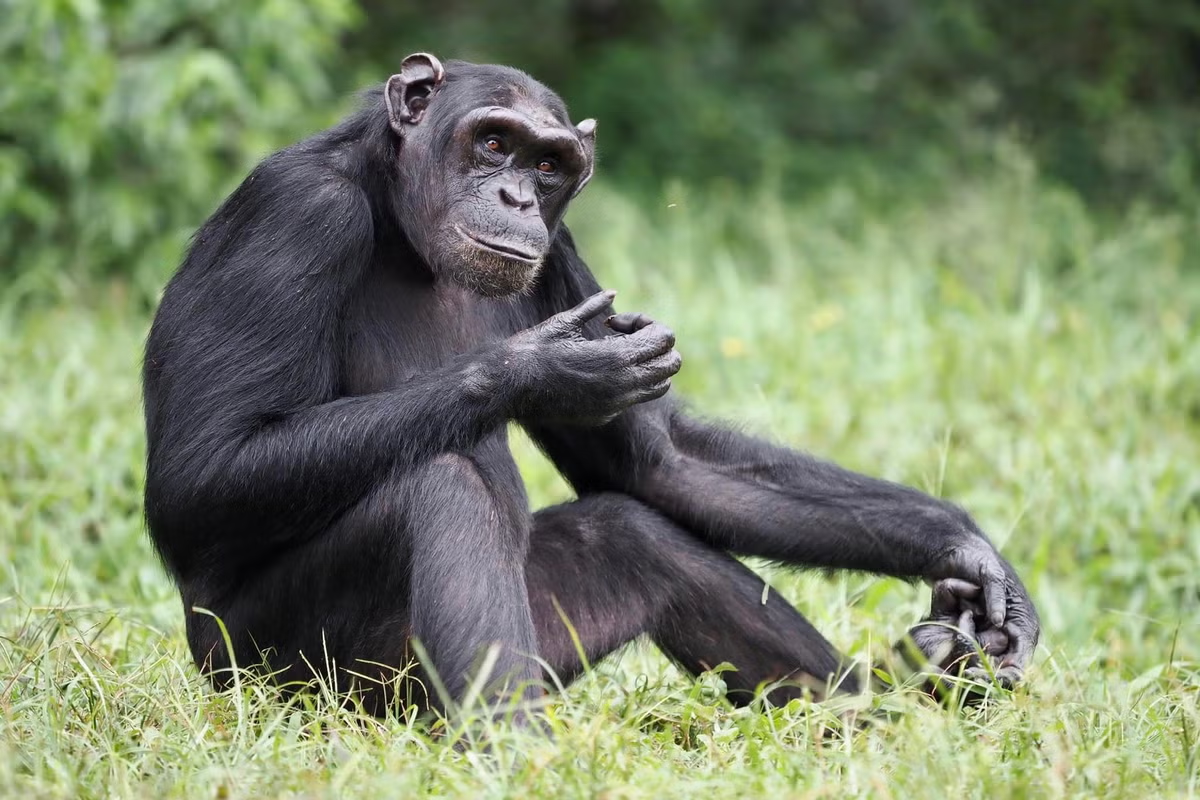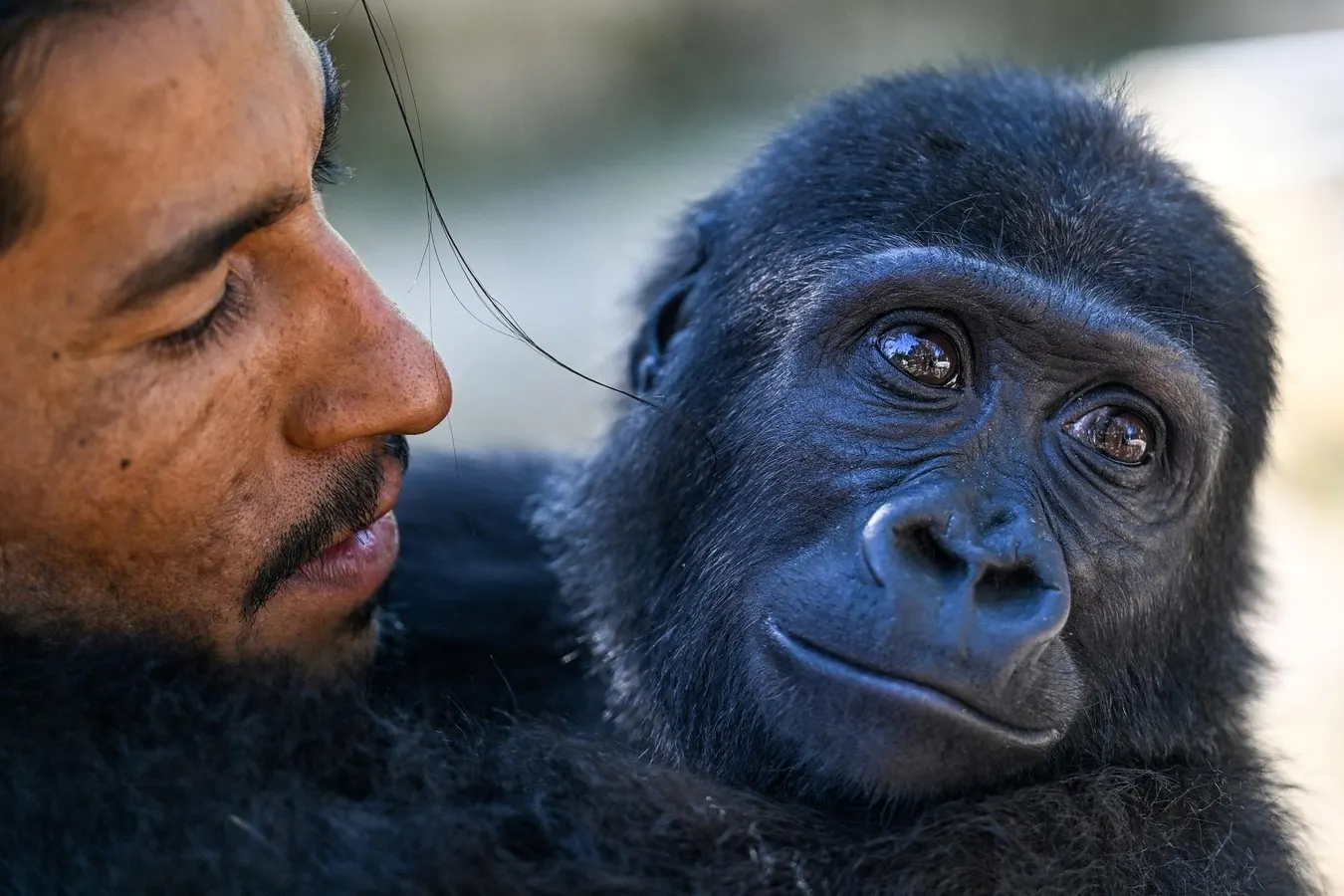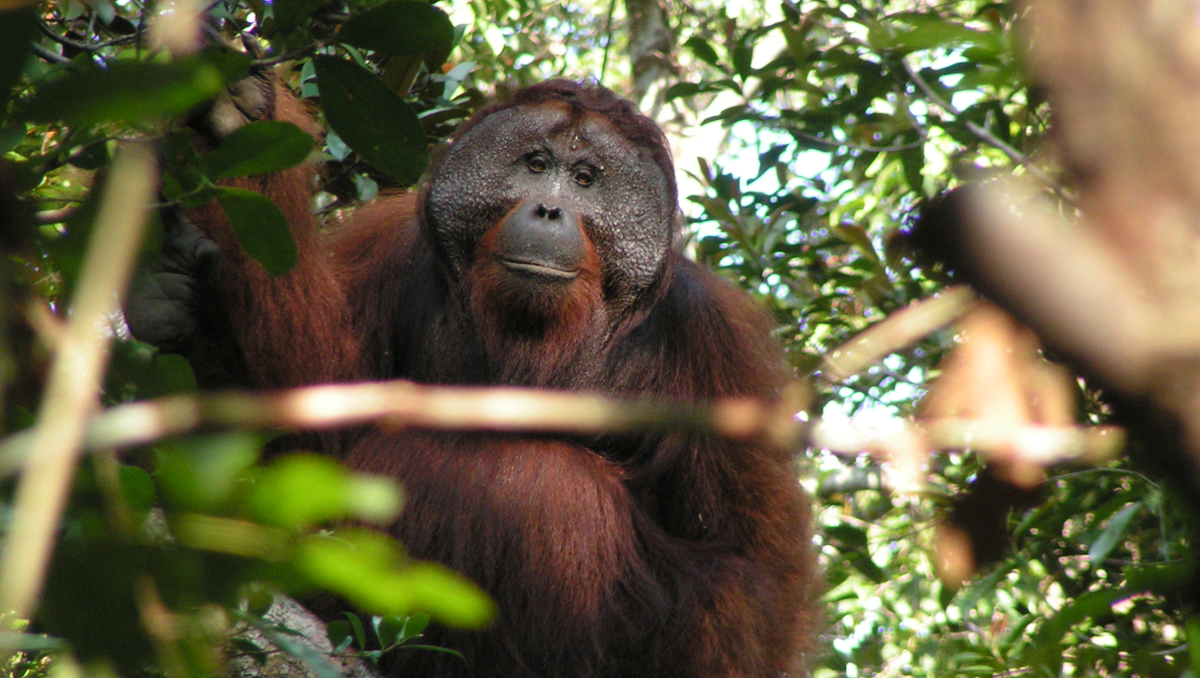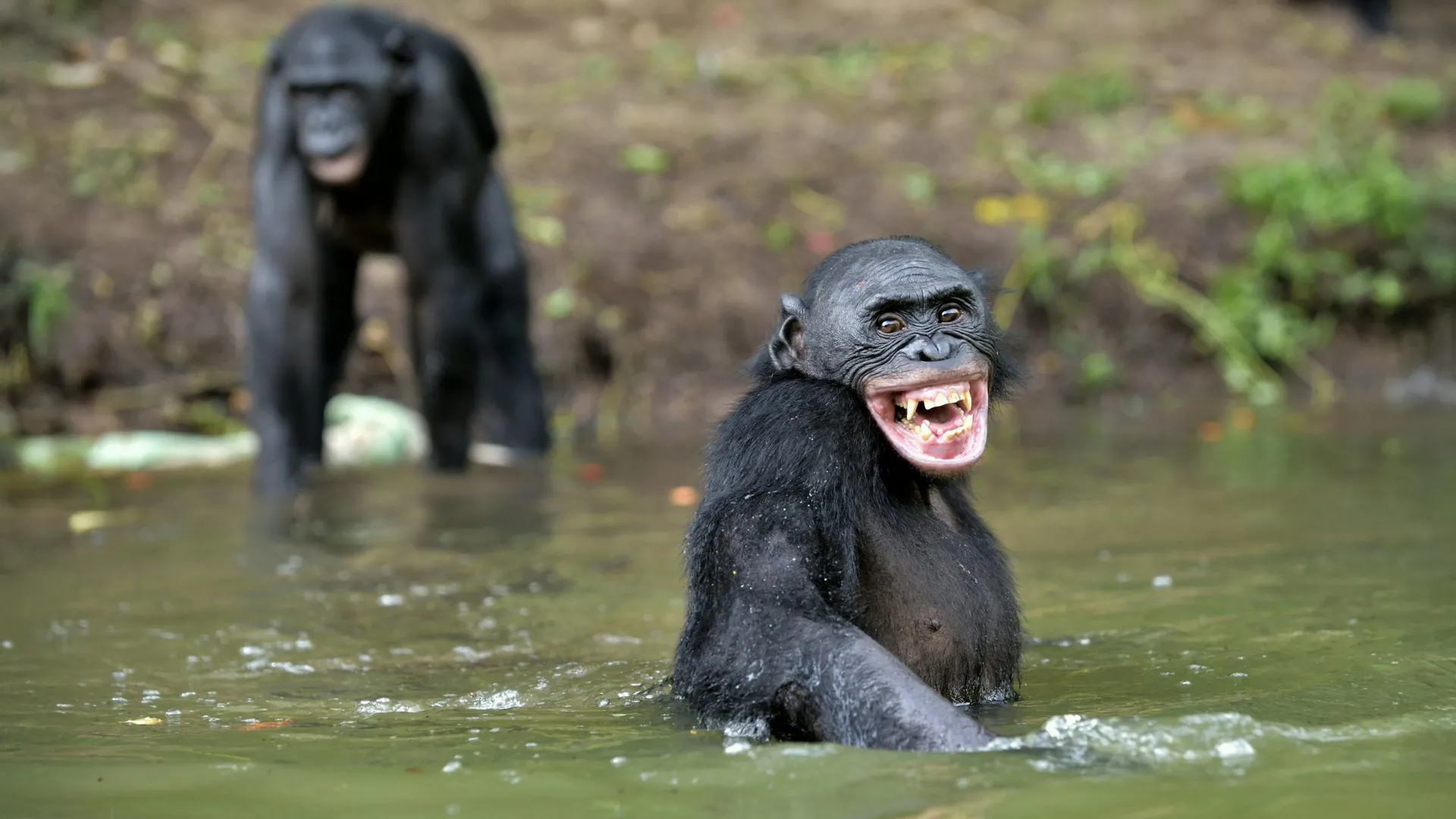
A new study from the University of Warwick suggests that the rhythm of human laughter has remained surprisingly consistent for at least 15 million years. By comparing the laughter of humans and other great apes, researchers uncovered evidence that this ancient vocal pattern may offer valuable clues about how human speech gradually evolved.
Humans are not the only primates that laugh. Chimpanzees, bonobos, gorillas, and orangutans all produce laughter, but scientists have long wondered how those vocalizations changed over millions of years and whether they could reveal anything about the origins of human language.
To investigate, researchers analyzed laughter recordings from four orangutans, two gorillas, three bonobos, four chimpanzees, and four humans. Their study, published in Communications Biology, examined 140 separate laughter sequences.
Despite the differences between species, the team found a striking similarity. Every species produced laughter with evenly spaced rhythmic intervals between successive sounds.
The researchers believe this shared rhythmic pattern originated in a common ancestor that lived around 15 million years ago. They propose that the basic structure has remained remarkably stable throughout the evolution of all living great apes.