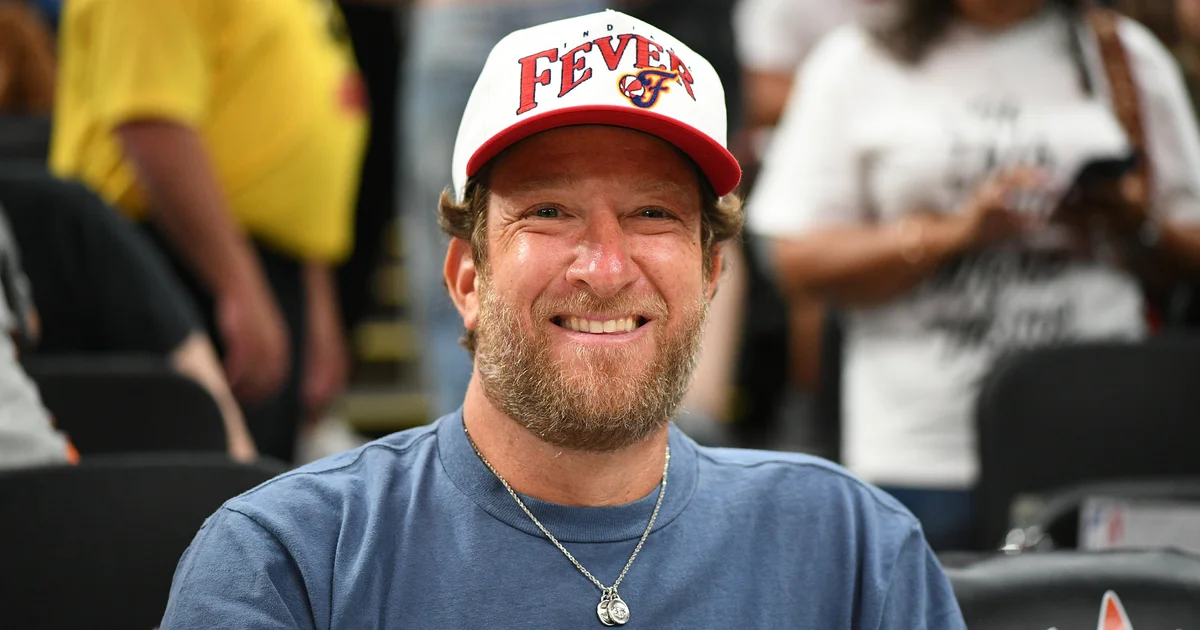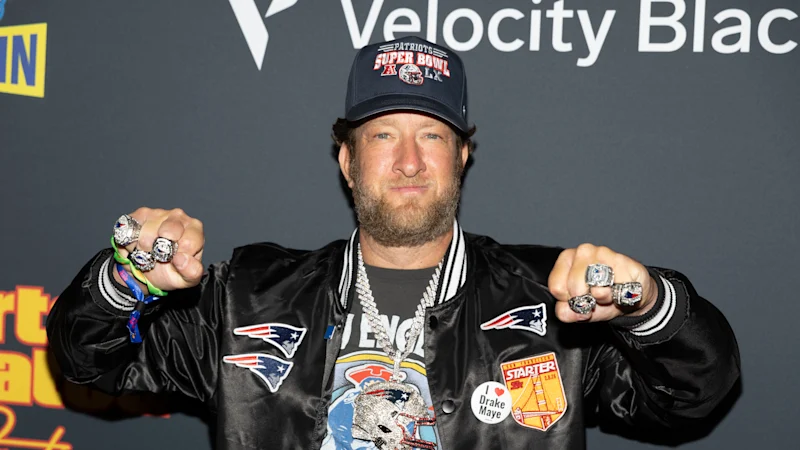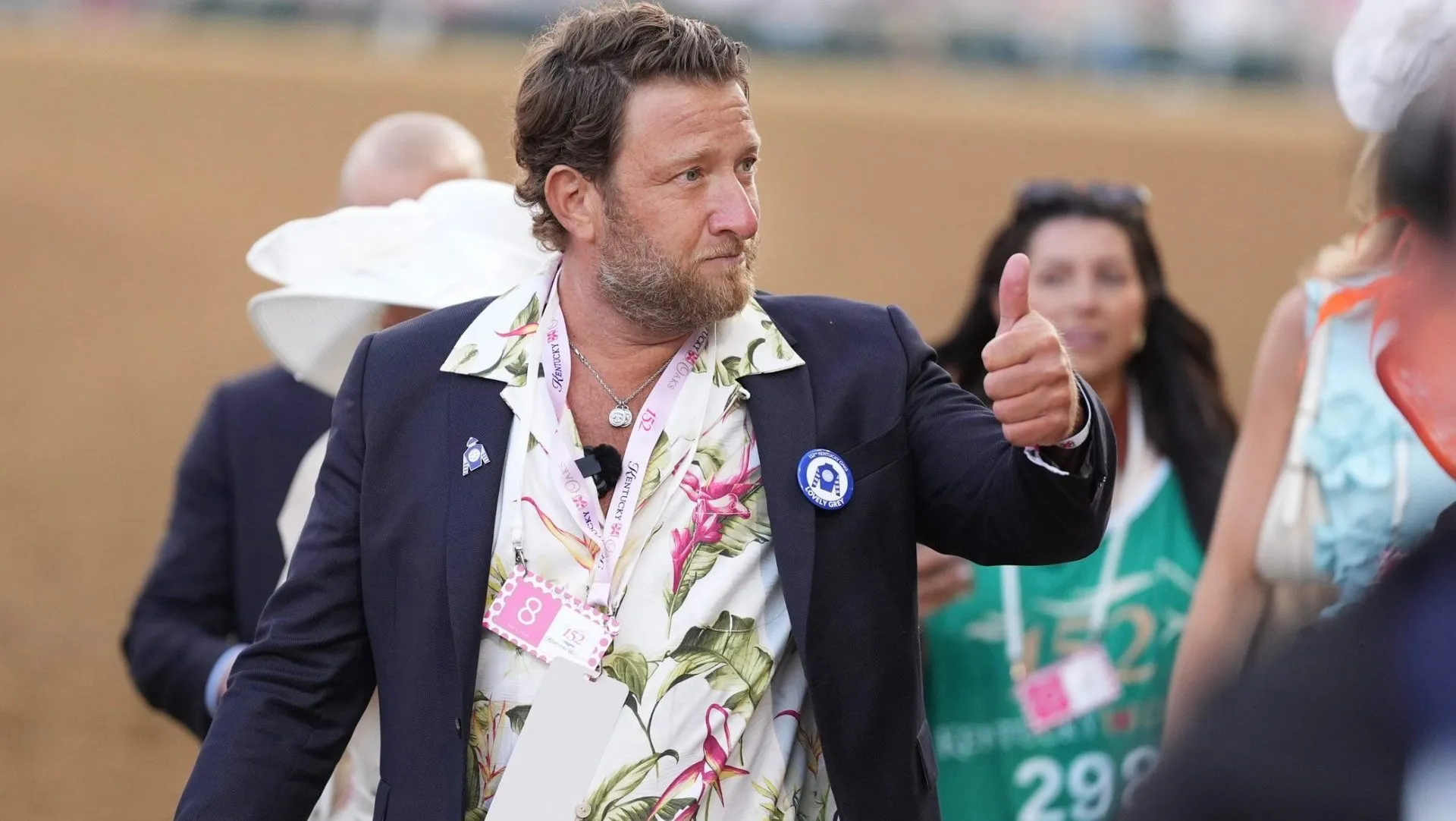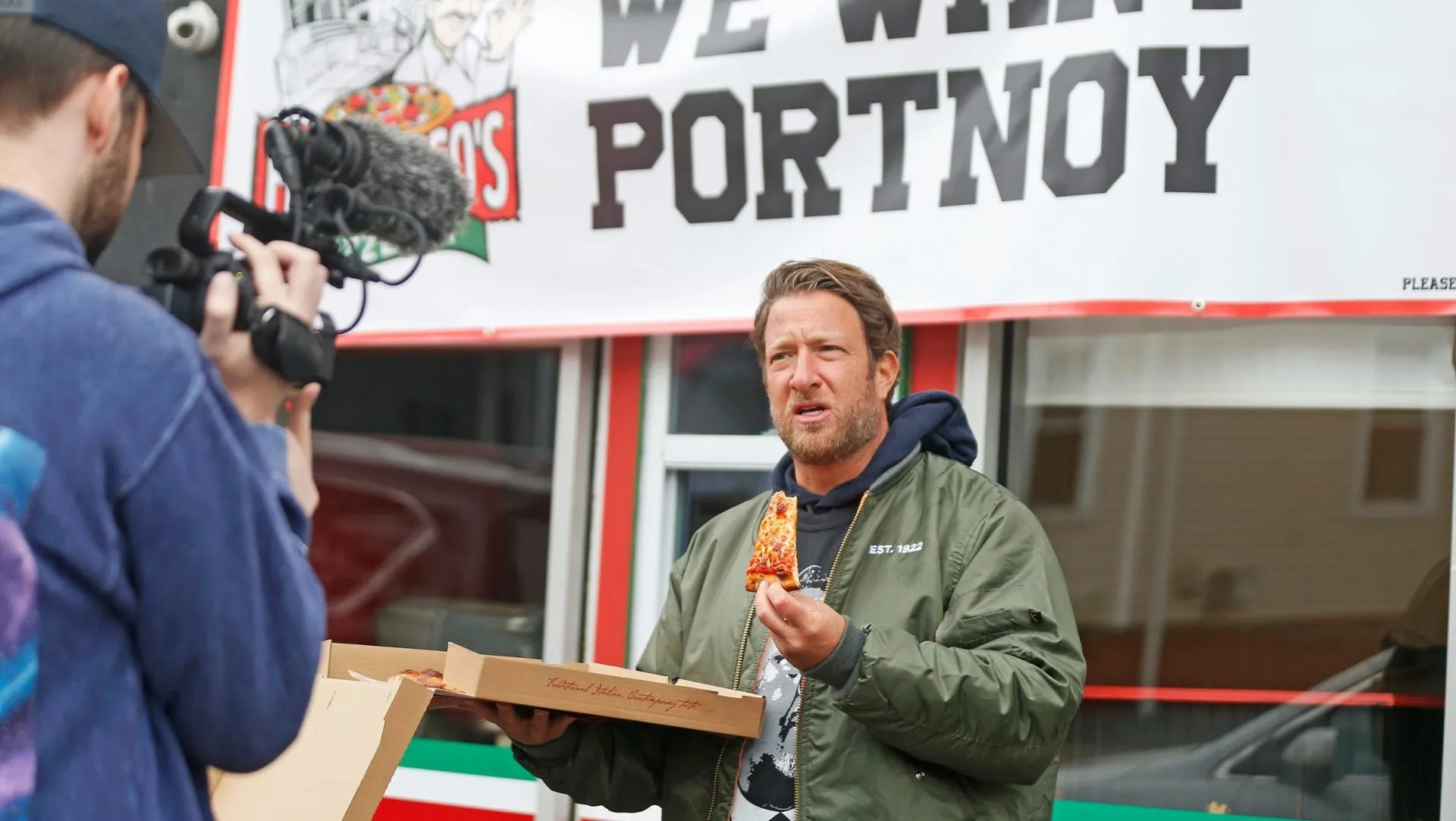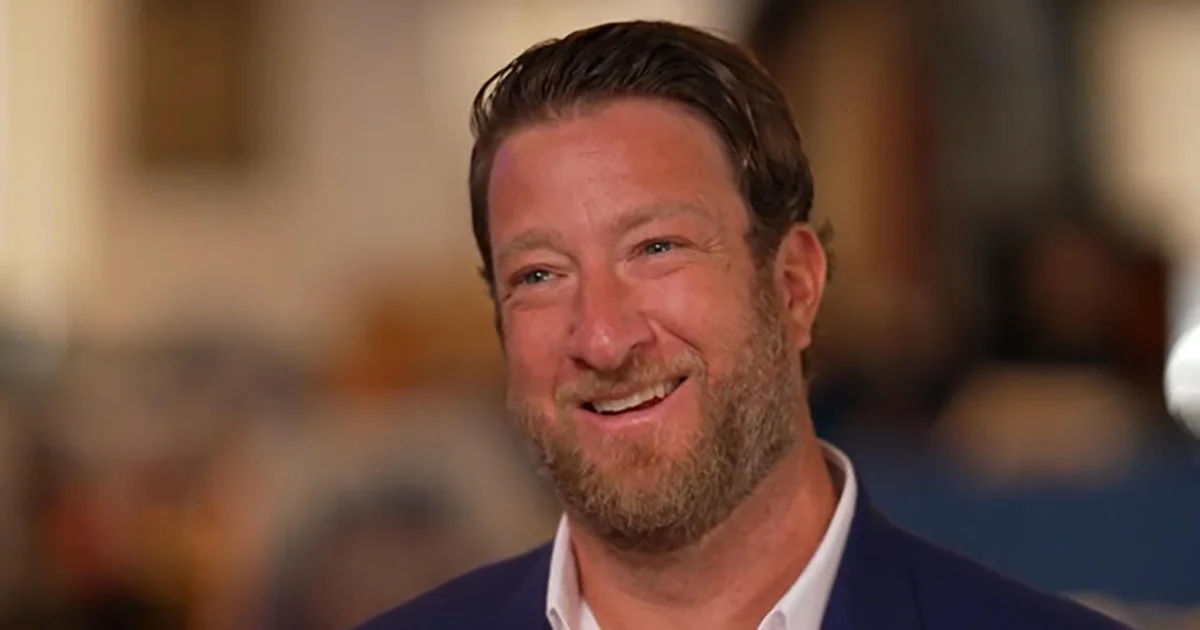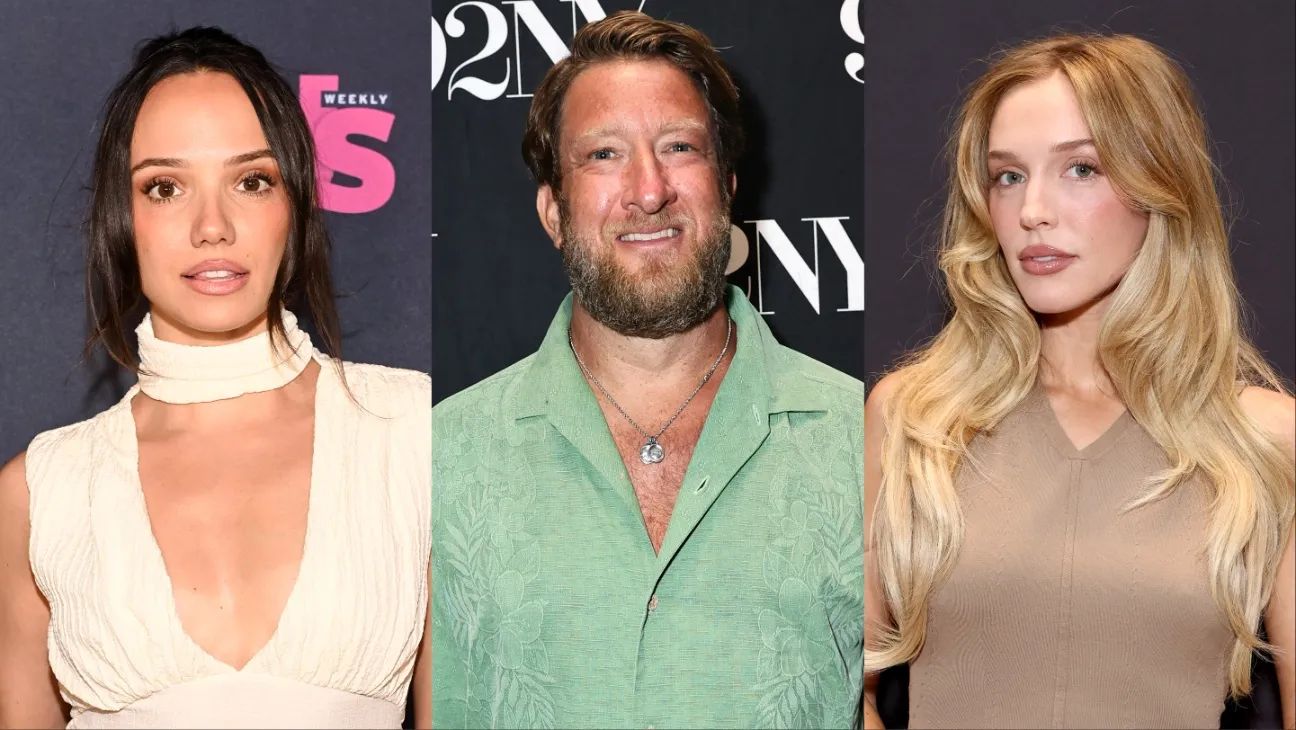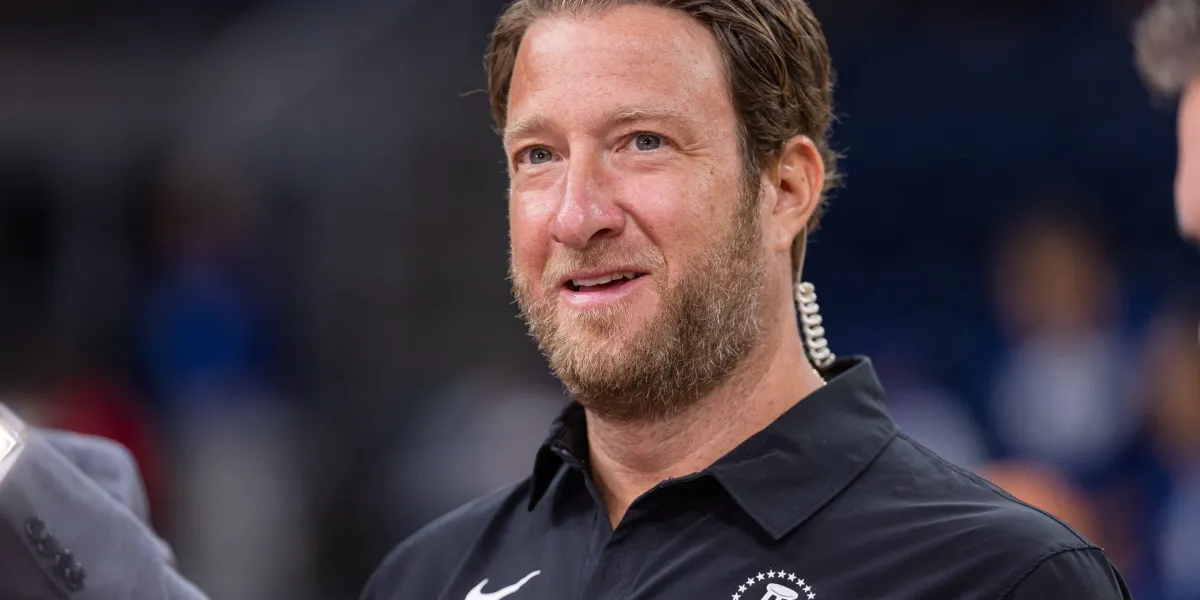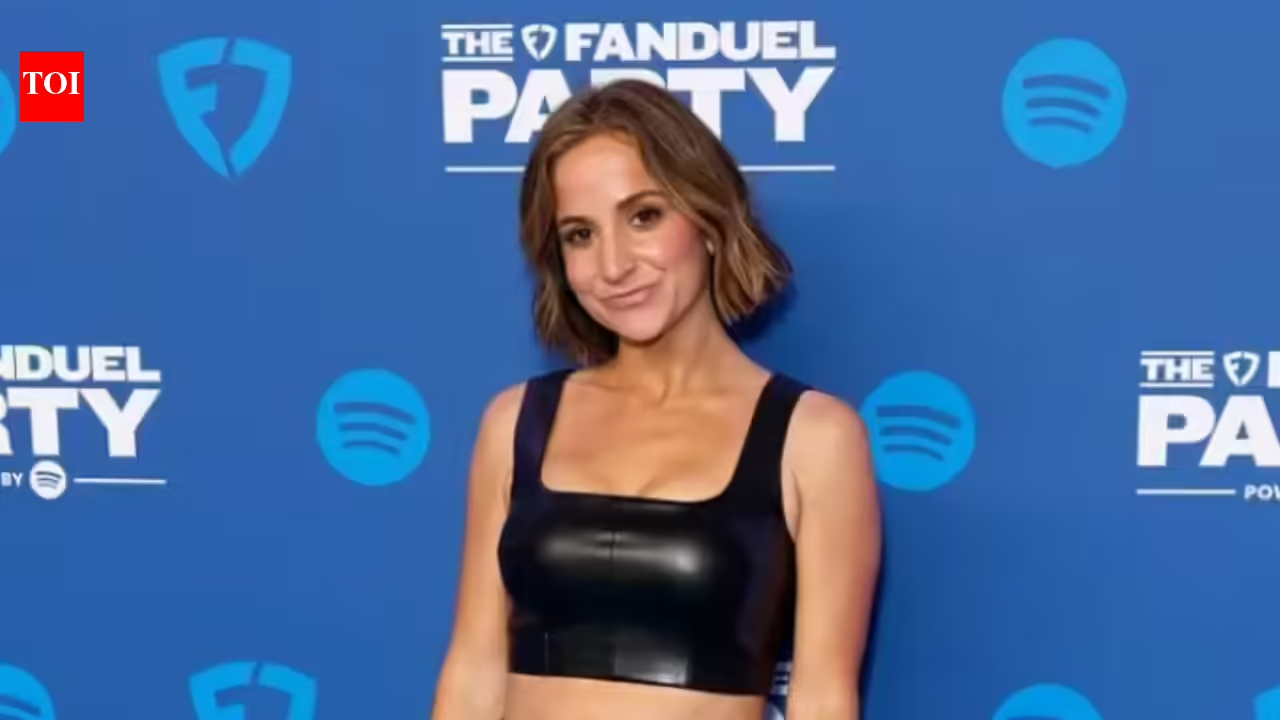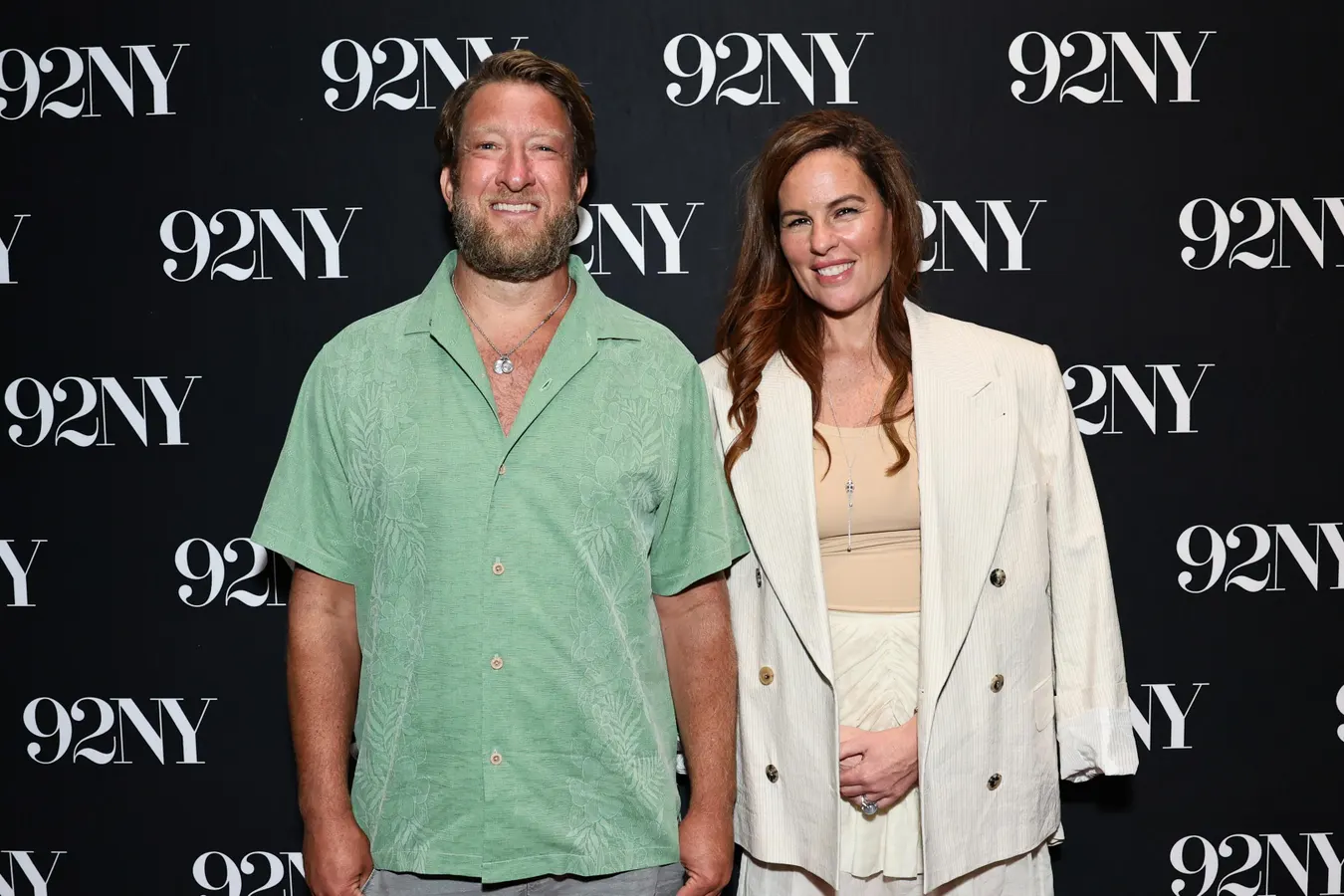
NEW YORK, NEW YORK - JUNE 29: Dave Portnoy and Erika Ayers Badan attend Dave Portnoy In Conversation With Erika Ayers Badan: Cancel Me If You Can at 92NY on June 29, 2026 in New York City. (Photo by Theo Wargo/Getty Images)Getty ImagesDave Portnoy has lived in the public eye for nearly 25 years as the founder of Barstool Sports, a sports, media, and entertainment company born out of a free sports gambling newspaper in the mid-2000s before hitting mainstream culture on the Internet several years later.Portnoy, 49, released a tell-all memoir, “Cancel Me If You Can,” earlier this week where he openly shared everything from the Barstool origin story and public and private feuds to the brand’s sale to Penn Entertainment, his disgust with talent agents, podcast superstars, and an alleged secret firing by ESPN.“It sucked,” Portnoy told me of writing his memoir, which also addressed prior allegations of racism and misogynistic behavior as The Pirate Ship rose in popularity through the late 2000s and 2010s.“It’s just an absolute grind. I mean, I originally went on using a ghost author (Barstool Sports blogger Francis Ellis). The ghost author actually wrote the book, probably spent six to eight months writing the book.“Then, I read the first paragraph and I was like, ‘There’s no shot I can publish this. It doesn’t sound like me. I’ll do it myself.’ Then, I spent the next six months, six to eight hours a day, writing it because I’m just a slow writer, and I wanted it to be as good as I could make it.”MORE FOR YOUPortnoy, who quit his tech sales job and a $80,000 salary to launch Barstool in 2003, started with $30,000 in savings and a $20,000 loan from his dad. Fast forward 20-plus years later, and the die-hard Boston sports fan has transformed what was once a small, ragtag operation in Milton, Mass. to one of TIME’s most iconic companies in America.Erika Ayers Badan, the former CEO from 2016 to 2024 who professionalized the brand, attributed Barstool’s growth, overall success, and eventual $650-plus million valuation to its “fearlessness, constant experimentation, and loose controls on everything but money.”David Sternberg, Head of Media Consulting at Range Sports, called the brand’s impact on the broader sports media industry "massive.”He added, "It took sports talk and opinion out of the realm of AM radio and brought it to the web, social media, and podcasts in a way that was more accessible to a wider variety of fans. It also pushed the boundaries of what was viewed as acceptable discourse in sports media and created new personalities outside of traditional broadcast platforms.Barstool’s Signature Move: DramaAs Sternberg noted, Portnoy — and by default all of Barstool — has never shied away from controversy. “With his brazen sports commentary and readiness to feud publicly with anyone, he is the embodiment of the Barstool brand,” said the media consultant.In Portnoy’s memoir, the polarizing founder called the contract drama with Call Her Daddy — a sex, dating advice, and comedy podcast co-founded by Alex Cooper and Sofia Franklyn in 2018 — “the most viral story" he had ever been a part of during his time leading Barstool. In short, the co-hosts quickly rose to Internet stardom in 2019, but during the coronavirus pandemic, reportedly “turned on each other” as they lobbied for new contracts and more money, all while also trying to potentially find a new media home.“We have the Barstool audience, which is obviously huge, and then you have the Call Her Daddy audience at the height of their powers, which was just enormous,” said Portnoy. He alleged in his book that the co-hosts, according to a conversation Cooper had with him, concocted a plan to say they were sexually harassed while working at Barstool in order to get out of their talent contracts. “Call Her Daddy was just getting everybody — guys, girls, their audience, our audience. It was gigantic,” added Portnoy. “It was juicy, sensationalized. You had two wildly successful women who appeared out of nowhere and now they didn’t like each other at all.”Meanwhile, Portnoy also highlighted a much less publicized feud between him and The Chernin Group, which originally bought 51% of Barstool in 2016 for a reported $12.5 million. In 2020, Penn Entertainment paid $136 million for 36% of Barstool, with a future path to acquire 100% of the brand years later. In 2023, Penn wished to exercise its right to buy all of Barstool, but both he and Dan “Big Cat” Katz — co-host of top sports and comedy podcast Pardon My Take — needed to sign long-term deals. This was Portnoy’s cash out opportunity. Still, the deal didn’t make Portnoy and others, including Katz, rich overnight. It was a “delayed rich" through a combination of cash and stock, which would vest over time. Portnoy felt Katz, who joined Barstool full time in the early 2010s, needed to receive some type of “instant bonus" for his commitment to Barstool as well as to incentivize him to remain with the company post-acquisition. “I put myself in Dan’s shoes,” Portnoy said in the memoir. “What number would make me so happy that this deal would be a no-brainer? I knew that Big Cat needed to be taken care of in a big way. If he didn’t want to do this deal, he could go sign a huge deal with DraftKings, FanDuel, or ESPN. And without Dan there was no deal.”Portnoy believed the magic number for Katz was $7 million in addition to his equity, and as he wrote, The Chernin Group suggested that they split paying the bonus with Portnoy. “If they weren’t going to pay for it, I felt like I shouldn’t have to pay for it,” Portnoy told me, adding that he was “100%” prepared to blow up the Barstool-Penn deal if Katz didn’t receive the bonus money from Chernin.Ultimately, "it was an absolute no-brainer” for the investment firm to eventually pay the $7 million, according to Portnoy. He continued, “I mean, VC or private equity or whatever you want to call it, they dream of deals where they put in $12 million and get out $250 million a couple of years later."That was part of my point. Nobody was getting rich instantly on our end. We had to work for it. We had to pay taxes. There was stock. They’re already rich, but they already made out better than they could have ever dreamed. ... It was shocking that this was even a debate.”Katz confirmed to me the validity of the bonus story as told as by Portnoy. When asked what it meant for Portnoy to lobby on his behalf as well as how it impacted his future tenure at Barstool, Katz said it “further proved how much Dave has my back and always has done right by me.”He added, “It’s why I’ll never leave Barstool. We’re a unicorn in the media world because of the way Dave has led over the years. The money was incredible and changed my life, and I think I earned it over the years but more than money, it’s Dave’s loyalty that makes this place so special. I don’t think anyone in the business/media world is like Dave in that respect.”Portnoy’s Future At Barstool SportsWhen is Dave Portnoy officially calling it quits at Barstool? At the end of his memoir, he left his future open-ended, so of course I had to ask him what’s next.Portnoy, who said he doesn’t really think in three- or five-year increments, told me he already thought he would be done with Barstool Sports by now, but “getting the company back was not in my crystal ball, so that obviously changed things dramatically.”According to Portnoy, he’s “still locked in” to Barstool for “the next couple of years.” The lease for the Manhattan office goes through 2029, while the Chicago footprint hums along with Katz at the helm. Portnoy told me he’ll return to Big Noon Kickoff — Fox’s college football studio show — in the fall.“You never know what the future is going to bring,” he said. “Dan and I talk about it, like ‘how much are you still locked in? You still want to do it?’ As long as people still want to do it, I think he and I both feel a responsibility for lots of our employees who have been with us a long time. As long as we can keep this going without feeling like we’re killing ourselves and being able to take advantage of the fruits of our labor, hopefully we can keep it going.”Portnoy continued, “We have advertisers, big ones, who are willing to give us good deals and good contracts. A lot of the time, I’m heavily involved in those deals. I’ll probably be involved for the foreseeable future.”Below are a couple more noteworthy comments from my conversation with Portnoy:On what the Barstool-ESPN TV breakup in 2017 did for the brand as he feuded with the Pardon My Take co-hosts amid their rise in popularity: “ESPN maybe gave us the greatest single gift anybody’s given the overall company in 20 years by the way they blew that thing up, and it imploded because it really did realign Barstool and PMT.”On Pardon My Take’s impact on Barstool if the podcast duo would have departed years ago: “If they went somewhere else, it probably drastically changes the makeup of the company. … To find basically two guys who are willing to take hometown discounts to stay because they love the people and working here has certainly made us who we are and played a big part in our success.”On Barstool’s lasting impact/legacy on the media business: “If someone is objectively writing it, they would say Barstool has probably been one of the driving forces in shaping sports media. We were really one of the first unpolished, if you want to call it that, blogs/networks. Who’s the number one guy at ESPN? Pat McAfee. Where did McAfee cut his teeth? With us. You got Bussin’ With The Boys. There’s a lot of our influence throughout sports media.”
Dave Portnoy Dishes On Barstool Sports Future, Internet Drama, Memoir
The media founder spoke about the biggest viral story at Barstool in the past 20-plus years, a failed ESPN TV pact, and what's next for him as he approaches 50.
1,680 words~8 min read