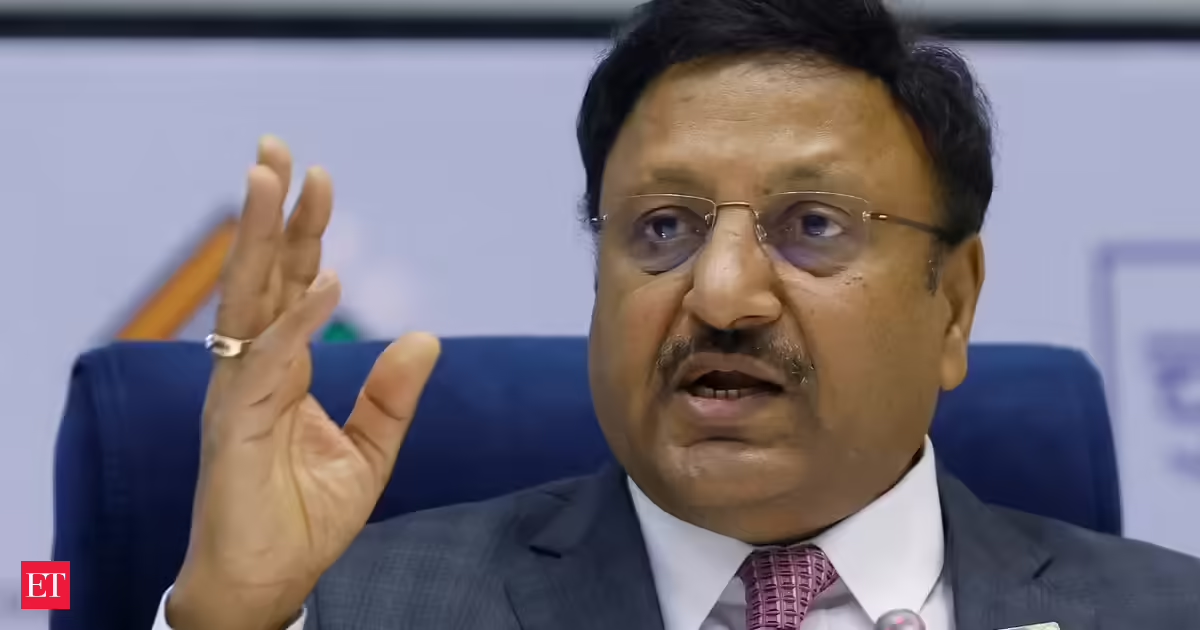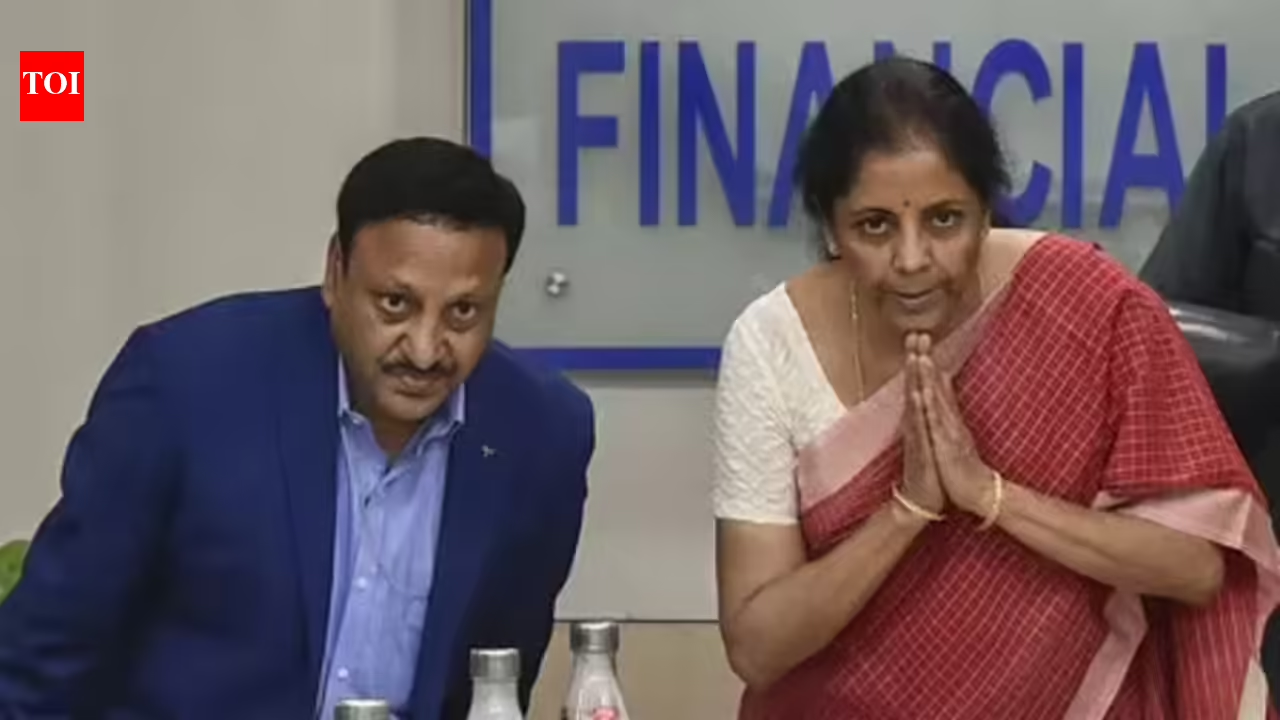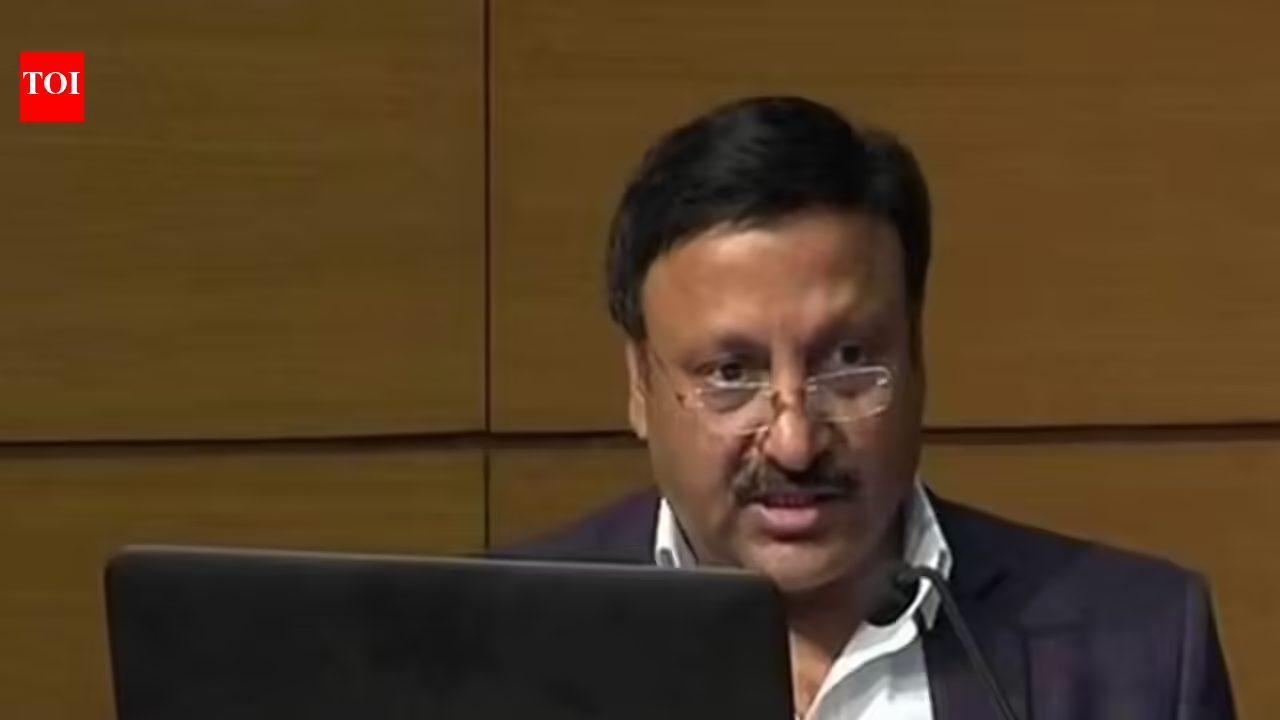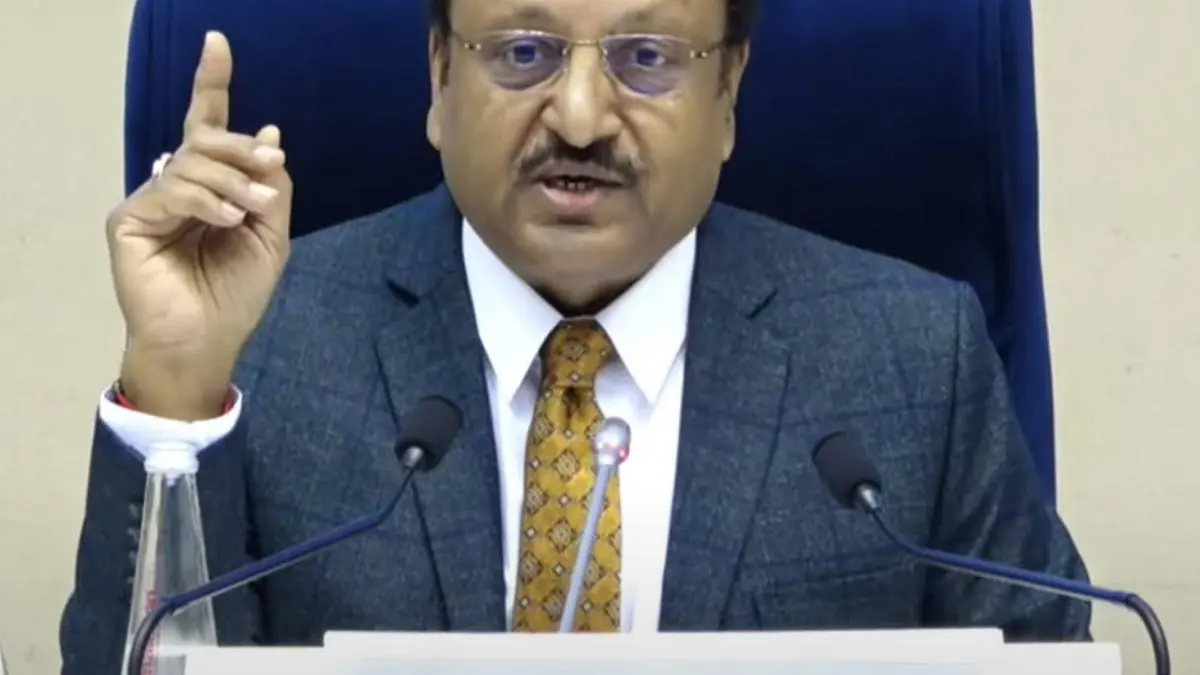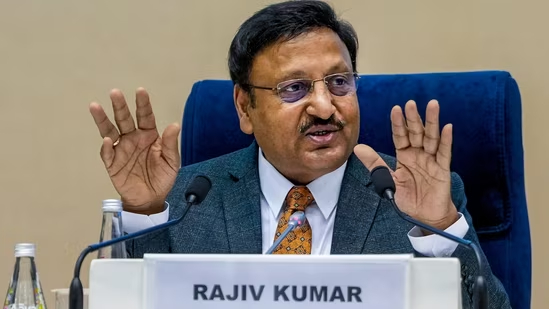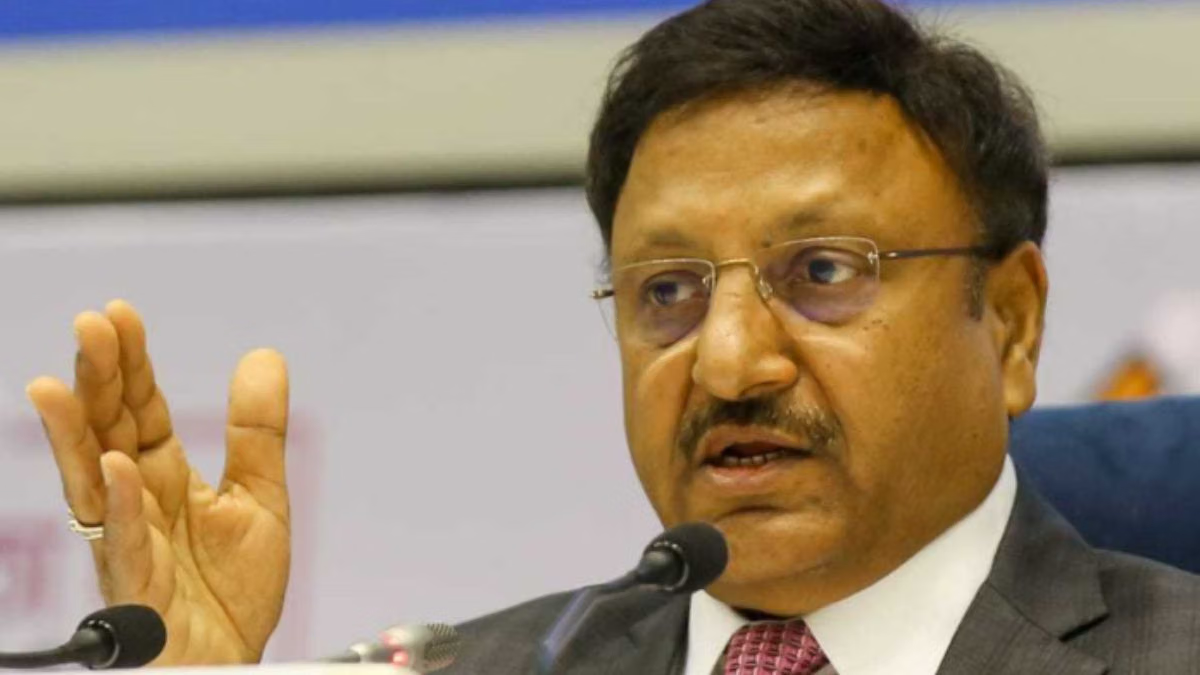
Why do Indian enterprises appoint retired civil servants to chair their boards? This question has acquired salience because the country’s largest private-sector bank has yet again chosen a retired civil servant to head its board. HDFC Bank plans to appoint Rajiv Kumar as its part-time chairman, subject to approval by the Reserve Bank of India (RBI). For the uninitiated, Mr Kumar is a retired member of the Indian Administrative Service (IAS) and has donned many hats, including those of the finance secretary, financial services secretary and chief election commissioner (CEC).
Clearly, HDFC Bank’s preference for civil servants has not waned a wee bit even though it had a difficult time with its former part-time chairman, Atanu Chakraborty, who too was a retired IAS officer and had worked in the finance ministry as its economic affairs secretary. Mr Chakraborty quit in March, citing differences of opinion with the way the bank was functioning.That prompted HDFC Bank to take two quick decisions. It appointed veteran banker Keki Mistry its part-time chairman for about three months. This tenure was extended and is now due to end in the third week of September. It also commissioned a legal review to examine Mr Chakraborty’s statement that “certain happenings and practices within the Bank were not in congruence with his personal values and ethics”. That review found that those allegations were “not substantiated”.