Commentary
AI-driven surveillance is playing a major role across the World Cup, says this academic.
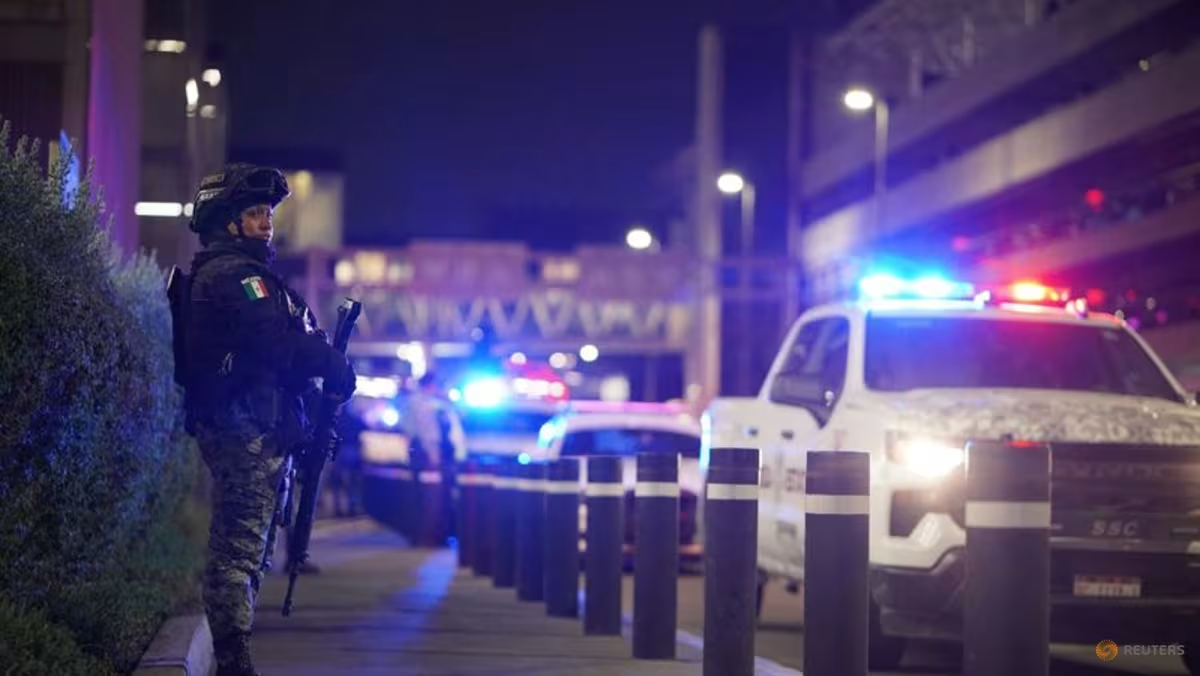
The US government has funnelled more than US$1 billion to World Cup security. REUTERS/Victor Medina
02 Jul 2026 05:58AM
RICHMOND, Virginia: The 2026 FIFA World Cup is the largest sporting event in history. It’s also the most surveilled World Cup ever. If you’re visiting or travelling around host cities, then you and your face, behaviour, movement and devices are being monitored by governments and private companies.The US government funnelled more than US$1 billion to World Cup security to protect transit hubs, stadiums and surrounding areas; improve tactical operations such as bomb squads and SWAT teams; and add and upgrade equipment. It’s been a bonanza for the private sector.Much of the investment in surveillance was done in the name of preventing harm from unauthorised drone use. Indeed, protecting against that threat is helping fuel the rapidly expanding government-private sector partnership in surveillance technology development and acquisition, which poses a different risk - to privacy.As an attorney, author and educator who has worked for decades in privacy and surveillance, I’ve advised law enforcement about using drones and understand that security is critical to keeping people safe. The argument for security, however, is too often the catalyst to fund, develop and increase government surveillance capabilities that erode civil liberties, chill speech and undermine freedom of association.