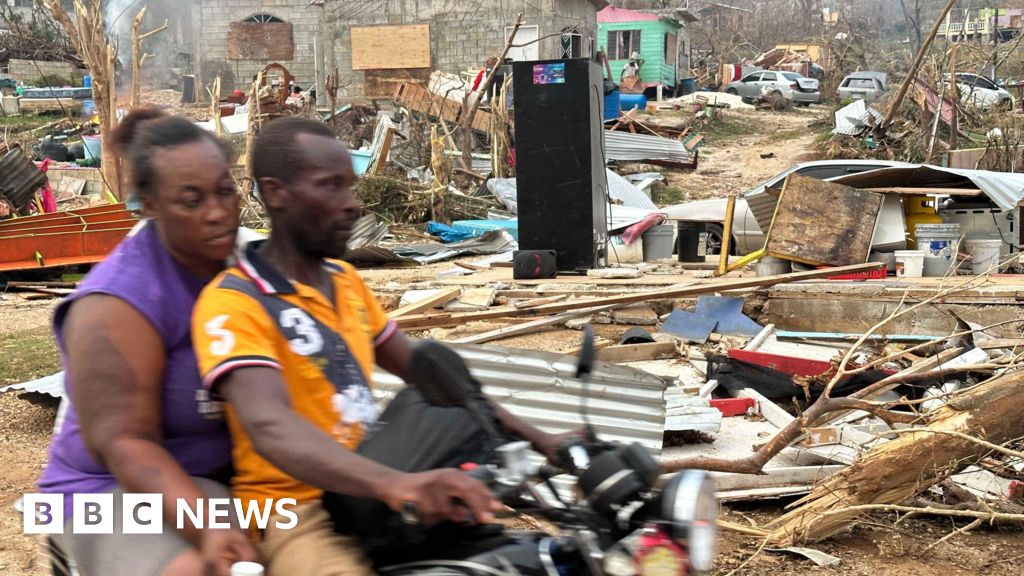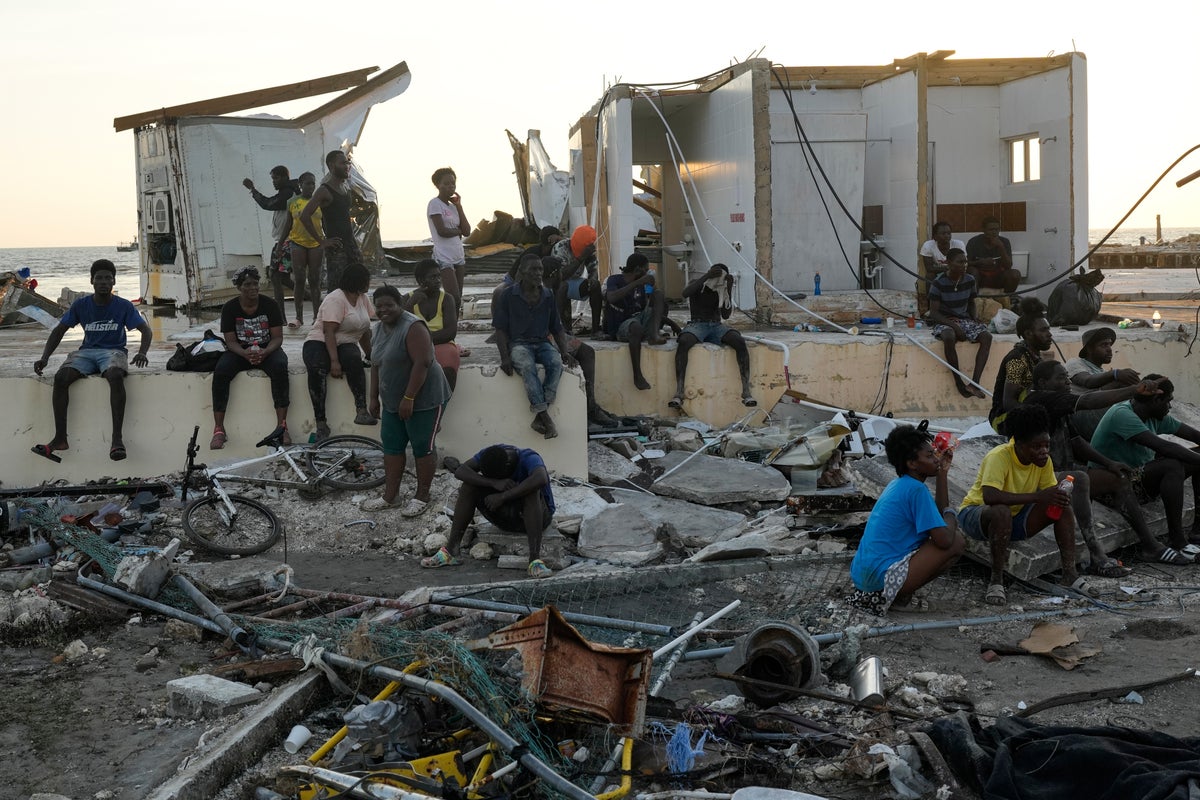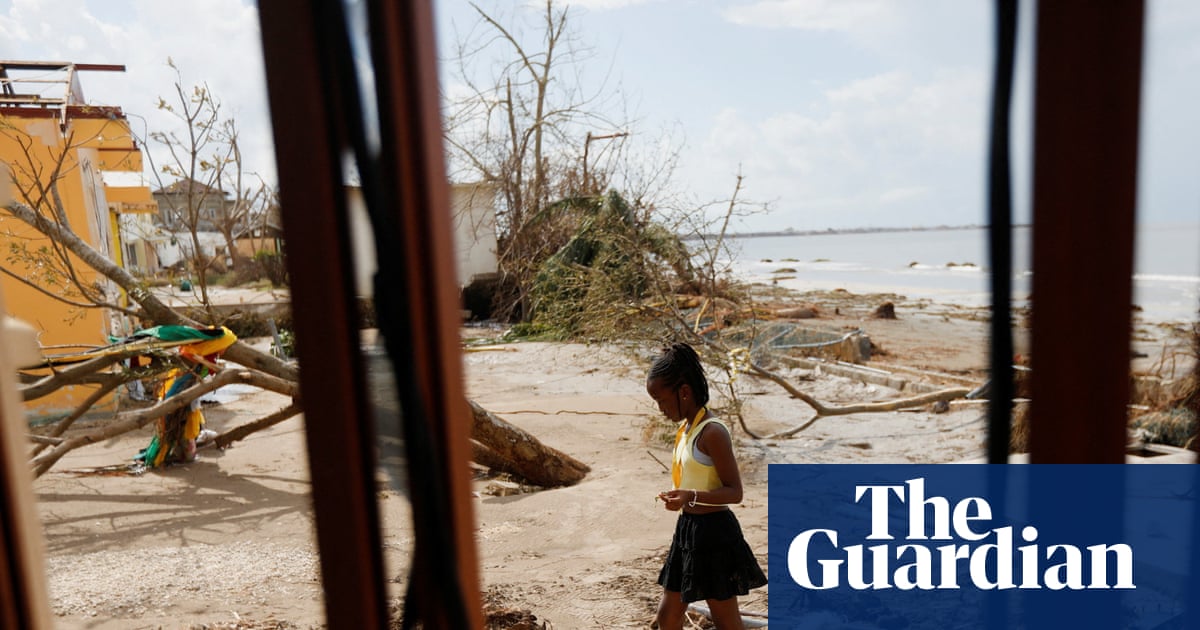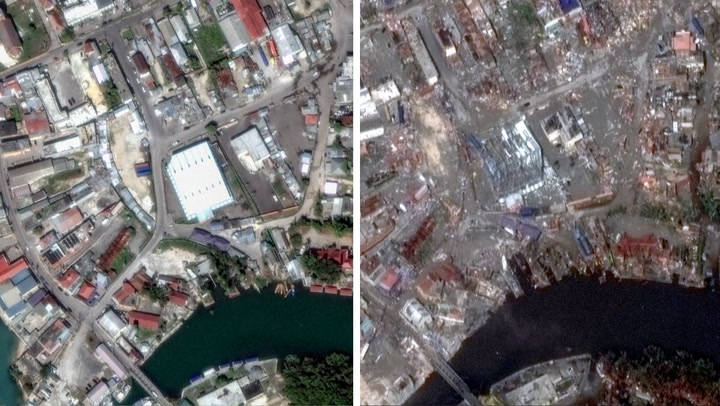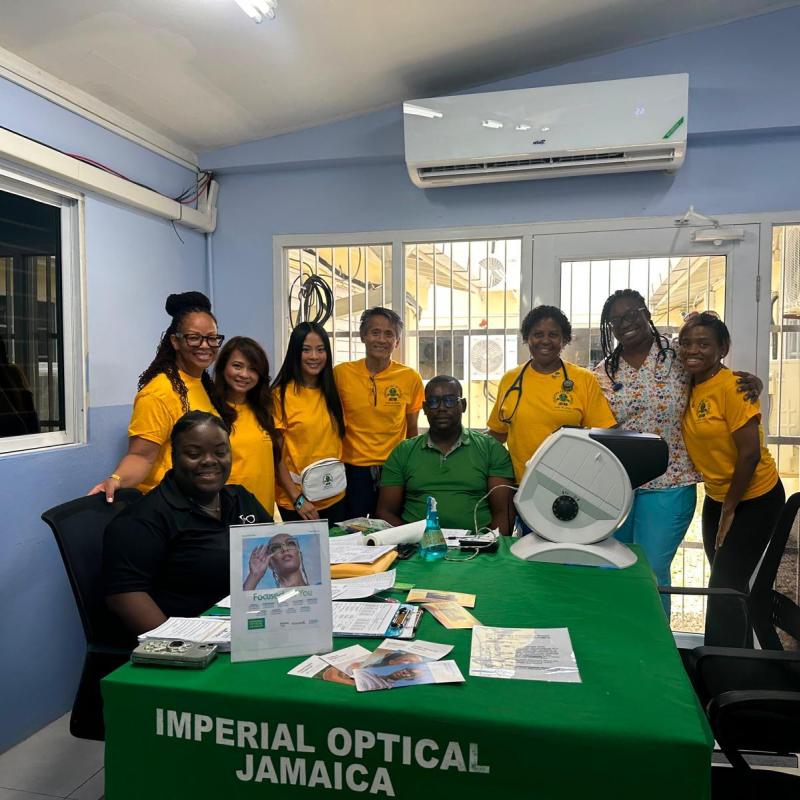
Eight months after Hurricane Melissa battered sections of western Jamaica, recovery efforts continue as healthcare professionals from Jamaica and the diaspora work together to restore essential health services in affected communities.As part of the Diaspora Day of Service, following the 11th Biennial Jamaica Diaspora Conference, the Jamaica Diaspora Taskforce Action Network (JDTAN) Health & Wellness Taskforce led a one-day medical mission on June 18, bringing physicians, nurses and volunteers together to provide medical care and support to residents still feeling the effects of the devastating storm.Dr Dahlia Blake, vice-chair of the JDTAN Health & Wellness Taskforce and project leader for the initiative, said the mission represented more than a day of volunteer service. It was an opportunity to help communities recover, restore access to healthcare, and demonstrate the enduring commitment of Jamaicans at home and abroad.“Hurricane Melissa has deeply affected the health and well-being of the communities we serve. As communities recover, there remains an ongoing need for medical care, mental health support, disease prevention, health education, and access to basic necessities to help residents rebuild their lives with dignity and hope,” Dr Blake said. Originally scheduled to serve Barrett Town Health Centre, the medical team was reassigned by the St James Public Health Department to the Catherine Hall Health Centre, one of the facilities severely damaged during Hurricane Melissa.Although the health centre has since reopened, visible reminders of the hurricane remain.“A dark blue line, still visible halfway up the walls, marks the height of the floodwaters. It is a powerful reminder of both the devastation the community experienced and the resilience shown throughout the recovery,” she said. The hurricane caused extensive damage to healthcare facilities across sections of St. James, disrupting access to medical services for months while repairs were carried out.Upon arriving at the Catherine Hall Health Centre, the volunteers noticed significantly fewer patients than anticipated. Concerned that residents were continuing to receive medical attention, Dr Blake made enquiries and learnt that many patients had been redirected to the Granville Health Centre during Catherine Hall's closure.Without hesitation, she divided the volunteer team into two groups.With assistance from St James Health Department bus driver Ronald James and local health officials, one team remained at Catherine Hall while the second travelled to Granville Health Centre, ensuring patients at both facilities benefited from the outreach."The objective was simple. Wherever the patients were, that is where we needed to be,” Dr Blake said. The one-day medical mission focused on restoring access to healthcare through adult and paediatric consultations, health screenings, vision assessments, patient education, and referrals for further medical care where necessary.According to Dr Blake, natural disasters create health challenges that continue long after floodwaters recede and damaged buildings are repaired. “Hurricane Melissa damaged hospitals, clinics, roads and utilities, disrupting access to medical care, medications, clean water and essential services,” she explained.Flooding also increased the risk of water-borne and mosquito-borne diseases, while interruptions in treatment worsened chronic conditions such as diabetes, hypertension, heart disease and asthma. Beyond physical illness, many residents continue to grapple with emotional trauma.“Many families are still coping with the loss of homes, loved ones and livelihoods. Anxiety, grief, depression and trauma have become common, particularly among children, older adults, and persons with existing health conditions,” she said. Dr Blake emphasised that targeted medical outreach remains essential, because healthcare needs persist long after the immediate emergency response ends.“Damage to hospitals, pharmacies and transportation interrupts both emergency and routine care. Flooding increases the risk of infectious diseases, while clean-up and rebuilding expose residents to injuries, heat stress and mould,” she said. For this reason, focusing healthcare resources on communities hardest hit by Hurricane Melissa remains a critical component of Jamaica's long-term recovery.The outreach also included vision screenings through a partnership with Imperial Optical, allowing residents to receive basic eye examinations and referrals to ophthalmologists when necessary.Originally planned with 14 healthcare professionals and support personnel, the mission expanded to 17 volunteers after additional physicians and healthcare workers offered their services.The team brought together healthcare professionals from Jamaica and the United States, demonstrating the important role the Jamaican diaspora continues to play in strengthening healthcare and supporting national recovery efforts.Among the volunteers was board-certified dermatologist Dr Quang Le, who returned after participating in the 2024 Diaspora Day of Service. He was joined by his wife and daughter, alongside first-time volunteers, including Dr. Akil Gardner of Cornwall Regional Hospital and newly qualified physicians Dr Katrina Laljie and Dr Kadesch Blake.Dr Blake believes involving young healthcare professionals helps to establish a lasting culture of volunteerism, while strengthening Jamaica's healthcare workforce.She also underscored the value of collaboration between healthcare professionals in Jamaica and the United States. “It strengthens training and skills exchange, supports disaster response and improves chronic disease management, while encouraging collaboration in research and public health,” she said.Beyond delivering immediate medical services, Dr Blake believes missions like this contribute to building stronger and more resilient healthcare systems.They help restore disrupted primary healthcare services, strengthen disease surveillance, support local healthcare workers, expand mental health services, and identify lessons that improve disaster preparedness before future emergencies occur.“They don't simply respond to disasters. They help shape a stronger, more resilient healthcare system capable of withstanding future storms,” Dr Blake said. As western Jamaica continues its recovery eight months after Hurricane Melissa, Dr Blake hopes residents will remember more than the healthcare they received.“I hope participants leave with a stronger sense of being seen, heard and cared for. Healthcare is not just about treating illness. It is about restoring dignity, building trust and reminding communities that they are not alone,” she said. While roads, buildings and public facilities continue to be rebuilt, initiatives such as the JDTAN Health One-Day Medical Mission demonstrate that recovery also means restoring health, strengthening resilience and ensuring vulnerable communities receive the support they need to move forward.keisha.hill@gleanerjm.com
Eight months after Hurricane Melissa, diaspora medical mission supports communities in recovery
Eight months after Hurricane Melissa battered sections of western Jamaica, recovery efforts continue as healthcare professionals from Jamaica and the diaspora work together to restore essential health services in affected communities.
965 words~4 min read