Show Caption
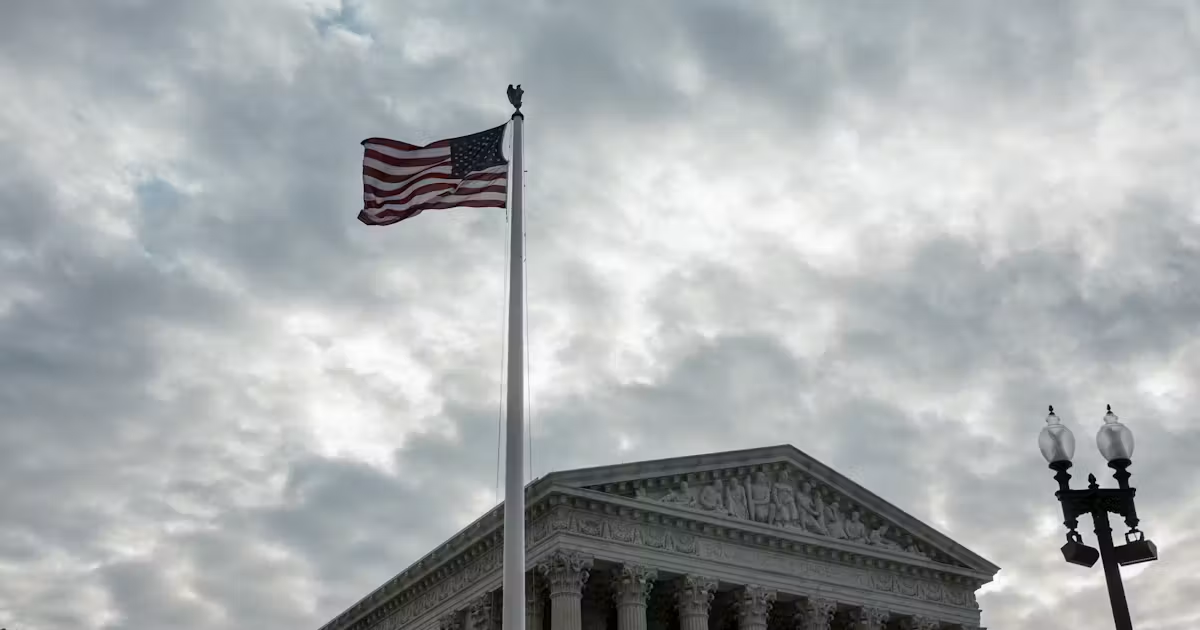
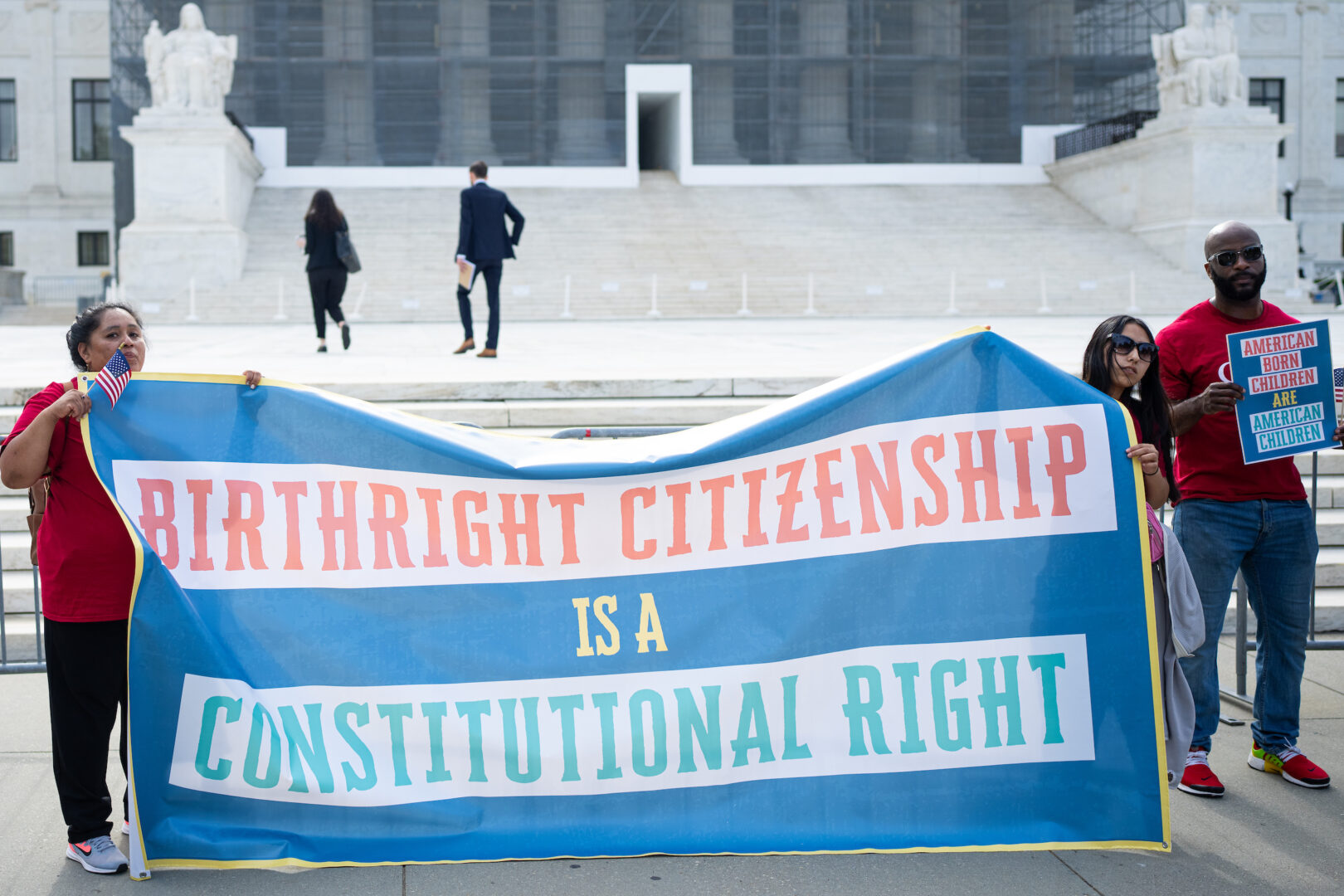
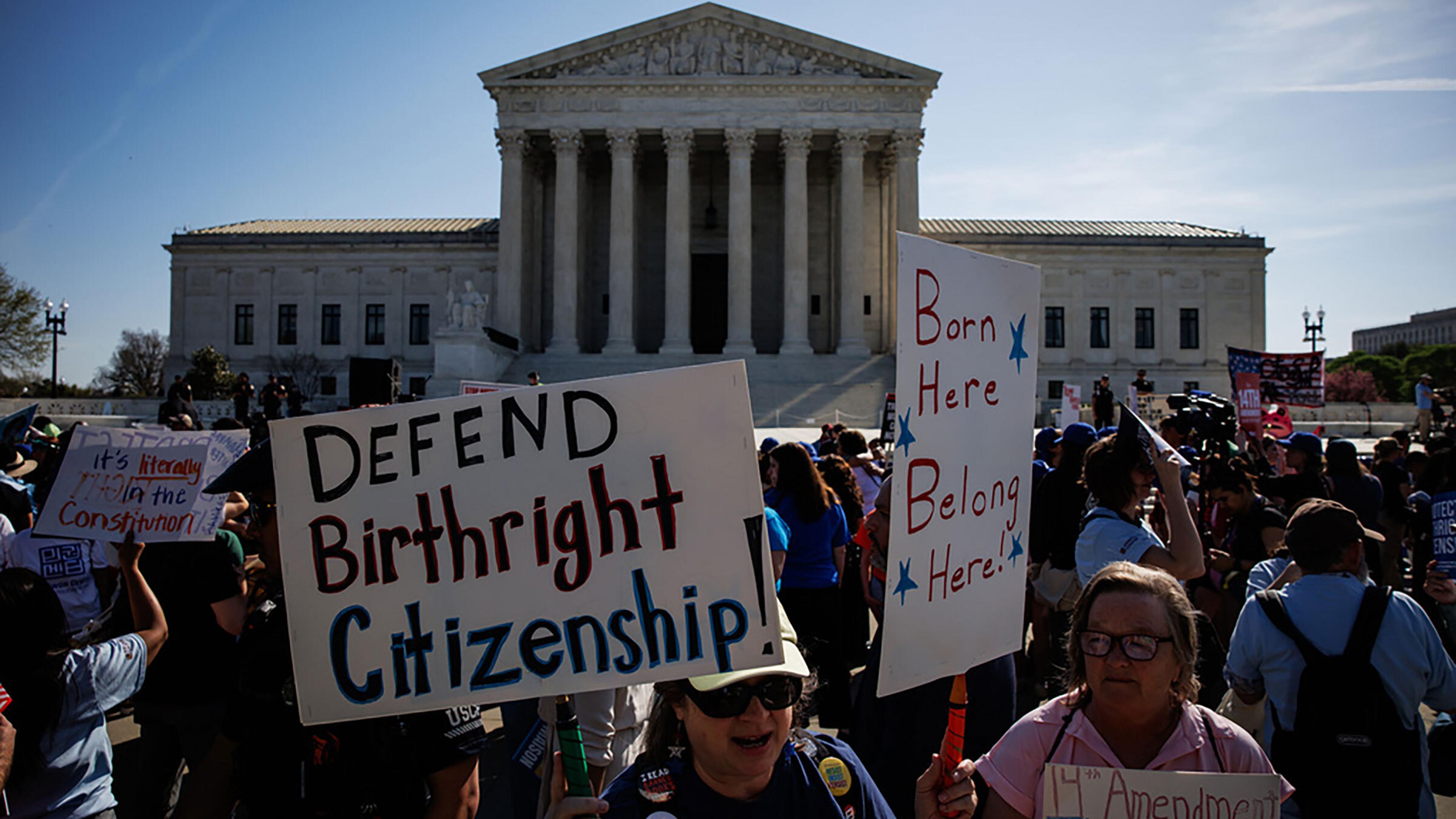
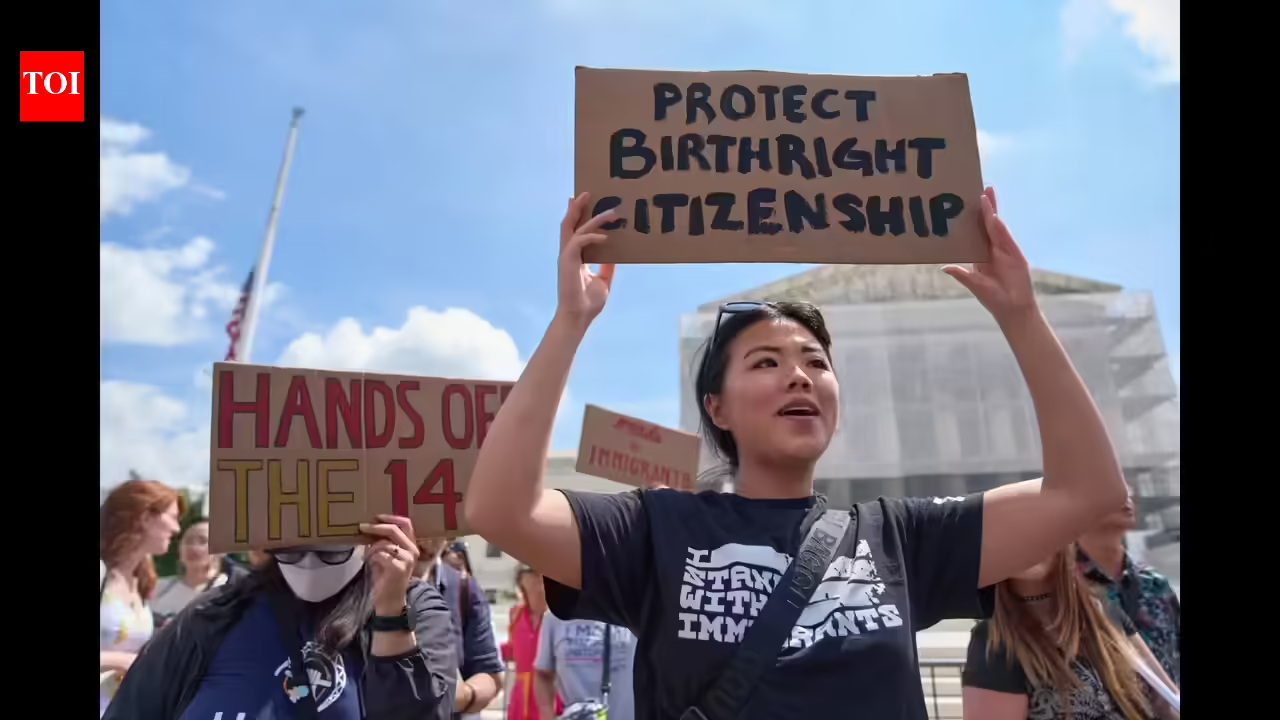
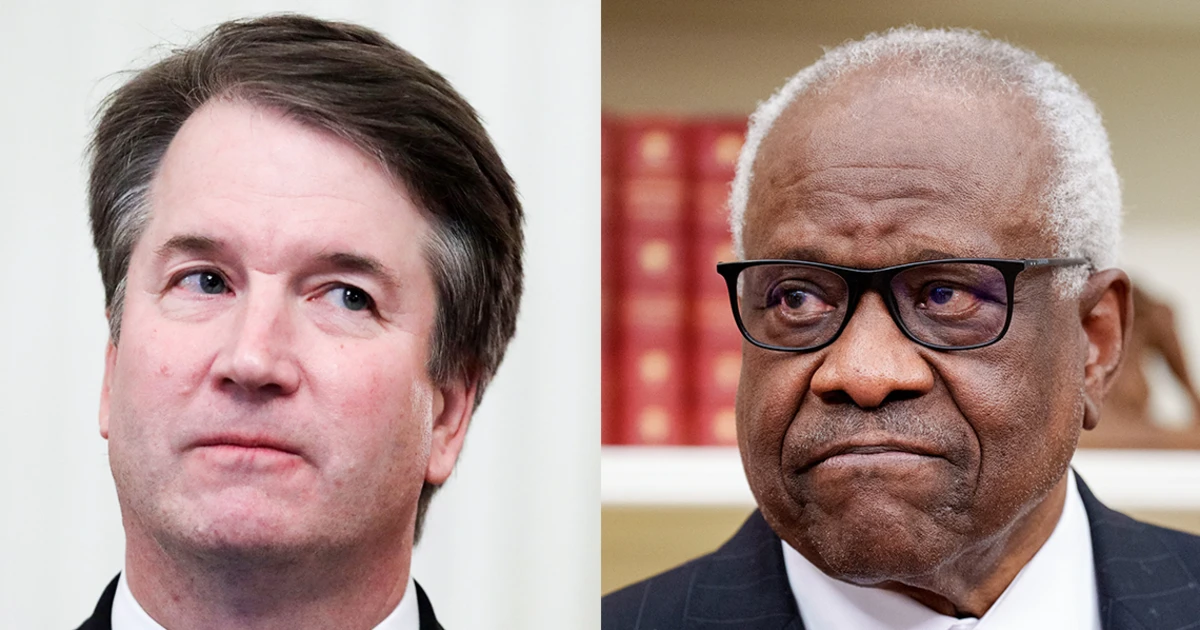
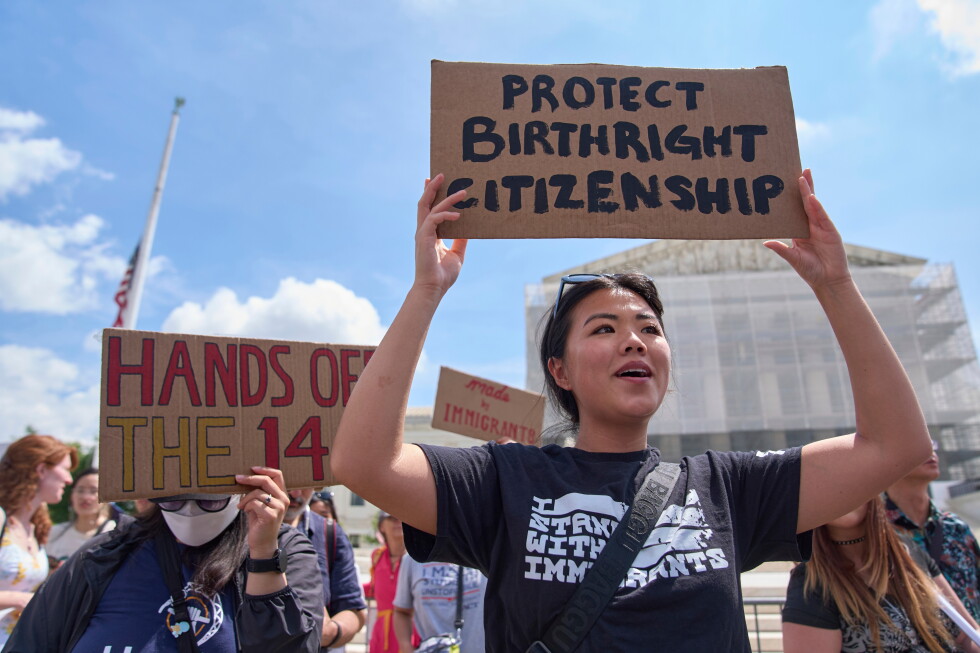
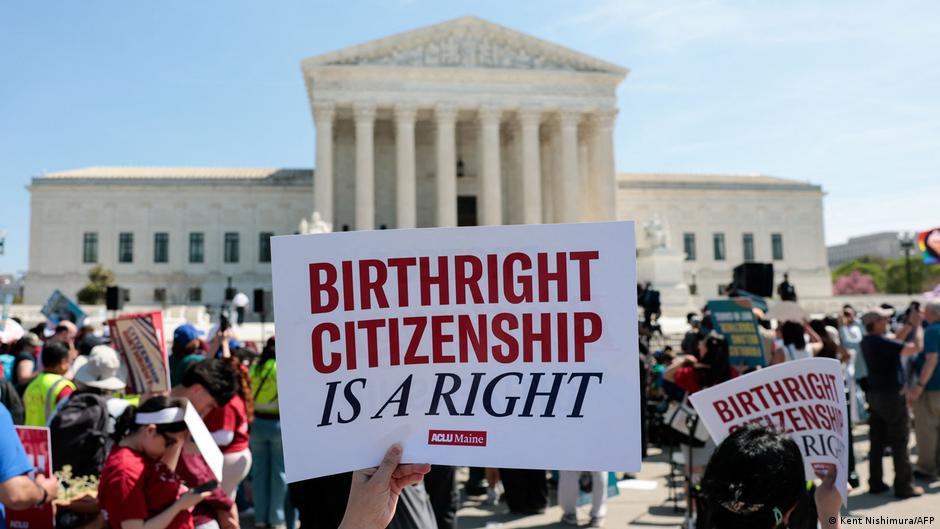
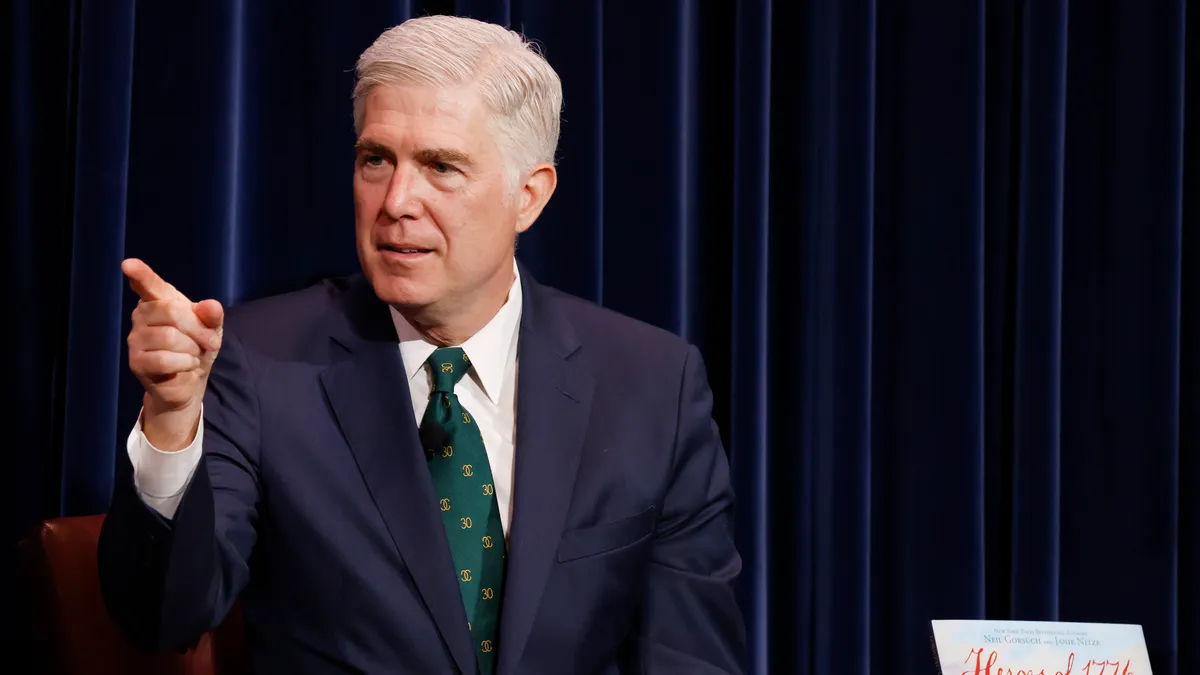
Supreme Court Justice Neil Gorsuch had a surprising take in his brief written dissent from his colleagues' ruling June 30 that President Donald Trump's severe restrictions on birthright citizenship were unconstitutional.A majority of the court ruled that Trump violated the Constitution when he attempted to deny citizenship to children whose parents aren't authorized – or are only temporarily authorized – to be in the United States. The majority said the Constitution's promise of citizenship to all people born in the U.S. and "subject to the jurisdiction thereof" applied to those children.However, Gorsuch wrote that, while he believes Trump's executive order – on its face – is fully lawful, he would still have been open to a constitutional challenge down the line to the Trump administration applying the order to deny citizenship to children whose parents have unlawfully made their permanent home in the country.Gorsuch contrasted those children with children whose parents are lawfully in the country, but only temporarily."I harbor doubts," Gorsuch wrote, about the Trump administration's argument that denying citizenship to that first group of children "can survive any possible legal challenge.""I wonder: Is a child born here to parents who have long chosen to make this Nation their permanent home not a citizen under the Fourteenth Amendment solely because his parents’ presence violates statutory law?" Gorsuch added.It was easy to miss Gorsuch's words amidst the voluminous writings of his colleagues – he took up just three of the 194 pages from several Supreme Court justices with their views on the case, including the 26-page majority opinion and a 91-page dissent fellow conservative Justice Clarence Thomas that Gorsuch also signed onto.In that dissent, Thomas wrote that the Constitution's clause on citizenship, which was ratified in 1868, "was designed and understood to secure equal rights for the freed blacks" after the end of slavery, rather than to guarantee citizenship to all the groups potentially excluded by Trump's order.The majority opinion, written by Chief Justice John G. Roberts Jr., said the citizenship clause in the Constitution wasn't so limited. It was instead, according to Roberts, designed to enshrine a principle from earlier American and English law that "soil – not blood" determined citizenship."Citizenship, then and now, was the right to have rights – to freely participate in our political community," Roberts wrote. "The Framers of the Fourteenth Amendment extended that promise to 'every free-born person in this land.' ... We keep that promise today."