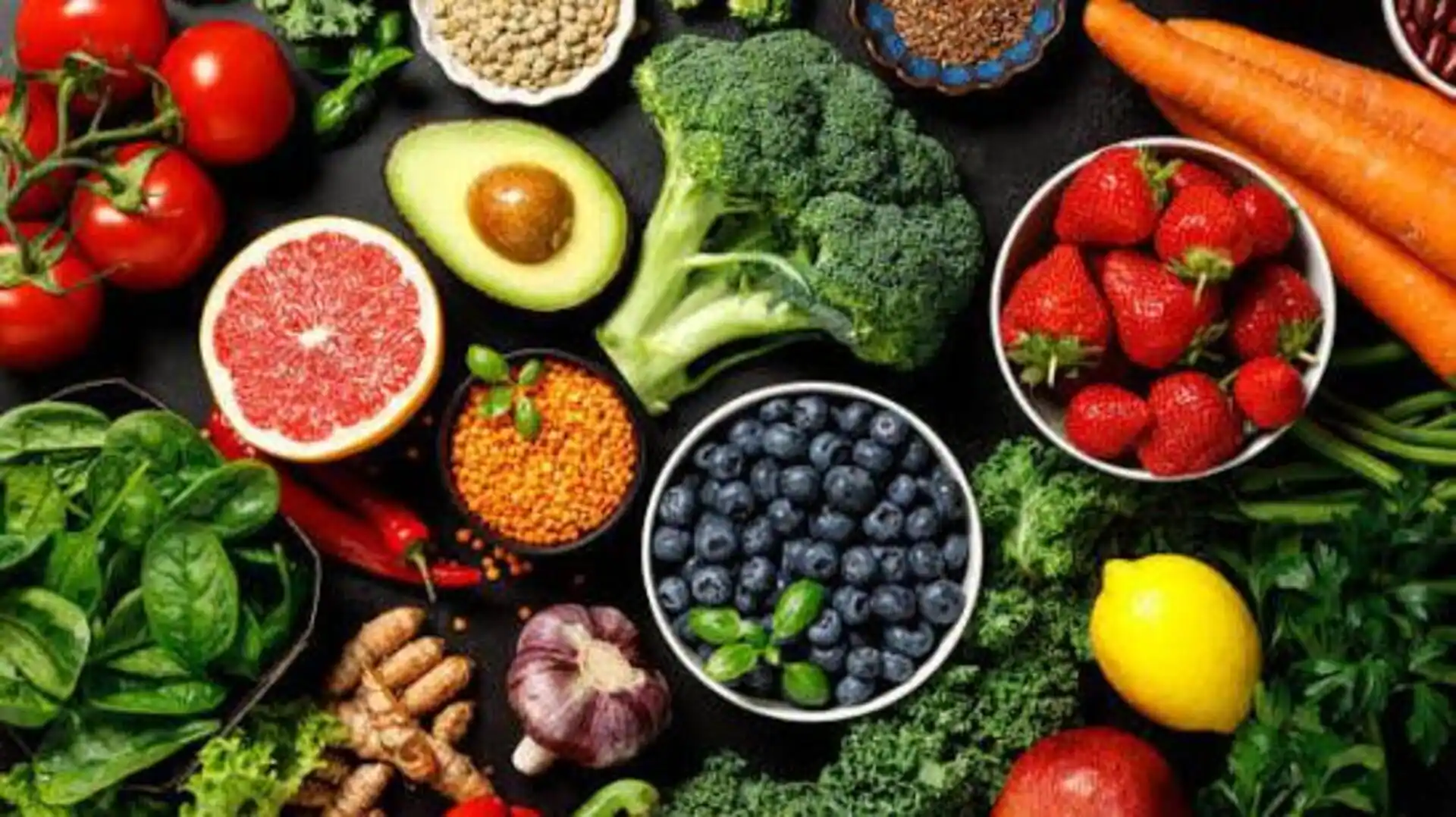
Eating a healthy diet involves getting in a good mix of nutrients. But some nutrients are more important in certain situations than others. As a result, you may need to focus on them a little more than usual during particular times of the year or under some circumstances. When summertime rolls around, dietitians recommend paying closer attention to your potassium intake. Potassium is an essential nutrient that’s in all tissues in your body, according to the National Institutes of Health (NIH). It’s required for your cells to function normally, too.Potassium has a hand in a lot of different things happening in your body, according to Sandra Zhang, registered dietitian nutritionist at the Frances Stern Nutrition Center at Tufts Medical Center. “Potassium is an essential electrolyte that helps regulate muscle function, nerve signaling, fluid balance, blood pressure, and heart rhythm,” she said, adding that low potassium levels can also make you feel wiped out.Most adult women need about 2,600 milligrams of potassium a day, while adult men require 3,000 milligrams a day, according to the NIH. Potassium levels can drop in your body when you sweat, which happens pretty frequently in summer. Data even suggests consistent drops in people’s potassium levels when it’s hot out, making it important to be aware of your own potassium levels this time of year.If potassium isn’t on your radar right now, experts recommend changing that. Why is potassium important in your diet in the summer?Potassium is important any time of year, but it has several functions that can impact how you feel during the hot summer months. Potassium works closely with sodium to help regulate the balance of fluids in your body, according to Laura Acosta, an associate professor in the department of Food Science and Human Nutrition at the University of Florida. Potassium also affects muscle contractions, including those of your heart. “Potassium is essential for the heart to beat normally,” Acosta said. “If blood potassium gets too high or too low, it can cause arrhythmias — abnormal heart rhythms — or in extreme cases, even cardiac arrest.” Potassium also plays a “major role” in maintaining healthy blood pressure, Acosta added.Olga Pankova via Getty ImagesWe often lose potassium when we sweat.What happens when you don’t have enough potassium?A few things can happen when your potassium levels are low. Low potassium levels are linked to dehydration. (That’s why fluids that contain potassium and other electrolytes are usually recommended when someone is dehydrated.)“When potassium levels drop too low, it can affect multiple systems in the body,” Acosta said. “Mild deficiency can cause fatigue, muscle weakness and cramping.” You may even experience digestive issues like constipation when you don’t get enough potassium, according to Mary Mosquera Cochran, a dietitian at The Ohio State University Wexner Medical Center. Basically, slightly low potassium levels can make you feel tired and a little off overall.“More significant deficiency can contribute to irregular heart rhythms, elevated blood pressure, and, in severe cases, dangerous cardiac complications or cardiac arrest,” Acosta said. What foods contain potassium?Potassium is found in a range of plant-based foods and animal products. Here’s a breakdown of some of the biggest sources of potassium, per the NIH:Dried apricots, ½ cup, 755 milligramsLentils, 1 cup, 731 milligramsAcorn squash, 1 cup, 644 milligramsBaked potato, 610 milligramsOrange juice, 1 cup, 496 milligramsBanana, 422 milligramsMilk, 1 cup, 366 milligramsBoneless chicken breast, 3 ounces, 332 milligramsHere’s how to keep tabs on your potassium levels and how to get more of it.There’s no easy way to tell at home where your potassium levels stand. “But your diet offers helpful clues,” Acosta said. “If you’re regularly eating potassium-rich foods, you’re likely meeting your needs.” If you’re struggling with persistent symptoms like muscle weakness, unusual fatigue, heart palpitations and cramps, she recommended talking to your healthcare provider. “These symptoms are not necessarily specific to potassium deficiency and can be attributed to other causes as well, so it’s important to not try to self-diagnose,” Acosta said. Among other things, your healthcare provider may want to give you a blood test to check your potassium levels.Cochran also suggested using a food diary app to keep track of your potassium intake. “If you’re getting below the recommended dietary intake and experiencing symptoms, you can work on increasing your intake of high potassium foods to see if symptoms improve while you wait to get in to see your doctor,” she said. Ideally, you’d get plenty of potassium every day. But it’s also a good idea to take in more of the nutrient after you get sweaty, Zhang said. “After prolonged sweating, potassium-rich foods can help with recovery.” “Most people focus on sodium replenishment after getting sweaty, which is still important, but if your salt intake is high and potassium intake is low, this can actually force your heart and muscles to work even harder, and put more strain on your body,” Cochran said. She suggested choosing foods like bananas, avocados, coconut water, yogurt, milk, beans, lentils, or soy milk after sweating to help replenish potassium. “Adding a pinch of salt or eating salted nuts or seeds with a high-potassium food can help to keep things balanced,” Cochran added.For most people, eating a balanced diet can help combat potassium that’s lost when you sweat, according to Zhang. But those who have low potassium levels based on testing ordered by a doctor may benefit from taking a supplement, Acosta said. “They’re typically prescribed for individuals with clinically low potassium levels or those taking certain medications,” she said. “Because too much potassium can be dangerous, supplements should only be used under medical supervision.”Here’s when to see a healthcare provider about your potassium levels.If you feel off and aren’t taking in enough potassium through your diet, Cochran said it’s worth ramping up your intake of the nutrient and seeing how you feel, especially if it’s hot out and you’ve been sweating more than usual. But Acosta said it’s a good idea to see your healthcare provider for more severe and consistent symptoms, like persistent muscle weakness, abnormal heart rhythms, unexplained fatigue or severe cramping.“These could be potassium-related ... or they could be related to something else,” Acosta said.
This 1 Vitamin Deficiency Can Cause Fatigue And Heart Problems — And You're Often Low In The Summer
This nutrient can make a big difference in how you feel, especially when it's hot.
1,022 words~5 min read