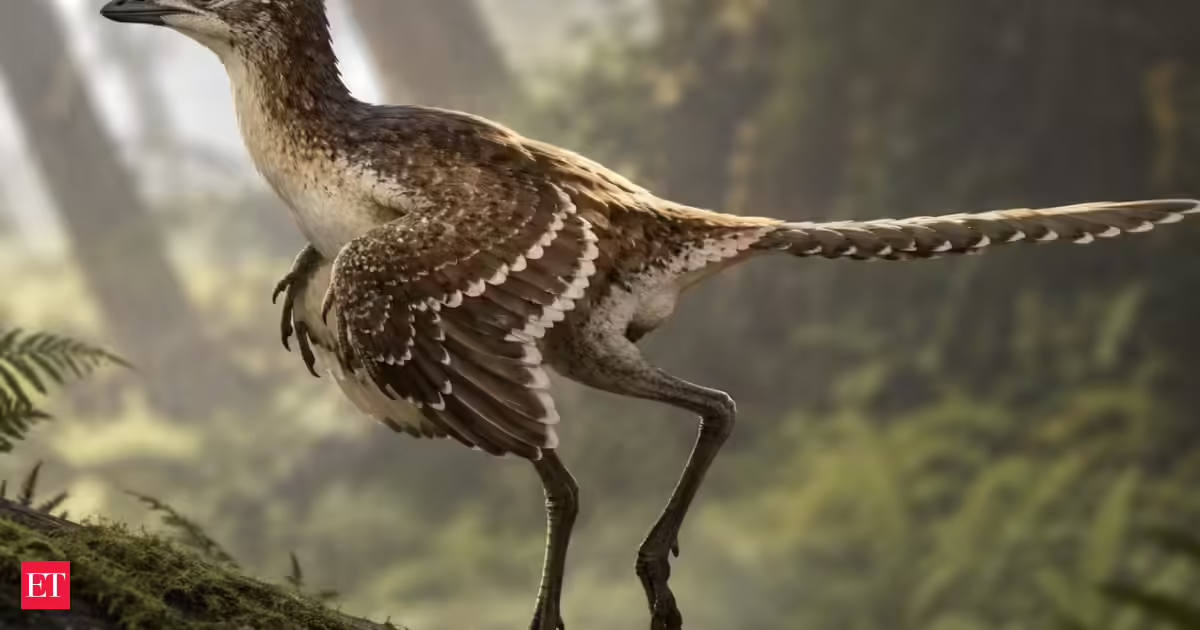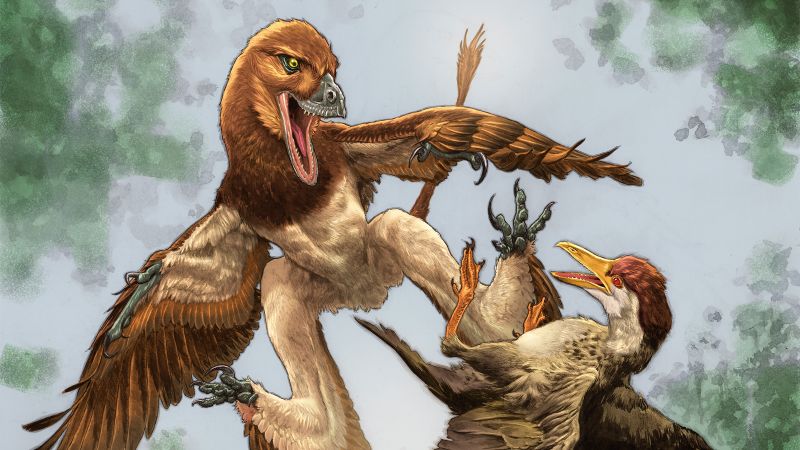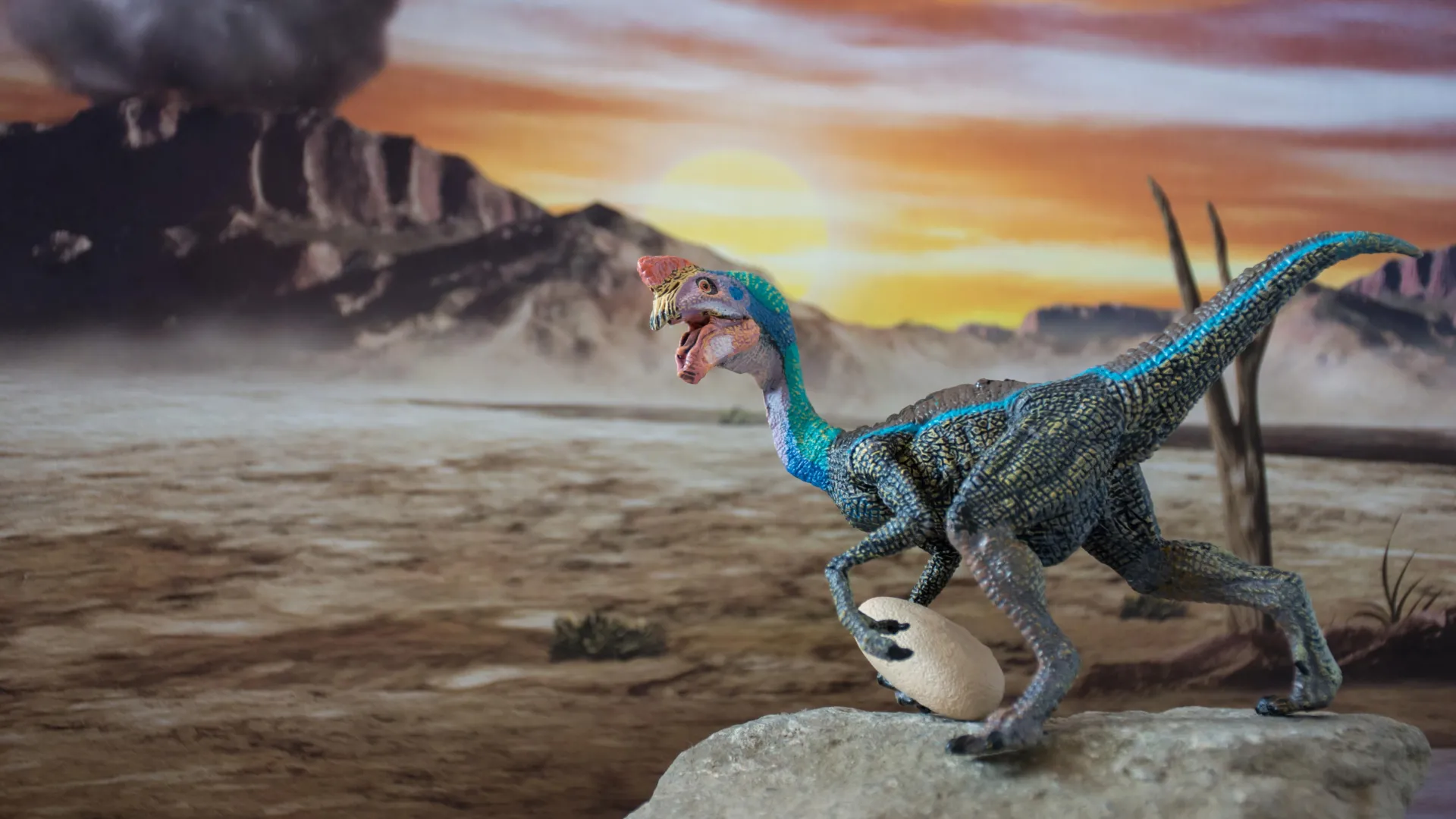
How did oviraptors bring their young into the world? These feathered, bird-like dinosaurs could not fly, but scientists have long wondered whether they incubated their eggs like modern birds or relied more heavily on environmental heat, similar to crocodiles and turtles.
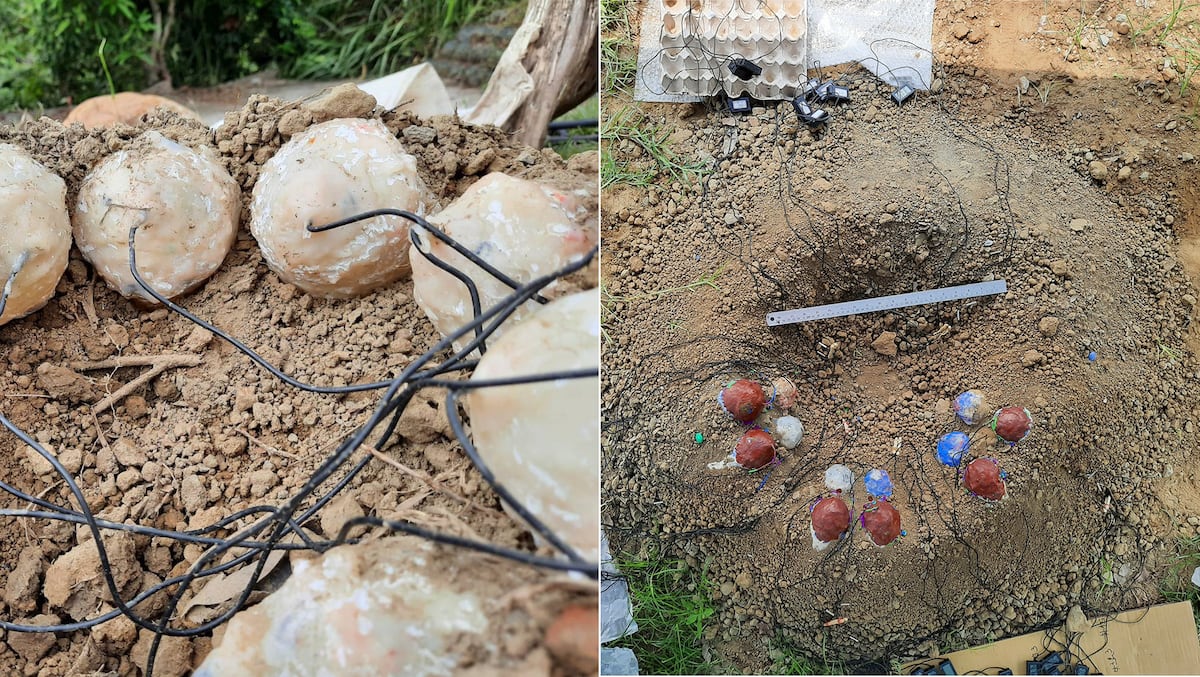
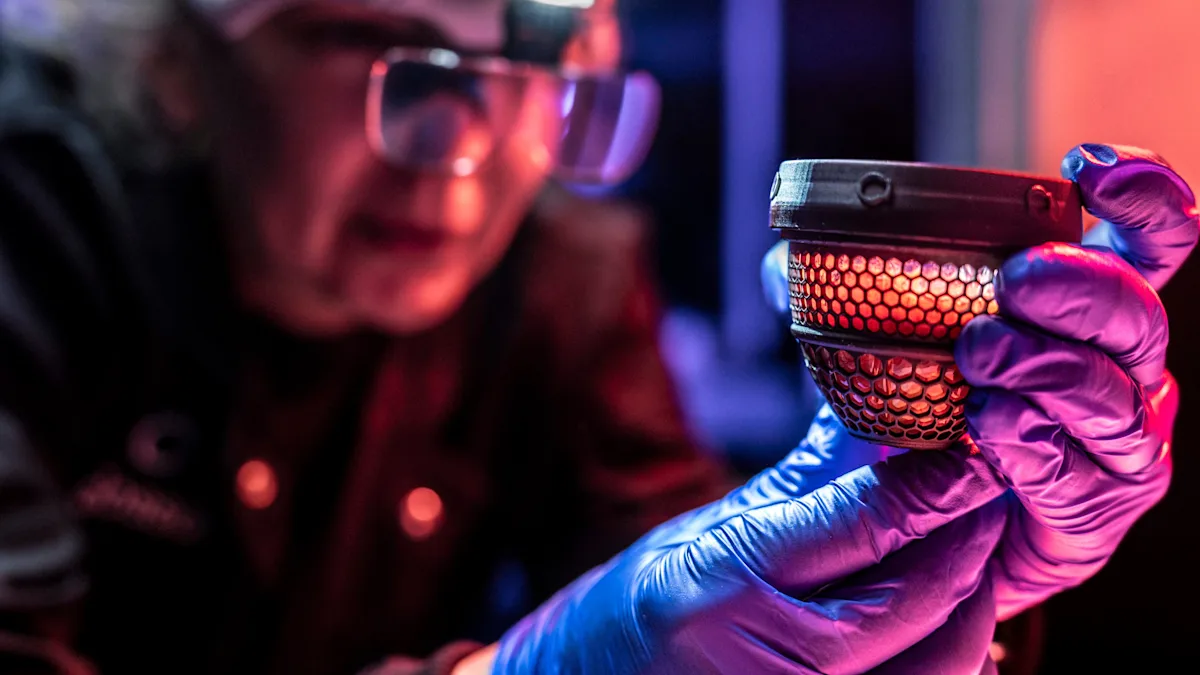
A new study published in Frontiers in Ecology and Evolution takes a fresh look at the question. Researchers in Taiwan combined physical experiments with computer simulations to investigate how oviraptor eggs were warmed and how efficiently they hatched. To do that, they built a life sized model of an oviraptor and recreated its nest using artificial eggs.
The results suggest that the position of the brooding adult relative to the eggs played an important role in how the eggs developed.
"We show the difference in oviraptor hatching patterns was induced by the relative position of the incubating adult to the eggs," said senior author Dr. Tzu-Ruei Yang, an associate curator of vertebrate paleontology at Taiwan's National Museum of Natural Science.
The study also found that oviraptor incubation was less efficient than that of modern birds.