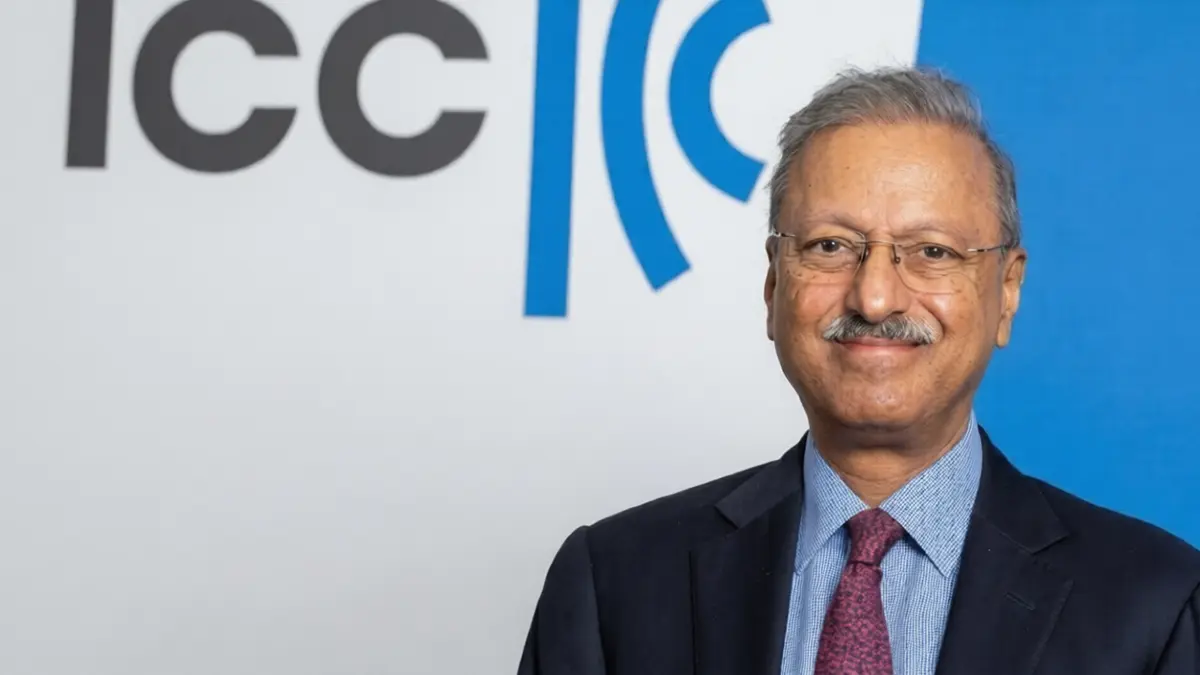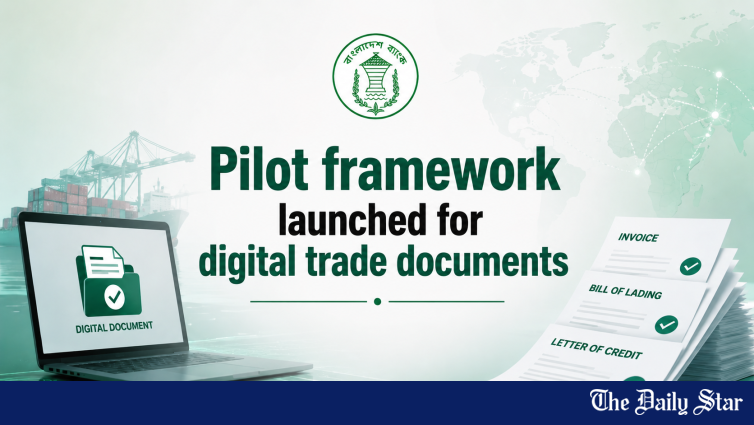
New Delhi: International trade documents must be digitised to enable easier global commerce and expand access for businesses to global trade, International Chamber of Commerce (ICC) chairperson Harsh Pati Singhania said.He noted that 80-90% of global trade documentation remains paper-based."If they are digitised, they can be interoperable across countries. This will facilitate greater trade, bring down cost and be more relevant for emerging economies and smaller businesses," Singhania said.Also Read: India Inc registrations jump 16% in June as investor sentiment reboundsThrough the ICC's Digital Standards Initiative, 21 of the 36 key trade documents, including bills of lading, certificates of origin and purchase orders, have already been digitised, while work on the rest is underway.The ICC has also digitised International Commercial Terms (Incoterms), the globally accepted rules governing contracts for sale and purchase of goods.Singhania recently assumed the chairmanship of the Paris-headquartered ICC, becoming only the fourth Indian to hold that position. Hari Shankar Singhania and Sunil Mittal are among others to have held the post. The ICC has a presence in 170 countries and has more than 45 million member companies."My appointment being only the fourth Indian represents the salience of India," Singhania said.Arbitration and dispute resolution have emerged as another major area of focus for the organisation. The ICC International Court of Arbitration has administered more than 30,000 cases to date, handling disputes worth around $20 billion annually.While the ICC is best known for resolving cross-border commercial disputes, nearly 30% of cases involving Indian parties relate to disputes between Indian companies, Singhania noted.Trade finance is another priority area for the organisation.
ICC chief calls for digitisation of trade papers for ease of access
Digitizing international trade documents is crucial for easier global commerce and wider business access, according to ICC chairperson Harsh Pati Singhania. He highlighted that 80-90% of trade paperwork remains paper-based, hindering interoperability and increasing costs. The ICC's Digital Standards Initiative has already digitized 21 key documents, with more underway, aiming to boost trade relevance for emerging economies and smaller businesses.
262 words~1 min read