U.S. and Iranian officials remain locked deep in negotiations to secure a lasting ceasefire to the war that has rocked the Middle East for months. For many Americans, however, no deal will be enough to replace what the war has already sapped from their wallets.
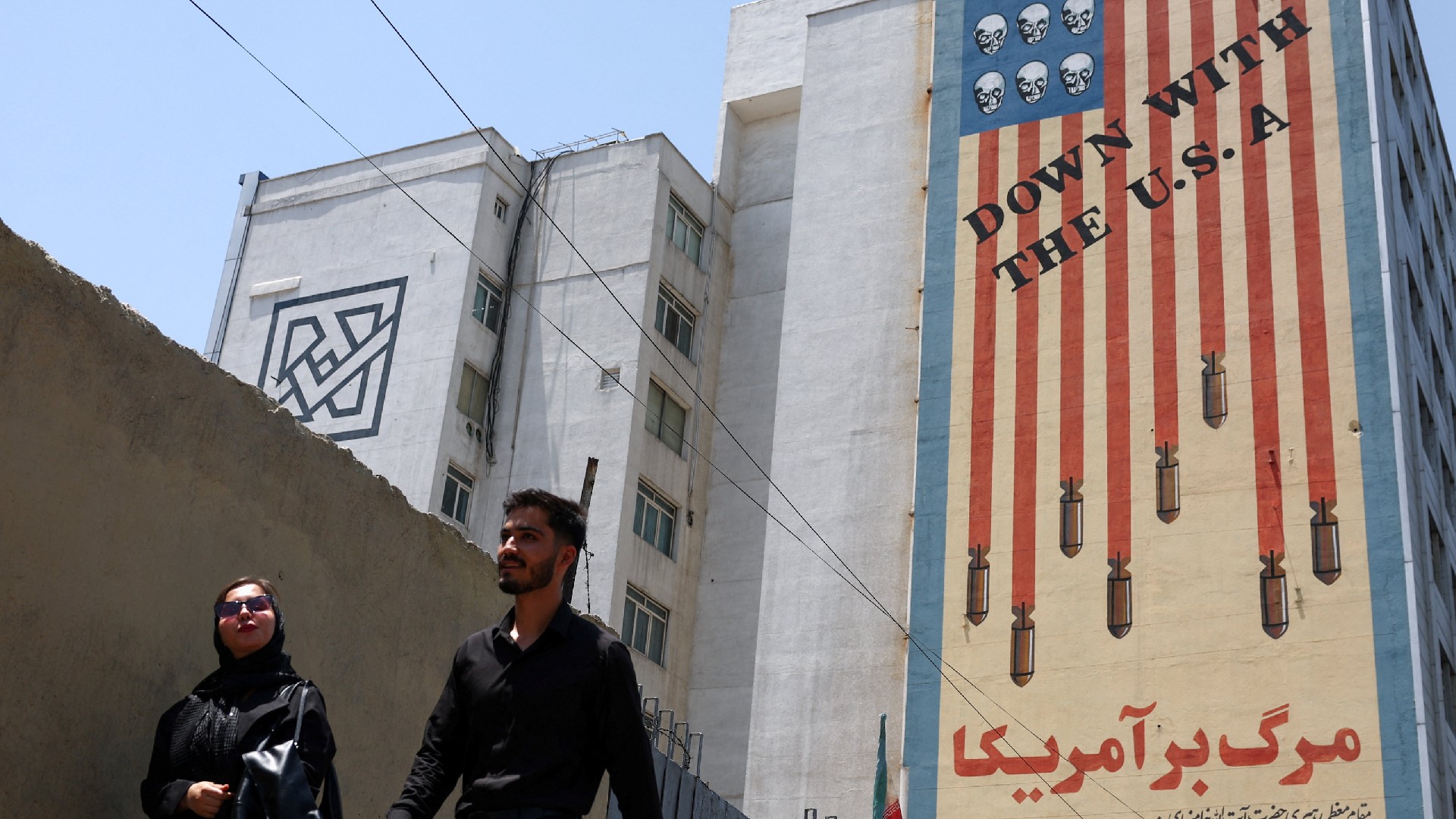
Peace talks between the two countries are still inching along, with one of the key points up for discussion being how to regulate the flow of shipping through the Strait of Hormuz. The waterway has been mostly locked up to traffic since the war began in February, sending oil prices soaring and pushing gasoline prices back in the U.S. up with them.
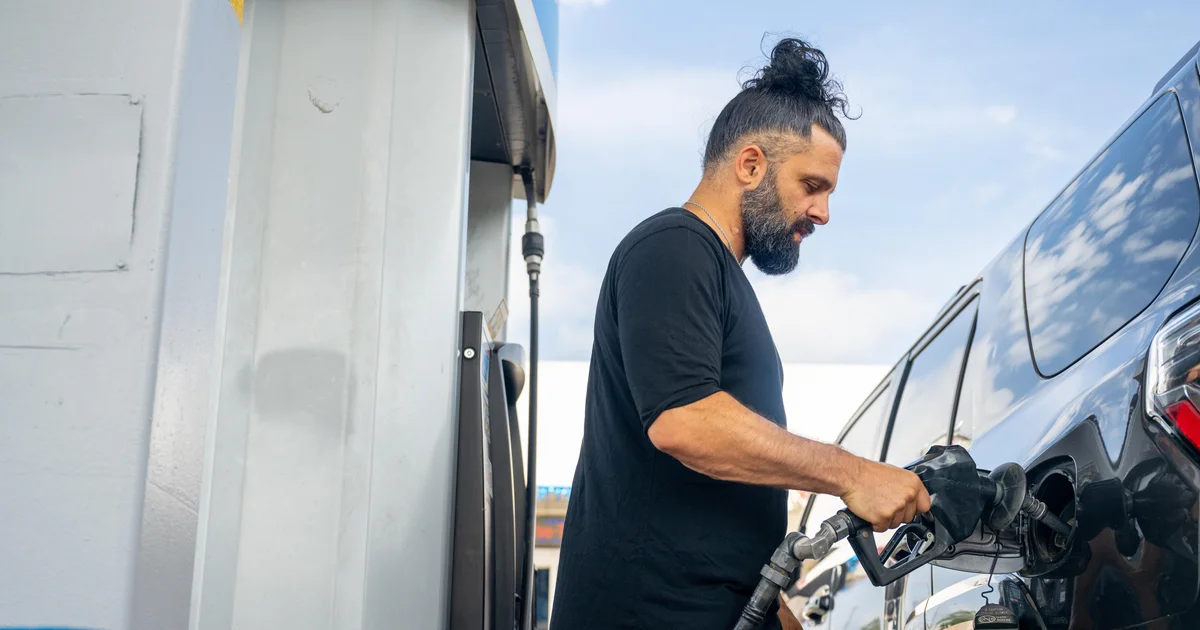
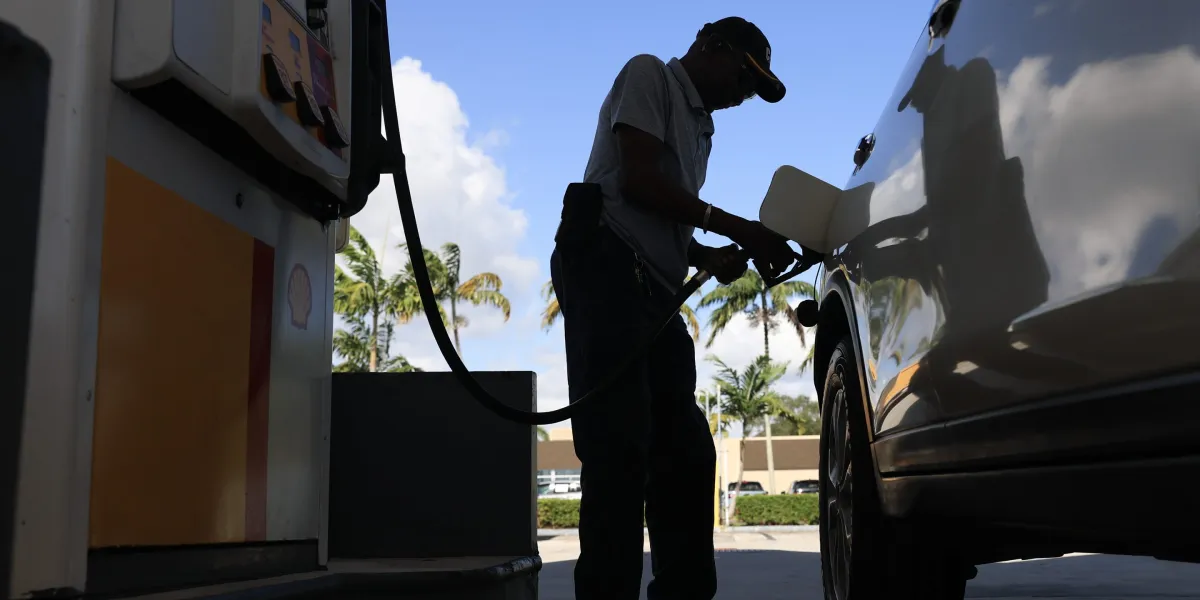
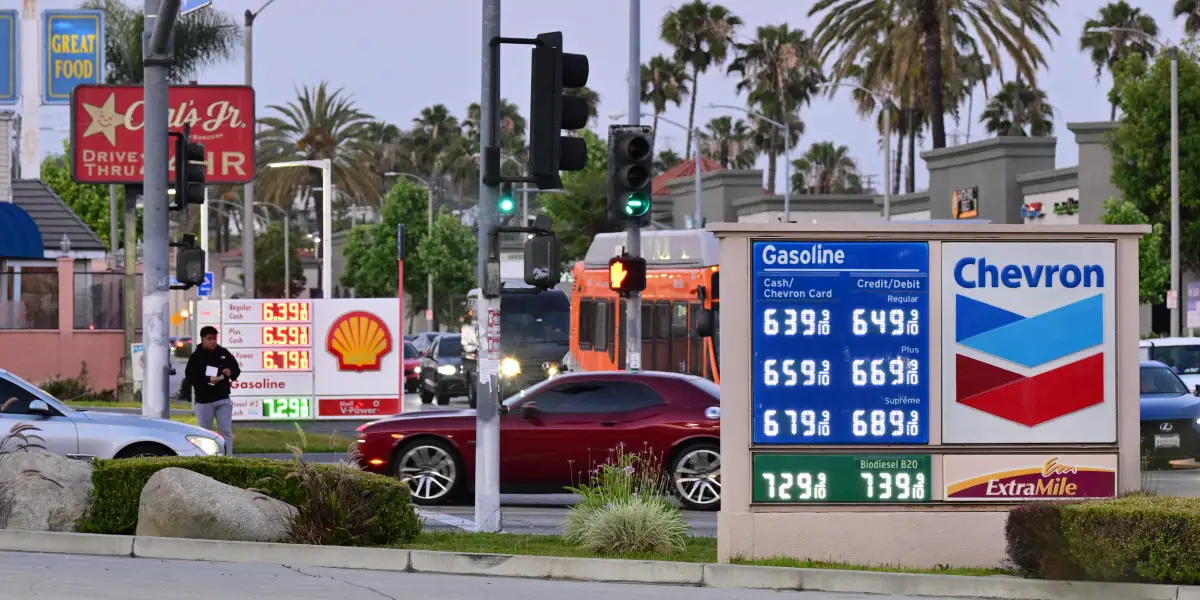
Oil prices have returned to pre-war levels since ceasefire talks began, as tensions in the Middle East somewhat de-escalated and global demand softened. But American drivers are still dealing with sky-high gas prices. The national average cost of a gallon of gas is now $3.84, up roughly 23% from a year ago, close to a four-year high. For the average American who relies on a personal vehicle to get to work, take their children to school, buy groceries, and generally live their life, those costs have been adding up.
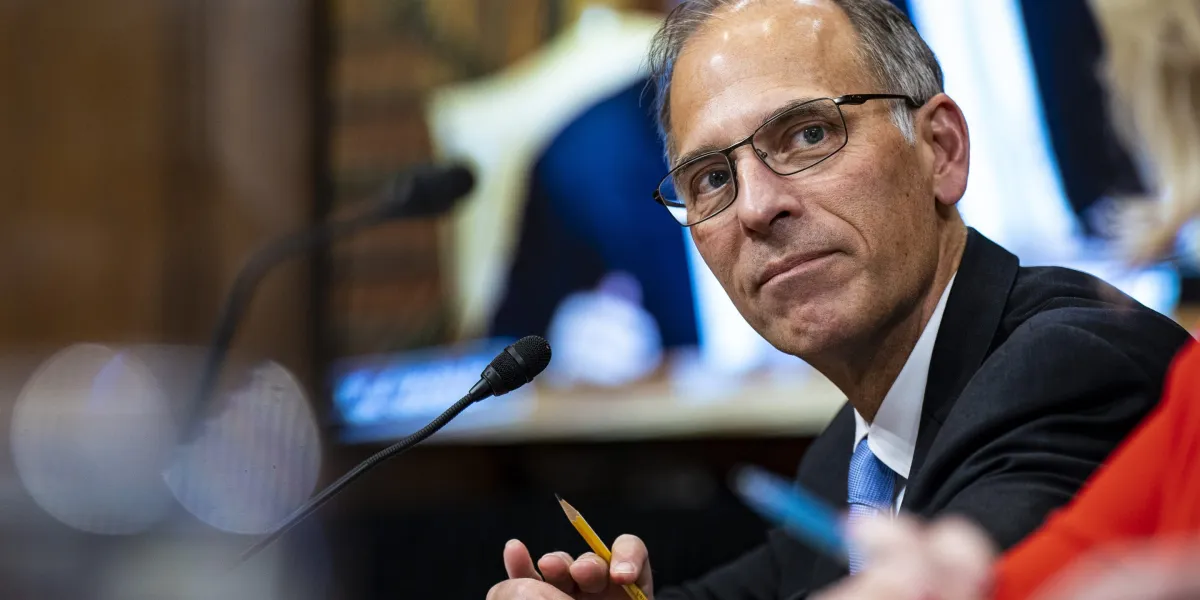
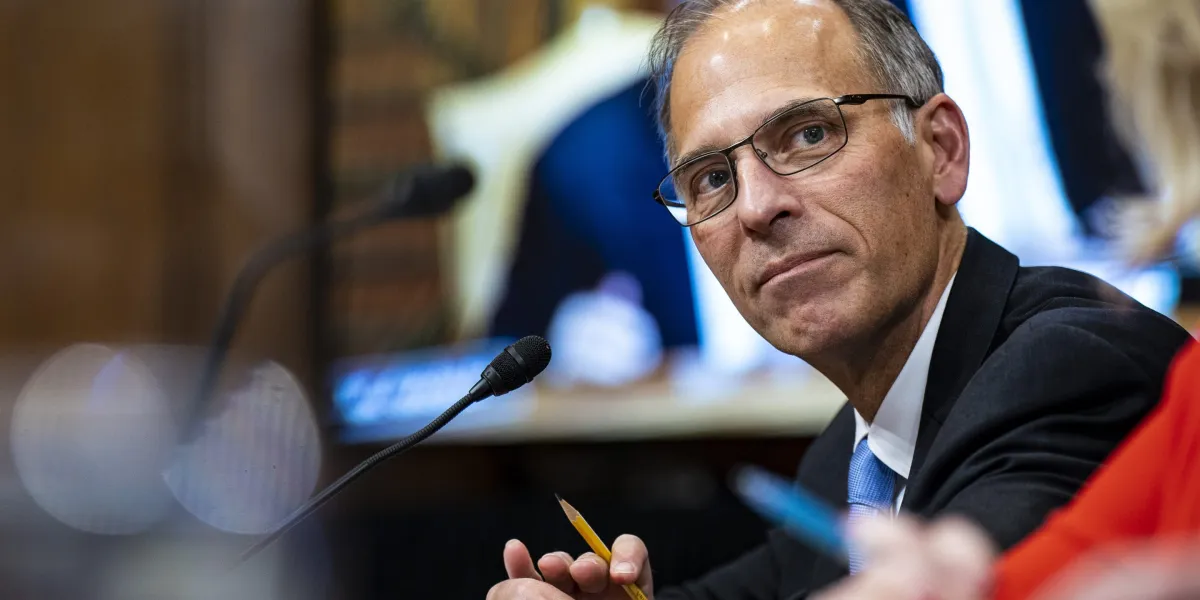
“One thousand dollars,” Mark Zandi, Moody’s chief economist, wrote in an op-ed published last week by the Philadelphia Inquirer.