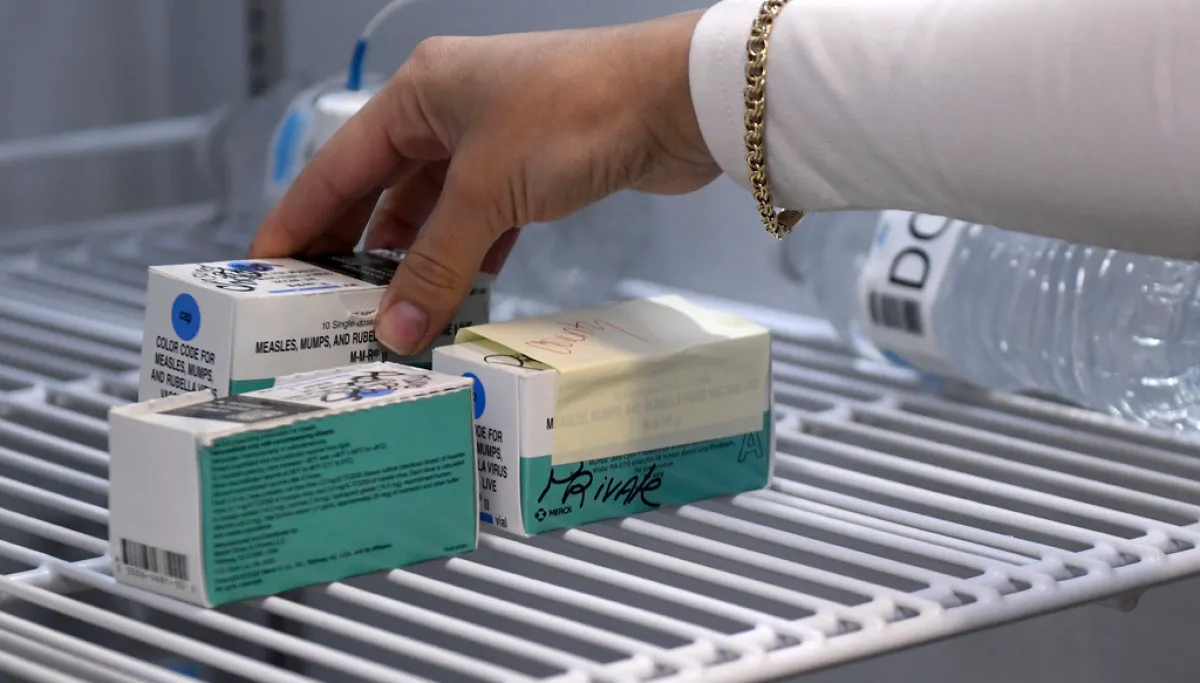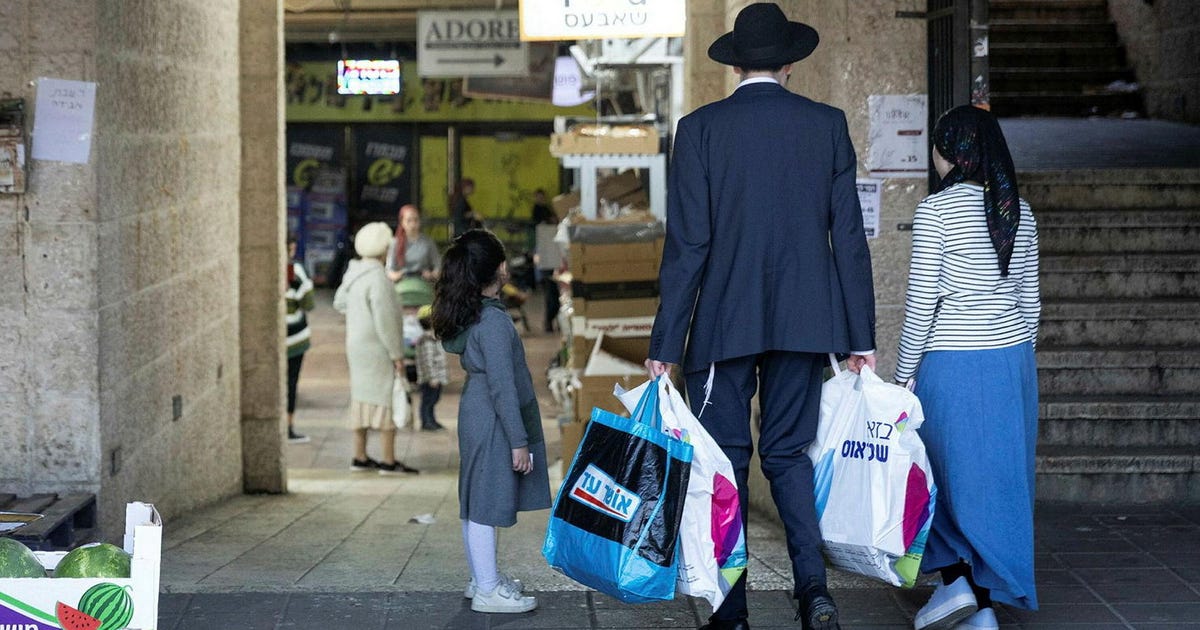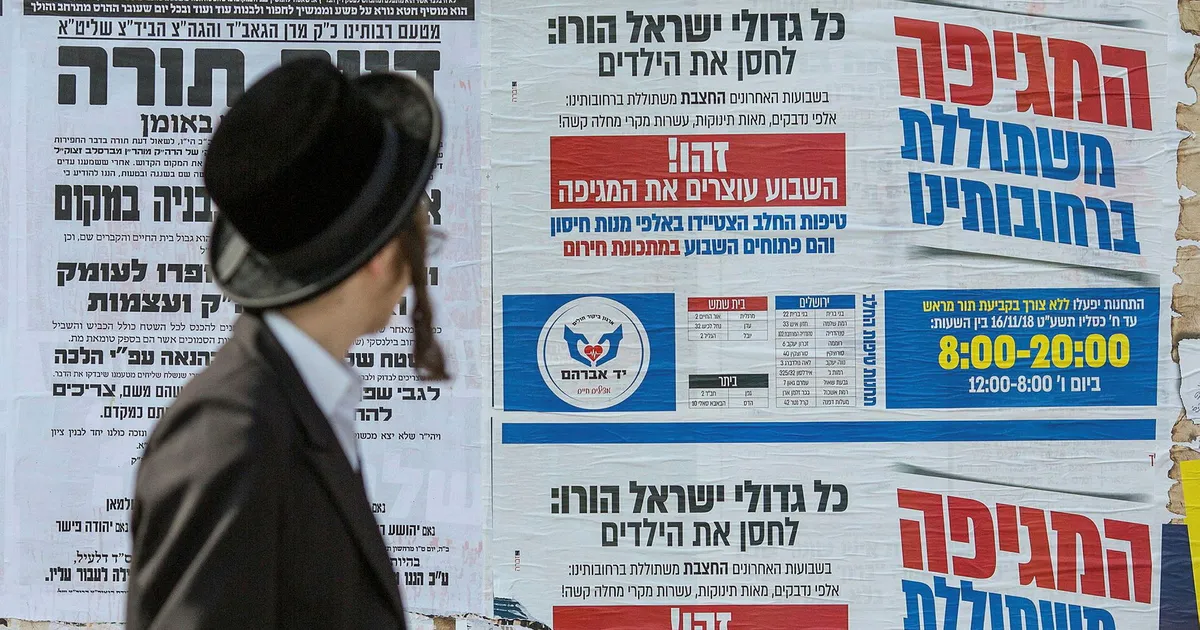
Current sectionScience & HealthThe updated schedule also shifts the second hepatitis A vaccine dose to first grade, part of an effort to ease the heavy cluster of early childhood vaccinations. Officials said the change is aimed at making the routine immunization program more manageable for parents and clinicsShare to FacebookShare to XArticle printing is available to subscribers onlyPrint in a simple, ad-free formatSubscribeComments: Zen reading is available to subscribers onlyAd-free and in a comfortable reading formatSubscribeMeasles vaccine Credit: ReutersMeasles vaccine Credit: Reuters09:01 PM • July 01 2026 IDTIsrael's Health Ministry said Wednesday it will give children the second dose of the combined MMRV vaccine at 18 months instead of age six, in response to an ongoing measles outbreak.The change will apply to children born on or after January 1, 2025. It is intended to strengthen immunity following a series of measles outbreaks in recent years, the latest of which began in April 2025 and has yet to be fully contained.Since the outbreak began, more than 3,700 people have been diagnosed with measles. About 90 percent were infants and children, the overwhelming majority of them unvaccinated. The ministry estimates that at least another 10,000 Israelis were infected but never diagnosed.Haaretz Elections PodcastHaaretz Election Podcast Kickoff: How far will Netanyahu go to stay in power?Haaretz Elections PodcastHaaretz Election Podcast Kickoff: How far will Netanyahu go to stay in power?total-- : --time0:00A total of 1,226 patients were hospitalized over the course of the outbreak, although no measles patients are currently hospitalized. Seventeen infants and children have died.Under Israel's routine immunization schedule, children receive their first MMRV dose at age one through well-baby clinics and the second in first grade through school health services.Under the new policy, both doses will be administered through well-baby clinics – at age one and again at 18 months. The ministry said the earlier second dose is expected to provide earlier protection against measles, increase the number of fully vaccinated children and strengthen herd immunity. Ultra-Orthodox child being given the MMR vaccine in Jerusalem. Credit: Daniel Bar-OnUltra-Orthodox child being given the MMR vaccine in Jerusalem. Credit: Daniel Bar-OnThe decision followed a review by the Public Health Division and was made in line with recommendations from the Advisory Committee on Immunization. Officials said many developed countries already administer the second dose at a younger age.As part of the updated immunization schedule, the ministry also decided to postpone the second hepatitis A vaccine dose until first grade, in order to balance the number of vaccinations given in early childhood.The first MMRV dose, given at age one – and at six months in areas designated as outbreak hotspots – provides more than 90 percent protection against measles. The second raises protection to about 97 percent and strengthens long-term immune memory. The second dose had previously been given in first grade because vaccination coverage tends to be higher at school entry, when children are exposed to larger groups and infection risk increases. School-based delivery also improved uptake by reducing the need for parents to schedule clinic visits. Haredi men stand before posters calling for childhood vaccination against measles during the last outbreak in 2018. Credit: Emil SalmanHaredi men stand before posters calling for childhood vaccination against measles during the last outbreak in 2018. Credit: Emil SalmanHowever, in light of the ongoing outbreak, officials said coverage must be increased at an earlier age."This update to the immunization program and the advancement of the second MMRV dose to 18 months is an important step in adapting the optimal professional response for public health," said Prof. Siegal Sadetzki, head of the Health Ministry's Public Health Services.The earlier schedule, she said, would allow more complete protection at a younger age."This step will significantly reduce illness and deaths caused by vaccine-preventable diseases, particularly measles," she said. "It reflects broad professional consensus among experts in Israel and abroad and is based on experience accumulated in many countries. It is part of a broader effort to increase childhood vaccination coverage while improving access and availability of vaccines for the entire population. The Health Ministry will continue working with all partners in the healthcare system to ensure the plan is implemented effectively."In the NewsIsrael Changes Age for Second Measles Vaccine in Effort to Stop OutbreakKnesset Adviser: Bid to Freeze Haredi Arrests Could Derail Army Exemption Bill20-year-old American Arrested in Israel on Suspicion of Spying for IranHistoric 100-year-old Jerusalem Villa Sells for 45 Million ShekelsLior Raz of 'Fauda' Is Only One of the Many Reasons You Should See 'Tuner'Remembering and rebuilding two years laterICYMIAdvanced Israeli Systems Sold to Qatar, Saudi Arabia, Documents and Images ShowIsrael 2026 Election Poll Tracker: The Latest ProjectionsA Collapsing Society: Israel Suffers National Mental Crisis Due to the WarFlagGate: How Israel Set Off a Storm by Hosting a Separatist Genocide DenierWhy Israelis Should Stop Being Afraid of Mamdani-backed Brad LanderSettlers Tried to Torch Palestinian Homes. They Messed With the Wrong Village
Israel changes age for second measles vaccine in effort to stop outbreak
The updated schedule also shifts the second hepatitis A vaccine dose to first grade, part of an effort to ease the heavy cluster of early childhood vaccinations. Officials said the change is aimed at making the routine immunization program more manageable for parents and clinics
813 words~4 min read