TL;DRHonda has begun making energy storage batteries at its Ohio plant, pivoting from the cancelled EV programme that triggered a $16 billion write-down.
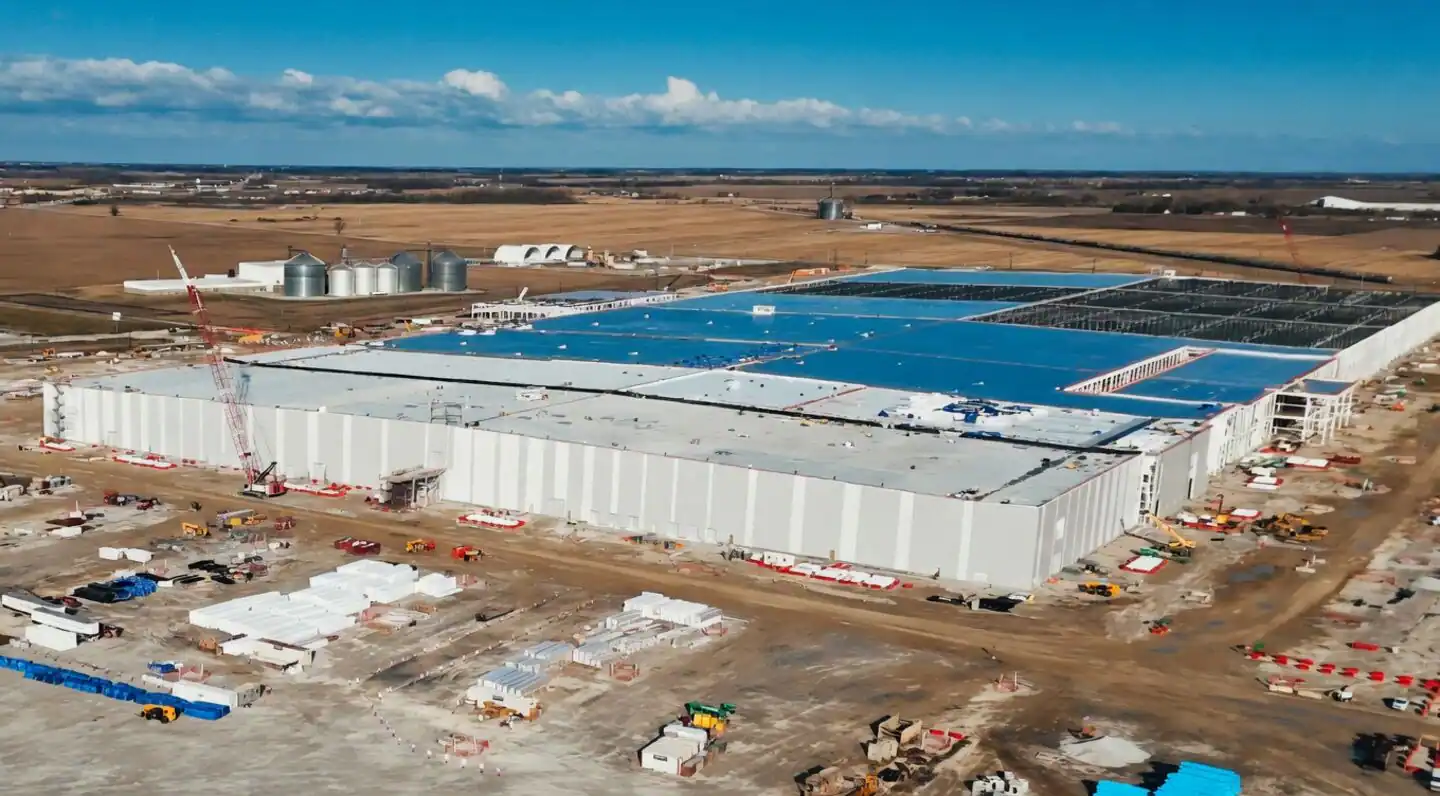
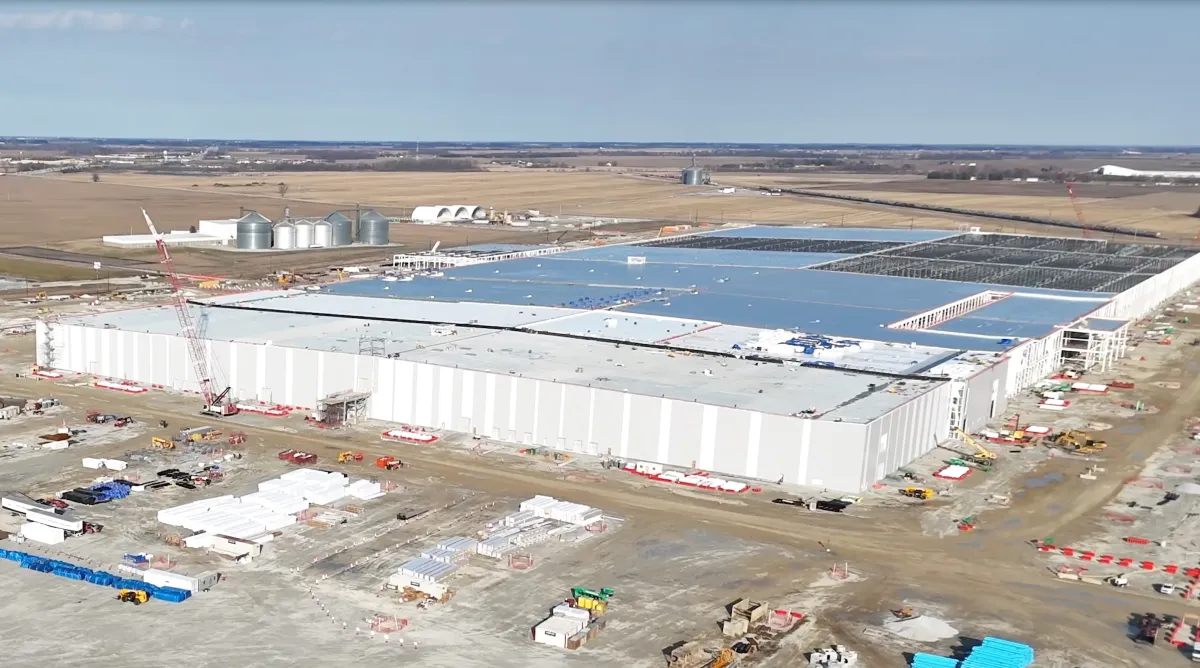
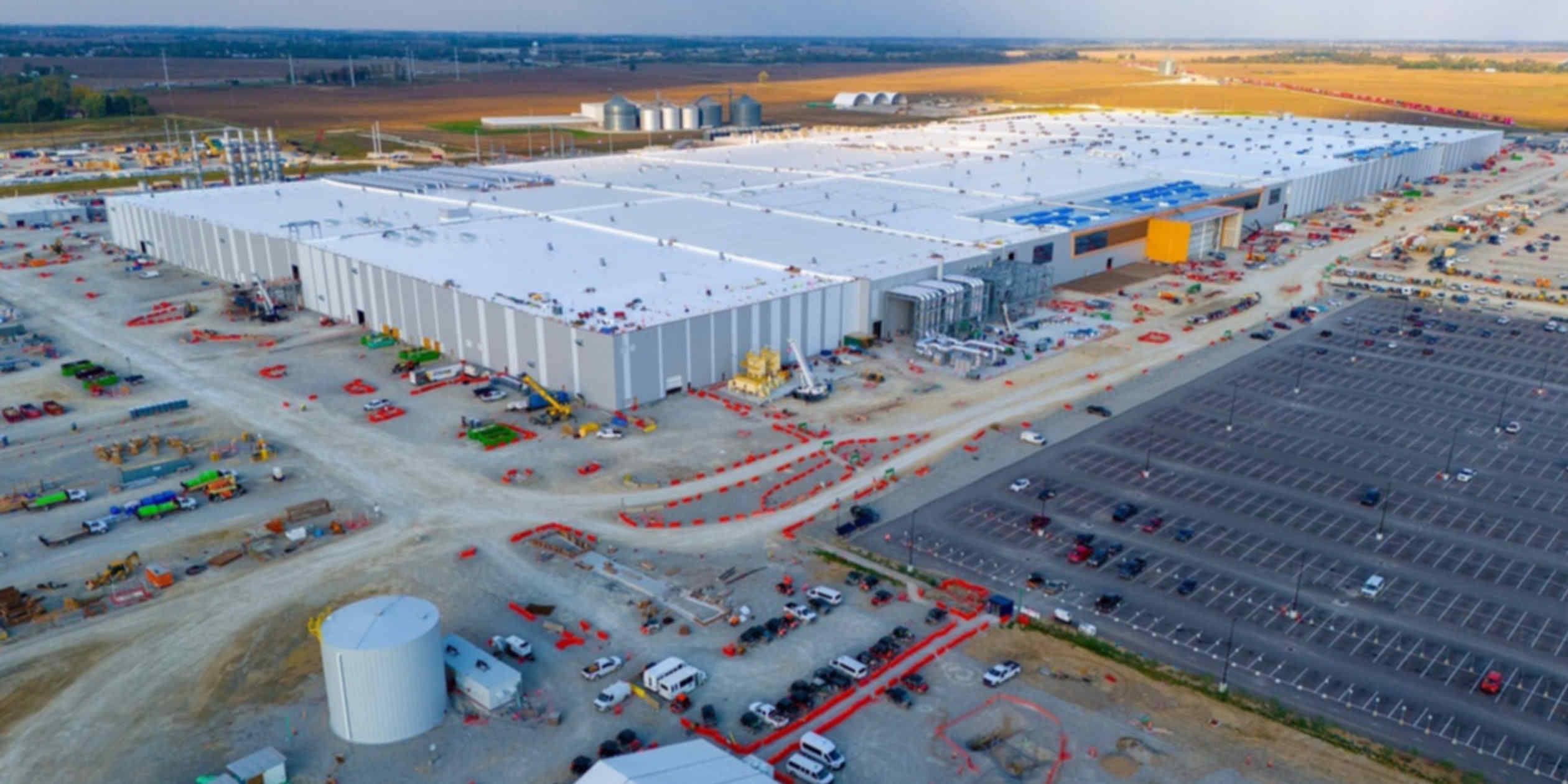
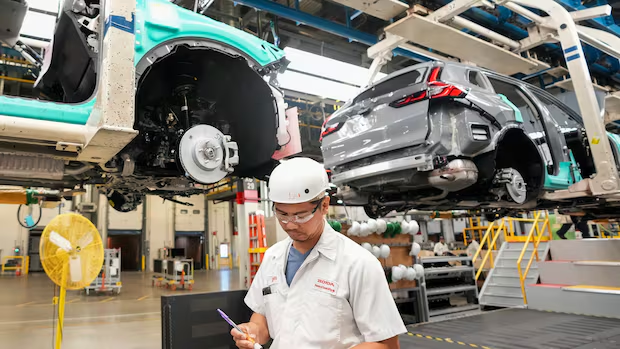
Honda has begun producing batteries for energy storage systems at its Ohio factory, according to a report from Nikkei Asia. The plant was originally built to supply cells for electric vehicles the company cancelled three months ago. Those batteries are now headed to data centres instead of driveways.
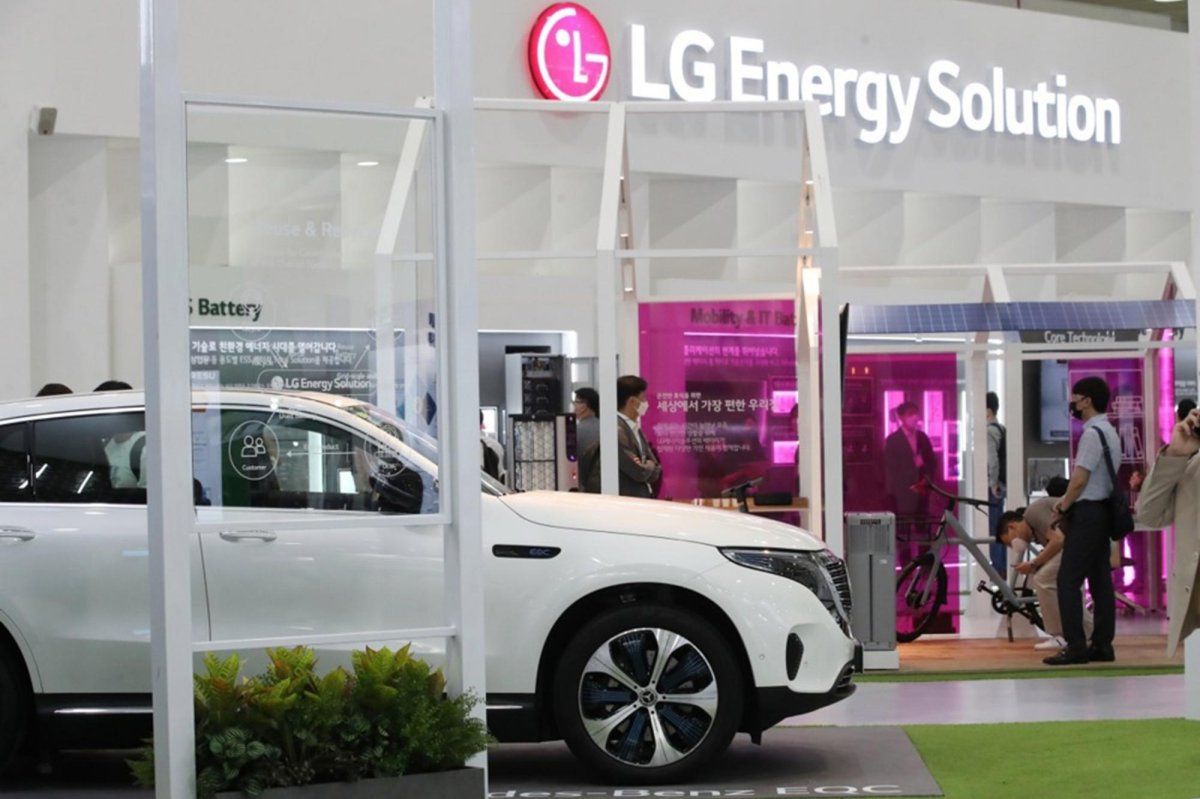
The shift follows Honda’s decision in March to scrap three EVs destined for the American market, a retreat that triggered up to sixteen billion dollars in write-downs and the company’s first annual loss as a listed company. Honda operates the Ohio factory under a joint venture with LG Energy Solution, though Honda bought out LG’s stake in the plant building for nearly three billion dollars late last year.
The pivot comes as demand for EVs in the United States remains weak. The federal tax credit for new electric vehicles expired last September after Congress eliminated it, and sales have fallen year over year as consumers who pulled forward purchases to capture the credit have left a gap in demand.
Honda is not the first automaker to redirect battery capacity toward stationary storage. Ford launched a two-billion-dollar subsidiary called Ford Energy in May to build grid-scale storage systems at a repurposed Kentucky plant, and General Motors announced three energy storage partnerships this month, including a sodium-ion battery development deal with Peak Energy. Tesla, which pioneered the market with its Megapack, earns roughly thirty percent gross margins on energy storage, about twice what it makes selling cars.