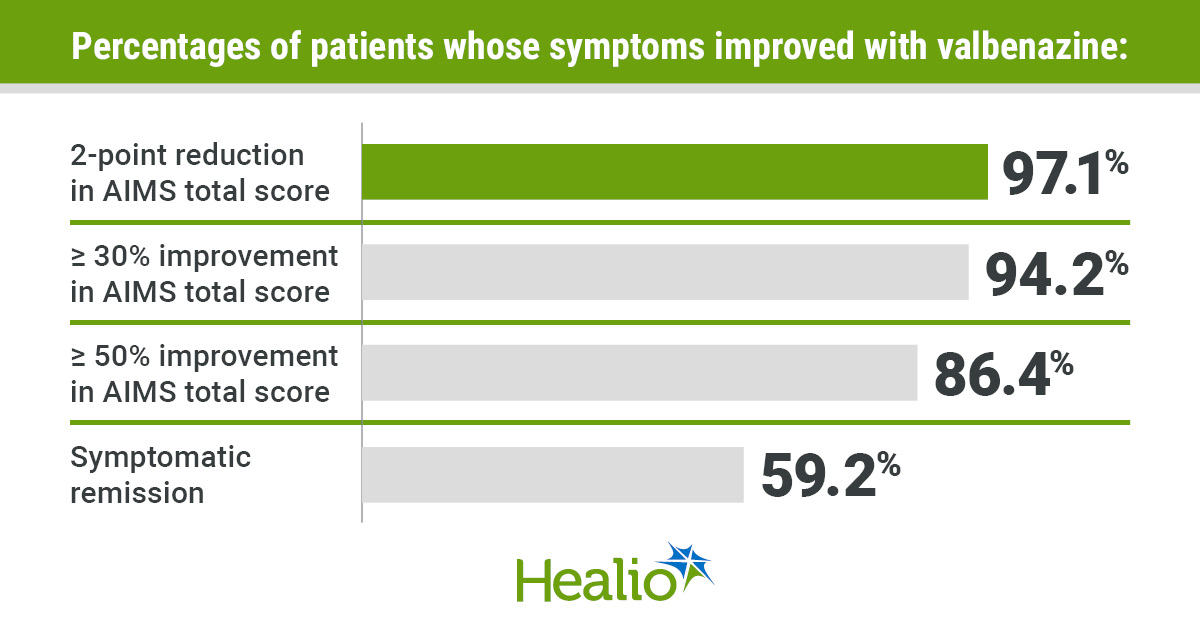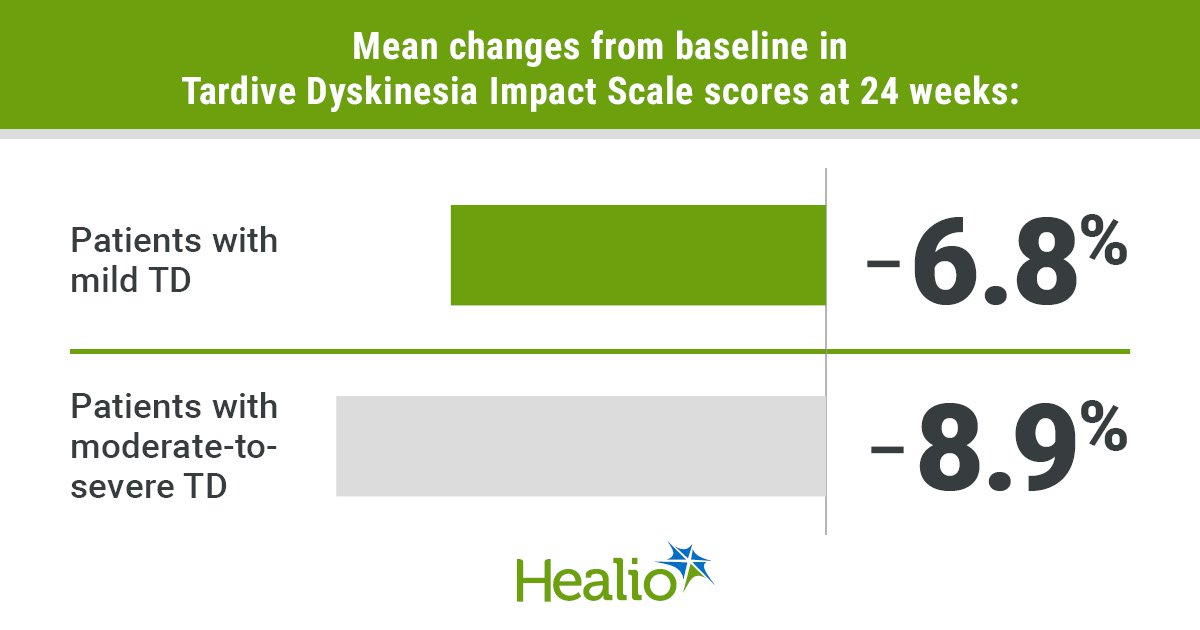
At each clinical visit, patients on antipsychotics should be assessed for tardive dyskinesia (TD) and abnormal involuntary movements, according to American Psychiatric Association (APA) guidelines.
For decades, the Abnormal Involuntary Movement Scale (AIMS) has been one of the most widely used screening tools for monitoring TD symptoms, which often include movements like tongue thrusting, lip smacking, finger tapping, and pelvic rocking.
"Monitoring and recognition of TD are critical skills for clinicians," said John Kane, MD, of the Donald and Barbara Zucker School of Medicine at Hofstra/Northwell in Hempstead, New York.
TD, a movement disorder that can develop after exposure to any antipsychotic medication, occurs at a rate of approximately 4% to 8% per year in adult patients treated with first-generation antipsychotic agents, the APA guide notes.
Although the incidence of TD is lower with newer, second-generation agents, these drugs are being more widely used beyond patients with schizophrenia, Kane told MedPage Today. "TD remains a risk for many patients and should not be ignored," he said.